If you’re considering skin rejuvenation, it’s normal to search how much is a laser facelift before you book a consultation. Laser-based treatments are popular because they can improve the look of fine lines, texture, pores, and mild-to-moderate sagging—often with less downtime than traditional surgery. But pricing varies widely depending on the type of laser, how many sessions you need, and the areas being treated.
In this FlowGeniQ Digest guide, we’ll walk through realistic cost ranges, what typically drives the final bill, and how to evaluate whether a “laser facelift” plan is right for your goals. We’ll also share practical questions to ask your provider so you can compare options confidently.
First, what people mean by “laser facelift”
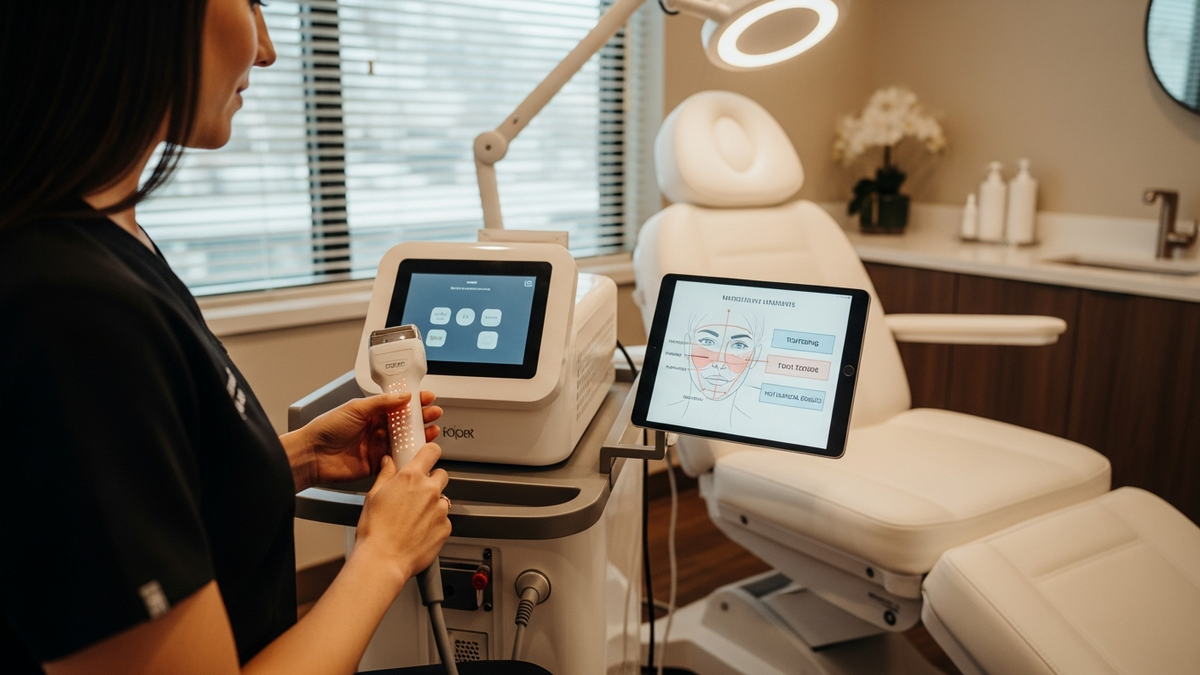
The phrase laser facelift is commonly used in marketing to describe a non-surgical or minimally invasive approach to facial rejuvenation. In practice, it may refer to several different treatments, such as:
- Fractional laser resurfacing (ablative or non-ablative) to improve texture, tone, and fine lines
- Energy-based tightening using lasers or laser-assisted devices to support collagen remodeling
- Skin resurfacing for discoloration, sun damage, and uneven pigmentation
- Combination plans (laser plus topical/medical-grade skincare, microneedling, or other in-office procedures)
Because “laser facelift” can mean different protocols, there is no single universal price. Your cost depends on the exact treatment plan your clinician recommends after examining your skin and discussing your desired outcome.
So, how much is a laser facelift? Typical price ranges
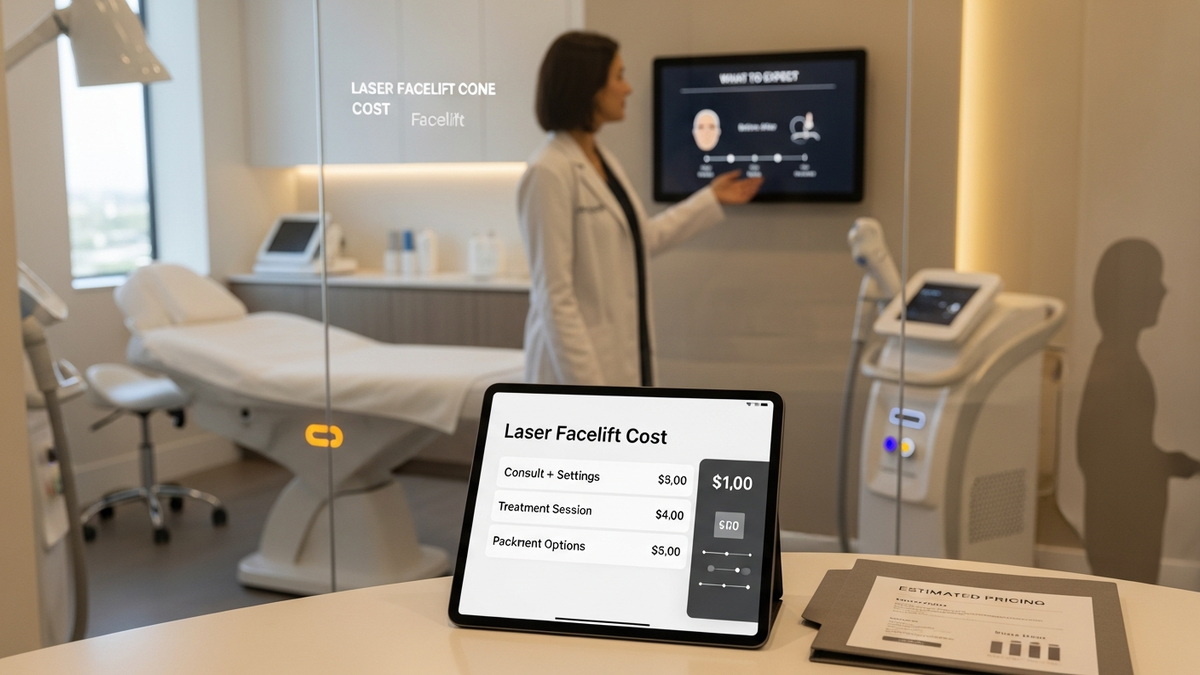
When people ask how much is a laser facelift, they often want a quick number. The most accurate answer is that costs usually fall within a range rather than a single figure.
Common cost ranges (U.S.)
While prices vary by region, provider, and device, typical estimates you may see include:
- Single-session non-ablative laser: often roughly $500–$1,500
- Fractional resurfacing (depending on intensity and device): often roughly $1,000–$3,500 per session
- Ablative or more intensive resurfacing: often roughly $2,000–$6,000+ per session
- Full-face multi-session plans: may total $3,000–$15,000+ depending on how many sessions are recommended
Important: Many “laser facelift” outcomes require multiple sessions to achieve cumulative collagen remodeling. A quote for one session may not reflect the full treatment course.
Why the range is so wide
Laser pricing is influenced by factors like device type, treatment depth, and the provider’s expertise. A high-quality plan that targets your specific concerns (for example, texture plus mild laxity) may cost more upfront but can reduce the chance you’ll need additional, less effective sessions later.
What affects the total cost of a laser facelift?
If you’re comparing quotes, use these categories to understand what you’re actually paying for.
1) Laser type and treatment intensity
Different lasers deliver energy in different ways. Generally:
- Non-ablative options often have shorter downtime and may be priced lower per session.
- Ablative or more aggressive fractional approaches can produce stronger resurfacing effects but often have higher per-session costs.
2) Number of sessions
Many skin-rejuvenation laser programs are delivered in a series. Your clinician may recommend:
- 2–3 sessions for certain texture or early aging concerns
- 3–6 sessions for deeper remodeling goals or more pronounced changes
The “laser facelift” total cost is typically the per-session rate multiplied by the recommended number of treatments—plus any required pre- or post-care products.
3) Treatment areas (face only vs. face + neck)
Pricing often changes based on what’s included. A plan focused only on the cheeks and perioral area may cost less than a full face and neck protocol. Neck skin can respond differently, and providers may use different settings to address laxity and texture.
4) Customization for your skin concerns
Two people can both ask about a “laser facelift” and receive very different plans. Customization may include:
- Choosing settings based on skin type and sensitivity
- Targeting pigment issues (like sun spots) versus fine lines
- Adjusting the plan for previous treatments or skincare routines
5) Provider experience and clinical setting
Laser outcomes depend heavily on correct patient selection and appropriate parameters. In high-quality practices, the cost often reflects training, safety protocols, device quality, and the clinician’s ability to tailor treatment to your anatomy and goals.
6) Anesthesia and adjunct procedures
Some laser sessions require topical numbing or additional comfort measures. If your plan includes adjunct treatments—such as microneedling, chemical peels, or other resurfacing—your total cost will increase accordingly.
Laser facelift vs. surgical facelift: how to choose
It’s helpful to compare non-surgical options with surgical alternatives because your budget should align with the level of change you want.
When a laser facelift may be a good fit
- You want improvements in skin texture, tone, and fine lines
- You have mild to moderate signs of aging
- You prefer minimal downtime and gradual, collagen-driven results
- You’re focused on overall “freshness” rather than major repositioning of facial tissues
When a traditional Facelift may be considered
If you have more significant sagging, jowls, or structural changes, a surgical approach may provide a more dramatic and durable result. For readers comparing options, you may find it useful to review Facelift information and discuss whether surgery or a combination plan is more appropriate.
In Los Angeles, many patients explore a range of head-and-neck rejuvenation options. Dr. Hootan Zandifar, a board-certified Facial Plastic & Reconstructive Surgeon, focuses exclusively on cosmetic and reconstructive surgeries of the head and neck, offering advanced anti-aging techniques designed to restore a fresh, youthful appearance. His approach emphasizes patient education and natural-looking outcomes.
What results can you realistically expect?
One of the most important factors in any “how much is a laser facelift” decision is whether you understand the timeline and the type of outcome you can expect.
Typical timeline
- Immediately after: skin may feel warm, tight, or slightly irritated (varies by laser type)
- First 1–4 weeks: redness and texture changes may settle; early improvements may appear
- Over 2–6 months: collagen remodeling continues, often producing the most noticeable refinement
What changes lasers tend to improve
- Uneven tone and sun damage
- Fine lines and superficial wrinkles
- Texture and pore appearance
- Skin firmness and overall “lift” effect (usually subtle compared to surgery)
What lasers may not fully address
Lasers generally do not reposition deeper facial structures the way surgery can. If your primary concern is pronounced sagging or significant jowl formation, you may need a different strategy than a laser-only plan.
Downtime and side effects: impact on value
Cost isn’t just dollars—it’s also time, comfort, and risk. When comparing price quotes, ask about downtime and side effects for the specific device being used.
Common temporary effects
- Redness and swelling
- Dryness and flaking (especially with resurfacing)
- Sensitivity to sunlight
- Temporary changes in pigmentation
Risk factors to discuss
Your clinician should review your skin type, medical history, and prior procedures. Important considerations may include:
- History of hyperpigmentation or melasma
- Use of retinoids or certain medications
- Smoking and skin healing factors
- Sun exposure and tanning habits
How to evaluate a “laser facelift” quote (and avoid surprises)
If you want to know whether a quote truly reflects value, ask for specifics—not just a total price.
Questions to ask your provider
- Which laser device and protocol are you recommending?
- What exact areas are included in the session (face only, neck, jawline, etc.)?
- How many sessions do you expect I’ll need for my goals?
- What downtime should I plan for based on the laser type?
- What is included in the price (consultation, skincare products, follow-ups)?
- How do you handle skin tone risk (for example, hyperpigmentation)?
- What outcomes are realistic for my skin concerns?
Red flags
- Vague descriptions of the device or settings
- No discussion of the treatment series (if multiple sessions are expected)
- Pressure to commit without a clear plan for aftercare
- Promises of “instant facelift” results without acknowledging collagen timelines
Does insurance cover laser facelift treatments?
In most cases, laser facelift procedures are considered cosmetic. That means insurance typically does not cover them.
However, there can be exceptions when treatment is medically necessary. Your best next step is to ask the clinic’s billing team whether any portion of your care could be coded differently based on your diagnosis.
Financing and budgeting: planning for the full treatment course
If you’re budgeting for how much is a laser facelift, calculate your total expected investment—not just the first session.
Budget planning tips
- Request a treatment plan summary (sessions, spacing, and expected timeline)
- Ask what’s included (consultation, follow-ups, skincare guidance)
- Plan for aftercare (sunscreen and gentle skincare can be essential)
- Consider future maintenance—many patients do periodic touch-ups
How head-and-neck specialists think about facial rejuvenation
Laser treatments are only one part of a broader facial rejuvenation picture. Many patients also consider adjacent procedures that affect overall facial harmony—such as eyelid rejuvenation, brow support, and nose refinement.
Examples of complementary facial procedures
- Brow lift and forehead rejuvenation for eyebrow position and forehead lines
- Blepharoplasty to improve upper or lower eyelid concerns; see Blepharoplasty for more context
- Rhinoplasty when nasal structure and appearance are part of the overall aesthetic plan; see Rhinoplasty
Because facial features work together, a specialist may recommend a staged approach—starting with laser rejuvenation for skin quality, then addressing structural concerns if needed. This is one reason a consultation is crucial: the most cost-effective plan is the one that targets the cause of your concerns, not just the surface symptoms.
When lasers are not enough: other options to discuss
Some patients who search how much is a laser facelift discover they have concerns that respond better to other treatments. For example, localized fat changes may require a different strategy. While this article focuses on laser-based approaches, it’s helpful to know that facial rejuvenation often includes a range of options.
Non-laser considerations
- Submental liposuction for localized fat deposits in the chin/neck/jawline (a minimally invasive approach)
- Surgical face lift for more significant sagging and structural aging
- Eyelid surgery if eyelid heaviness contributes to an aged appearance; see Blepharoplasty
In other specialties, patients may also evaluate airway or nasal function concerns. If your goals include both appearance and breathing, it’s worth learning about Septoplasty and Deviated Septum options (as appropriate) with a qualified surgeon.
Laser facelift cost by goal: which plan might fit?
While you should never self-diagnose, you can use your primary concern to guide the questions you ask. Below are common goals and the type of laser approach that may be discussed.
Goal: fine lines and texture
Often, providers recommend fractional resurfacing or non-ablative remodeling protocols. Expect a series-based plan rather than one-and-done treatment.
Goal: sun damage and uneven tone
Laser may be paired with pigment-targeted settings and a strict sun-protection plan. Your provider may also discuss topical regimens before and after treatment.
Goal: mild tightening and “lift” appearance
Energy-based tightening protocols can support collagen remodeling. However, if you have significant laxity, you may need a combined approach.
How to prepare for your laser facelift consultation
A great consultation can reduce uncertainty and help you get an accurate cost estimate. Come prepared with details about your skin history and goals.
Bring or note these items
- Photos of yourself in different lighting (if available)
- A list of current skincare products (especially retinoids and exfoliants)
- Any history of keloids, cold sores, or pigment issues
- Previous cosmetic procedures and how your skin responded
- Your timeline (events, vacations, work schedule)
Set clear outcome goals
Instead of “I want a facelift,” try describing what you want to change: “less texture,” “smoother under-eye creasing,” “more even tone,” or “subtle tightening.” Clear goals help your clinician recommend the right therapy—and a more accurate cost range.
Laser facelift FAQ
1) How much is a laser facelift usually?
Costs vary widely, but many patients spend anywhere from several hundred dollars per session for lighter treatments to several thousand dollars per session for more intensive resurfacing. Because many plans require multiple sessions, total costs can range from a few thousand to tens of thousands depending on the protocol.
2) Is a laser facelift permanent?
Laser results are not typically “permanent” in the surgical sense. Lasers work by stimulating collagen remodeling, so improvements can last for months to years, depending on your skin, sun exposure, and maintenance routine. Many patients schedule periodic touch-ups.
3) How many sessions do I need?
Many people need a series—often 2–6 sessions depending on the laser type, intensity, and your skin concerns. Your provider should explain the expected number of treatments and the timeline for results.
4) What is the downtime for a laser facelift?
Downtime depends on the laser. Non-ablative treatments often have minimal downtime, while ablative resurfacing can require more recovery time (with redness and flaking). Ask your clinician what to expect for the specific protocol they recommend.
5) Can lasers replace a surgical facelift?
For mild-to-moderate signs of aging, lasers can significantly improve skin quality and provide a subtle tightening effect. For more pronounced sagging or structural aging, surgery may be more effective. A specialist can help determine which approach matches your anatomy and goals.
CTA: Ready for a personalized laser facelift cost estimate?
Understanding how much is a laser facelift is much easier when you have a tailored plan. The most accurate pricing comes after a clinician evaluates your skin concerns, skin type, and desired outcome—because the “right” laser protocol is what determines both results and total cost.
If you’re in the Los Angeles area and exploring advanced head-and-neck aesthetic options, consider scheduling a consultation with a qualified specialist. Dr. Hootan Zandifar, a double board-certified, fellowship-trained facial plastic and reconstructive surgeon, is known for an honest, trustworthy, and compassionate approach focused on natural-looking results. You can also explore related facial rejuvenation options such as Facelift, Blepharoplasty, and Rhinoplasty to better understand your full menu of options.
FlowGeniQ Digest is here to help you ask better questions and make more confident decisions—so your next step is informed, not guesswork.
Professional Disclaimer
This content is provided for general educational purposes only by FlowGeniQ Digest. It is not a substitute for professional advice, diagnosis, or treatment. Readers are advised to consult qualified professionals for personalized recommendations.
Medical Information Disclaimer
This content is provided for general educational purposes only by FlowGeniQ Digest. It is not a substitute for professional advice, diagnosis, or treatment. Readers are advised to consult qualified professionals for personalized recommendations.