Non invasive rhinoplasty is one of the most searched terms in aesthetics right now—because it promises “a nose refresh” without the downtime or commitment of traditional surgery. At the same time, patients deserve clear expectations: some concerns can be improved with non-surgical approaches, while others require structural correction for both appearance and breathing.
In this FlowGeniQ Digest guide, we’ll break down what non invasive rhinoplasty can realistically address, the common options used in practice, and how to know when a functional, minimally invasive nasal procedure (rather than a cosmetic rhinoplasty) may be the more effective solution.
What “Non Invasive Rhinoplasty” Really Means
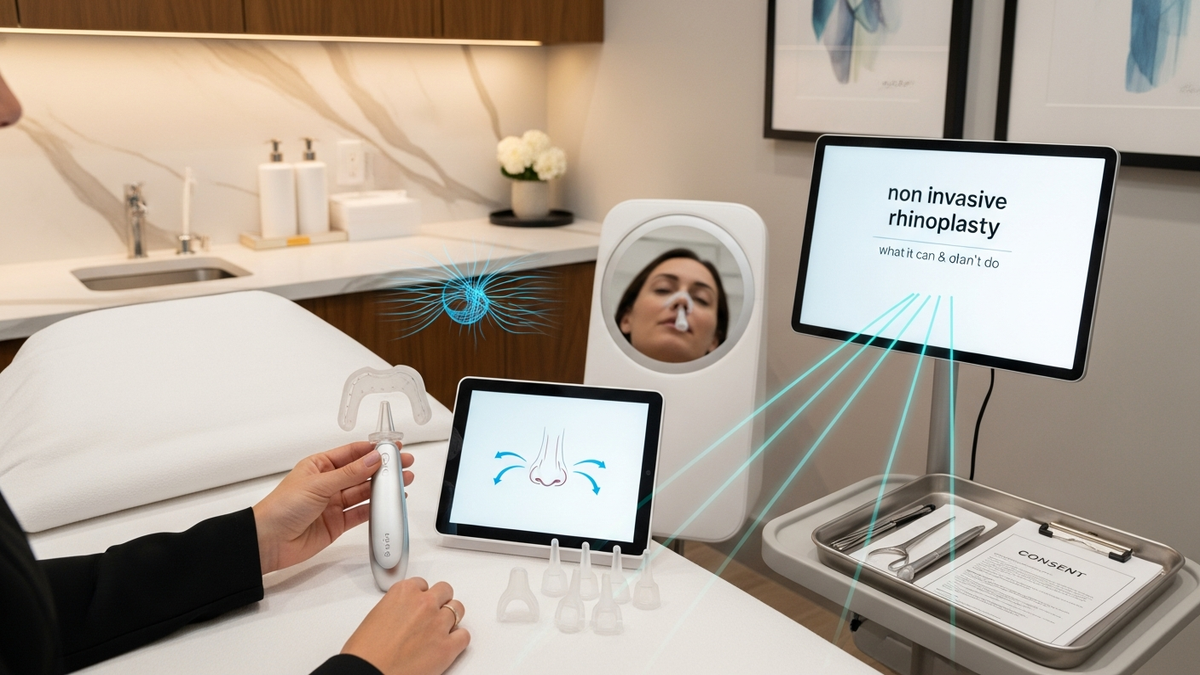
Non invasive rhinoplasty generally refers to non-surgical ways to modify the nose’s look—most commonly using injectables (like dermal fillers) or other external treatments. Unlike surgical rhinoplasty, these approaches typically do not permanently reshape cartilage or bone in the same way.
So the key question isn’t only “Can it change my nose?”—it’s also:
- Can it address my specific cosmetic goal?
- Is my main issue structural (affecting airflow), or mostly aesthetic?
- What are the tradeoffs in longevity, safety, and predictability?
Non Invasive Rhinoplasty: The Most Common Options
Non surgical nose refinement is not one single treatment. In real-world clinical practice, it typically includes the following categories.
1) Dermal Fillers for Nose Contouring
Dermal fillers are the most common non-surgical tool used for “liquid rhinoplasty.” They may help camouflage certain features, such as:
- A mild dorsal hump (in select cases)
- Asymmetry or minor contour irregularities
- Tip definition or subtle support
- Small depressions or unevenness along the nasal bridge
Important: Fillers are excellent for surface contouring, but they are not a substitute for correcting severe structural deformities or significant breathing obstruction caused by internal anatomy.
2) Non-Surgical “Tip Refinement” (When Skin & Structure Allow)
Some patients seek changes to the nasal tip—such as lifting or narrowing. Depending on baseline anatomy and skin thickness, injectables may provide a temporary lift or improved definition.
However, if the tip shape is driven by cartilage structure or if there is nasal valve weakness, filler alone may not deliver stable, natural results.
3) External Devices & Skin-Focused Treatments (Limited Scope)
Various external approaches are marketed for nose shaping. While some may help with minor appearance (for example, reducing puffiness), they generally cannot achieve the kind of structural correction many patients assume.
For patients with functional complaints—like chronic congestion, frequent sinus issues, or difficulty breathing—non-surgical cosmetic tools may not address the root cause.
Non Invasive Rhinoplasty vs. Surgical Rhinoplasty
It helps to compare goals and mechanisms.
Non Invasive Rhinoplasty
- Primary mechanism: contouring/support with non-surgical methods (often fillers)
- Best for: minor asymmetry, subtle contour smoothing, temporary improvement
- Limitations: cannot reliably change cartilage/bone framework
- Longevity: typically temporary; maintenance may be required
Surgical Rhinoplasty
- Primary mechanism: reshaping cartilage and/or bone
- Best for: significant structural changes, long-term shape changes, complex asymmetry
- Potential added benefit: in some cases, functional improvement alongside cosmetic goals
If you’re considering the surgical route, explore Rhinoplasty to understand how facial plastic surgeons evaluate both aesthetics and function.
When Non Invasive Rhinoplasty May Not Be Enough (Breathing Matters)
Many people discover non invasive rhinoplasty because they want a better-looking nose. But if you also struggle with nasal airflow, the “right” approach may be different.
For example, chronic congestion and sinusitis symptoms can be driven by internal structural factors. In such cases, cosmetic-only changes may leave you feeling stuck—because the root issue is functional, not just visual.
Common Structural Causes of Nasal Obstruction
Patients often have one or more of the following:
- Deviated nasal septum that obstructs airflow
- Enlarged inferior turbinates causing persistent “stuffy nose”
- Nasal valve collapse that worsens breathing, especially with exertion
- Chronic sinus blockage affecting drainage and symptom control
Functional Nasal Surgery: A Minimally Invasive Alternative (Often More Effective)
Here’s where FlowGeniQ Digest wants to help you think beyond the cosmetic label. Dr. Hootan Zandifar specializes in functional nasal surgery—procedures designed to treat chronic nasal congestion and sinusitis symptoms using minimally invasive approaches when appropriate.
When the problem is airflow-related (for example, a structural defect like a deviated septum or enlarged turbinates), functional procedures can permanently alleviate symptoms that make it hard to breathe and improve quality of life.
Septoplasty for a Deviated Septum
If your septum is crooked and obstructing one or both nostrils, Septoplasty may be recommended. This procedure straightens the nasal cartilage to improve airflow.
Patients often search “deviated septum” first—so if that’s you, review Deviated Septum to understand how the anatomy can impact breathing.
Inferior Turbinate Reduction for Chronic Congestion
Inferior turbinate reduction is often considered for patients with long-term nasal obstruction and a persistent “stuffy nose.” It may be especially relevant for individuals dealing with chronic congestion and even sleep-related breathing concerns.
Repair of Nasal Valve Collapse
Some patients experience difficulty breathing because the nasal valve is weak or collapses under normal airflow demands. Depending on severity, treatment may include:
- Non-surgical measures such as steroid and non-steroid allergy medications and other supportive approaches
- Surgical repair in cases of more severe obstruction
Options may include Latera implant or Vivair treatments, which are used to support and improve the airway.
Balloon Sinuplasty and Endoscopic Sinus Surgery
When sinus blockage contributes to chronic symptoms, minimally invasive sinus procedures may restore normal drainage. For certain cases, balloon sinuplasty can open blocked sinus passages and reduce recurrence of sinus infections. For more complex situations, endoscopic sinus surgery guided by imaging can widen sinus pathways, help clear trapped mucus, and support restoration of smell.
Allergy Management (Including SLIT)
Allergies can significantly affect nasal breathing. Sublingual immunotherapy (SLIT) is a “no shot” option for some patients and may help reduce allergy-driven congestion over time.
How to Tell If Your Goal Is Cosmetic, Functional, or Both
You don’t have to choose between looking better and breathing better. But you do need an honest plan that matches your anatomy and symptoms.
Consider a Functional Evaluation If You Have:
- Chronic nasal congestion (especially one-sided)
- Frequent sinus infections or ongoing sinus pressure
- Difficulty breathing through your nose during daily activities
- Sleep disruption linked to nasal obstruction
- Epistaxis (nosebleeds) or whistling sounds with breathing
Consider a Non-Surgical Aesthetic Approach If You Have:
- Minor contour irregularities or asymmetry
- Mild dorsal hump appearance concerns (in select cases)
- Desire to avoid surgery and explore options first
- Realistic expectations about temporary results
What to Expect From a Non Surgical Rhinoplasty Consultation
A high-quality consultation is where results are won or lost. If you’re exploring non invasive rhinoplasty, ask your provider how they evaluate both appearance and anatomy.
Questions to Ask Your Surgeon or Specialist
- Am I a good candidate for fillers—or am I structurally limited?
- What specific areas would you treat (bridge, tip, asymmetry)?
- How will you ensure natural proportions from multiple angles?
- What are the risks and how are complications managed?
- If I have breathing issues, should we address function first?
Clinical Assessment That Builds Predictability
Providers typically use external analysis and, when relevant, internal evaluation of airflow and nasal valve mechanics. If you have chronic symptoms, functional assessment can guide whether non-surgical cosmetic refinement will truly satisfy you.
Safety, Longevity, and Realistic Expectations
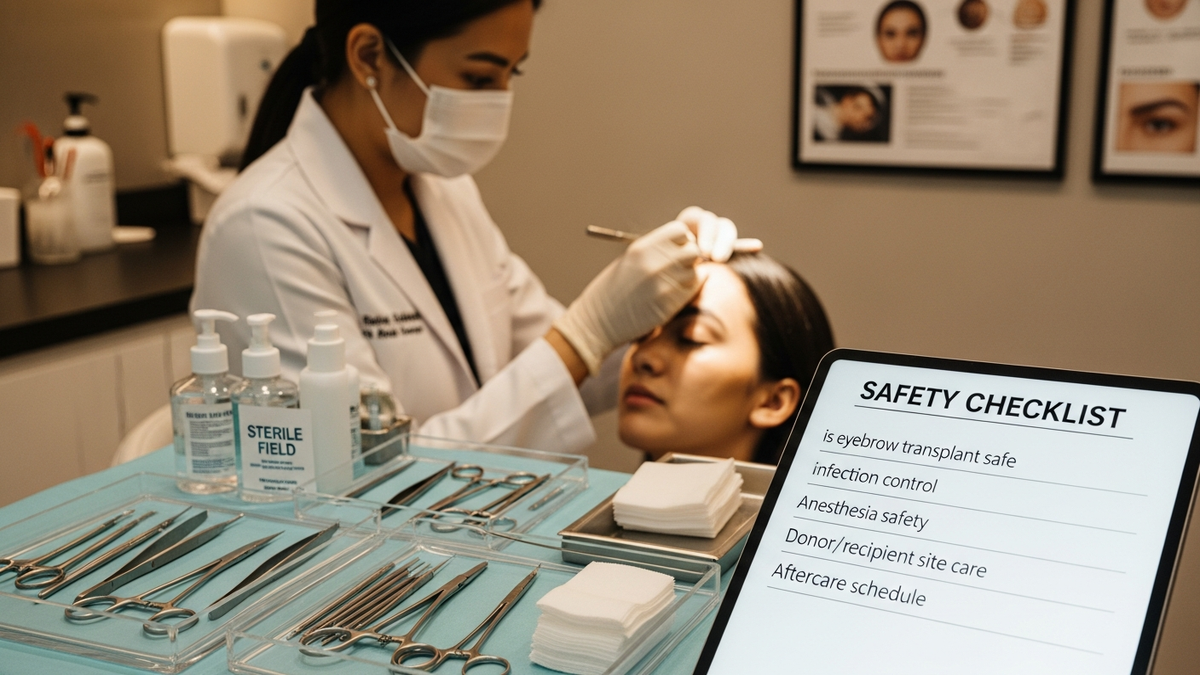
Non invasive rhinoplasty is not “risk-free,” even though it avoids incisions. Safety depends on the injector’s training, product selection, and the patient’s anatomy.
Longevity: Plan for Maintenance
Most filler-based changes are temporary. Many patients choose non-surgical refinement as a way to test aesthetic direction or to achieve subtle changes with less commitment.
Natural Results Require Restraint
Overcorrecting is one of the most common reasons non-surgical noses look unnatural. A skilled specialist will prioritize balance: your nose should harmonize with your face, not just “match an ideal.”
Breathing Outcomes Are Not Guaranteed by Cosmetic Treatments
If nasal obstruction is driven by septal deviation, turbinate hypertrophy, or nasal valve collapse, then non surgical nose contouring may not improve airflow. Functional procedures can be more appropriate—especially when symptoms are chronic.
Why “Functional First” Can Be the Best Aesthetic Strategy
When you can breathe comfortably, your body and face often look and feel better—your energy improves, sleep may improve, and overall wellbeing supports a more vibrant appearance. Dr. Hootan Zandifar’s approach emphasizes that treating the underlying nasal function can be the foundation for long-term satisfaction.
In other words: a nose that looks better and breathes better can feel like a true transformation.
Related Facial Procedures: Considering Your Full Facial Harmony
While this article focuses on non invasive rhinoplasty, many patients evaluate their face holistically. If you’re planning multiple refinements, it’s helpful to understand how other procedures can complement your goals.
- If you’re interested in rejuvenating the upper face, Blepharoplasty may be considered for eyelid concerns that affect overall facial expression.
- For mid-to-lower face aging and skin laxity, a Facelift may be discussed depending on your anatomy and goals.
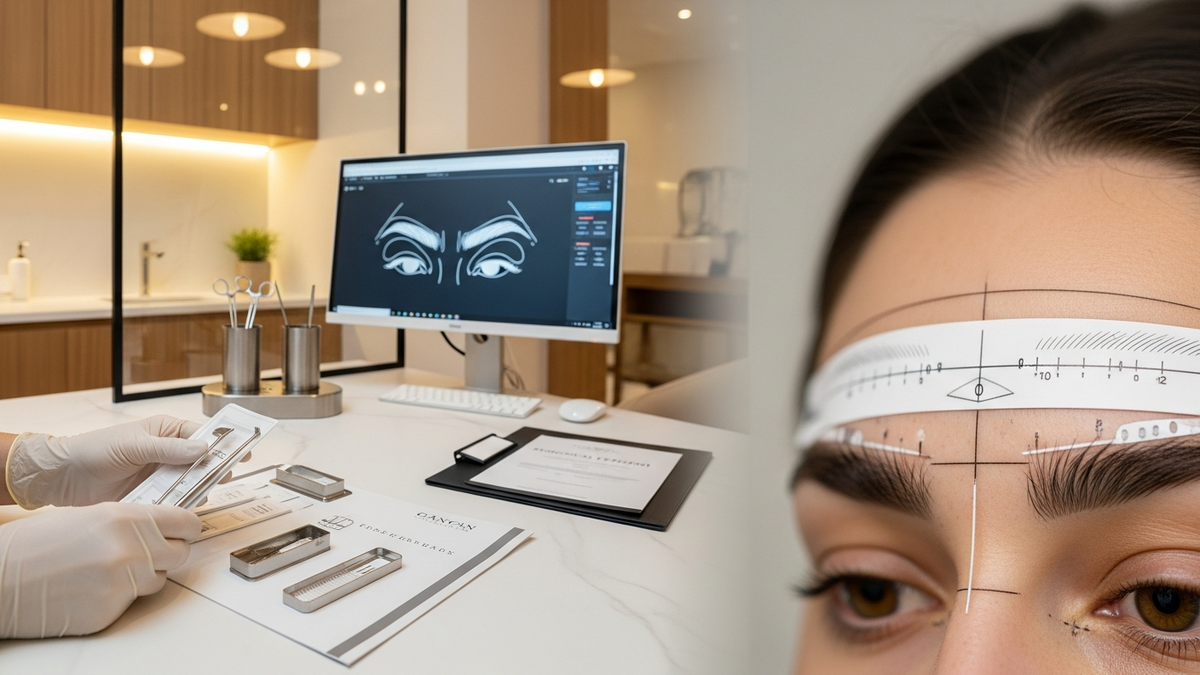
- Some patients also consider hair restoration; for example, an eyebrow transplant can restore frame and balance, and a hair transplant can help address thinning or baldness.
Any multi-procedure plan should be individualized—timing and priorities matter, especially if nasal breathing issues affect comfort and recovery.
Actionable Next Steps (A Patient-Friendly Checklist)
If you’re seriously considering non invasive rhinoplasty, use this checklist to move from curiosity to clarity.
Step 1: Write Down Your Top Goals
- What bothers you most: bridge, tip, asymmetry, or overall proportions?
- Do you also have congestion, sinus issues, or trouble breathing?
Step 2: Bring Photos From Multiple Angles
Include front, both profiles, and a slightly elevated chin angle. Photos help your provider understand contour and symmetry.
Step 3: Ask About Candidate Suitability
Request a candid assessment of whether fillers or other non-surgical methods can meet your goals—or whether a functional procedure should come first.
Step 4: Discuss Risks and Alternatives
Ask what complications are possible and how they would be managed. Also ask what surgical options might be considered if structural correction is necessary.
Step 5: Choose a Specialist With Relevant Expertise
Non invasive rhinoplasty isn’t only about injecting—it’s about anatomy. A provider who understands both facial aesthetics and nasal function may help you avoid mismatched solutions.
Who Is Dr. Hootan Zandifar (and Why It Matters for Nose Care)?
Dr. Hootan Zandifar is a board-certified facial plastic and reconstructive surgeon who focuses on head and neck procedures. He specializes in functional nasal surgery aimed at treating chronic congestion and sinusitis using minimally invasive techniques when appropriate.
His approach emphasizes patient education and an honest, compassionate process—helping you make well-informed decisions based on your anatomy, symptoms, and desired outcome.
FAQ: Non Invasive Rhinoplasty
Is non invasive rhinoplasty permanent?
Most non-surgical options (especially filler-based contouring) are temporary. Longevity varies by product, technique, and your anatomy, so many patients plan for maintenance. Permanent structural change typically requires surgical rhinoplasty or other targeted functional procedures.
Can fillers fix a deviated septum or nasal obstruction?
No. Fillers primarily address external contour and soft tissue support. A deviated septum and internal airflow obstruction are structural issues that generally require evaluation for functional procedures such as Septoplasty.
Will non invasive rhinoplasty improve my breathing?
It depends on the cause of your breathing difficulty. Non-surgical cosmetic changes usually do not correct internal structural problems. If you have chronic congestion, sinusitis, or nasal valve collapse, a functional workup may be more effective for symptom relief.
What are the risks of liquid rhinoplasty?
Risks can include swelling, bruising, asymmetry, uneven contour, vascular complications (rare but serious), and the need for additional treatment. Choosing an experienced specialist and using appropriate products and technique are crucial for safety.
How do I know whether I need fillers or surgery?
The best way is a personalized consultation. Your provider should evaluate your facial proportions and—if you have symptoms—your nasal anatomy and airflow. In many cases, addressing function first can improve overall satisfaction.
Schedule a Consultation for a Personalized Plan
If you’re searching for non invasive rhinoplasty because you want a fresher, more balanced nose, start with a plan that matches your anatomy and goals. And if you also have chronic congestion or sinus symptoms, consider a functional evaluation so you can breathe better and feel confident in your appearance.
Next step: Schedule an appointment with a specialist experienced in both facial aesthetics and functional nasal care. You’ll receive an individualized assessment of what can be achieved non-surgically, what may require structural correction, and how to pursue the most natural outcome possible.
Professional Disclaimer
This content is provided for general educational purposes only by FlowGeniQ Digest. It is not a substitute for professional advice, diagnosis, or treatment. Readers are advised to consult qualified professionals for personalized recommendations.
Medical Information Disclaimer
This content is provided for general educational purposes only by FlowGeniQ Digest. It is not a substitute for professional advice, diagnosis, or treatment. Readers are advised to consult qualified professionals for personalized recommendations.