FlowGeniQ Digest is here to help you navigate today’s anti-aging options with clarity and confidence. If you’re searching for natural facelift nyc results, you’re likely looking for something specific: a refreshed appearance that looks like you—just with time turned back. The best “natural” facelifts don’t create a tight, obvious look; they restore youthful contours by addressing the underlying tissues that age changes over time.
In this guide, we’ll break down what makes a facelift look natural, how surgeons evaluate candidates, what techniques matter, and how to prepare for a safe, satisfying outcome. We’ll also cover related procedures that often complement a natural facelift, plus a practical checklist for choosing the right facial plastic surgeon.
What “Natural Facelift NYC” Really Means
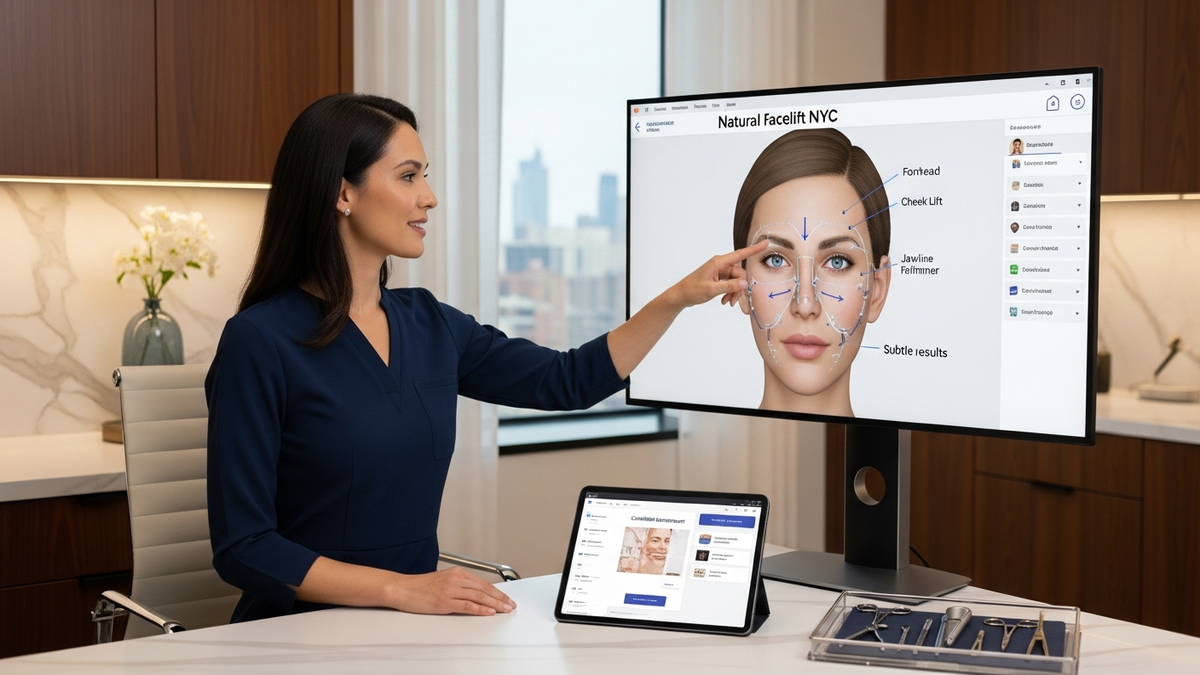
A natural facelift nyc approach focuses on harmony. Rather than chasing one-dimensional tightness, a surgeon considers facial aging as a 3D problem involving:
- Skin quality (thickness, elasticity, texture)
- Underlying support (ligaments, SMAS/SMAS-like layers, fat distribution)
- Volume changes (loss of fullness in cheeks, temples, and midface)
- Gravity and aging vectors (where tissues descend over time)
- Neck aging (jowls, platysmal banding, submental fullness)
When these factors are addressed thoughtfully, the result often looks smoother, more rested, and more contoured—without the “wind-tunnel” effect people fear.
Why Results Can Look Natural or Not: The Key Differences
Two people can have the same incision pattern and still end up with very different results. Natural outcomes usually reflect:
1) Surgical planning based on anatomy—not templates
Surgeons who consistently deliver natural results typically begin with a detailed facial analysis. They may assess tissue descent, skin laxity, jawline definition, and how the face moves when you smile or clench.
2) Respect for facial movement and expression
Facial muscles and nerves are critical. A “natural” facelift should preserve expression and avoid stiffness. The goal is youthful motion, not a frozen look.
3) Balanced tension and vector-based tightening
Natural facelifts often use tension strategies that lift and reposition tissues in a way that mirrors youthful support. This helps the face look refreshed rather than pulled.
4) Thoughtful neck rejuvenation
A common reason facelifts look less natural is inadequate neck correction. The neck is visible in most lighting and angles—especially in photos and social settings. A natural outcome blends the jawline into the neck smoothly.
Who Is a Good Candidate for a Natural Facelift?
Many people are candidates for a facelift when they’re experiencing:
- Sagging skin along the jawline and cheeks
- Deepening nasolabial lines or visible jowls
- Neck laxity, platysmal banding, or a less defined jaw-neck transition
- Loss of youthful facial contours
That said, not everyone needs a full facelift. Some patients benefit more from targeted procedures such as blepharoplasty for eyelids, a brow lift for forehead/eyebrow position, or selective volume restoration. Others may have a combination plan designed to achieve a cohesive, natural look.
Natural Facelift vs. Other Rejuvenation Options
If you’re exploring natural facelift nyc results, it helps to understand where a facelift fits among other facial plastic procedures.
Facelift (Face Lift)
A face lift is a cosmetic procedure that raises and tightens the skin and tissue on the face and neck to provide a seemingly younger appearance. Many patients who have sagging or wrinkled skin on their face and neck opt for this procedure because it can drastically reverse the signs of aging. The most natural results usually come from addressing both the face and neck as part of a single, balanced plan.
Neck Lift
The neck is one of the first areas to show aging. A neck lift tightens or eliminates sagging neck skin and helps refine the jawline-to-neck transition.
Submental Liposuction
For localized fat deposits under the chin and along the jawline, submental liposuction can create a sharper, more defined contour. In some plans, it complements a facelift or neck lift for improved harmony.
Brow Lift
A brow lift can elevate the eyebrows, reduce forehead wrinkles, and soften frown lines. When brow position is off, it can make the upper face look tired—even if the cheeks and jawline look good.
Blepharoplasty
Excess upper eyelid skin or under-eye puffiness can make someone look older or less rested. Blepharoplasty may be a valuable complement to facelift surgery because it improves the “frame” of the face.
How Surgeons Create “Youthful Contours” (Not Just Tight Skin)
Natural facelifts tend to restore the architecture of the face. While techniques vary by surgeon and patient anatomy, the overarching principles often include:
- Repositioning deeper tissues to re-establish youthful support
- Refining the jawline and cheek contours so the face looks smoother, not stretched
- Blending transitions between the cheek, jaw, and neck
- Preserving natural texture by avoiding overly aggressive skin tension
It’s also worth noting that “natural” can mean different things for different people. Some patients want subtle improvement; others want a more noticeable but still believable change. A skilled surgeon will help you translate your goals into a realistic surgical plan.
What to Expect During Your Consultation
If you’re considering a natural facelift nyc consultation, come prepared to discuss your history and goals. Expect the process to include:
Facial analysis and goal-setting
Your surgeon should evaluate your skin laxity, facial fat distribution, and the degree of jowling or neck banding. They should also talk through what you want to change—while explaining what can and cannot be reliably improved with surgery.
Review of medical history
Be ready to discuss:
- Current medications and supplements
- Previous cosmetic procedures
- Smoking history (including vaping)
- Any conditions that affect healing
Discussion of risks and recovery
Every surgery carries risk. A trustworthy surgeon provides an honest overview of potential complications and sets expectations for swelling, bruising, and downtime.
Photos and individualized planning
High-quality surgical planning often includes standardized photographs and detailed mapping of the surgical approach. This is a key part of achieving predictable, natural-looking results.
Recovery Timeline: Planning for a Natural Look
Even when surgery goes perfectly, your face will change during healing. A natural facelift timeline often includes:
- First 1–2 weeks: swelling and bruising are most noticeable; many people keep social plans light
- Weeks 3–6: swelling decreases; contour definition improves
- Months 2–3: final texture and tightening effects become clearer
To support natural results, follow your surgeon’s instructions closely—especially those related to activity restrictions, sleep positioning, wound care, and medication guidance.
How to Choose the Right Surgeon for Natural Facelift Results
Choosing a surgeon is the most important decision you’ll make. Here’s a practical checklist tailored to anyone searching for natural facelift nyc outcomes:
1) Look for facial plastic expertise
Facelift surgery is specialized. Ideally, select a surgeon who focuses on facial plastic and reconstructive surgery of the head and neck. This depth of training often matters for aesthetic nuance and safety.
2) Verify board certification and fellowship training
Board certification and advanced training are good indicators of commitment to quality and ongoing clinical standards. For example, Dr. Hootan Zandifar is a Double Board Certified and Fellowship Trained facial plastic and reconstructive surgeon, with a background in head and neck surgery and facial plastic surgery.
3) Ask about their approach to “natural”
Use direct questions:
- How do you plan lifts to avoid a pulled look?
- How do you address the neck and jawline for seamless blending?
- How do you tailor the plan to skin quality and facial movement?
4) Review results critically
When reviewing before-and-after photos, look for:
- Natural jawline transitions
- Balanced cheek contours
- Minimal signs of stiffness
- Consistency across different angles and lighting
5) Evaluate patient education and communication
Natural outcomes often come from alignment—when you and your surgeon share the same definition of “youthful.” A surgeon who emphasizes education and honest guidance can help you make a well-informed decision.
A Note on Complementary Procedures
Many patients pursuing natural facelift nyc goals find that a combination plan creates the most believable transformation. Depending on your anatomy, your surgeon may recommend:
Eyelid rejuvenation (Blepharoplasty)
If your eyelids make you look tired, Blepharoplasty can restore a more open, rested look.
Brow elevation
A brow lift can soften forehead lines and improve the position of the eyebrows.
Rhinoplasty (when facial balance is the goal)
Some patients seek nose refinement to improve overall facial harmony. If you’re considering nose surgery, explore Rhinoplasty to understand how facial proportion can be addressed alongside other rejuvenation goals.
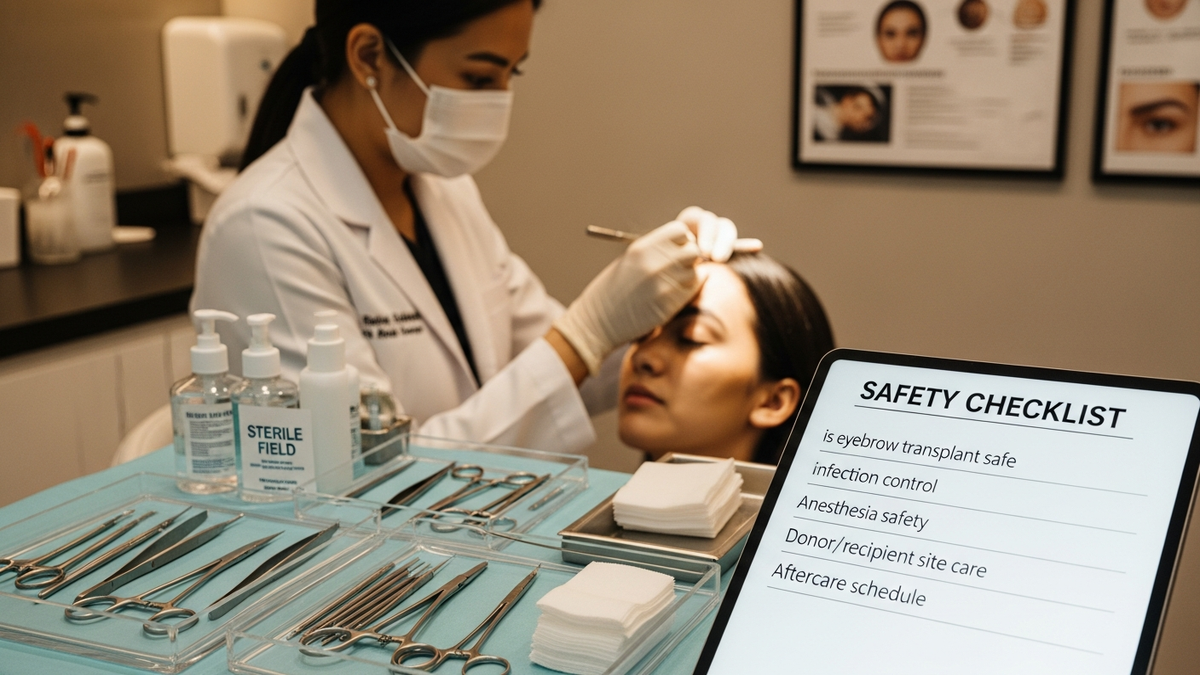
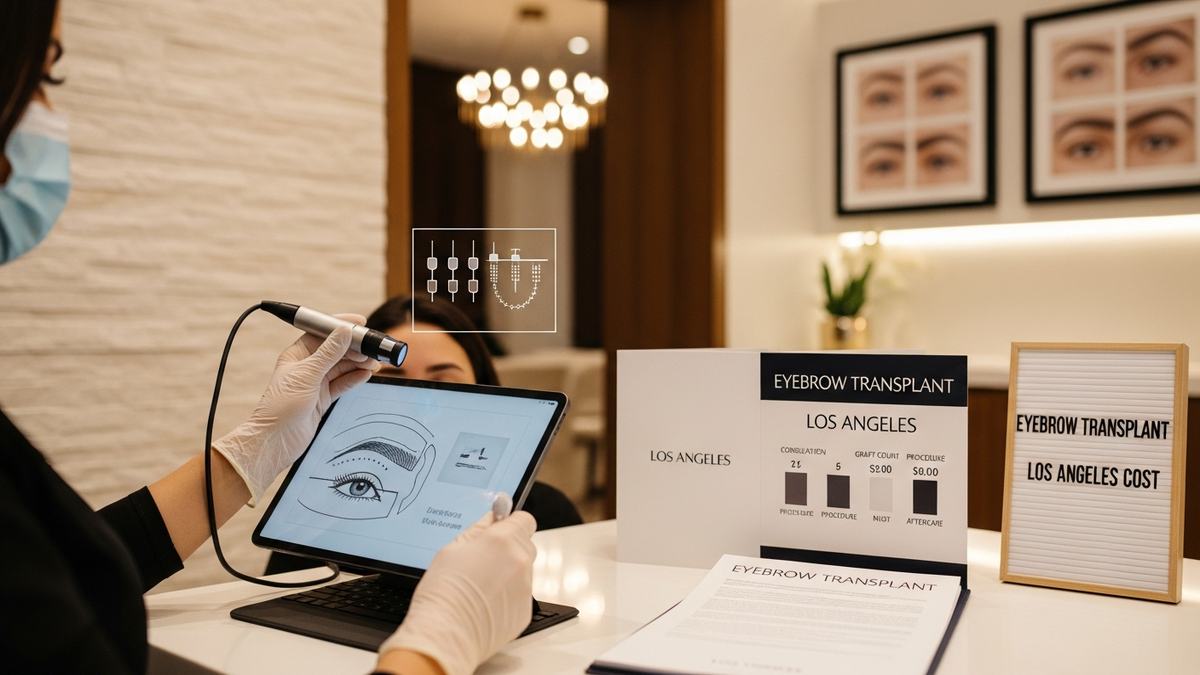
Eyebrow restoration (eyebrow transplant)
For patients with eyebrow thinning or loss, an eyebrow transplant can restore a key facial frame—supporting a more natural, youthful expression.
Natural Facelift NYC and Functional Considerations
While a facelift focuses on external aging, some patients also have functional issues—particularly related to breathing and chronic congestion. Dr. Hootan Zandifar specializes in head and neck procedures and may offer functional nasal options when symptoms exist.
If you experience chronic nasal obstruction, you may be dealing with structural contributors such as a deviated septum or enlarged turbinates. In appropriate cases, Septoplasty can improve airflow. If you’re specifically dealing with a Deviated Septum, asking about septal correction may help address breathing quality alongside cosmetic goals.
For patients who want both aesthetic refinement and improved function, a surgeon who understands the head-and-neck region holistically can be a meaningful advantage.
Common Questions About Natural Facelifts
Below are answers to frequently asked questions we see from people researching natural facelift nyc options.
Will a natural facelift look different from my current face?
It should. A natural facelift is designed to improve aging changes—often noticeably—while preserving your identity. Think “restored youthfulness,” not “new face.”
How long do natural facelift results last?
No facelift stops aging permanently, but results can be long-lasting. How long they remain ideal depends on skin quality, lifestyle factors (sun exposure, smoking), and the specifics of your procedure plan.
Is a full facelift always necessary?
Not always. Some patients may benefit from targeted procedures or a limited approach depending on where laxity and volume changes are most prominent.
What can I do to support recovery?
Follow your surgeon’s guidance on activity limits, wound care, sleep positioning, nutrition, and medication management. Avoid smoking and manage chronic conditions to support healing.
Actionable Preparation Checklist (Before Your Natural Facelift)
Use this checklist to prepare for a smoother process and more confident decision-making:
- Write down your top goals (e.g., “less jowling,” “more defined jawline,” “less neck laxity”).
- Bring a medication list (including supplements and herbal products).
- Plan your recovery support—someone to assist with transportation and daily needs during the early phase.
- Review your “natural” definition with your surgeon using specific examples or photo references.
- Ask about scar visibility and how incisions are placed to support natural blending.
- Discuss realistic timelines for swelling and final results.
If you also have hair concerns and are considering a hair transplant as part of your overall confidence plan, you may want to explore options such as hair transplant services—especially if thinning affects your self-image and facial framing.
Why Education and Honest Guidance Matter
Natural results are not only technical—they’re relational. When patients feel informed, they can make decisions aligned with their anatomy and expectations. Dr. Hootan Zandifar is known for an honest, trustworthy, and compassionate approach, emphasizing patient education and providing the information needed to make well-informed choices.
In addition, a surgeon who focuses on the head and neck can offer a cohesive understanding of facial aesthetics and functional anatomy—an advantage when multiple concerns overlap.
CTA: Ready to Explore Your Natural Facelift Plan?
If you’re searching for natural facelift nyc results, consider scheduling a consultation to discuss your goals, anatomy, and the most appropriate plan for subtle, youthful restoration. You can also learn more about facial rejuvenation options through resources like Facelift and related facial procedures.
Next step: Book a consultation, bring your questions, and ask how your surgeon creates natural results through individualized planning, balanced tension, and seamless face-and-neck rejuvenation.
Related FAQ
How do I know if I’m getting a “natural” facelift or an overly tight result?
Ask how the surgeon plans facial vectors and neck blending to preserve expression and avoid stiffness. Review results from multiple angles and lighting, and look for smooth jawline transitions rather than exaggerated tension.
What’s the difference between a facelift and a neck lift?
A facelift addresses aging in the face and often the neck, while a neck lift focuses primarily on neck laxity and defining the jaw-neck transition. Many patients benefit from a combined approach.
Can I combine a natural facelift with eyelid surgery?
Yes. Many patients choose blepharoplasty alongside facelift procedures to improve the upper face and create a cohesive, refreshed look.
What should I ask during my consultation for a natural facelift?
Ask about individualized planning, how the surgeon addresses the neck/jawline, how they preserve facial movement, and what recovery timeline you should expect.
Do functional nasal procedures ever affect cosmetic planning?
They can. If you have chronic obstruction or structural issues like a deviated septum, addressing function may improve overall quality of life and may be discussed alongside cosmetic goals when appropriate.
Professional Disclaimer
This content is provided for general educational purposes only by FlowGeniQ Digest. It is not a substitute for professional advice, diagnosis, or treatment. Readers are advised to consult qualified professionals for personalized recommendations.
Medical Information Disclaimer
This content is provided for general educational purposes only by FlowGeniQ Digest. It is not a substitute for professional advice, diagnosis, or treatment. Readers are advised to consult qualified professionals for personalized recommendations.