Source inspiration: This article is written for FlowGeniQ Digest and grounded in facial plastic and reconstructive principles focused on natural-looking outcomes—especially in the head and neck.
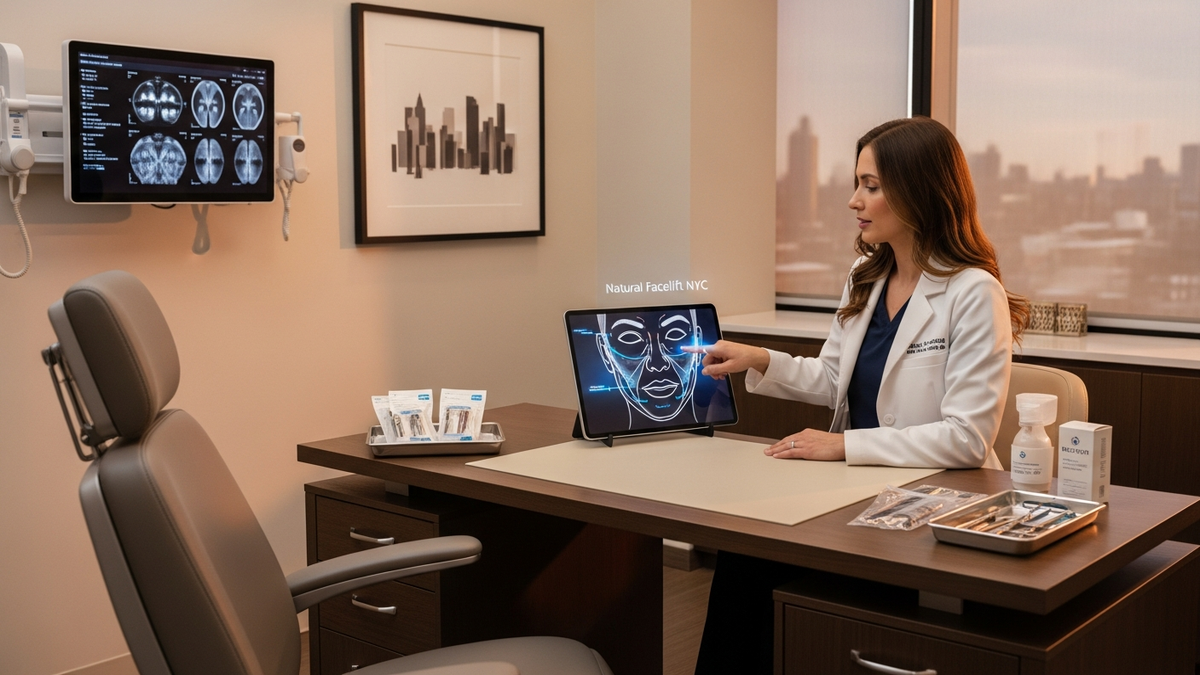
Looking for a natural facelift NYC solution? You’re not alone. Many people want a refreshed, younger appearance that still looks like them—just with smoother skin, improved facial balance, and fewer visible signs of aging. The challenge is that “natural” isn’t a single technique; it’s a thoughtful combination of surgical planning, precise tissue handling, and realistic expectations about what can (and can’t) be changed.
In this guide, we’ll cover what a natural facelift typically involves, who may be a good candidate, how recovery works, potential risks, and how to choose a qualified facial plastic surgeon who prioritizes subtle, harmonious results.
What “Natural Facelift” Really Means in NYC
A natural facelift is designed to restore youthful contours without looking “done.” In practice, that usually means:
- Balanced lifting of the face and, when appropriate, the neck—so the jawline and midface look proportionate.
- Conservative skin redraping rather than excessive tightening that can create an artificial look.
- Respect for facial movement so expressions remain natural after healing.
- Attention to aging patterns (not everyone ages the same). Some people need more midface support; others mainly need neck definition.
- Strategic adjuncts when warranted, such as blepharoplasty for eyelid aging or neck lift refinements.
Natural results come from planning, not just technique
Two patients can both “want a facelift,” yet one may need a more targeted approach for sagging in the lower face, while another may benefit from combined procedures to address eyelids or brows. A natural outcome often requires a personalized plan based on facial anatomy, skin quality, degree of laxity, and prior procedures.
Natural Facelift NYC: Common Goals Patients Want
People seeking a natural facelift NYC consultation typically want one or more of the following:
- Less visible jowling and improved jawline definition
- Smoother nasolabial lines (to the extent they’re related to tissue descent)
- Tighter-looking neck with reduced banding/sagging
- Restoration of facial volume and contour (sometimes via surgical repositioning; sometimes via other modalities depending on your case)
- More youthful eye area when combined with Blepharoplasty
Facelift vs. other anti-aging options
Not everyone needs surgery. Some patients benefit from non-surgical skin rejuvenation, while others need structural support. A qualified surgeon can help determine whether your concerns are primarily skin-related, muscle/ligament-related, or volume-related.
Face Lift Basics: What the Procedure Typically Involves
A face lift is a cosmetic procedure that raises and tightens skin and underlying tissue on the face and neck to create a more youthful appearance. Many patients choose it when they notice sagging or wrinkled skin that has progressed over time.
In a natural approach, the surgeon aims to reposition tissues in a way that restores youthful contours while minimizing visible scarring and avoiding an overly pulled look.
Where the lift happens (and why it matters)
Facial aging often involves descent of soft tissues. A natural facelift plan typically addresses:
- Lower face changes (jawline/jowls)
- Neck laxity and definition (sometimes via a targeted neck lift strategy)
- Midface support when needed for balanced proportions
If you’re also considering other head-and-neck rejuvenation strategies, it can be helpful to review how different procedures complement each other. For example, some patients combine lower facial rejuvenation with eye rejuvenation for a more cohesive result.
Who Is a Good Candidate for a Natural Facelift?
Ideal candidates for a natural facelift typically have:
- Visible aging such as sagging skin in the lower face and/or neck
- Good overall health and realistic expectations
- Skin elasticity that can respond to repositioning and redraping
- Concerns that are structural (tissue descent and laxity) rather than purely superficial
Common reasons people are not ideal candidates
Some individuals may be advised to delay surgery or explore alternatives if they have:
- Uncontrolled medical conditions that increase surgical risk
- Unrealistic expectations (for example, expecting a facelift to “erase” all wrinkles without additional treatments)
- Skin concerns that are primarily pigment/texture-based and may respond better to non-surgical options
How to Choose a Surgeon for Natural Facelift NYC Results
Choosing the right specialist is the most important step toward achieving a natural outcome. When evaluating providers, look for evidence of:
- Facial plastic expertise (not just general cosmetic surgery)
- Board certification and relevant fellowship training
- Natural-looking case examples that match your goals and facial anatomy
- Honest patient education about what can be improved and what won’t
- A personalized approach rather than a one-size-fits-all plan
Ask these questions during your consultation
- What does “natural” mean to you? Ask how they define a natural result and how they plan to achieve it.
- Which areas are you targeting? Face, neck, midface, eyelids, brows—get clarity on the surgical map.
- What technique will you use and why? The best surgeons explain the rationale in plain language.
- How do you minimize visible scarring? Ask about incision placement and healing expectations.
- What are the risks in my specific case? Your medical history and anatomy matter.
Why head-and-neck specialization can matter
Facial aesthetics are tightly connected to head-and-neck anatomy. Surgeons who focus on head and neck often bring a deeper understanding of facial structure, function, and symmetry—supporting results that look natural and feel comfortable.
For readers comparing facial procedures across regions, it may help to note that some specialists offer both cosmetic and reconstructive expertise for the head and neck. For example, Dr. Hootan Zandifar (board certified in Facial Plastic Surgery and Otolaryngology/Head and Neck Surgery) focuses on head-and-neck surgeries with an emphasis on natural-looking outcomes and patient education—principles that are central to achieving a natural facelift result.
Natural Facelift NYC Recovery: Timeline and What to Expect
Recovery varies by person and by the exact extent of surgery. Still, most natural facelift patients can expect a phased healing process:
First week
- Swelling and bruising are common, often most noticeable in the first several days.
- Dressings/support may be used to protect the surgical sites.
- Activity restrictions help reduce swelling and support healing.
Weeks 2–4
- Swelling typically begins to improve more noticeably.
- Some patients feel more comfortable returning to normal routines (as advised by their surgeon).
- Visible bruising often continues to fade.
Months 2–3 and beyond
- Contours continue to refine as tissues settle.
- Final aesthetic results may take several months to fully emerge.
Recovery tips that support natural results
- Follow post-op instructions closely (sleep position, wound care, activity limits).
- Attend follow-up visits so your surgeon can monitor healing and address concerns early.
- Manage swelling using approved techniques (as directed by your care team).
- Avoid smoking and nicotine products, which can impair healing.
Risks and Potential Side Effects of a Natural Facelift
All surgery has risks. A natural facelift isn’t about eliminating risk—it’s about selecting an experienced surgeon and following best practices to reduce complications.
Common or possible risks
- Swelling and bruising (expected in many cases)
- Temporary numbness or altered sensation
- Asymmetry during healing (often improves over time)
- Scarring (usually fades; incision placement matters)
- Infection or delayed wound healing (uncommon, but possible)
- Blood clots (rare; your surgeon will assess risk factors)
Your surgeon should review your personal risk profile and explain how they mitigate complications. A reputable clinic will also provide clear guidance on when to contact them after surgery.
Natural Results Often Involve Thoughtful Combination Procedures
Many patients want a cohesive rejuvenation plan rather than isolated changes. While not everyone needs multiple procedures, a natural facelift can sometimes be enhanced by addressing adjacent areas.
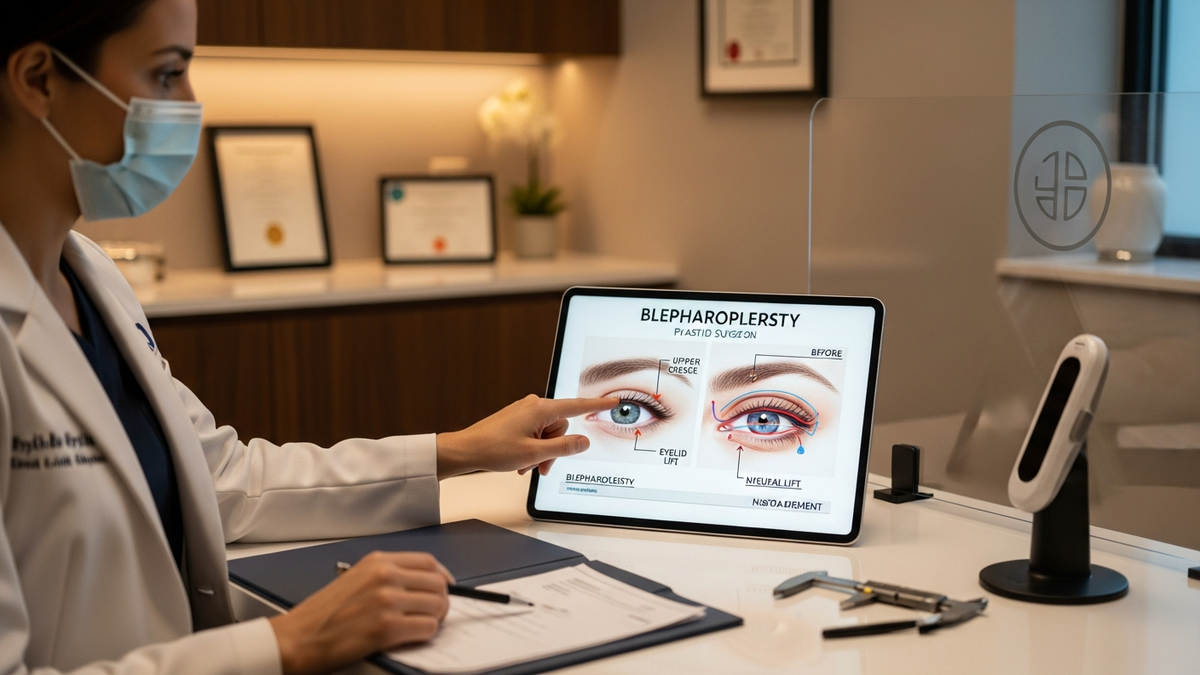
Blepharoplasty (eyelid rejuvenation)
Excess eyelid skin or puffiness under the eyes can make the entire face look more tired. Blepharoplasty may help create a more rested appearance that complements facelift outcomes.
Brow lift and forehead rejuvenation
Forehead wrinkles and brow position can affect how “open” the eyes appear. In some cases, a brow lift (also called a forehead lift/forehead rejuvenation) supports a more natural upper-face balance.
Neck lift and neck definition
The neck is a highly visible area and often shows early signs of aging. A neck lift strategy can tighten or eliminate sagging neck skin to support a younger silhouette.
Submental liposuction for localized fat
Localized fat deposits in the chin/neck/jawline can contribute to a less defined jawline. Submental liposuction can help refine contours in appropriate candidates.
Hair restoration as a “frame” for the face
For some people, hair loss affects perceived age and facial framing. If hair restoration is part of your personal aesthetic plan, options like FUE or FUT may be considered. You can explore hair restoration services via hair transplant.
Note: Hair restoration is a separate medical/surgical pathway. Discuss timing and sequencing with your providers to ensure safe recovery and optimal results.
Natural Facelift NYC vs. “Overdone” Results: How to Avoid the Pitfalls
Overly tight or aggressively redraped facelifts can look stiff, unnatural, or mismatched to the patient’s facial movement. To protect against this, emphasize:
- Subtlety: The goal is to restore youth, not create a “mask.”
- Individual anatomy: A natural plan respects your bone structure, skin thickness, and expression patterns.
- Realistic outcomes: Your surgeon should explain expected changes and limitations.
- Coordination if you’re considering other procedures (eyes, brows, neck, or even nasal surgery if breathing issues exist).
When nasal surgery enters the conversation
Some patients are also interested in nasal aesthetics or function. While a facelift focuses on the face and neck, nasal concerns can influence overall facial harmony. If you have chronic nasal congestion or structural airflow issues, a surgeon may discuss functional options such as Septoplasty and other functional nasal procedures. For aesthetic nasal changes, Rhinoplasty may be considered in the right circumstances.
Preparation Checklist for Your Natural Facelift Consultation
Being prepared helps you get more value from your visit and makes it easier to plan safely. Consider bringing:
- Photos of your face from multiple angles (front/side/relaxed and smiling)
- A list of medications and supplements you take
- Medical history (including prior surgeries and anesthesia reactions)
- Your goals (what you want to change and what you want to keep)
- Questions about techniques, recovery, and risks
Set expectations about recovery logistics
Plan for time away from work and social events. Arrange transportation for the day of surgery and have help available during the first days of recovery. Natural results are worth the healing time.
How Long Do Natural Facelift Results Last?
Facelift outcomes can be long-lasting, but aging continues. Many patients enjoy years of improvement. The longevity of results depends on:
- Skin quality and elasticity
- Degree of baseline aging
- How tissues were repositioned and how well the plan matched your anatomy
- Lifestyle factors (sun exposure, smoking, overall health)
Your surgeon may recommend ongoing skin care and sun protection strategies to preserve results.
FAQ: Natural Facelift NYC
1) What makes a facelift look natural?
A natural facelift is planned around your unique anatomy and aging pattern. It emphasizes balanced tissue repositioning, conservative skin redraping, and techniques that preserve facial movement so results don’t look overly pulled or stiff.
2) Am I too young for a natural facelift?
Age alone doesn’t determine candidacy. Some people benefit from earlier intervention when tissue laxity is advanced, while others may do better with non-surgical options. A consultation can clarify whether your concerns are structural (tissue descent) or primarily skin-related.
3) How long is the typical recovery after a facelift?
Many patients see significant improvement in bruising and swelling within 1–2 weeks, with more contour refinement over 2–3 months. Your exact timeline depends on the extent of surgery and your healing response.
4) Will a facelift remove all wrinkles and jowls?
A facelift can meaningfully improve sagging and lower-face aging, but it isn’t a cure-all for every type of wrinkle. Some concerns may require combination approaches (for example, eyelid rejuvenation with Blepharoplasty), skin-focused treatments, or volume strategies.
5) How do I know if I need a neck lift?
If you have visible neck laxity, banding, or loss of definition, a neck lift may be part of a natural facelift plan. Your surgeon will assess skin quality, tissue support, and how your jawline and neck transition in motion and at rest.
CTA: Schedule a Consultation for a Personalized Natural Facelift Plan
If you’re considering a natural facelift NYC approach, the best next step is a consultation where your goals and anatomy are reviewed in detail. A thoughtful surgeon will help you understand what you can expect, what’s optional, and how to pursue results that look like you—refreshed.
To explore facial rejuvenation options and learn about natural-looking outcomes, consider scheduling a visit with a qualified facial plastic and reconstructive specialist. If you’d like additional context on facelift planning, you can also review resources related to Facelift and complementary procedures.
Book your consultation when you’re ready—and bring your questions. The more informed you are, the more confident you’ll feel about your plan.
Professional Disclaimer
This content is provided for general educational purposes only by FlowGeniQ Digest. It is not a substitute for professional advice, diagnosis, or treatment. Readers are advised to consult qualified professionals for personalized recommendations.
Medical Information Disclaimer
This content is provided for general educational purposes only by FlowGeniQ Digest. It is not a substitute for professional advice, diagnosis, or treatment. Readers are advised to consult qualified professionals for personalized recommendations.