FlowGeniQ Digest brings you a practical, evidence-informed look at nano fat grafting under eyes—a refined approach to facial fat transfer designed to create subtle, natural-looking under-eye rejuvenation. If you’re noticing hollowness, tear-trough shadows, or a tired appearance that makeup can’t fully correct, this guide will help you understand what the procedure is, how it’s performed, and how to make smart decisions about safety and outcomes.
As with any facial procedure, the best results depend on anatomy, technique, and realistic expectations. Let’s break it down clearly—so you can discuss options confidently with a qualified, experienced facial plastic surgeon.
What Is Nano Fat Grafting Under Eyes?
Nano fat grafting under eyes is a form of autologous fat transfer (fat harvested from your own body) that is processed and placed in very small amounts to improve the appearance of the under-eye area. The “nano” concept generally refers to refined processing and micro-deposition of fat to achieve gentle contouring with less bulk and a smoother transition between the cheek and the lower eyelid.
Under the eyes, even small changes in volume, texture, and light reflection can significantly affect how youthful you look. This is why technique matters: the under-eye region is delicate, vascular, and prone to visible irregularities if fat is placed too aggressively or in the wrong plane.
Common under-eye concerns it may address
- Hollowing or tear-trough shadowing
- Volume loss that makes the under-eye look “sunken”
- Subtle contour irregularities (when appropriate for fat transfer)
- Fat redistribution as part of a broader facial rejuvenation plan
How Nano Fat Grafting Under Eyes Works (Step-by-Step)
Though protocols vary by surgeon and device, the core workflow is consistent. Most nano fat grafting procedures follow these stages:
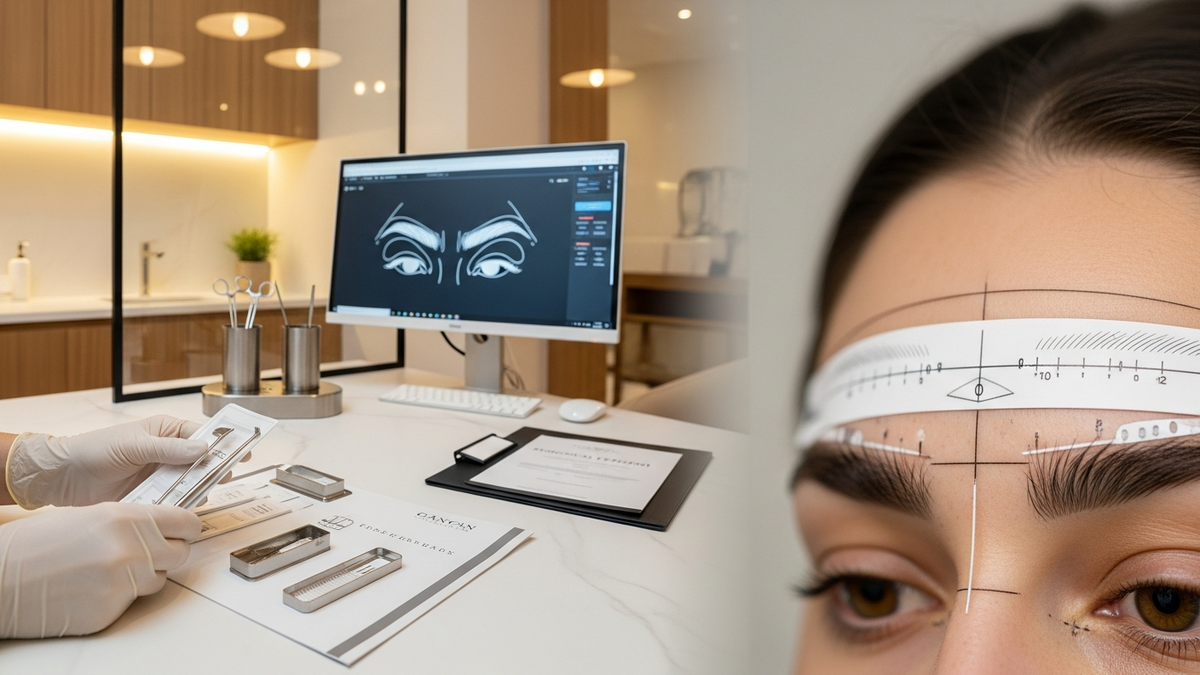
1) Consultation and facial assessment
A strong candidate has under-eye hollowness or volume deficiency that can be improved with fat transfer, while also having skin quality and eyelid-cheek anatomy that can support natural results. Your surgeon should evaluate:
- Skin thickness and elasticity
- Amount and location of tear-trough shadowing
- Lower eyelid position and support
- Fat distribution in the midface and cheek
- Any signs of laxity that may require different treatment
2) Harvesting donor fat
Fat is typically harvested from areas with excess fat (for example, the abdomen, hips, or thighs). The goal is to obtain viable fat cells while minimizing trauma.
3) Processing the fat
In nano fat grafting, processing is intended to improve cell viability and allow micro-aliquot placement. Your surgeon may use specialized filtration, centrifugation, or other processing techniques. The details matter because they influence how much of the transferred fat survives.
4) Micro-deposition under the eyes
The surgeon places small amounts of processed fat strategically to restore gentle volume where needed. Under-eye placement is typically executed with precision to avoid overfilling, irregularities, or unwanted contour changes.
5) Recovery and follow-up
Swelling and bruising are common early on. Over time, some of the transferred fat may be reabsorbed, while the surviving portion integrates and becomes more stable. Follow-up visits allow your surgeon to monitor healing and guide any next steps.
Expected Results: What “Natural-Looking” Really Means
One of the most important aspects of nano fat grafting under eyes is that it’s designed for subtle, layered improvement—not dramatic reshaping. Many patients seek a refreshed, less tired look by softening hollows and improving the smoothness of the under-eye transition.
Timeline for improvement
While individual recovery varies, a typical pattern is:
- First 1–2 weeks: swelling, bruising, and mild unevenness may be visible
- Weeks 3–6: swelling decreases; early contour changes become clearer
- Months 2–6: final integration and stabilization of transferred fat may continue
- Up to 6–12 months: longer-term settling can refine results
Fat survival and why you may need touch-ups
Because fat is living tissue, not all transferred volume survives. Survival depends on factors such as technique, processing, vascular conditions, and your body’s healing response. Many surgeons plan for this reality by aiming for a conservative restoration and discussing the possibility of staged enhancement.
How long results can last
Results often last longer than temporary fillers when fat survival is good, but longevity is not guaranteed. Age-related changes can continue, and weight fluctuations may affect the overall facial balance.
Who Is a Good Candidate for Nano Fat Grafting Under Eyes?
Eligibility is not just about having under-eye hollowness. It’s about having the right anatomy and skin support to achieve safe, harmonious results.
Potential good candidates
- Adults with tear-trough hollowness or midface volume loss
- Patients who prefer autologous tissue (their own fat) rather than synthetic fillers
- People seeking subtle contouring rather than major structural correction
- Those who understand that results may evolve over months
When it may not be the best option
Some under-eye issues are better addressed by other treatments, such as:
- Significant lower eyelid laxity or bulging
- Skin quality concerns that require resurfacing or tightening
- Prominent fat pads or structural changes
In these situations, a surgeon may recommend blepharoplasty or a combined approach. If you’re evaluating options, it’s helpful to understand how eyelid surgery can complement or substitute fat grafting in specific cases. For more information, you can review Blepharoplasty.
Nano Fat Grafting Under Eyes vs. Dermal Fillers vs. Blepharoplasty
Comparing options helps you set expectations and choose the safest, most appropriate path.
Fat grafting vs. fillers
- Source of material: fat comes from your body; fillers are injected substances
- Longevity: fat may last longer but survival varies; fillers often have predictable but finite duration
- Integration: fat can integrate biologically; fillers do not “become your tissue”
- Variability: fat survival may require staged treatment; fillers can often be adjusted in smaller increments
Fat grafting vs. blepharoplasty
Blepharoplasty targets eyelid structure—excess skin, fat bulges, and/or laxity. Fat grafting targets volume deficiency and contour transition. Sometimes they’re combined for a balanced outcome.
In many practices, surgeons evaluate whether your under-eye appearance is primarily a volume issue, a structural issue, or both.
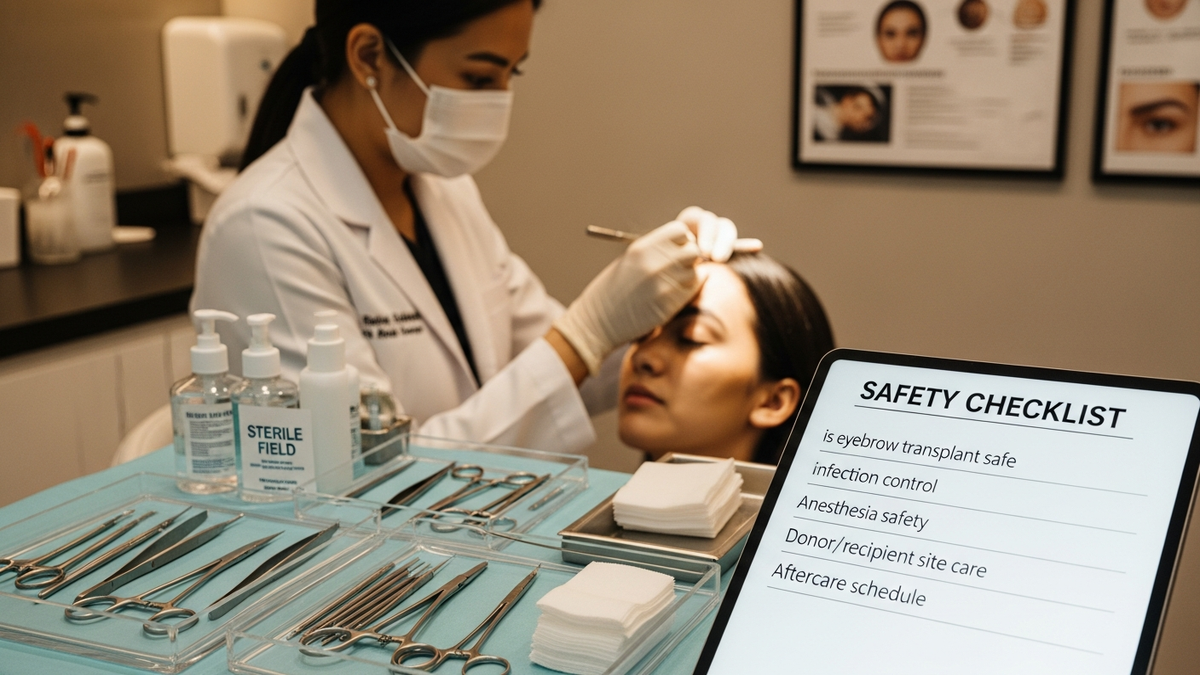
Safety, Risks, and Side Effects
Any procedure involving tissue harvesting and placement carries risks. A reputable surgeon will discuss potential complications and how they reduce risk through careful planning.
Common temporary side effects
- Swelling and bruising
- Redness and tenderness
- Small lumps or unevenness early on (often improves as healing progresses)
- Dryness or mild irritation around injection/harvest sites
Potential risks (rare, but important to understand)
- Asymmetry or contour irregularities
- Fat necrosis (fat cells that don’t survive, potentially forming firm areas)
- Infection or delayed healing
- Scarring at harvest sites
- Persistent swelling or prolonged recovery
Under-eye anatomy is complex. That’s why choosing an experienced facial plastic surgeon—someone who routinely performs head and neck cosmetic/reconstructive work—is essential for safe technique and realistic planning.
Preparing for Nano Fat Grafting Under Eyes
Preparation can improve comfort, reduce complications, and support optimal healing. Your surgeon will provide individualized instructions, but here are common, actionable steps:
Before your procedure
- Review your medical history (especially bleeding disorders, autoimmune conditions, and prior surgeries)
- Discuss medications and supplements—some can affect bruising or healing
- Follow pre-op guidance on fasting, hydration, and skin care
- Plan transportation and time off for early recovery
- Set expectations for staged results and the healing timeline
What to avoid
- Smoking (if applicable) due to its impact on circulation and healing
- Non-prescribed medications that increase bleeding risk
- Intense exercise immediately before/after as directed by your surgeon
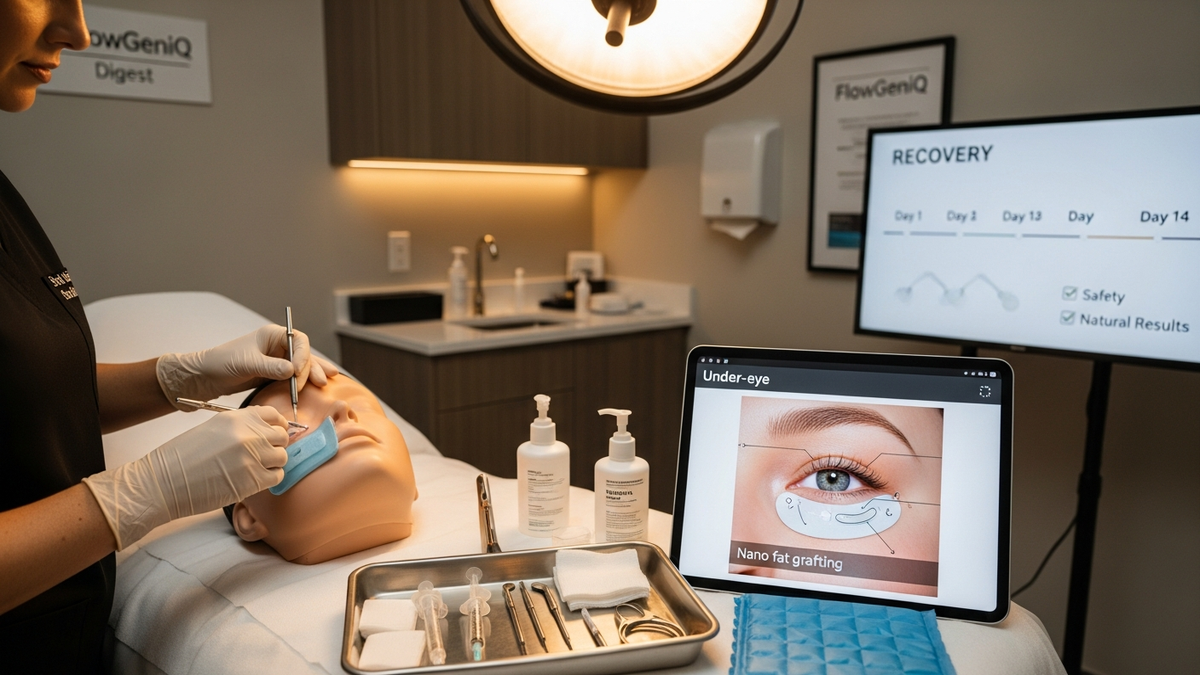
Recovery Guide: What to Expect After Nano Fat Grafting Under Eyes
Recovery is often the part patients underestimate. Under-eye procedures can involve noticeable swelling, and patience matters.
First 72 hours
- Swelling and bruising typically peak early
- Cold compresses may be recommended (follow your surgeon’s instructions)
- Sleep with your head elevated to help reduce swelling
Days 4–14
- Bruising usually improves significantly
- Some tightness or mild tenderness is common
- Most patients can return to light activities depending on comfort and surgeon guidance
Weeks 2–6
- Contour becomes more apparent
- Any early irregularities often soften
- You may be advised to avoid massage or pressure unless your surgeon specifically recommends it
Months 2–6 and beyond
- Results continue to refine as fat integrates and swelling resolves
- If additional volume is needed, your surgeon may discuss whether a staged approach is appropriate
Choosing a Surgeon: The Questions That Matter Most
Your surgeon’s experience is one of the biggest predictors of safe, natural results. When considering nano fat grafting under eyes, ask targeted questions:
Credentials and approach
- How many under-eye fat grafting cases do you perform annually?
- What technique and processing method do you use for nano fat grafting, and why?
- How do you determine whether fat transfer vs. blepharoplasty is best?
- Do you use a conservative, layered strategy to minimize overfilling?
Safety and outcomes
- What are the most common complications you see, and how do you address them?
- What does your follow-up schedule look like?
- Can you share before-and-after photos with similar anatomy to mine?
- How do you manage asymmetry or under-correction if it occurs?
Realistic expectations
- Do you anticipate needing a second session?
- What timeline should I expect for final contouring?
- How will my skin quality influence the outcome?
At FlowGeniQ Digest, we emphasize patient education as a cornerstone of good outcomes. A trustworthy practice will explain the “why” behind technique choices and guide you toward the safest option—not just the most popular one.
Personalized Treatment Planning: When Combination Care Makes Sense
Under-eye aging is rarely caused by one factor. Volume loss, skin laxity, and structural changes often overlap. That’s why a personalized plan can outperform a one-size-fits-all approach.
Possible combination strategies
- Blepharoplasty for eyelid skin/fat issues, with fat grafting for contour
- Midface rejuvenation if the under-eye hollowness reflects broader support loss
- Skin-focused treatments (in select cases) to improve texture and tone
For example, if your under-eye appearance is driven by eyelid changes, reviewing Blepharoplasty can help you understand how structural correction may change the overall look before considering volume restoration.
Living with Your Results: Aftercare and Lifestyle Tips
While surgical technique drives the initial outcome, lifestyle can influence long-term satisfaction.
Aftercare habits that support healing
- Attend all follow-ups and report concerns early
- Protect the area from excessive sun exposure as advised
- Use gentle skincare and avoid aggressive rubbing
- Follow activity restrictions to reduce swelling and bruising
Long-term maintenance
As you age, facial changes continue. Maintaining a stable weight, managing chronic conditions, and following a skin-care routine can help preserve your results. Some patients also explore complementary anti-aging strategies, including non-surgical options.
Nano Fat Grafting Under Eyes in Los Angeles: Why Local Expertise Matters
Many patients in Los Angeles seek facial rejuvenation options that feel natural and harmonious. Local expertise matters because your surgeon understands the patient population, aesthetic preferences, and the importance of subtlety in facial contouring.
Dr. Hootan Zandifar, MD, FACS—board certified facial plastic and reconstructive surgeon—focuses on advanced anti-aging techniques for head and neck rejuvenation, with an emphasis on natural-looking results and patient education. The goal is not only to “change” appearance, but to help patients feel confident in a refreshed, youthful version of themselves.
When evaluating a surgeon, prioritize those who:
- Are highly trained in head and neck cosmetic/reconstructive surgery
- Use a careful, conservative technique for under-eye fat placement
- Commit to clear communication about risks, expectations, and recovery
Related Procedures You Might See in the Same Conversation
Under-eye rejuvenation often overlaps with other facial surgeries. While these aren’t alternatives to nano fat grafting in every case, they’re commonly discussed alongside it as part of a broader facial plan.
Blepharoplasty (lower eyelid and upper eyelid)
Blepharoplasty can address excess skin and puffiness. If your under-eye concern includes eyelid structure, it may be discussed alongside fat grafting. Learn more at Blepharoplasty.
Facelift
For patients with more generalized midface and lower face aging, a Facelift may be part of the plan. If you’re exploring broader rejuvenation options, you can read about Facelift.
Rhinoplasty (functional and aesthetic considerations)
Although rhinoplasty is not directly related to under-eye fat grafting, some patients pursue multiple facial goals. If you’re also considering nasal surgery, you can explore Rhinoplasty.
Note: These links are included to support broader patient education and do not imply that these procedures are required or appropriate for everyone considering nano fat grafting under eyes.
Frequently Asked Questions About Nano Fat Grafting Under Eyes
1) Is nano fat grafting under eyes permanent?
It can be long-lasting, but it’s not guaranteed. Some transferred fat cells survive and integrate, while others may be reabsorbed over time. Your surgeon’s technique and your healing response influence how much volume remains.
2) How soon will I see results?
You may notice early contour changes after swelling settles, often within several weeks. More refined results typically develop over months as healing progresses and the transferred fat stabilizes.
3) What are the biggest risks of under-eye fat grafting?
Risks can include asymmetry, contour irregularities, fat necrosis, infection, and prolonged swelling. A skilled surgeon reduces these risks through careful planning, precise placement, and appropriate processing of harvested fat.
4) Will nano fat grafting look puffy or uneven?
Early swelling is common and can temporarily affect appearance. Unevenness can also occur if fat placement isn’t balanced or if fat survival varies. Choosing an experienced provider and following post-op guidance helps improve the odds of smooth, natural results.
5) Who should avoid nano fat grafting under eyes?
Certain medical conditions, smoking habits, or unrealistic expectations may affect candidacy. Additionally, if your under-eye appearance is driven mainly by eyelid laxity or structural changes, blepharoplasty or other strategies may be more appropriate than fat grafting alone.
CTA: Ready to Explore Your Under-Eye Options?
If you’re considering nano fat grafting under eyes, the next best step is a consultation focused on your anatomy and goals. A thoughtful surgeon can help determine whether fat grafting is the safest route to a refreshed, natural look—or whether another treatment (such as Blepharoplasty) would better address your specific under-eye concerns.
FlowGeniQ Digest encourages you to book a personalized evaluation, bring a list of questions, and discuss your timeline and desired level of change. When you combine education with expert care, you’re more likely to achieve results that feel like you—just with a brighter, more rested appearance.
Professional Disclaimer
This content is provided for general educational purposes only by FlowGeniQ Digest. It is not a substitute for professional advice, diagnosis, or treatment. Readers are advised to consult qualified professionals for personalized recommendations.
Medical Information Disclaimer
This content is provided for general educational purposes only by FlowGeniQ Digest. It is not a substitute for professional advice, diagnosis, or treatment. Readers are advised to consult qualified professionals for personalized recommendations.