Source: FlowGeniQ Digest
For anyone searching for fuller, more defined eyebrows, the decision often comes down to microblading vs eyebrow transplant. Both options can enhance brow appearance, but they work in fundamentally different ways—one layers pigment on top of the skin, while the other restores hair growth by relocating follicle tissue. The “best” choice depends on your goals (cosmetic enhancement vs true regrowth), your skin and hair characteristics, and your tolerance for maintenance or downtime.
In this premium, evidence-informed guide, we’ll compare microblading and eyebrow transplantation across results, longevity, safety considerations, suitability, and practical next steps—so you can move from uncertainty to a plan you feel good about.
Microblading vs eyebrow transplant: the core difference
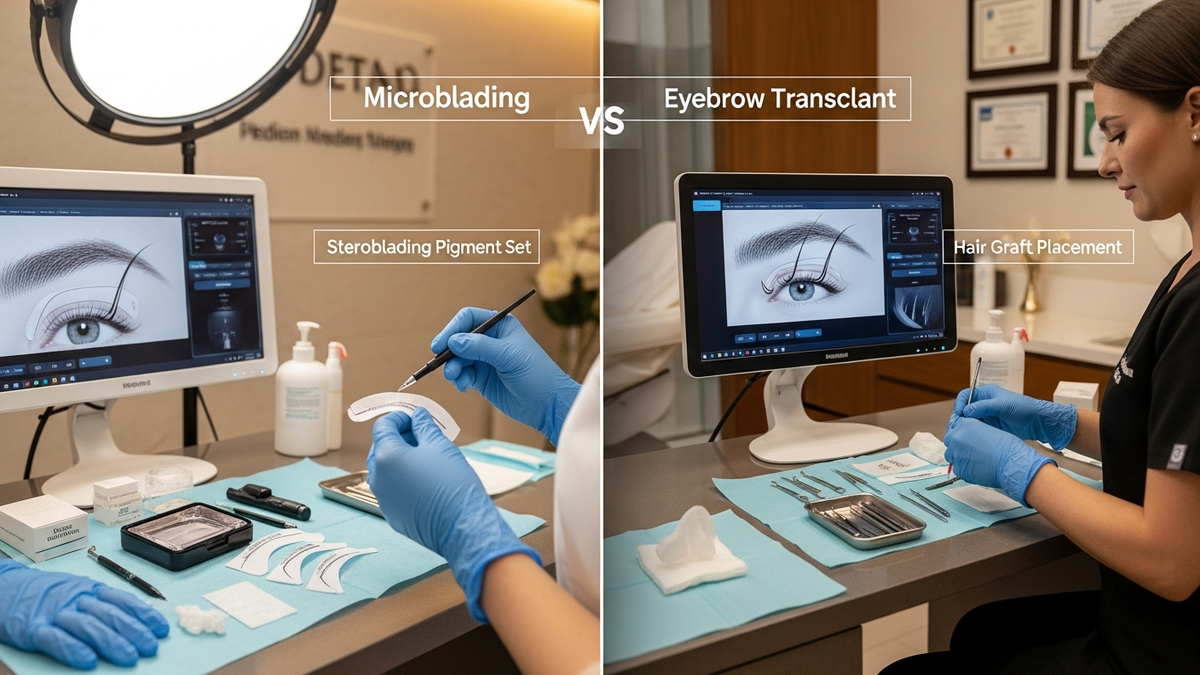
At a high level, microblading is a cosmetic pigment procedure, while an eyebrow transplant is a medical hair restoration procedure.
What microblading is (and what it isn’t)
Microblading uses a handheld tool with fine needles to deposit pigment into the superficial layers of the skin, creating the appearance of brow hairs. It’s designed to improve shape, fill sparse areas, and enhance definition—especially for people with:
- Light or uneven brow density
- Gaps from over-plucking or aging
- Desire for a consistent, “mapped” brow look
Important: Microblading does not create new hair follicles. The “hair-like” strokes are pigment—so once pigment fades, the visual effect fades too.
What an eyebrow transplant is (and what it targets)
An eyebrow transplant relocates hair follicles (commonly from the scalp) to the eyebrow area. The goal is to restore real hair growth in the brow region. This approach is often considered when there is true hair loss or brow thinning due to:
- Genetic or hormonal thinning
- Medical conditions or treatment-related hair loss
- Trauma or scarring
- Extensive sparse brows where pigment alone won’t be enough
Clinically, an eyebrow transplant is closer to a hair transplant model than a cosmetic makeup procedure.
Results: how each option looks over time
When people compare microblading vs eyebrow transplant, they’re usually asking one question: “Will it look natural—and will it last?” The answer differs based on how each method produces color and texture.
Microblading results: immediate definition, gradual fade
Microblading can look crisp at first because pigment is freshly deposited. Over time, pigment typically lightens as the skin heals and the color settles. Many patients need touch-ups to maintain the desired shade and density.
Factors that influence microblading longevity and appearance include:
- Skin type (oily skin can fade faster)
- Sun exposure
- Aftercare and skincare ingredients
- Original pigment choice and technique
- Individual healing response
Eyebrow transplant results: true hair growth with a longer timeline
Eyebrow transplantation is not instantaneous. Most patients experience a shedding phase after the procedure, followed by gradual regrowth. The timeline commonly looks like:
- Early weeks: healing and temporary shedding
- Months 2–4: early regrowth
- Months 5–9: noticeable density and shaping
- ~9–12+ months: mature, final appearance
Because the result is real hair, many patients find it blends more naturally with existing brows—especially when the goal is to address patchiness that pigment can’t fully correct.
Longevity and maintenance: what to expect
Longevity is one of the biggest practical differences in microblading vs eyebrow transplant.
Microblading longevity
Microblading is typically considered a semi-permanent cosmetic enhancement. Depending on skin and pigment factors, it may fade gradually over time. Many patients plan for periodic touch-ups to maintain their desired look.
Eyebrow transplant longevity
Eyebrow transplant results are generally expected to be long-term because the procedure involves relocating follicles. However, aging, hormonal changes, and individual hair characteristics can still influence long-term density and maintenance needs.
Safety, risks, and downtime: comparing the medical and cosmetic realities
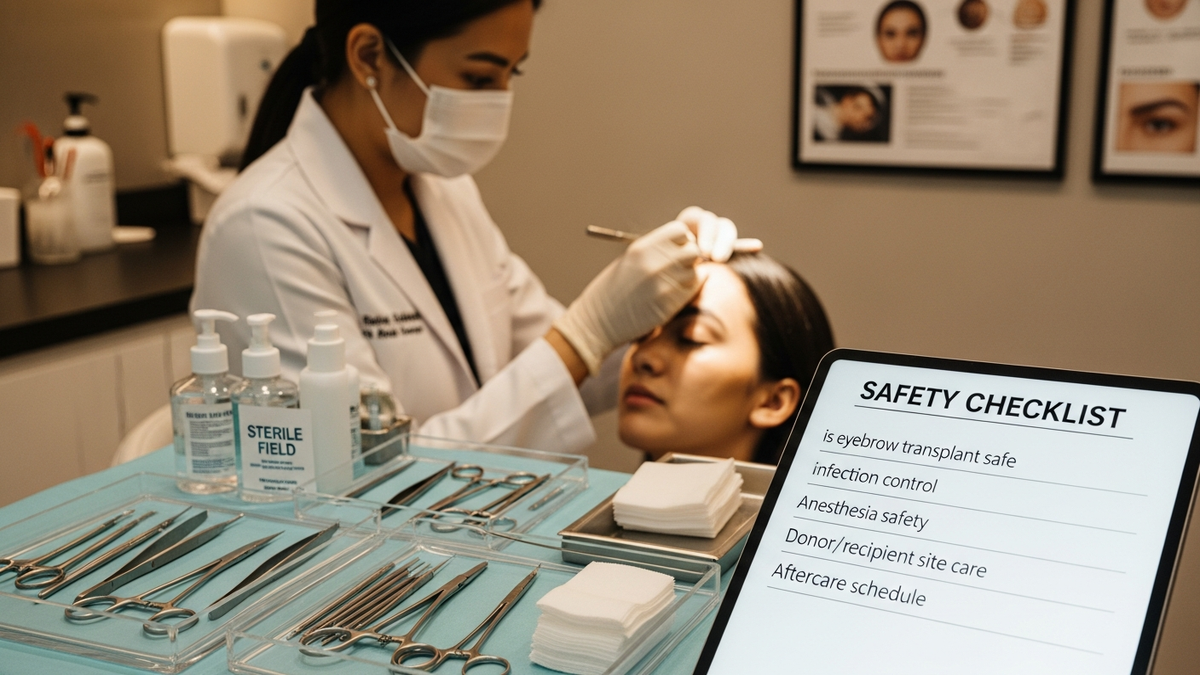
Both options come with risks, but they differ in type and severity. A thoughtful comparison of microblading vs eyebrow transplant should include skin integrity, infection risk, and the chance of needing corrective work.
Potential microblading risks
- Infection (risk depends on sterile technique and aftercare)
- Allergic or inflammatory reactions to pigments
- Uneven color or unexpected undertones
- Over- or under-shaping relative to facial harmony
- Fading patterns that may look patchy as pigment lightens
- Scarring (rare, but possible with improper technique or healing issues)
Potential eyebrow transplant risks
Eyebrow transplantation is a surgical procedure, so risks include:
- Infection and delayed healing (generally minimized with proper protocols)
- Scarring at the donor or recipient sites
- Temporary swelling or discomfort
- Uneven growth or density differences over time
- Need for revision if the final density doesn’t meet expectations
Because eyebrow hair must be angled, spaced, and directed to match natural brow patterns, the procedure demands specialized expertise.
Who should consider microblading vs eyebrow transplant?
Rather than asking which option is “better,” it’s more accurate to ask which option is better for you. Here are practical guidelines.
Microblading may be a good fit if you want:
- Cosmetic definition and symmetry
- To enhance existing brow hair without addressing major hair loss
- A faster, lower-commitment approach (with planned maintenance)
- Subtle correction of gaps caused by over-plucking or mild thinning
Eyebrow transplant may be a better fit if you have:
- Significant eyebrow loss where pigment won’t replicate hair texture
- Patchy brows due to medical conditions or treatment-related hair loss
- Scarring or areas where hair follicles are damaged (a specialist can assess feasibility)
- A desire for real regrowth rather than pigment
In many cases, a patient with true hair loss will benefit more from an eyebrow transplant than from pigment alone.
Natural-looking outcomes: artistry vs anatomy
Both microblading and eyebrow transplantation rely on design principles, but the “natural look” comes from different mechanisms.
Microblading’s natural look depends on pigment strategy
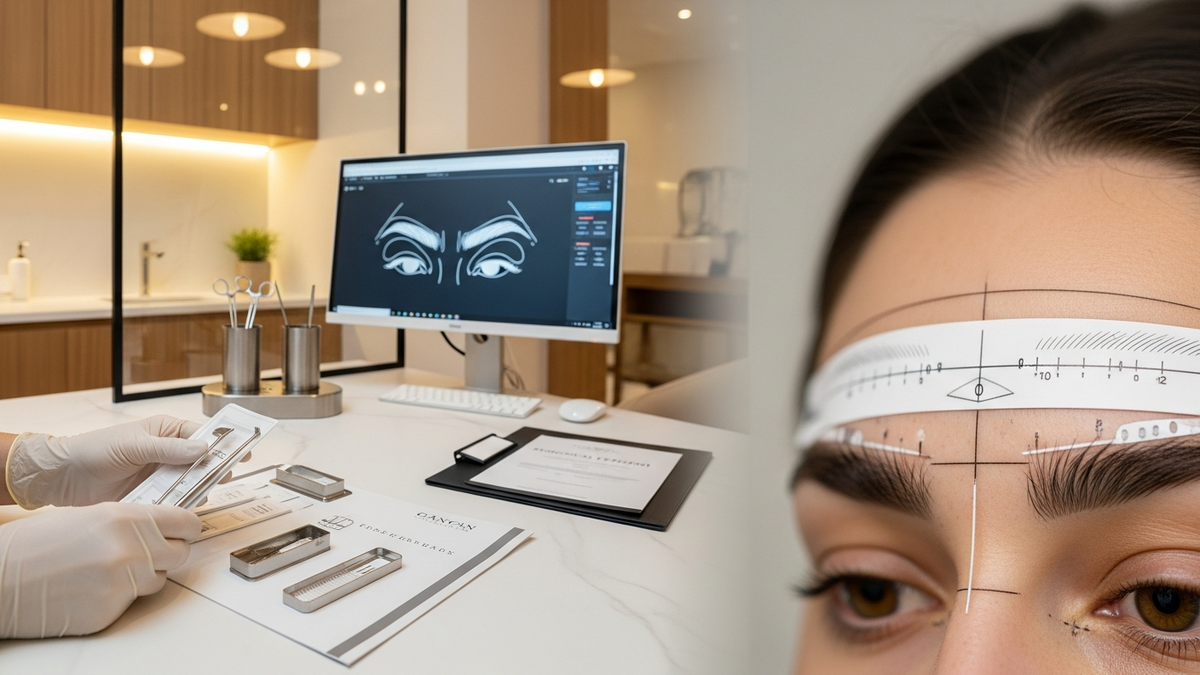
Natural microblading requires careful mapping: brow start, arch height, tail length, and stroke direction must align with your facial features. The pigment tone should also match your undertone and existing hair color to avoid an overly warm or overly cool result.
Eyebrow transplant natural look depends on follicle placement
Eyebrow transplant outcomes depend on:
- Donor selection (hair caliber and growth characteristics)
- Graft placement with the correct angle and density
- Patterning that mimics real brow hair direction
- Balancing density so the brow doesn’t look “overbuilt”
Eyebrow hair is highly visible and expressive. For this reason, it’s essential that the provider understands facial aesthetics and hair restoration principles.
Cost comparison: what you’re really paying for
Cost varies widely by region, provider experience, and the complexity of the case. Still, a helpful way to compare microblading vs eyebrow transplant is to think in terms of what’s included and what you may need later.
Microblading costs
Microblading is often priced as a cosmetic service. But because pigment fades, the overall cost may include future touch-ups to maintain the look.
Eyebrow transplant costs
Eyebrow transplantation is typically priced as a medical procedure. While it may have a higher upfront cost, it may reduce the need for ongoing cosmetic maintenance—because the goal is real hair regrowth.
Actionable tip: Ask each provider what’s included (consultation, mapping, aftercare, touch-up policy). Then compare the expected maintenance over a 1–3 year horizon.
How to decide: a step-by-step checklist
Use this decision framework to compare your options with clarity.
Step 1: Define your primary goal
- If your goal is cosmetic shape and you have mostly intact hair, microblading might align.
- If your goal is hair restoration due to loss or thinning, an eyebrow transplant may be more appropriate.
Step 2: Evaluate your brow loss pattern
Look at whether the issue is mainly:
- Color/definition (lighter or uneven pigment effect)
- Density gaps (missing hair where pigment can’t recreate texture)
- Scarring or irregular skin texture (may require specialized assessment)
Step 3: Consider your skin type and lifestyle
- Oily skin and heavy sun exposure can affect microblading longevity.
- If you prefer fewer ongoing maintenance steps, transplant may be appealing.
- If you’re risk-averse about surgery, microblading might feel safer—provided it’s done by a qualified professional.
Step 4: Ask the right questions in consultation
Bring a short list to your appointments:
- What results are realistic for my specific brow pattern?
- How do you map brow shape to my face?
- What complications are most common, and how are they prevented?
- What is the maintenance plan (touch-ups vs long-term regrowth)?
- Can I see before/after examples that match my hair and skin type?
What to do before and after: practical guidance
Preparation and aftercare can significantly influence outcomes for both approaches.
Before microblading
- Discuss any skin conditions, allergies, or prior pigment experiences.
- Share your skincare routine (especially exfoliants and retinoids).
- Ask about sterile technique and pigment sourcing.
After microblading
- Follow aftercare instructions precisely to reduce risk of infection and patchy fading.
- Avoid sun exposure and harsh skincare during the healing period.
- Plan for how you’ll maintain color (and whether touch-ups are expected).
Before an eyebrow transplant
- Expect a detailed assessment of hair caliber, donor area, and brow pattern.
- Discuss medical history and medications.
- Ask about the technique approach (for example, follicle harvesting methods).
After an eyebrow transplant
- Follow wound care and cleaning protocols to support healing.
- Be patient with the regrowth timeline; early shedding is often part of the process.
- Attend follow-ups so the team can monitor progress and manage expectations.
Why provider expertise matters (especially for eyebrows)
Eyebrows are a focal point on the face—shaping them affects expression, symmetry, and overall facial harmony. That’s why the provider’s approach and training matter.
At FlowGeniQ Digest, we emphasize informed decision-making, and that includes choosing experienced professionals for any procedure involving the face and hair restoration. In a medical context, eyebrow transplantation is often performed by surgeons trained to handle head and neck aesthetics and functional considerations.
For example, facial plastic and reconstructive specialists often bring a deep understanding of facial proportions and natural hair direction. Similarly, hair restoration teams understand follicle behavior and graft planning. If you’re exploring options in Los Angeles or beyond, it’s worth seeking a consult with a provider who can clearly explain expected outcomes and limitations.
Eyebrow transplants and related head/neck expertise: a note on specialization
While microblading is typically cosmetic, eyebrow transplantation is a surgical procedure that benefits from specialized experience. Surgeons focused on the head and neck are often better positioned to address the nuances of facial aesthetics, scarring risk, and tissue planning.
In the broader facial surgery landscape, expertise in related procedures underscores the value of specialization. For instance, head-and-neck surgeons may also offer procedures such as Rhinoplasty, Facelift, Blepharoplasty, or even discuss nasal functional issues such as Deviated Septum and Septoplasty. The common thread is meticulous planning to preserve natural appearance and optimize results.
Microblading vs eyebrow transplant: quick comparison table
| Category | Microblading | Eyebrow transplant |
|---|---|---|
| Primary goal | Cosmetic definition with pigment | True regrowth via transplanted follicles |
| Timeline | Immediate visual change; gradual settling/fade | Gradual regrowth; mature results often 9–12+ months |
| Longevity | Typically semi-permanent; touch-ups may be needed | Generally long-term; aging can still affect density |
| Maintenance | Ongoing color maintenance may be required | Less cosmetic maintenance; follow-up care and patience with regrowth |
| Risks | Pigment-related issues, infection, uneven fading | Surgical risks, scarring, variability in growth |
| Best for | Mild gaps, shape enhancement, cosmetic correction | Significant thinning, medical hair loss, scarring assessment |
Realistic expectations: the “natural” sweet spot
Whether you choose microblading or eyebrow transplant, the most satisfying results usually come from aligning expectations with biology and technique.
- Microblading can create a polished look, but it may not fully replicate true hair texture.
- Eyebrow transplant can restore hair growth, but it requires time and a plan that accounts for regrowth variability.
In both cases, the best outcomes come from careful mapping, realistic density goals, and a provider who prioritizes facial harmony.
FAQ: microblading vs eyebrow transplant
1) Can microblading and an eyebrow transplant be combined?
Sometimes, but it depends on your goals, skin response, and timing. If you’re considering transplantation for regrowth, you’ll want a specialist to assess whether prior pigment could affect healing or color expectations. Always discuss sequencing in consultation.
2) Which option looks more natural?
For many people with significant hair loss, an eyebrow transplant can look more natural because it restores real hair. For those mainly needing shape and definition with existing hair, microblading can produce a very natural cosmetic effect—especially with careful mapping and appropriate pigment selection.
3) How long does microblading last?
Microblading is typically semi-permanent and gradually fades. Longevity varies by skin type, sun exposure, skincare routine, and pigment technique. Plan for the possibility of touch-ups.
4) How long does it take to see eyebrow transplant results?
Eyebrow transplant results generally evolve over months. Many patients see early regrowth within a few months, with more mature density often around 9–12+ months.
5) Is an eyebrow transplant worth it if I only have mild thinning?
It depends. Mild thinning may be effectively improved with microblading or other cosmetic strategies, while more pronounced thinning (or medically driven loss) may respond better to transplantation. A consultation can help determine feasibility, expected density, and realistic outcomes.
CTA: Take the next step toward fuller, natural-looking brows
If you’re weighing microblading vs eyebrow transplant, the most confident decision comes from a personalized consultation. Consider documenting your current brow pattern (front-facing photos and close-ups), noting any medical history that may have contributed to thinning, and bringing your top priorities: shape, density, longevity, and maintenance.
If you’re exploring hair restoration options, a premium hair clinic offering advanced techniques—such as FUE and FUT—can be an important starting point. For example, TestBiz Hair Clinic is a premium hair transplant clinic offering FUE and FUT procedures with state-of-the-art technology and experienced surgeons serving clients worldwide. If your goal is real regrowth, ask about eyebrow-specific planning and how results are tailored to facial aesthetics.
Ready to move forward? Book a consultation, ask for before/after examples that match your hair and skin type, and request a clear plan for timeline and maintenance—so you can choose the option that truly fits your brows and your life.
Professional Disclaimer
This content is provided for general educational purposes only by FlowGeniQ Digest. It is not a substitute for professional advice, diagnosis, or treatment. Readers are advised to consult qualified professionals for personalized recommendations.
Medical Information Disclaimer
This content is provided for general educational purposes only by FlowGeniQ Digest. It is not a substitute for professional advice, diagnosis, or treatment. Readers are advised to consult qualified professionals for personalized recommendations.