For many men, eyebrows are more than facial hair—they’re structure. They frame the eyes, influence expression, and even affect how youthful or well-rested you look. When eyebrows thin from genetics, grooming habits, medical conditions, scarring, or aging, it can feel like your face has lost a key feature. That’s where a male eyebrow transplant comes in.
In this FlowGeniQ Digest guide, we’ll break down how eyebrow restoration works, who is most likely to benefit, what the procedure involves, and how to plan for results that look balanced—not “overdone.” We’ll also discuss recovery, cost considerations, and practical questions to ask your surgeon so you can move forward with clarity.
What Is a Male Eyebrow Transplant?
A male eyebrow transplant is a hair restoration procedure designed to rebuild eyebrow density, shape, and symmetry using transplanted hair follicles. The goal isn’t to create a brand-new eyebrow—it’s to restore your natural brow pattern so your facial features remain harmonious.
Most eyebrow transplants are performed using hair follicle grafts harvested from the donor area (commonly the scalp) and then placed into the eyebrow region in a way that mimics how real eyebrow hair grows: direction, angle, and thickness.
In many cases, eyebrow restoration is discussed alongside broader hair restoration planning, including a hair transplant approach when scalp donor supply and density are evaluated.
Why Men Seek Eyebrow Transplantation
Eyebrows are highly visible, and men often want subtle, believable improvements. Common reasons for seeking a male eyebrow transplant include:
- Genetic thinning (androgenetic patterns)
- Over-plucking or grooming earlier in life
- Scarring from injury, burns, or prior procedures
- Medical causes such as inflammatory skin conditions or alopecia
- Age-related loss and reduced density
- Uneven brows after trauma or uneven regrowth
Because eyebrows are a focal point on the face, technique and artistry matter. A skilled surgeon can design a brow plan that respects your anatomy and expression.
Male Eyebrow Transplant vs. Eyebrow Microblading or Fillers
Many men first consider non-surgical options like microblading, tinted brow gels, or dermal fillers. These can be effective for temporary enhancement, but they don’t address true follicle loss.
Non-surgical options
- Microblading: Adds pigment to the skin surface; can look great but may fade and may not replicate hair growth.
- Fillers: Volume and contour; results can be temporary and may require maintenance.
- Topical solutions: May help some conditions but are not the same as restoring permanent follicles.
Transplantation
- Permanent follicles: When successful, transplanted hairs can grow long-term.
- Natural growth pattern: A well-designed transplant mimics direction and angle.
- True density restoration: Especially important for men with significant thinning or patchy loss.
For men who want more than “cover-up,” a surgical approach may be the most reliable path to restoration. For more context on surgical brow restoration, see eyebrow transplant resources from a facial plastic and reconstructive perspective.
Who Is a Good Candidate for a Male Eyebrow Transplant?
The best candidates for a male eyebrow transplant typically have:
- Visible eyebrow thinning or loss that is unlikely to fully reverse with non-surgical approaches
- Stable donor hair (enough follicle supply and health)
- Realistic expectations about density, timeline, and styling
- Skin conditions that can be managed (e.g., active dermatitis should be addressed first)
- Clear goals such as restoring symmetry, filling sparse areas, or rebuilding a lost tail or arch
Not every case is ideal for transplantation. A careful evaluation considers brow anatomy, skin quality, scar characteristics, and donor supply. Sometimes the best plan is a combination approach—such as addressing other facial concerns that affect how brows are perceived (for example, eyelid or brow-lift considerations).
How a Male Eyebrow Transplant Works (Step-by-Step)
While protocols vary by clinic, a typical eyebrow transplant process includes planning, harvesting, and placement. The “art” is in the placement—direction and density determine whether the results look natural.
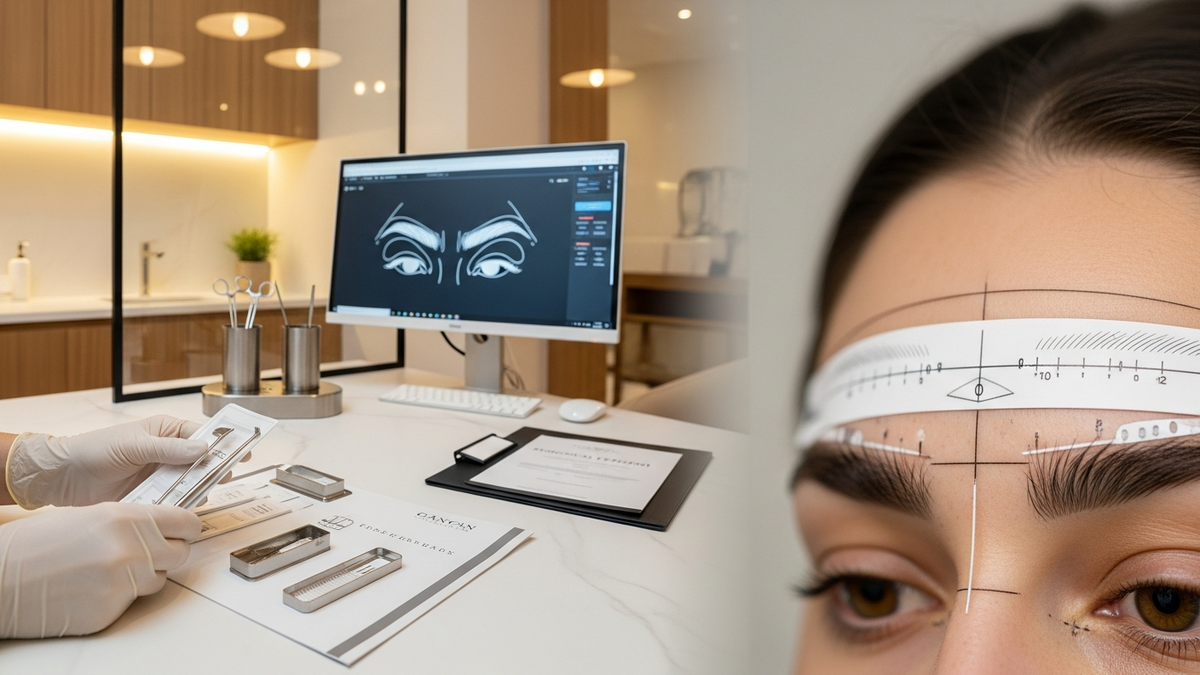
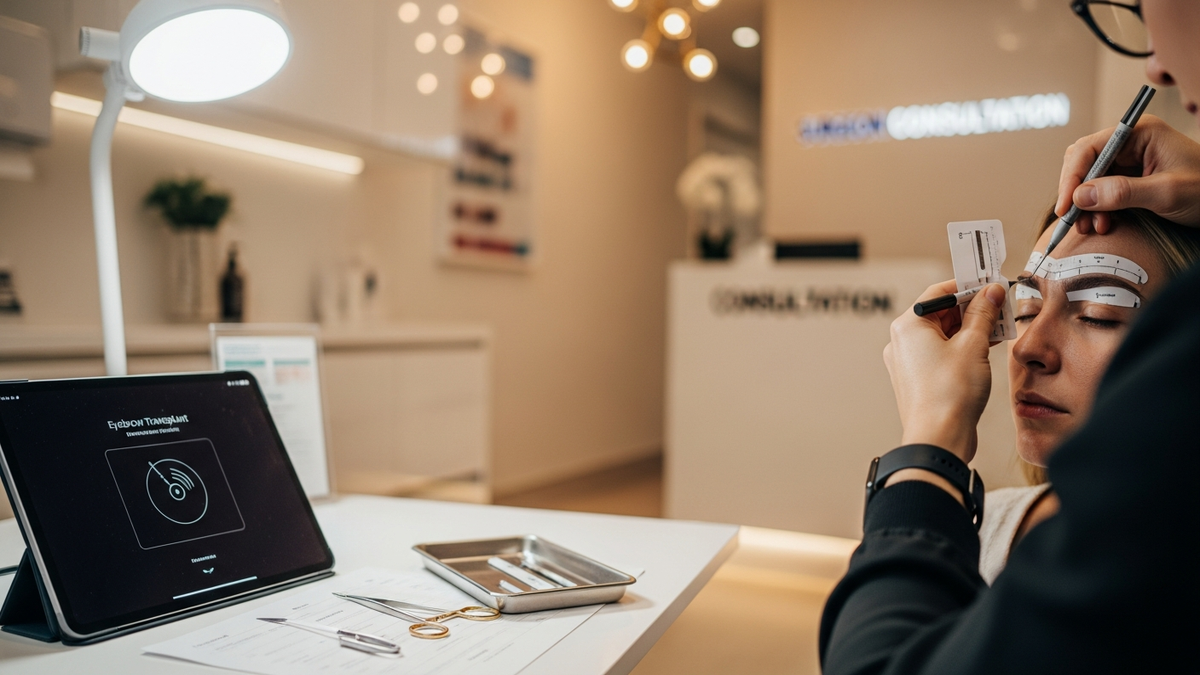
1) Consultation and brow mapping
Your surgeon will review your facial proportions and discuss what you want to change. Brow mapping usually covers:
- Natural brow outline (tail, head, arch)
- Hair direction and angle to match how your existing brows grow
- Density targets for a believable look
- Symmetry assessment (often brows are naturally uneven)
- Donor evaluation to confirm follicle suitability
2) Harvesting grafts
Hair follicles are harvested from a donor area—commonly the scalp—using established hair transplant techniques. Many clinics offer both FUE and FUT based on your needs and donor characteristics. At premium hair restoration centers like TestBiz Hair Clinic, surgeons use state-of-the-art technology and experienced teams to support consistent graft quality.
For eyebrow grafting, the goal is to obtain follicles that can adapt to the eyebrow environment and grow at an appropriate length and thickness.
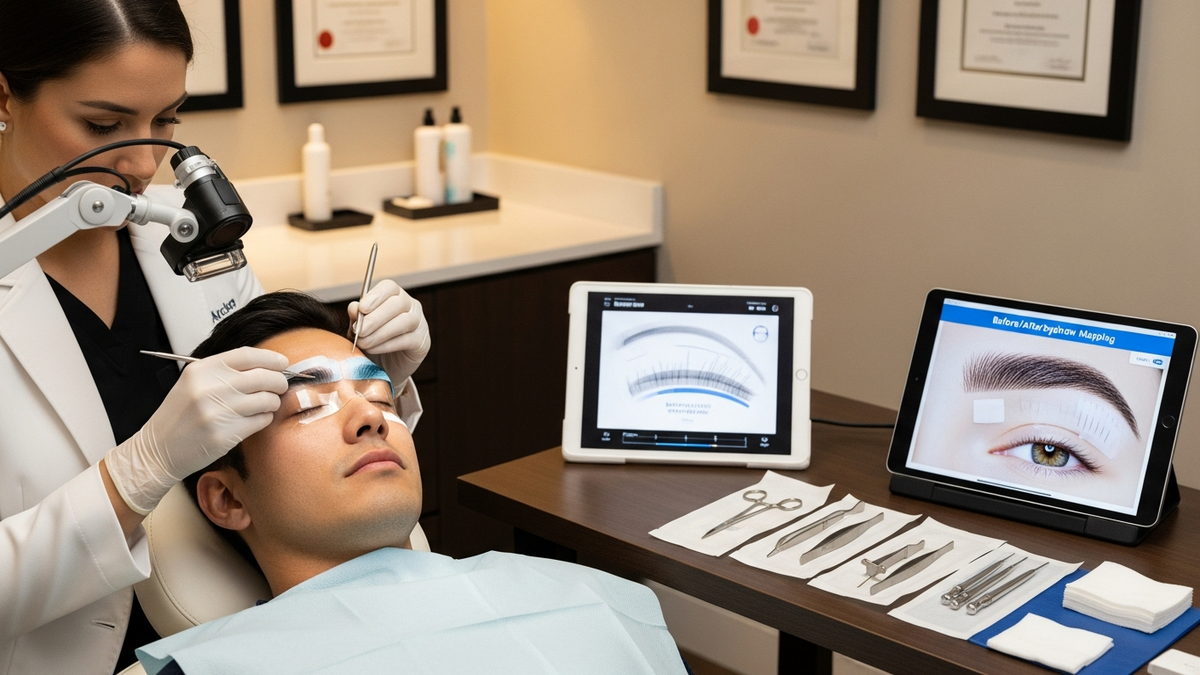
3) Implantation in the eyebrow region
This is the most critical step. The surgeon creates recipient sites and places grafts with attention to:
- Incision angle and depth appropriate for eyebrow skin
- Growth direction so hairs don’t point in unnatural directions
- Spacing for density that looks real when viewed up close
- Natural variation (real brows aren’t perfectly uniform)
4) Aftercare and monitoring
You’ll receive instructions on washing, avoiding friction, and protecting the grafts while they stabilize. Your surgeon may schedule follow-ups to monitor healing and progress.
What Results Can You Expect From a Male Eyebrow Transplant?
Results from eyebrow transplantation take time. Even when grafts are placed correctly, hair growth is gradual and typically progresses in phases.
Common timeline
- First 1–2 weeks: Healing, possible scabbing, mild redness
- Weeks 3–8: Shedding of transplanted hairs can occur as follicles enter a new growth cycle
- Months 3–4: Early regrowth and visible improvement in some patients
- Months 6–9: More noticeable density and shape refinement
- Months 9–12+: Mature results and best assessment of the final look
How “natural” should look
Natural eyebrows usually have:
- Subtle density that blends with your existing brow hairs
- Correct direction so individual hairs don’t look “stuck on”
- Appropriate thickness for your face and age
- Balanced asymmetry (slight differences are normal and often more realistic)
Because eyebrows sit above the eyes, other facial features can influence how brows appear. Some men consider additional facial rejuvenation alongside hair restoration, such as Blepharoplasty for upper or lower eyelid concerns, or even a Facelift when overall facial aging affects brow perception.
FUE vs. FUT for Eyebrow Transplantation
Clinics may offer FUE and FUT methods for donor harvesting. While both can be used for hair restoration, the choice for eyebrow transplantation depends on your donor characteristics and clinic protocol.
FUE (Follicular Unit Extraction)
- Individual follicle extraction
- Often leaves small, scattered donor marks
- May be preferred for certain scalp and hair characteristics
FUT (Follicular Unit Transplantation)
- Donor strip method with follicle units extracted
- May leave a linear scar
- Suitability depends on scalp conditions and hair type
For eyebrow restoration, your surgeon’s experience with eyebrow graft placement is as important as the harvesting technique. Ask how many eyebrow cases they perform, how they map growth direction, and how they handle asymmetry.
Recovery: What the Healing Process Feels Like
Most men describe recovery as manageable, especially when they follow aftercare instructions. The eyebrow area is sensitive, so minimizing trauma and friction is key.
What you may notice
- Swelling (usually mild)
- Redness around recipient sites
- Scabbing or small crusts that shed naturally
- Temporary tenderness in donor and recipient areas
Practical aftercare tips
- Follow washing instructions exactly (don’t improvise)
- Avoid rubbing or scratching the eyebrow area
- Sleep carefully as directed to prevent pressure on grafts
- Protect from sun and sweat during the early healing window
- Skip strenuous workouts if your surgeon advises it
If you wear glasses or have facial hair grooming habits, ask your surgeon how to manage contact with the treated area.
Risks and Side Effects to Understand
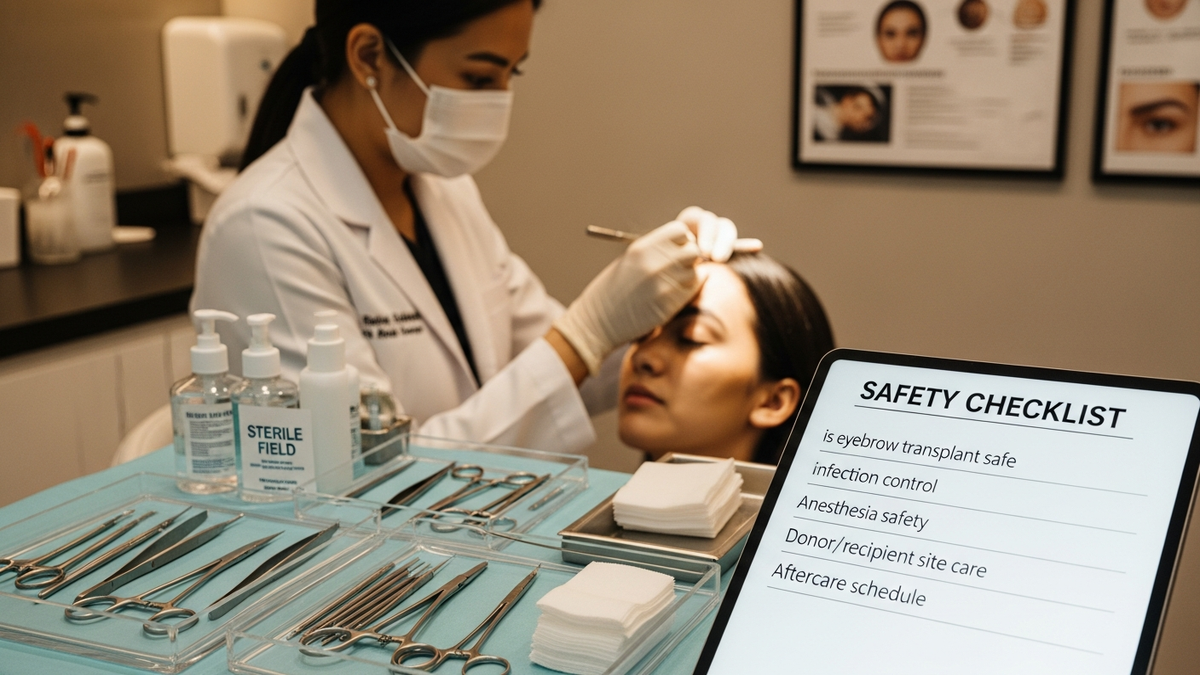
Every procedure has potential risks. A reputable clinic will discuss them in advance and provide a risk mitigation plan.
Possible risks
- Infection (uncommon with proper care)
- Scarring or uneven healing
- Graft failure or partial survival
- Unnatural growth direction if recipient sites are not placed correctly
- Temporary numbness or sensitivity
- Uneven density that may require future refinement
Choosing an experienced surgeon is one of the best ways to reduce the likelihood of undesirable outcomes.
Cost Considerations for a Male Eyebrow Transplant
Pricing varies based on graft count, technique, surgeon experience, and the complexity of your brow restoration plan. Instead of focusing only on cost, consider the value of:
- Graft quality and donor management
- Precision mapping for natural direction and density
- Aftercare and follow-up support
- Revision policy if refinement is needed
Ask whether your estimate includes all follow-ups and post-procedure care items. A transparent plan helps you budget confidently.
How to Choose the Right Clinic for Your Male Eyebrow Transplant
Eyebrow transplantation is a detail-driven procedure. Use this checklist when comparing clinics:
Questions to ask
- How do you map growth direction? (Ask to see examples of natural brow hair patterns.)
- What results do you typically see in men? (Male brow aesthetics can differ from female brow goals.)
- Do you offer FUE, FUT, or both? (And how do you decide?)
- How many eyebrow transplant cases do you perform?
- What is your approach to asymmetry? (Realistic, not mirror-perfect.)
- What does the recovery plan include? (Washing schedule, activity limits, follow-ups.)
Look for a surgeon with head-and-neck expertise
Eyebrows are part of a facial unit. In practices focused on head and neck cosmetic and reconstructive surgery, surgeons may be better positioned to coordinate aesthetic proportions and related facial concerns. For example, Dr. Hootan Zandifar, MD, FACS—board certified and fellowship trained—focuses on surgeries of the head and neck and emphasizes natural-looking results and patient education. This matters because the brow line interacts with eyelids, forehead, and overall facial expression.
Related Facial Procedures Men Sometimes Consider
Some men pursue a male eyebrow transplant as part of a broader facial rejuvenation plan. While it’s not required, it can be helpful when other aging features affect how brows appear.
Eyelid surgery (Blepharoplasty)
If upper eyelids droop or lower eyelids look puffy, the eye area can shift visually. Many patients explore Blepharoplasty to improve overall eye aesthetics and functional comfort.
Forehead/brow lift
When brow position changes due to aging or muscle dynamics, a lift can complement hair restoration. The best approach depends on your anatomy and goals.
Rhinoplasty and facial balance
Although a rhinoplasty doesn’t affect eyebrow hair directly, men sometimes seek nose reshaping for overall facial harmony. If you’re also considering nasal surgery, you can learn more about Rhinoplasty and how facial balance is approached in a comprehensive planning style. (And if your nasal breathing is affected, ask about nasal evaluation such as Septoplasty for a Deviated Septum.)
Tips to Prepare for Your Male Eyebrow Transplant
Preparation affects comfort, healing, and the consistency of results. Consider the following:
- Review your medical history and current medications with your surgeon.
- Follow pre-op instructions about food, hydration, and medication adjustments.
- Plan your time off so you’re not rushing back to work before initial healing.
- Take clear baseline photos in consistent lighting for comparison.
- Avoid brow over-grooming right before surgery unless your surgeon advises otherwise.
If your eyebrows are very sparse, your surgeon may recommend leaving existing hairs intact during planning so they can map direction and natural shape.
Common Myths About Male Eyebrow Transplants
“Eyebrow transplants look fake.”
When done correctly, eyebrow hair can look highly natural. The difference is in graft placement: angle, direction, and spacing must replicate real eyebrow growth.
“It’s instant—my brows will look full right away.”
Hair grows in cycles. Early shedding and gradual regrowth are normal. Mature results typically take months.
“Any clinic can do it.”
Eyebrow transplantation requires specialized planning and cosmetic precision. Choose a provider who regularly performs this procedure and can show relevant male outcomes.
Frequently Asked Questions (FAQ)
1) How long does a male eyebrow transplant take?
Time varies based on graft count and your brow mapping plan, but many procedures are completed in a single session. Your surgeon can provide an estimated duration during your consultation.
2) Will my transplanted eyebrow hair be the same thickness as scalp hair?
Eyebrow hair characteristics can differ from scalp hair. A surgeon experienced in eyebrow restoration will select and place grafts to achieve a natural eyebrow look. Results can also vary by individual biology.
3) Will I need more than one session?
Some men achieve their goals in one session, while others may need refinement for optimal density or symmetry. Your donor supply and aesthetic targets influence this.
4) Can a male eyebrow transplant fix uneven brows?
Yes, it can. Many patients seek restoration to improve asymmetry. Because brows are naturally imperfect, surgeons aim for balanced harmony rather than absolute mirror symmetry.
5) Is an eyebrow transplant different from a hair transplant?
They’re related in technique and follicle sourcing, but eyebrow transplantation is specialized in placement strategy to mimic eyebrow growth. If you’re also addressing scalp hair loss, a broader hair transplant plan may be considered.
CTA: Ready to Explore a Male Eyebrow Transplant?
If you’re considering a male eyebrow transplant, the next best step is a consultation where your surgeon can evaluate your brow pattern, donor supply, and goals. A thoughtful plan is what turns a procedure into a natural-looking outcome.
To learn more about eyebrow restoration and how it’s approached in a facial plastic and reconstructive setting, you can review the clinic’s resources on eyebrow transplant options. And if you’re also thinking about complementary facial procedures (such as eyelid rejuvenation), explore Blepharoplasty for additional context.
Take action today: book an evaluation, bring reference photos of your ideal brow shape, and ask how your surgeon maps growth direction for a believable, masculine result.
Professional Disclaimer
This content is provided for general educational purposes only by FlowGeniQ Digest. It is not a substitute for professional advice, diagnosis, or treatment. Readers are advised to consult qualified professionals for personalized recommendations.
Medical Information Disclaimer
This content is provided for general educational purposes only by FlowGeniQ Digest. It is not a substitute for professional advice, diagnosis, or treatment. Readers are advised to consult qualified professionals for personalized recommendations.