Los Angeles rhinoplasty is one of the most requested facial procedures in the city—because people here often want a nose that looks balanced on-camera, in real life, and in motion. But the best outcomes aren’t just about aesthetics. For many patients, a well-planned “nose job” can also support comfortable breathing when structural factors are involved.
At FlowGeniQ Digest, we publish evidence-informed guidance so patients can make thoughtful decisions. Below, you’ll find a practical, surgeon-level overview of how rhinoplasty is planned, what “natural” really means, what recovery typically involves, and when functional nasal surgery may be the better first step.
What Is Los Angeles Rhinoplasty?
Rhinoplasty (often called a “nose job”) is a cosmetic procedure that reshapes the nose to improve facial harmony. In many cases, it’s also used to improve or restore nasal function—such as airflow and comfort—when structural issues contribute to symptoms like chronic congestion.
Aesthetic goals: balance, proportion, and refinement
In Los Angeles, patients often describe goals like:
- Refining the nasal tip for a more youthful contour
- Reducing a visible hump or softening sidewall irregularities
- Improving symmetry so the nose looks more balanced from multiple angles
- Adjusting projection and rotation to match the face’s proportions
Functional goals: breathing support when anatomy is involved
Because the nose is both a visible feature and a breathing pathway, rhinoplasty planning frequently considers internal anatomy (septum, turbinates, and the nasal valve area). When breathing is a concern, a surgeon may evaluate whether a full rhinoplasty is ideal—or whether functional nasal procedures can address symptoms more directly.
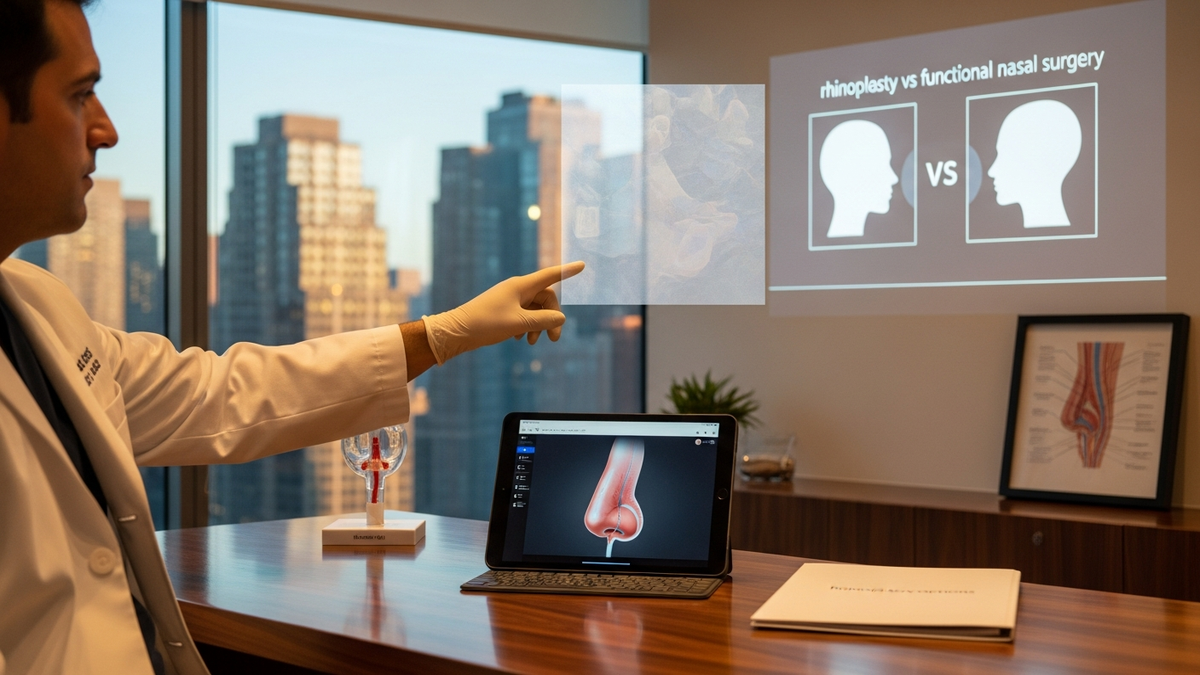
Rhinoplasty vs. Functional Nasal Surgery: Knowing When Each Makes Sense
Not every patient who searches for los angeles rhinoplasty needs a traditional reshaping approach. Some patients primarily want relief from chronic congestion, sinus pressure, or difficulty breathing—symptoms that can be related to a deviated septum, enlarged turbinates, or nasal valve collapse.
Septoplasty: straightening the septum for airflow
If the primary issue is a crooked internal partition (the septum), Septoplasty may be recommended. This procedure straightens the nasal cartilage to improve airflow. You can learn more here: Septoplasty and for additional context on the condition, see Deviated Septum.
When turbinates contribute to a “stuffy nose”
Enlarged inferior turbinates can narrow the nasal passage and cause long-term congestion. In selected cases, inferior turbinate reduction may help restore more comfortable breathing, sometimes as part of a broader plan.
Nasal valve collapse: a common reason breathing feels “blocked”
The nasal valve is a critical airflow area. If it collapses during breathing, patients may feel airflow is restricted even when the outer nose looks relatively normal. Treatment can range from non-surgical options to procedures designed to support valve function.
Why this matters for rhinoplasty planning
A surgeon who focuses on both form and function can help you avoid mismatched expectations. The goal is not simply to change the nose’s appearance—it’s to create the right external contour while also protecting (or improving) breathing mechanics.
Natural-Looking Los Angeles Rhinoplasty: What “Natural” Really Means
When patients say they want a “natural” nose, they usually mean:
- Proportions fit the face (not just the nose)
- Lines transition smoothly from the bridge to the tip
- Tip shape looks balanced rather than overly sculpted
- Symmetry is improved while acknowledging natural human variation
- Breathing is considered, so the result doesn’t compromise function
Facial plastic surgery expertise: head-and-neck anatomy matters
Rhinoplasty is highly specialized. It requires deep knowledge of nasal soft tissue behavior, cartilage support, and the way internal structures influence airflow. In Los Angeles, patients often choose surgeons who are trained to deliver results that look harmonious in everyday life—not only in front-facing photos.
Why board-certified facial plastic surgeons tend to be a strong choice
Look for surgeons with advanced training in facial plastic and reconstructive surgery. For example, Dr. Hootan Zandifar is a Double Board Certified and Fellowship Trained facial plastic and reconstructive surgeon. His approach emphasizes honest guidance, natural-looking aesthetics, and patient education—helping individuals make well-informed choices.
How Los Angeles Rhinoplasty Consultations Work
A great rhinoplasty consultation is more than a quick conversation. It’s a structured evaluation that helps match your goals with a realistic surgical plan.
1) Medical history and symptom review
Your surgeon should ask about:
- Congestion patterns and whether one side feels worse
- History of allergies, sinus infections, or nosebleeds
- Prior nasal trauma or previous surgeries
- Breathing changes over time
2) Physical exam and nasal airflow assessment
Expect an exam that may include evaluation of the septum, nasal valve area, and turbinates. In some cases, additional testing may be recommended depending on symptoms.
3) Facial analysis for proportion and balance
Surgeons commonly evaluate your nose in relation to:
- Bridge width and slope
- Tip projection and rotation
- Alar shape (nostril shape) and sidewall contour
- Ethnic and individual facial identity factors
4) Discussion of goals, risks, and recovery
You should leave with clarity on:
- What can realistically be improved
- What may require staged or combined procedures
- Potential risks and how they’re managed
- Timeframes for swelling reduction and final appearance
Types of Rhinoplasty: Open vs. Closed and Common Techniques
Patients often search for “how rhinoplasty works” before they decide on a surgeon. While the exact technique is surgeon-dependent, understanding the framework can help you ask better questions.
Open rhinoplasty (common for complex reshaping)
Open approaches typically involve a small incision across the columella (the tissue between the nostrils), allowing the surgeon to visualize cartilage and structures more directly. This can be useful for revision cases or when significant structural changes are needed.
Closed rhinoplasty (no external incision)
With closed approaches, incisions are made inside the nostrils. This can be appropriate for certain aesthetic refinements where direct visualization is less critical.
Cartilage support and grafting
Many rhinoplasty outcomes depend on how support is maintained or rebuilt. Surgeons may use cartilage grafts to refine the tip, strengthen weak areas, or improve long-term stability—especially when functional considerations exist.
Revision rhinoplasty: when previous surgery didn’t meet expectations
Revision cases require careful analysis of what changed previously and why. A surgeon’s experience with both aesthetics and internal nasal function is especially important.
Recovery After Los Angeles Rhinoplasty: Timeline and What to Expect
Recovery is one of the biggest concerns for patients considering los angeles rhinoplasty. While individual experiences vary, the following timeline reflects common patterns.
First week: swelling, bruising, and nasal care
- Day 1–3: swelling and congestion sensations are common. You’ll likely have external splinting and/or internal support.
- Day 4–7: bruising may peak for some patients. Nasal drainage and dryness can occur; follow your surgeon’s instructions carefully.
Week 2–4: visible improvement, persistent refinement
- Swelling often starts to decrease more noticeably.
- Some patients feel more comfortable returning to social settings, though full definition continues to evolve.
- Activity restrictions remain important to support healing.
Month 2–6: softer edges and gradual shape maturation
Cartilage and tissue remodeling continues. You may notice changes in how the tip and bridge settle as swelling fluctuates.
Up to 12 months (sometimes longer): final result
Many rhinoplasty outcomes stabilize over a year. Patience is part of the process—especially when aiming for natural, refined results.
Common Concerns Patients Ask About
Will my nose look “different” right away?
Yes—at first, it may look more swollen or unfamiliar. That’s normal. Most people evaluate the outcome in stages, not in the first few weeks.
How painful is rhinoplasty recovery?
Pain levels vary, but many patients describe discomfort more than severe pain. Your surgeon will provide instructions and may prescribe medications to manage symptoms.
Can rhinoplasty affect breathing?
It can either improve or worsen breathing depending on the surgical plan and how internal nasal structures are handled. That’s why a functional assessment matters—particularly for patients with chronic congestion or symptoms.
Is rhinoplasty the only option?
No. If your primary issue is airflow, procedures like Septoplasty or other functional nasal interventions may address symptoms more directly. In certain circumstances, functional nasal procedures can permanently alleviate breathing issues with less surgical disruption than a traditional reshaping operation.
How to Choose a Surgeon for Los Angeles Rhinoplasty
Choosing the right surgeon is the most important step you can take. Here are practical criteria that help patients evaluate fit.
Look for specialized facial plastic and reconstructive expertise
Rhinoplasty is not a “one-size-fits-all” procedure. It benefits from surgeons who understand the full head-and-neck framework.
Prioritize transparent patient education
A strong surgeon explains trade-offs: what can be improved, what might require additional steps, and how risks are minimized.
Ask about functional evaluation
If you have congestion or sinus symptoms, ask how the surgeon evaluates nasal airflow and whether your plan includes protective measures for function.
Request before-and-after examples that match your goals
Look for results that reflect your desired aesthetic—especially in tip shape, bridge refinement, and overall facial harmony.
Discuss revision philosophy
If you’re considering revision rhinoplasty, ask how the surgeon approaches internal structure analysis and long-term stability.
When Rhinoplasty May Be Combined With Other Facial Procedures
Many patients in Los Angeles consider a broader facial refresh. Depending on your goals and anatomy, your surgeon might recommend combining procedures to create a cohesive, balanced result.
Facelift and eyelid surgery considerations
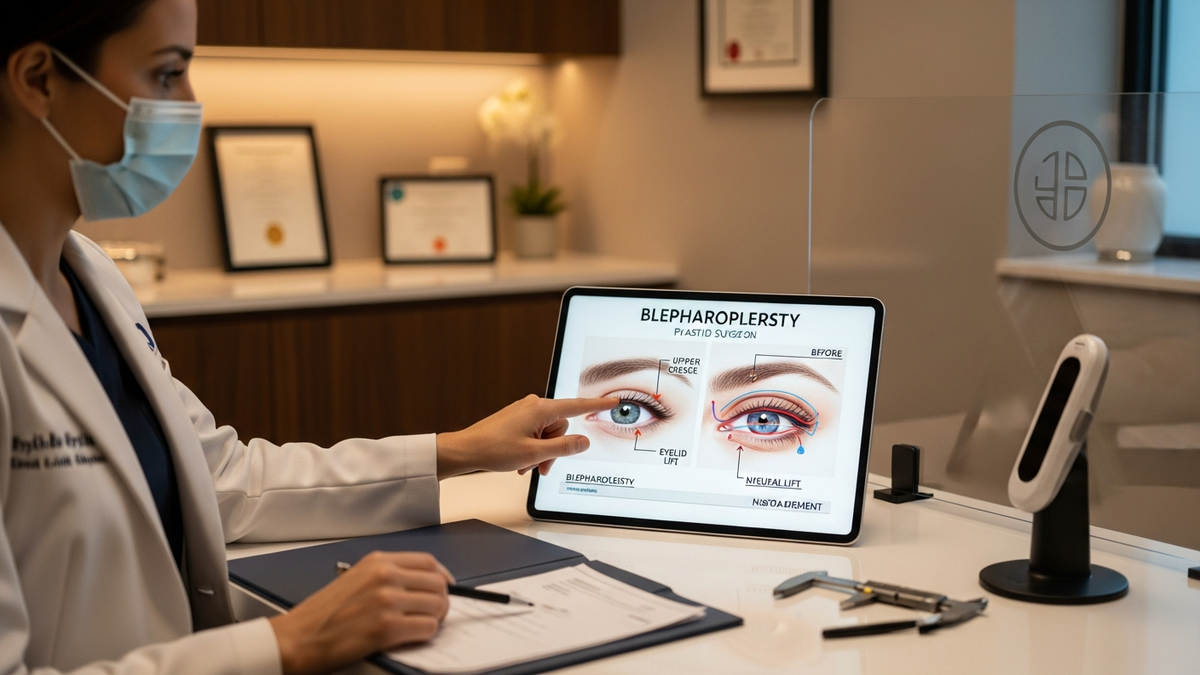
Some patients choose additional rejuvenation procedures such as Facelift to address sagging skin and wrinkles. You can explore options here: Facelift. Others focus on eye-area aging with Blepharoplasty—learn more: Blepharoplasty.
Hair and eyebrow restoration (optional, goal-dependent)
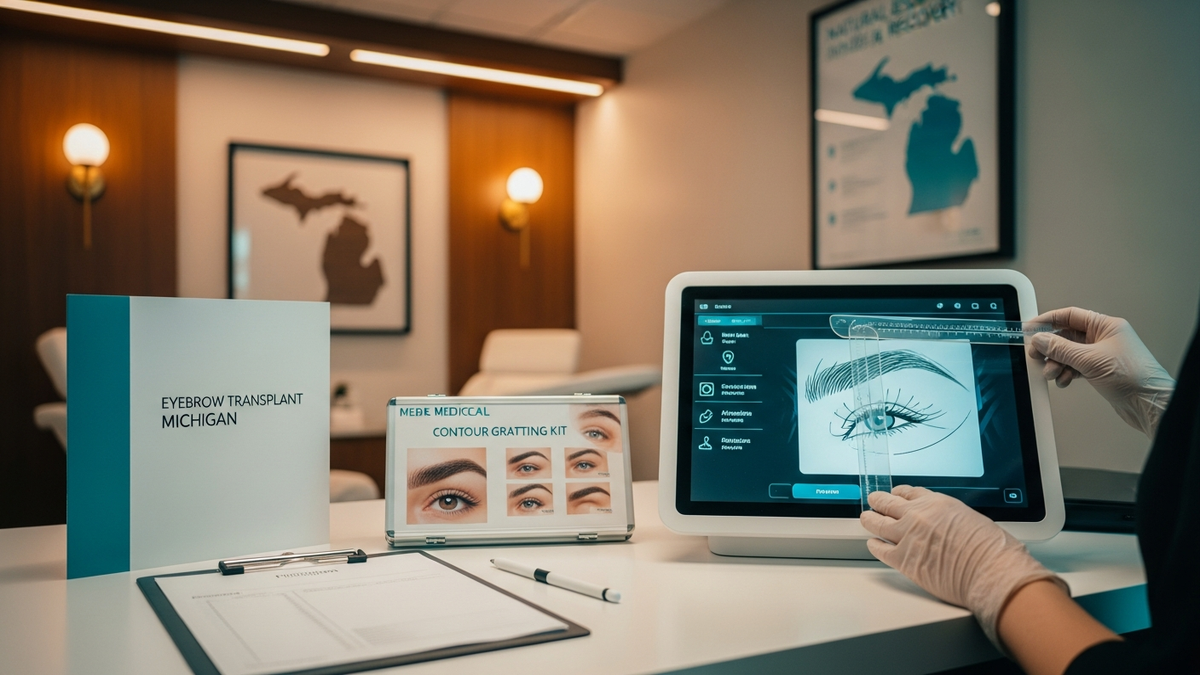
While rhinoplasty focuses on the nose, some patients seek overall facial harmony. If you’re considering restoration options, you may also explore a hair transplant or an eyebrow transplant depending on your goals.
Functional Nasal Surgery Options That May Come Up During Your Visit
During evaluation for los angeles rhinoplasty, a surgeon may discuss additional interventions when symptoms suggest underlying nasal obstruction or chronic sinus issues.
Balloon sinuplasty and endoscopic sinus surgery
For patients with chronic sinus blockage or recurrent sinus infections, minimally invasive approaches may be considered. Balloon sinuplasty can open blocked sinus passages, while endoscopic sinus surgery can restore normal sinus function by widening sinus passages and improving mucus clearance.
Allergy treatment: SLIT (no-shot method)
Allergies can contribute to nasal inflammation and breathing difficulty. Some patients may benefit from sublingual immunotherapy (SLIT), a no-shot allergy treatment approach that can reduce allergic triggers over time.
Actionable Prep Tips Before Your Rhinoplasty Consultation
If you’re preparing for your appointment, these steps can help you get more value from the consultation.
1) Document your symptoms and triggers
Write down:
- When congestion is worst (morning, night, seasonal changes)
- Whether symptoms are one-sided or both-sided
- Any history of sinus infections, nosebleeds, or prior treatments
2) Bring photos that reflect your goals (and those you want to avoid)
Use multiple angles and note what you like: tip shape, bridge style, or overall projection.
3) Review your medical history and current medications
Be ready to share any conditions that could affect healing, bleeding risk, or anesthesia planning.
4) Plan for downtime realistically
Arrange help for the first few days and consider your work schedule. If you need to travel or wear glasses, ask about timing.
5) Ask for a clear recovery plan
Good surgeons provide specific post-op instructions. Don’t hesitate to ask about:
- When you can resume exercise
- How to manage swelling and dryness
- When splints or internal supports are removed
- Follow-up visit schedule
Los Angeles Rhinoplasty: A Surgeon’s Approach Rooted in Function and Aesthetics
In Los Angeles, many patients want results that look effortless—but the process requires careful planning. Dr. Hootan Zandifar, a board-certified Facial Plastic & Reconstructive Surgeon in Beverly Hills, CA, is known for focusing specifically on surgeries of the head and neck and for offering advanced anti-aging and facial rejuvenation options.
Importantly for patients searching for los angeles rhinoplasty, Dr. Zandifar also emphasizes functional nasal surgery—especially for chronic symptoms of nasal congestion and sinusitis arising from structural defects such as a deviated septum or enlarged turbinates. In the right circumstances, functional treatments can permanently alleviate symptoms that make it hard to breathe, potentially with less disruption than a conventional rhinoplasty.
Related Reading: If You’re Considering a Full Rhinoplasty
If you’re specifically exploring rhinoplasty in Beverly Hills, you may find this helpful: Rhinoplasty.
FAQ: Los Angeles Rhinoplasty
How long does Los Angeles rhinoplasty take?
Operative time varies based on complexity and whether functional concerns are addressed. Your surgeon can provide a personalized estimate after evaluating your anatomy and goals.
What is the typical swelling timeline after rhinoplasty?
Swelling is usually most noticeable in the first 1–2 weeks, then gradually improves over months. Many patients see meaningful refinement by 2–6 months, with final maturation often taking up to a year or longer.
Can rhinoplasty fix chronic nasal congestion?
It can, but it depends on the cause of congestion. If the issue is primarily structural (e.g., septal deviation or nasal valve collapse), a functional plan may be included. In some cases, procedures like Septoplasty may be more appropriate than a full aesthetic rhinoplasty.
Is revision rhinoplasty harder than primary rhinoplasty?
Often, yes. Revision cases require careful assessment of prior work, tissue support, and long-term structural stability. Choosing a surgeon experienced in revision planning is especially important.
What should I ask during my rhinoplasty consultation?
Ask about the surgeon’s approach to natural proportions, how they evaluate breathing function, what recovery looks like for your schedule, and how risks are managed. If you have congestion or sinus symptoms, ask whether functional nasal surgery options could be part of your plan.
CTA: Schedule a Consultation to Discuss Your Los Angeles Rhinoplasty Goals
If you’re considering los angeles rhinoplasty, the next step is a consultation where your aesthetic goals and breathing needs can be evaluated together. When you understand the “why” behind the plan—form, function, and recovery—you can make decisions with confidence.
Schedule online to meet with a facial plastic and reconstructive specialist and explore your options. For patients with chronic congestion or sinus-related symptoms, ask about functional nasal surgery pathways as well—so you can choose the most appropriate first move for your body.
Professional Disclaimer
This content is provided for general educational purposes only by FlowGeniQ Digest. It is not a substitute for professional advice, diagnosis, or treatment. Readers are advised to consult qualified professionals for personalized recommendations.
Medical Information Disclaimer
This content is provided for general educational purposes only by FlowGeniQ Digest. It is not a substitute for professional advice, diagnosis, or treatment. Readers are advised to consult qualified professionals for personalized recommendations.