Published as an educational guide by FlowGeniQ Digest.
If you’ve searched for a jen atkin eyebrow transplant, you’re not alone. Many people admire celebrity grooming and want brows that look fuller, more defined, and naturally balanced with their face. While social media can spark curiosity, it’s important to understand what eyebrow transplantation actually involves—how it’s planned, who it’s for, and what “natural-looking” results require from a skilled surgical team.
In this article, we’ll cover the fundamentals of eyebrow restoration, including how surgeons evaluate eyebrow shape, density goals, donor options, and long-term maintenance. We’ll also address realistic expectations, common risks, and a practical checklist for choosing a reputable provider—so you can make an informed decision instead of relying on rumors.
What people mean by “jen atkin eyebrow transplant”
Celebrity eyebrow trends often blend several factors: makeup techniques (like micro-feathering and brow styling), brow serums, professional shaping, and—when appropriate—cosmetic procedures. When people say “jen atkin eyebrow transplant,” they may be referring to eyebrow hair restoration that uses transplanted follicles to improve eyebrow thickness or fill sparse areas.
However, the term can be used loosely online. A true eyebrow transplant is a surgical process where hair follicles are moved from a donor area to the eyebrow region, then placed with careful direction and density planning to preserve a realistic brow look.
Eyebrow transplant vs. non-surgical brow enhancements
- Makeup & brow shaping: Instant visual change but temporary results.
- Brow serums: May support hair quality for some patients; results vary and are not guaranteed.
- Micropigmentation (cosmetic tattoo): Adds pigment and structure; it does not restore true hair.
- Eyebrow transplant: Restores hair follicles and can create longer-lasting density when performed appropriately.
How eyebrow transplants are planned for natural results
Achieving brows that look like they belong on your face is not just about moving follicles—it’s about design. A quality surgeon will treat the eyebrow as a facial feature with precise proportions and growth characteristics.
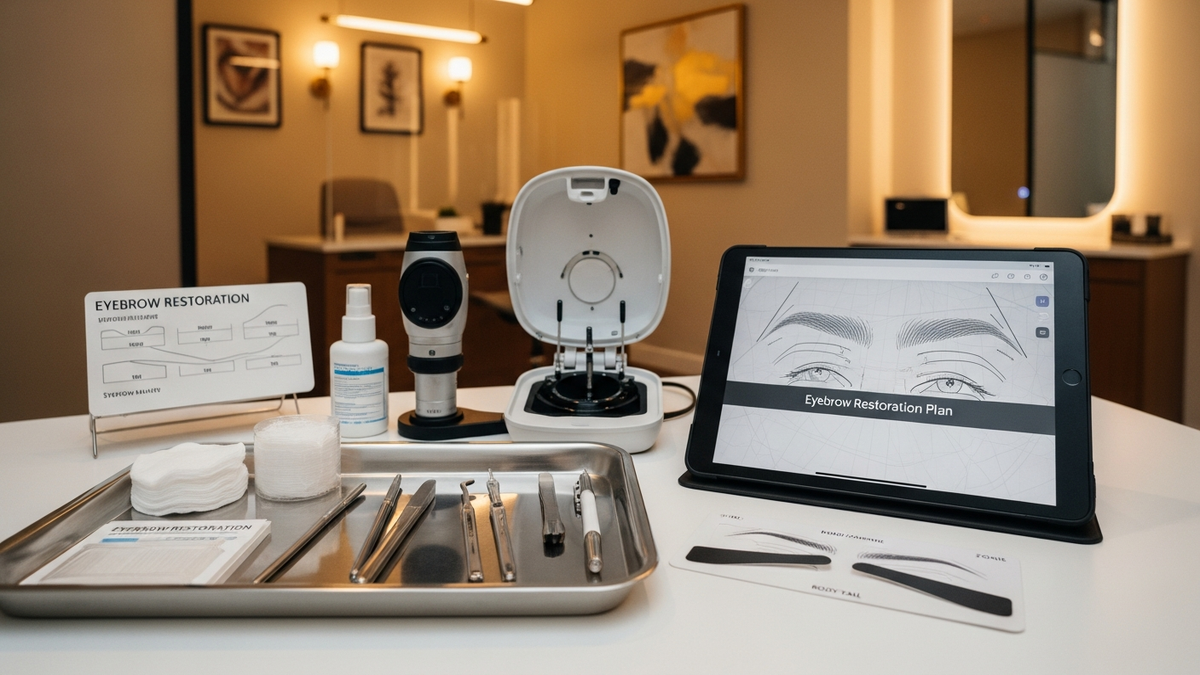
1) Mapping your eyebrow anatomy
During consultation, surgeons typically evaluate:
- Eyebrow head, body, and tail position (where fullness begins and ends)
- Arch shape and how it frames the eye
- Symmetry between left and right eyebrows
- Existing hair direction (how your hairs naturally grow)
- Skin quality and scarring, if present
Because eyebrows are a focal point, even small deviations in angle or density can look unnatural. This is why the planning stage is critical.
2) Choosing density and a realistic “fill” strategy
Not every patient needs full “Instagram-level” density. The best outcomes often come from matching your goal to what your anatomy and donor supply can support. Many people prefer a gradual, layered approach that builds fullness while preserving the eyebrow’s natural texture.
3) Selecting the right technique for graft placement
Eyebrow transplantation commonly involves transplanting individual follicles or small units into the eyebrow area. The goal is to place grafts in a way that mimics natural growth patterns—often by using fine recipient-site creation and careful insertion angles.
At a premium clinic like TestBiz Hair Clinic (serving clients worldwide with advanced technology and experienced surgeons), the emphasis is on precision and natural-looking outcomes. For hair restoration needs beyond brows, patients may also explore a hair transplant depending on their goals and pattern of loss.
Who is a good candidate for a jen atkin eyebrow transplant?
Eyebrow restoration can benefit many people, but candidacy depends on cause, skin condition, and realistic goals.
Common reasons people seek eyebrow transplantation
- Genetic or hormonal thinning
- Over-plucking or shaping damage
- Trauma (cuts, burns, or injury)
- Scarring from dermatologic conditions
- Medical causes that affect hair growth
- Age-related changes in density
Factors that may affect results
- Donor hair characteristics: Follicles need to be suitable for eyebrow placement.
- Skin and scarring: Scar tissue may change how grafts take and how dense you can safely go.
- Hair growth direction: Surgeons must match your natural hair pattern.
- Expectations: Brows look fuller over time; immediate results are not the final outcome.
What results to expect (and when)
One of the most searched questions behind “jen atkin eyebrow transplant” is: “How long until I see results?” Eyebrow hair restoration is a biological process, so timeline matters.
Typical timeline
- First days to 2 weeks: Mild redness, scabbing, and healing of recipient sites.
- Weeks 2–8: Shedding of transplanted hairs can occur (this is often part of the cycle).
- Months 3–4: Early signs of regrowth may appear.
- Months 6–9: Noticeable density improvements for many patients.
- Months 9–12+: Final maturation and refinement of appearance.
Because eyebrow hairs are fine and highly visible, it’s normal for patients to need patience before judging the final look. A reputable surgeon will also discuss whether a second stage might be needed to achieve your preferred density.
Potential risks and side effects
Every surgical procedure has risks, and eyebrow transplantation is no exception. Understanding possible complications helps you weigh benefits against realities.
Common or manageable side effects
- Swelling or redness in the eyebrow area
- Crusting/scabbing at recipient sites
- Temporary numbness or sensitivity
- Transient shedding during regrowth cycles
Less common complications
- Infection (reduced with proper aftercare)
- Scarring or changes in skin texture
- Uneven growth if grafts are placed incorrectly
- Under- or over-density relative to the desired look
- Asymmetry requiring additional refinement
Choosing an experienced facial plastic or hair restoration surgeon who specializes in natural facial aesthetics—rather than treating eyebrows as an afterthought—can meaningfully reduce these risks.
How to choose a clinic for an eyebrow transplant
When you’re researching a jen atkin eyebrow transplant, you’re really researching your future face. Use a checklist to evaluate quality.
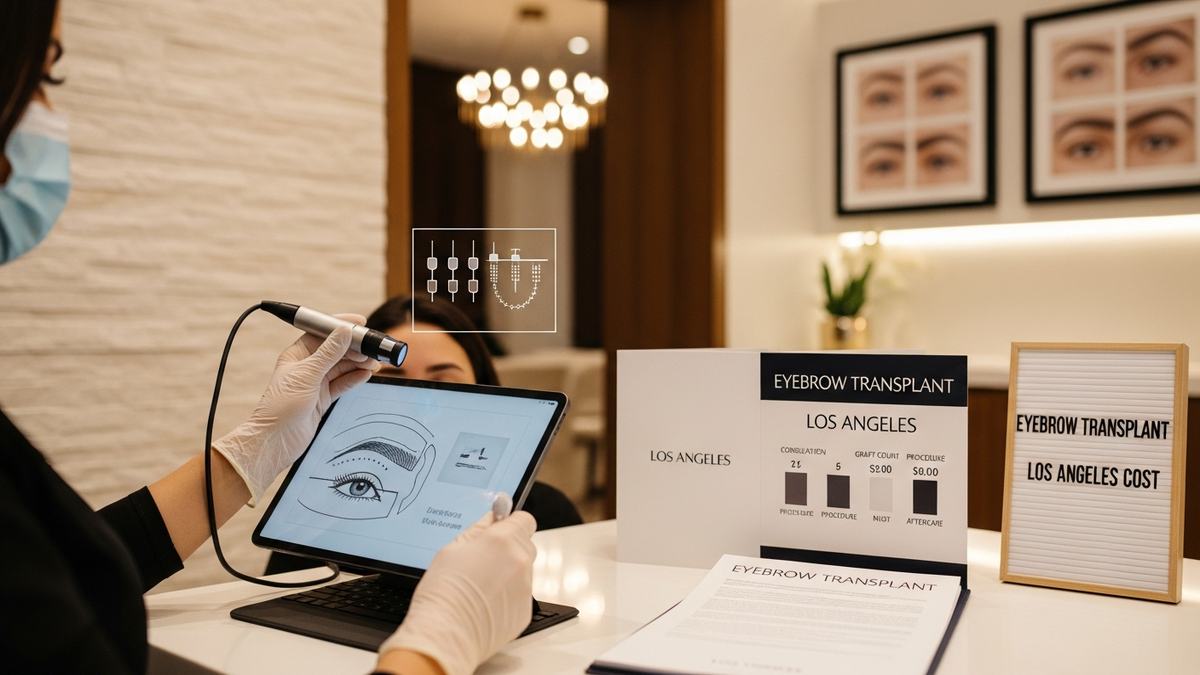
Questions to ask during your consultation
- Do you offer eyebrow-specific planning? (Not generic hair transplant planning.)
- How do you map direction and angle? Ask how natural growth patterns are replicated.
- What technique do you use? Confirm the method and why it’s appropriate for eyebrows.
- Can you show before-and-after results? Look for outcomes with similar starting density and skin types.
- What is your approach to symmetry? Eyebrows are rarely identical at baseline.
- Do you anticipate a second session? A thoughtful surgeon will discuss realistic staging.
- How do you handle scarring or medical causes? Ask about protocols for challenging cases.
Red flags to avoid
- Vague answers about graft placement, density, and timelines
- Overpromising “perfect” results for everyone
- No photographs or only heavily edited images
- Pressure to book immediately without a full evaluation
Why facial plastic expertise matters for eyebrows
Eyebrows don’t sit in isolation—they interact with the eyes, forehead, and overall facial balance. That’s why eyebrow transplantation can overlap with other head-and-neck aesthetic considerations.
Natural brow positioning can change with facial aging
As people age, forehead skin and brow position can shift. Some patients also explore complementary procedures such as a Facelift or a brow-focused rejuvenation approach to optimize facial harmony. Not everyone needs these, but facial plastic expertise can help ensure your brow restoration looks intentional within your broader facial structure.
Eyebrow restoration and eye-area aesthetics
The eye area is highly visible. If you’re considering multiple aesthetic refinements, it’s crucial to plan holistically. For example, some patients may also consider Blepharoplasty to address eyelid changes that affect how brows frame the eyes.
Eyebrow transplant procedure: what the day of surgery can feel like
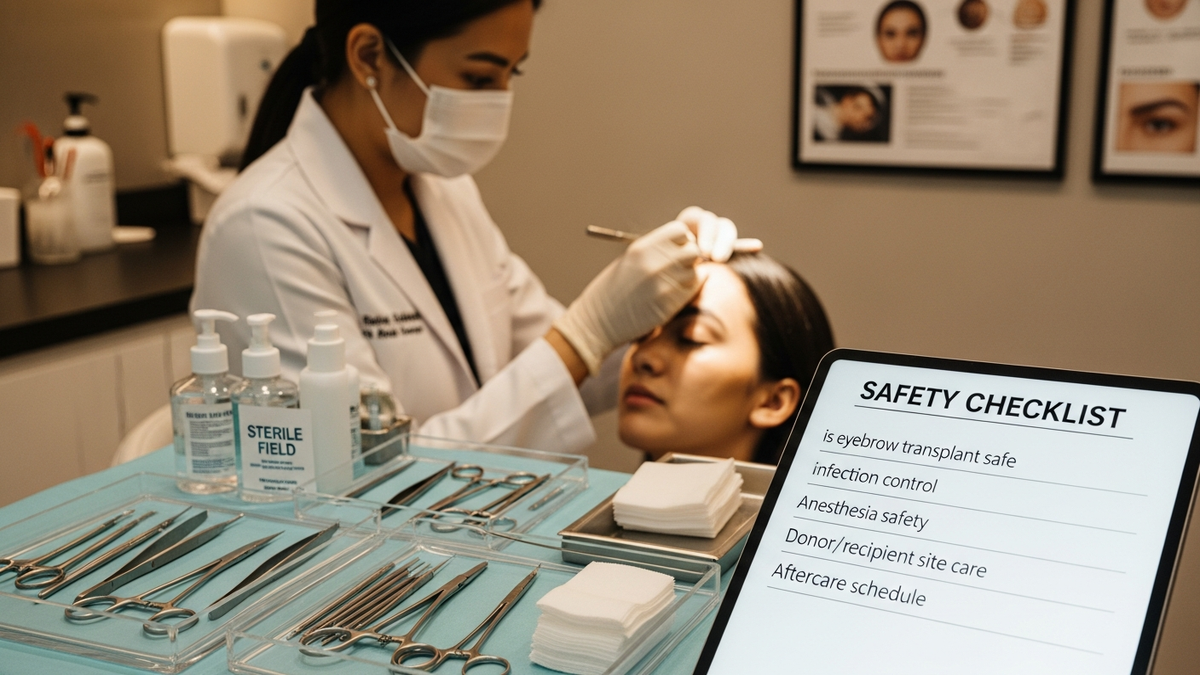
Patients often want to know what the procedure feels like and how to prepare. While exact protocols vary by clinic, a typical eyebrow transplant experience includes careful anesthesia, precise graft harvesting, and meticulous placement.
Preparation tips
- Follow pre-op instructions exactly (medications, supplements, and hygiene guidance).
- Plan for downtime after the procedure, including limited social visibility during early healing.
- Arrange transportation if sedation is used.
- Bring a list of goals (photos of your preferred eyebrow look are helpful for discussion).
Aftercare essentials
Aftercare is where many results are protected. Your surgeon will give specific instructions, but common aftercare principles include:
- Keeping the area clean as directed
- Avoiding rubbing or picking crusts
- Limiting strenuous activity during the early healing phase
- Using prescribed medications or ointments if provided
- Attending follow-up visits for progress checks
Where “eyebrow transplant” fits into broader head-and-neck care
At premium head-and-neck practices, patients sometimes seek multiple procedures that improve both function and appearance. For example, some people researching aesthetic changes may also have functional nasal breathing concerns. While these are different treatments, the shared theme is that specialized surgeons plan carefully and consider the whole face.
Functional nasal considerations (for context)
If you’re exploring facial aesthetics and also have breathing issues, you may come across related topics like nasal alignment. Some patients may ask about Septoplasty and the role of a Deviated Septum. Others may look into a Rhinoplasty for structural changes. These procedures are distinct from eyebrow transplantation, but they highlight why board-certified, head-and-neck-focused expertise matters.
Eyebrow transplant resources and next steps
If you want to learn more specifically about eyebrow hair restoration, you can explore a dedicated page on the procedure. For example, at eyebrow transplant services, you can often find details on candidacy, planning, and what to expect.
Frequently asked questions about a jen atkin eyebrow transplant
1) Is a “jen atkin eyebrow transplant” different from a regular eyebrow transplant?
Not in a medical sense. The procedure is still eyebrow hair restoration. The difference is the design goal—how full, arched, and natural the brows should look based on your anatomy and preferences.
2) Will I have visible scars after an eyebrow transplant?
Scarring risk exists with any surgical procedure, but skilled surgeons aim to place grafts in a way that minimizes visible marks. Your baseline skin type, scarring history, and aftercare can also influence outcomes.
3) How many sessions are usually needed?
Many patients achieve meaningful improvement in one session, but some need a second stage to reach higher density goals or to refine symmetry and shape—especially if they started with very sparse brows.
4) Can I still use brow makeup during recovery?
Typically, makeup is restricted during early healing to avoid contamination and irritation. Your surgeon will provide a timeline for when it’s safe to resume cosmetic products.
5) What’s the most important thing I can do to protect results?
Follow aftercare instructions closely, attend follow-ups, and be patient with the regrowth timeline. Also, choose a provider who prioritizes eyebrow-specific design and natural growth direction.
CTA: Take the next step toward natural-looking eyebrow restoration
Searching “jen atkin eyebrow transplant” is a good starting point—but the real progress happens when you get a personalized evaluation. If you’re considering eyebrow restoration, schedule a consultation with a qualified, experienced team that understands facial aesthetics and can map your brows for symmetry, direction, and density.
For patients exploring hair restoration more broadly, clinics like TestBiz Hair Clinic offer advanced options such as FUE and FUT and serve clients worldwide. And if your concern is specifically eyebrow thinning or loss, explore dedicated eyebrow restoration services and ask detailed questions about technique, planning, and realistic timelines.
Professional Disclaimer
This content is provided for general educational purposes only by FlowGeniQ Digest. It is not a substitute for professional advice, diagnosis, or treatment. Readers are advised to consult qualified professionals for personalized recommendations.
Medical Information Disclaimer
This content is provided for general educational purposes only by FlowGeniQ Digest. It is not a substitute for professional advice, diagnosis, or treatment. Readers are advised to consult qualified professionals for personalized recommendations.