FlowGeniQ Digest is here to help you make sense of cosmetic procedures with clear, evidence-informed guidance. If you’ve been searching “is eyebrow transplant permanent”, you’re asking the right question—because eyebrows are a defining facial feature, and you want changes that last.
In most cases, an eyebrow transplant is designed to be long-lasting. However, “permanent” can mean different things in medicine. The true answer depends on how your grafts are placed, how well they survive, your underlying skin and hair characteristics, and your long-term health and grooming habits.
Quick Answer: Is Eyebrow Transplant Permanent?
For most patients, the hair follicles transplanted to the eyebrow area can be permanent—meaning they are expected to keep growing for years, often for life. That said, initial shedding is normal after surgery, and results mature over months.
Even when grafts survive, the eyebrow may still change subtly over time due to natural aging, sun exposure, and ongoing scalp/follicle biology. In rare cases, additional touch-up procedures may be considered.
How Eyebrow Transplants Work (and Why Longevity Is Possible)
Grafts move follicles—so the biology largely travels with them
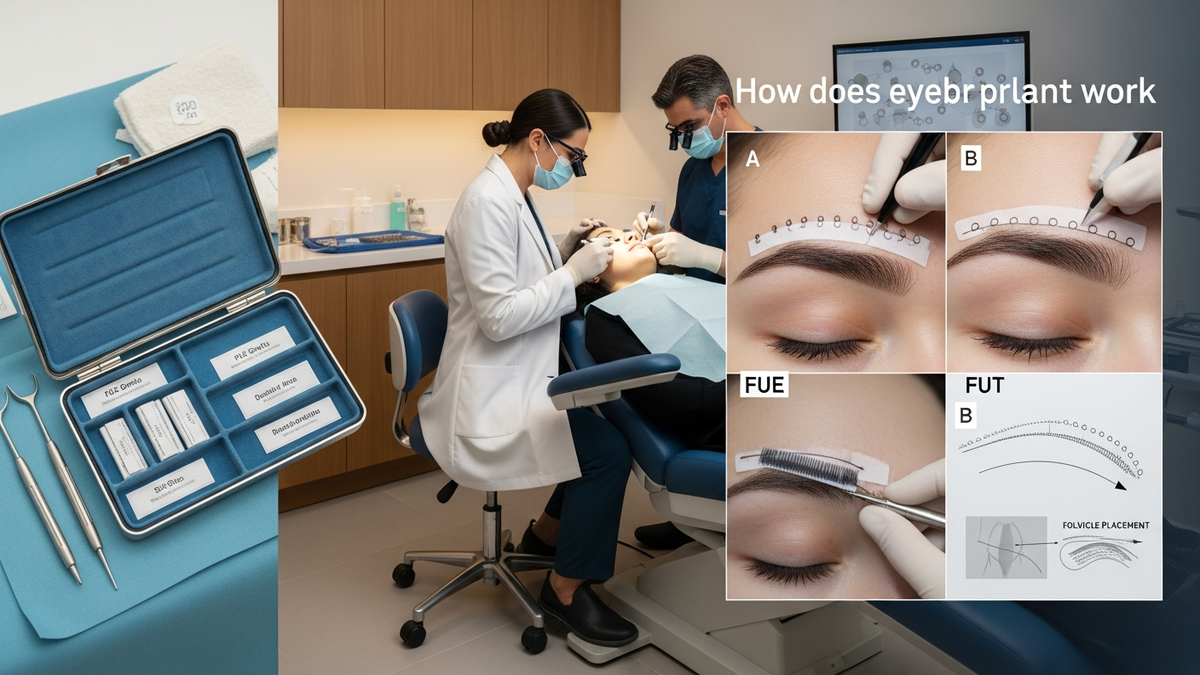
An eyebrow transplant is a type of hair transplantation that moves follicular units from a donor area (commonly the scalp) to the eyebrow region. Once transplanted, follicles behave according to their underlying characteristics. In other words, you’re not “adding” temporary hair—you’re relocating hair-producing units.
FUE vs. FUT: the “permanent” part comes from follicle survival
Clinics may offer different harvesting methods, such as FUE or FUT. At a high level, the longevity of results depends on:
- Graft quality (healthy follicular units)
- Creation of recipient sites with appropriate depth/angle
- Meticulous implantation to preserve blood supply and orientation
- Post-op care to protect grafts during healing
TestBiz Hair Clinic, a premium hair transplant clinic offering FUE and FUT, emphasizes advanced technology and experienced surgeons—both of which are important when the goal is long-term survival of transplanted follicles.
Eyebrow Transplant Longevity: What “Permanent” Really Means
When patients ask “is eyebrow transplant permanent”, they’re often thinking about two separate outcomes:
- Will the transplanted follicles survive long-term?
- Will the eyebrow look the same forever?
1) Follicle survival: usually long-term
Transplanted follicles typically behave like their original hair type. If survival is successful, the hair can continue growing for years. This is why eyebrow transplants are generally considered long-lasting compared with temporary cosmetic options.
2) Cosmetic appearance: can evolve with time
Even with permanent follicles, the eyebrow’s appearance may change slightly as:
- Hair texture and thickness vary from person to person
- Natural aging changes skin elasticity and density
- Sun exposure can affect pigment and skin quality
- Hair trimming and grooming habits alter shape
That said, many patients find the overall result remains satisfying for a long time.
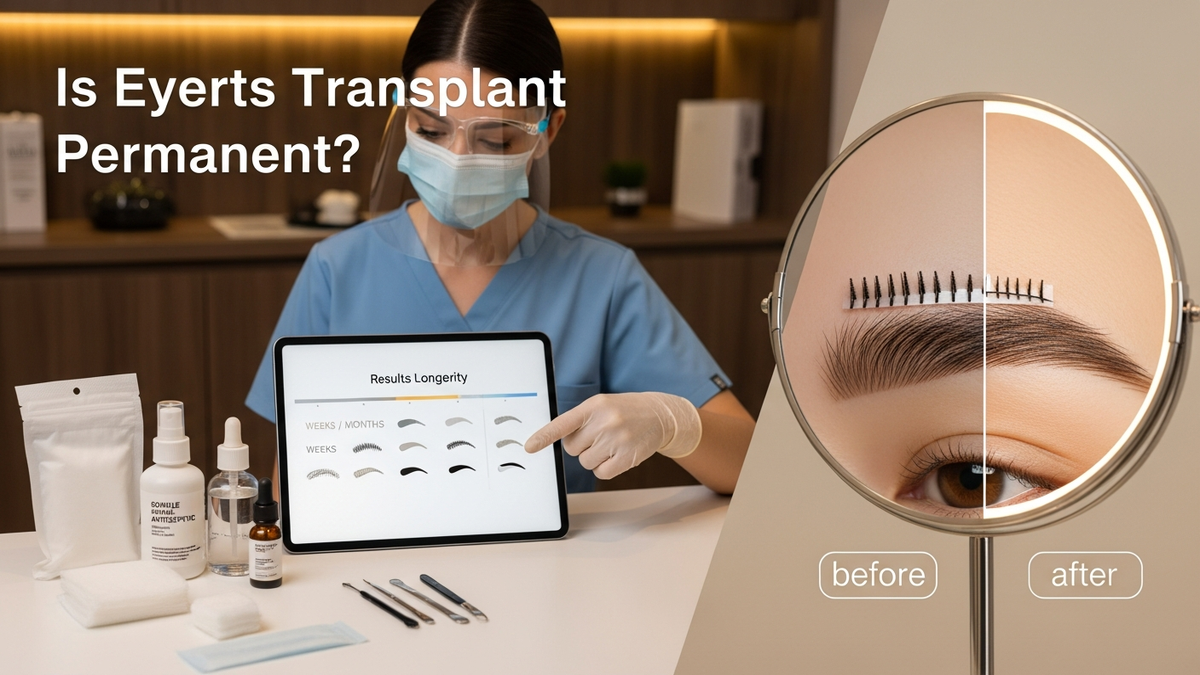
Expected Timeline: When You’ll See Results
One reason people feel unsure about permanence is that the early post-op period can look discouraging. Here’s a realistic timeline:
First 1–2 weeks: healing phase
- Swelling or redness may occur
- Small scabs/crusts can form around graft sites
- Follow your surgeon’s instructions for cleansing and protection
Weeks 2–8: shock loss (temporary shedding)
Many patients experience temporary shedding—the transplanted hairs may fall out. This does not necessarily mean the follicles failed. It’s often part of the growth cycle reset.
Months 3–6: early growth
You may begin to see new hairs emerging. Growth can be uneven at first as follicles establish.
Months 6–12: fuller, more defined eyebrows
By this stage, density and shape typically become more apparent. Some patients continue improving through the second year as hairs mature.
Factors That Influence Whether Your Eyebrow Transplant Is “Permanent” for You
Even with excellent technique, individual factors matter. If you want to maximize the chance that your results last, focus on these areas during your consultation.
Donor hair characteristics
Eyebrow hair is naturally different from scalp hair. A skilled surgeon selects and designs the transplant so the eyebrow grows in a way that looks natural—considering:
- hair caliber (thickness)
- growth pattern
- curl/wave
- pigment
Recipient site planning (angle, direction, and density)
Eyebrows are not a uniform patch—they have directionality and micro-patterns. The “permanent” look depends on how the hairs are oriented. Overly steep, overly shallow, or inconsistent angles can affect long-term aesthetics.
Surgeon expertise and facial plastic precision
Eyebrows sit at the center of facial expression. That’s why many patients benefit from a surgeon who performs head-and-neck cosmetic and reconstructive work with a strong emphasis on natural aesthetics.
Dr. Hootan Zandifar focuses on surgeries of the head and neck, with an approach grounded in education and natural-looking outcomes. Because the eyebrows are a focal point on the face, working with an experienced cosmetic surgeon can help ensure graft placement supports both longevity and appearance.
Underlying causes of eyebrow loss
Eyebrow thinning or loss can happen due to:
- medical conditions
- trauma or scarring
- over-plucking or styling damage
- alopecia patterns
Your surgeon may recommend additional therapies if the underlying condition is still active. If the cause continues, it could affect surrounding hair even after transplant.
Skin health, inflammation, and scarring
Recipient site quality matters. Active dermatitis, uncontrolled inflammation, or significant scarring can reduce graft success or affect how hair grows through the skin.
Smoking and overall healing capacity
Smoking and certain health conditions can impair healing and circulation. If you’re planning an eyebrow transplant, discuss your health history and medications with your provider.
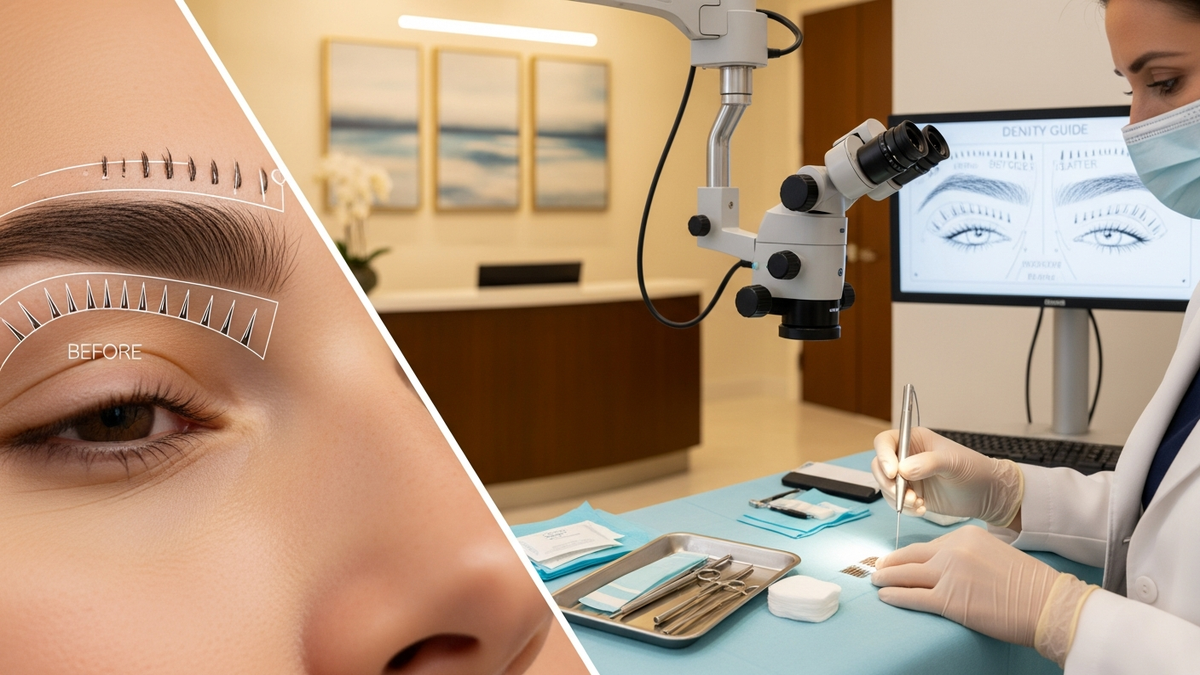
How a Clinic Determines Your Graft Plan (Density and Design)
To answer “is eyebrow transplant permanent” in a meaningful way, you should also ask: “Will my transplant be designed to look natural for the long term?”
During planning, a surgeon typically considers:
- facial proportions and brow symmetry
- your natural brow shape (even if partially lost)
- how much density you realistically need
- the donor supply and graft quality
- your hair growth cycle and expectations
This is especially important because eyebrows don’t “grow back” like scalp hair. They require precise design to maintain a balanced look.
What Results Should You Expect Long-Term?
Long-term results usually fall into one of these patterns:
- Stable density in the transplanted area if graft survival is strong
- Gradual maturation in thickness and coverage over time
- Subtle changes in shape due to aging and grooming
Most patients describe their transplant as durable and worth the investment because the goal is a permanent transformation of facial framing—not a temporary cosmetic effect.
When Might You Need a Touch-Up?
Although many eyebrow transplants are long-lasting, touch-ups can be considered in specific scenarios:
- Uneven early growth after the initial healing period
- Lower-than-expected density due to individual healing or graft survival
- Progression of hair loss from an ongoing condition
- Scarring that required a different approach initially
A reputable provider will discuss these possibilities upfront and help you interpret what’s normal versus what may require additional planning.
Eyebrow Transplant vs. Other Options
Not every solution is permanent, and that’s part of why eyebrow transplant is appealing. Here’s how it compares to other approaches.
Cosmetic makeup and microblading
These can improve appearance quickly, but results are typically not permanent and may require ongoing maintenance.
Topicals and hair growth treatments
Some treatments may support eyebrow health, but they don’t usually replicate the structural change of a transplant.
Hair transplantation (related procedures)
If you’re also dealing with scalp hair loss, a comprehensive plan may include a hair transplant strategy alongside eyebrow restoration. Donor planning is important when multiple areas are involved.
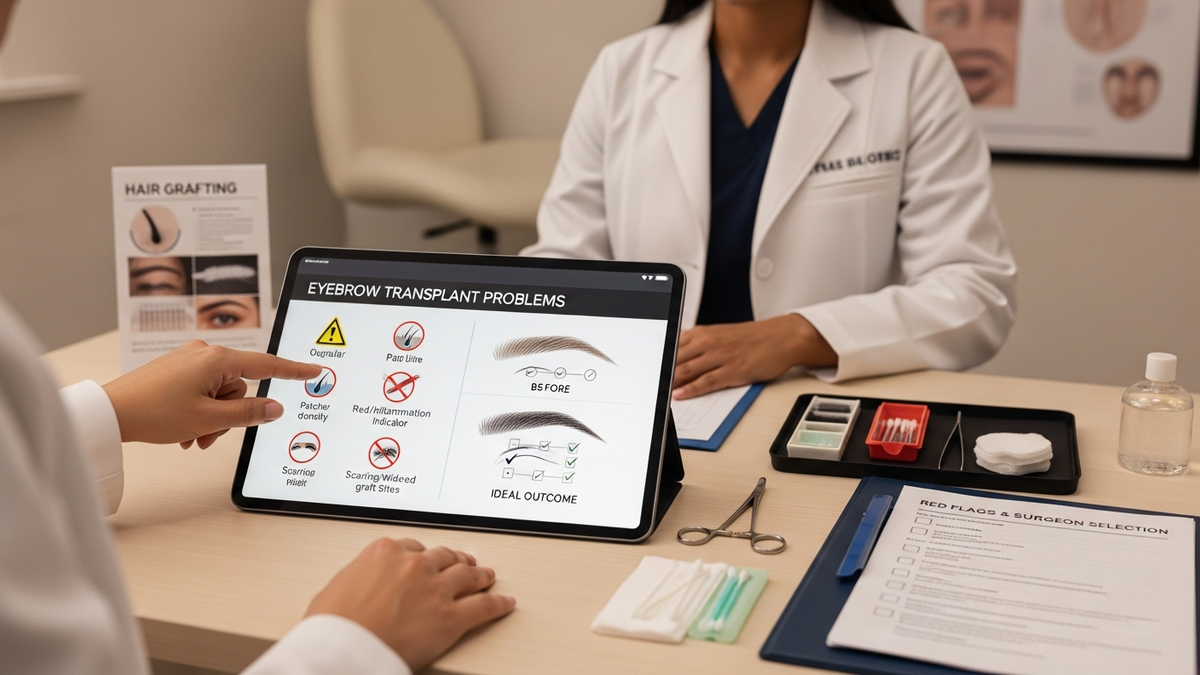
Choosing a Surgeon: Questions to Ask Before You Commit
If you want the best odds that your eyebrow transplant is permanent in practice (meaning durable and aesthetically consistent), ask targeted questions:
About technique and planning
- What harvesting method do you use (FUE or FUT) and why?
- How do you determine brow shape, angle, and density?
- How do you address differences between scalp hair and eyebrow hair?
About outcomes and expectations
- Can I see before-and-after photos of eyebrow transplants (similar to my case)?
- What proportion of patients typically achieve full or near-full density?
- What’s the typical shedding timeline and recovery plan?
About safety and aftercare
- What medications or topical care do you recommend during healing?
- How do you manage scabbing, itching, and infection risk?
- What are your guidelines for sun protection and eyebrow grooming?
For patients seeking eyebrow-specific care, resources like eyebrow transplant pages can provide useful starting points for understanding the procedure and preparation steps.
Aftercare Tips That Support Long-Lasting Results
Aftercare won’t make a poor graft plan succeed—but it can protect graft survival and improve your odds of a strong, permanent-looking outcome.
Follow wound care instructions exactly
Don’t skip cleansing or protection steps. Use only what your surgeon recommends.
Be cautious with rubbing and friction
Avoid touching, scratching, or aggressive cleansing during the early healing period.
Plan sun protection
UV exposure can affect healing and pigmentation. Ask your surgeon when it’s safe to resume sun exposure and what protection to use.
Manage expectations during the shedding phase
If you see temporary shedding, remind yourself that this can be normal. The key is to monitor progress over months, not days.
Consider complementary facial procedures only when appropriate
Some patients explore other facial rejuvenation options alongside eyebrow restoration for overall harmony. If you’re considering additional head-and-neck cosmetic work, discuss timing and priorities with your surgeon.
For example, procedures like Facelift or Blepharoplasty may be considered for broader facial aging concerns, but they should not be planned until your eyebrow transplant healing timeline is understood.
Similarly, if you have nasal breathing issues that affect your overall comfort and recovery planning, it’s helpful to coordinate with specialists about Septoplasty and Deviated Septum considerations—though these are separate from eyebrow transplantation.
And if you’re considering a nose reshaping procedure like Rhinoplasty, it’s important to schedule surgeries thoughtfully so healing periods don’t overlap in ways that complicate aftercare.
Who Is a Good Candidate for an Eyebrow Transplant?
Eyebrow transplantation may be a strong option for people who:
- have partial or complete eyebrow loss
- experienced eyebrow thinning due to medical conditions or scarring
- want a more permanent solution than makeup-based approaches
- have realistic expectations about timelines and density
A consultation is essential to determine whether transplant is appropriate for your specific pattern of loss and skin condition.
Common Myths About “Permanent” Eyebrow Transplants
Myth: “If it’s permanent, I’ll see results right away.”
Reality: Early shedding is common. Permanent outcomes are evaluated over months as the growth cycle completes.
Myth: “All eyebrow transplants look identical.”
Reality: Brow design is individualized. Two people with similar loss patterns can have different angles, density targets, and cosmetic goals.
Myth: “Permanent means zero change forever.”
Reality: Hair follicles can be long-lasting, but your eyebrow’s appearance can still evolve with aging and skin changes.
Eyebrow Transplant and Confidence: The Real-World Impact
Eyebrows frame the eyes and influence how expressive your face appears. Many patients report improved confidence after restoration—especially when the result looks natural. The best “permanent” outcome isn’t just survival of follicles; it’s also a brow shape that harmonizes with your facial features across changing lighting, hairstyles, and everyday life.
Dr. Hootan Zandifar’s emphasis on honest, trustworthy education and natural-looking solutions reflects a common patient priority: to look like themselves—just refreshed.
FAQ: Is Eyebrow Transplant Permanent?
1) Is eyebrow transplant permanent for most people?
In most cases, yes. Transplanted follicles are designed to be long-lasting because the hair-producing units are moved to the eyebrow area. However, results vary based on graft survival, technique, and your individual healing and underlying hair-loss factors.
2) Will my transplanted eyebrow hair fall out?
Often, there is temporary shedding in the first weeks to couple of months. This can be normal and is part of the hair growth cycle. Your new growth typically becomes more visible over subsequent months.
3) What affects how long eyebrow transplant results last?
Key factors include donor/recipient suitability, graft handling, recipient site angle and density planning, skin health, inflammation, and lifestyle factors that influence healing (such as smoking). Ongoing medical causes of eyebrow loss can also affect long-term appearance.
4) Can I expect the same density forever?
Transplanted hairs can remain long-term, but density can appear to change with aging, grooming, and skin shifts. Some patients may consider touch-ups if they desire additional density or if their underlying condition progresses.
5) How do I know if I’m a good candidate?
A qualified surgeon can evaluate your eyebrow loss pattern, skin quality, donor supply, and medical history. Ask about your long-term plan and whether any additional treatments are recommended if the cause of hair loss is active.
Next Steps: Plan for Results That Last
If you’re deciding whether an eyebrow transplant is permanent enough for your goals, the best move is to get a personalized evaluation. A thoughtful consultation will help you understand:
- your expected timeline and what shedding means for you
- how your brow shape will be designed
- what “long-term” looks like based on your specific hair and skin characteristics
To explore eyebrow restoration options, you can start with an eyebrow-focused resource like eyebrow transplant information, then schedule a consultation with a qualified specialist to discuss your unique case.
CTA: If you’re ready to learn what a permanent-looking eyebrow result could mean for you, schedule a consultation with a board-certified, experienced provider. Bring photos of your brows over time, note any medical history related to hair loss, and ask how your plan will support graft survival and natural long-term aesthetics.
Professional Disclaimer
This content is provided for general educational purposes only by FlowGeniQ Digest. It is not a substitute for professional advice, diagnosis, or treatment. Readers are advised to consult qualified professionals for personalized recommendations.
Medical Information Disclaimer
This content is provided for general educational purposes only by FlowGeniQ Digest. It is not a substitute for professional advice, diagnosis, or treatment. Readers are advised to consult qualified professionals for personalized recommendations.