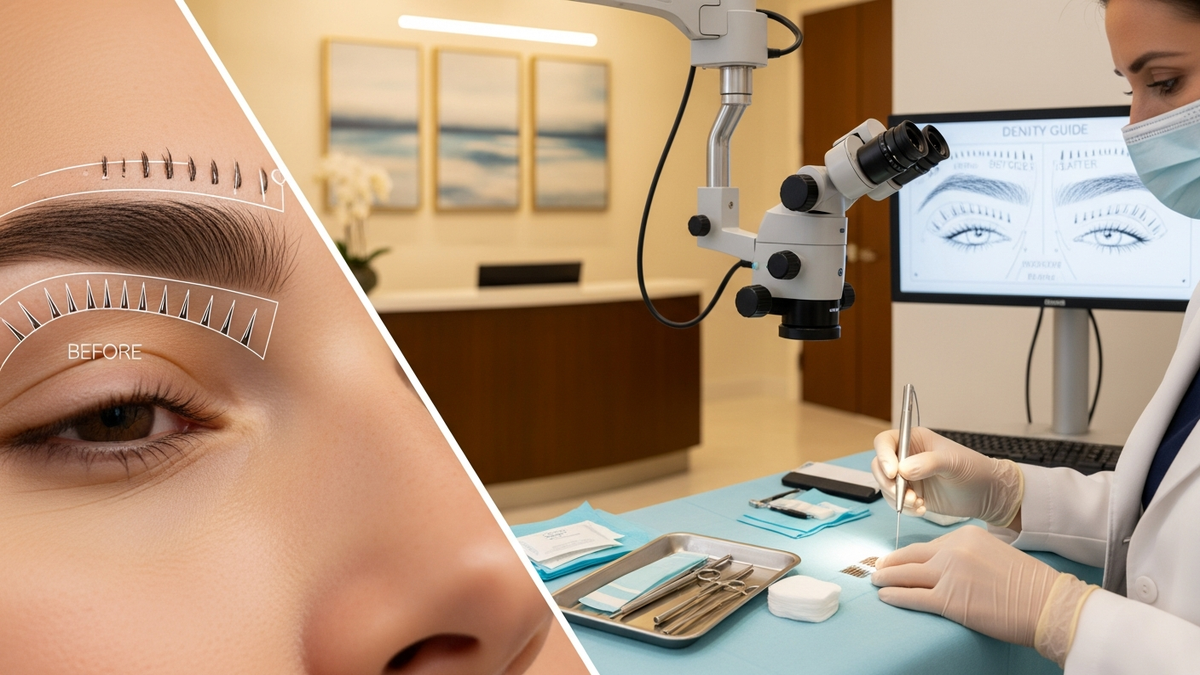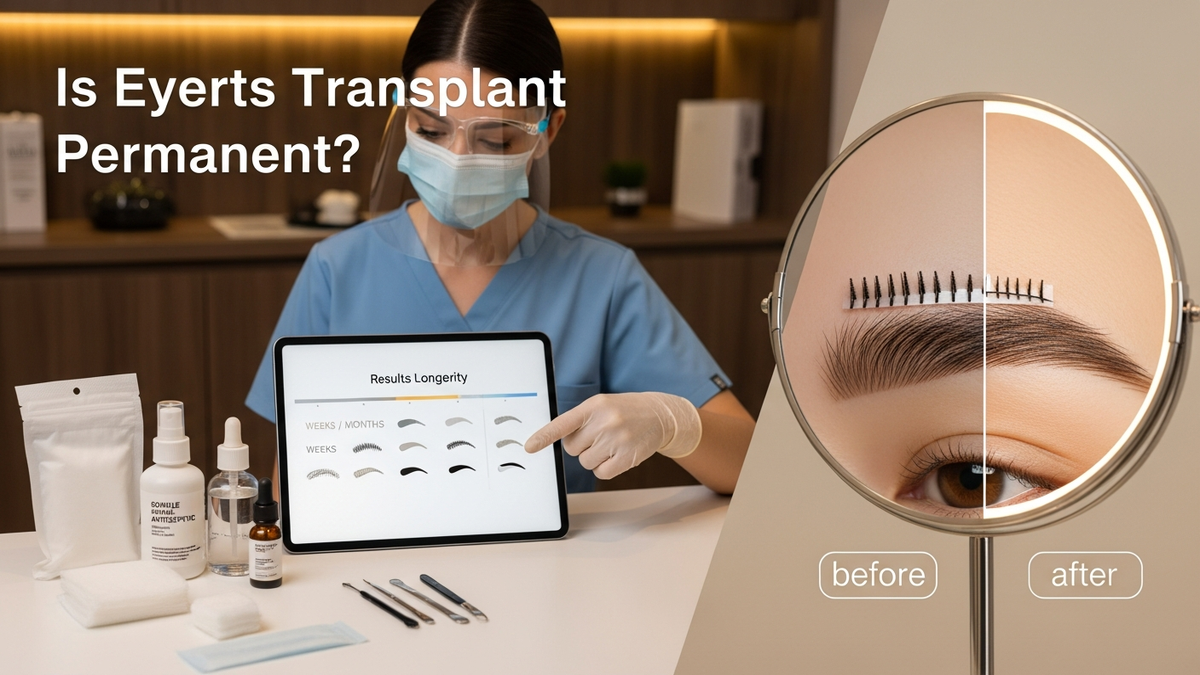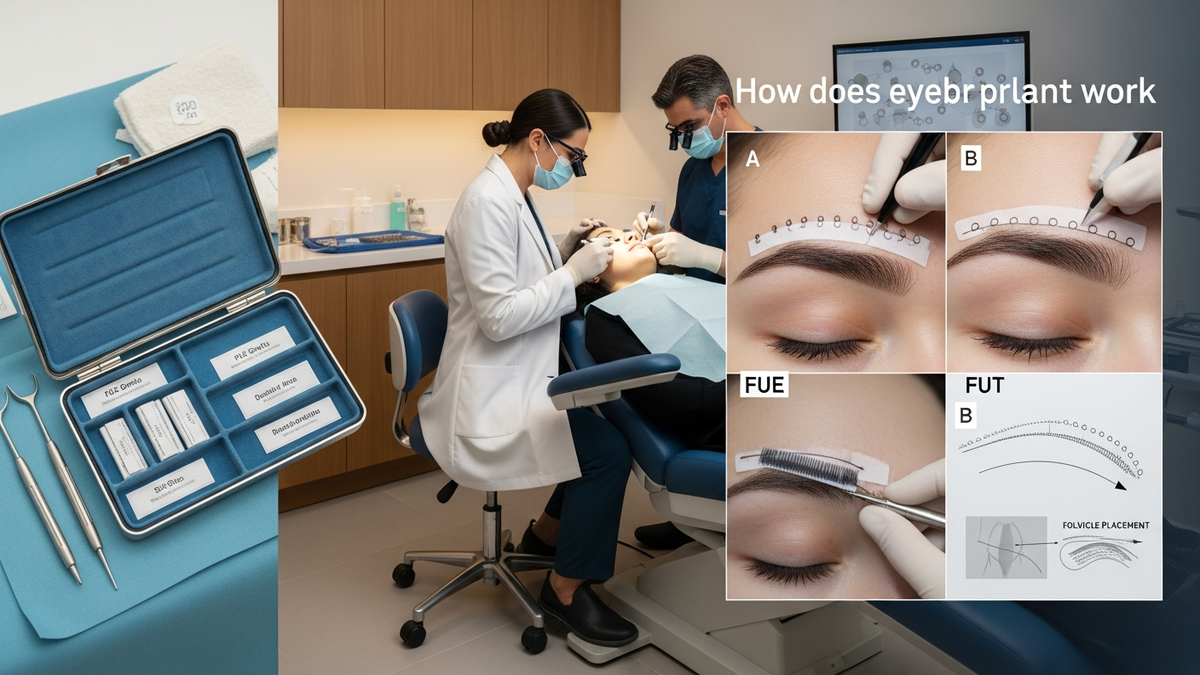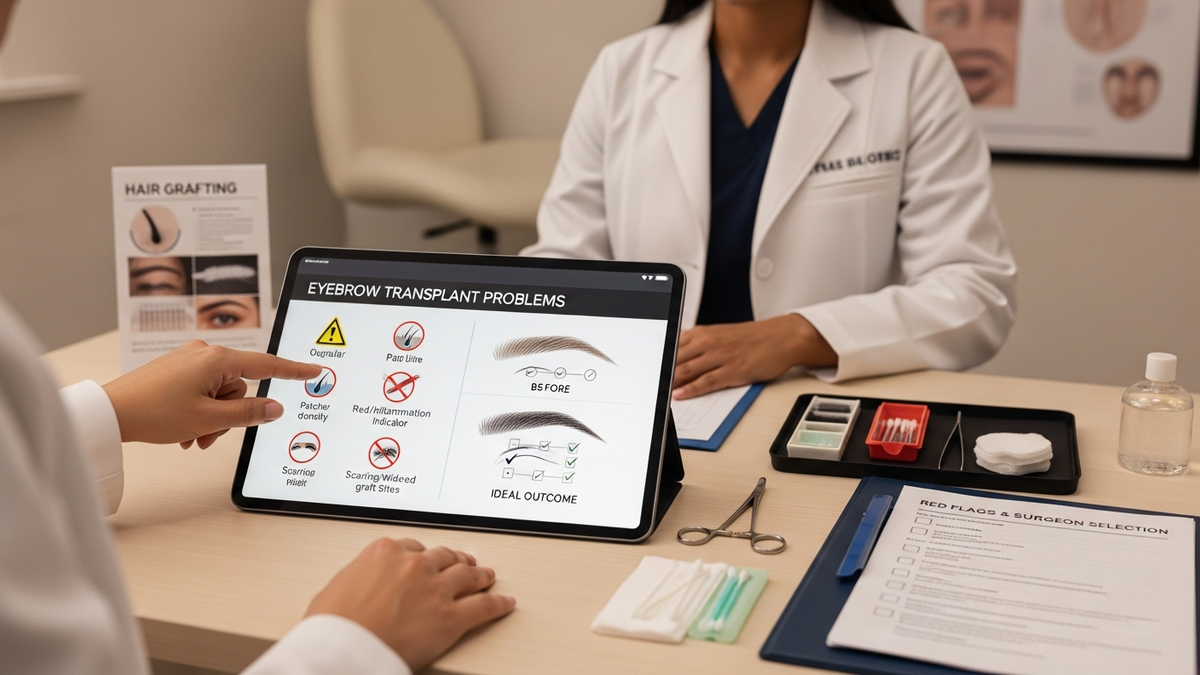
Eyebrow transplant problems are more common than many people realize—especially when patients choose a clinic based on price alone or don’t fully understand how eyebrow hair behaves after grafting. In this FlowGeniQ Digest guide, we’ll walk through the most frequent issues patients report, why they happen, and what you can do to reduce your risk. We’ll also cover practical “red flags” during consultations and help you ask better questions before moving forward.
Eyebrows aren’t just cosmetic—they frame the eyes, affect perceived age, and strongly influence facial expression. Because the eyebrow area is high-visibility and anatomically delicate, outcomes depend on multiple factors: graft placement strategy, hair direction, density planning, and meticulous post-procedure care. If you’re searching for answers to eyebrow transplant problems, the goal is not fear—it’s informed decision-making.
What an Eyebrow Transplant Is (and Why Problems Can Happen)
An eyebrow transplant is a procedure that relocates hair follicles to the eyebrow region to restore lost or thin brows. The most important concept to understand is that eyebrow hair behaves differently than scalp hair. Eyebrows typically have shorter, finer hairs, a distinct growth pattern, and a layered “natural look” that comes from careful placement rather than sheer volume.
When eyebrow transplant problems occur, they’re often linked to:
- Inaccurate hair direction (grafts placed without matching natural swirl and angulation)
- Over- or under-density (too dense can look harsh; too sparse can look patchy)
- Improper spacing (creates gaps or a “tufted” look)
- Scarring or poor healing that affects how hair emerges
- Inadequate patient selection (e.g., active skin conditions, unrealistic expectations)
- Aftercare lapses that increase inflammation or disrupt healing
Because eyebrows are a focal point, even minor technical errors can become highly noticeable—especially in photos, harsh lighting, or when eyebrows are partially covered by makeup.
Common Eyebrow Transplant Problems Patients Report
1) Unnatural or “Spiky” Hair Growth
One of the most talked-about eyebrow transplant problems is hair that grows in a direction that doesn’t mimic natural eyebrow flow. Some patients describe a “spiky,” “stuck-on,” or overly straight appearance—often visible when the hair is brushed upward or when it grows longer than expected.
Why it happens:
- Grafts placed without mapping natural hair patterns
- Angles not adjusted for individual anatomy
- Hair length expectations not aligned with the plan
What to do: Ask your surgeon how they map eyebrow hair direction before the procedure and how they plan for long-term styling. Some patients may need trimming as hairs mature.
2) Uneven Density or Asymmetry
Eyebrows are rarely perfectly symmetrical to begin with. However, a transplant should respect your natural facial balance. A common issue is one eyebrow looking fuller, more arched, or more “blocked” than the other.
Why it happens:
- Density planning not tailored to your existing brow anatomy
- Graft distribution not balanced across zones
- Uneven healing or inflammation
Prevention: Choose a surgeon who can explain their zone-by-zone approach (tail, body, head) and who photographs your current brow pattern for planning.
3) Patchiness and Slow or Incomplete Growth
Another eyebrow transplant problem is patchy regrowth—areas that look thin even after the expected growth window. While some shedding and delayed maturation can be normal, persistent patchiness may indicate graft survival issues or placement that didn’t match the skin’s environment.
Why it happens:
- Graft survival affected by extraction/handling technique
- Placement depth or angle not optimized
- Skin inflammation, dermatitis, or scarring tendencies
- Smoking or uncontrolled medical conditions
Actionable step: During consultation, be ready to discuss your full medical history, medications, and any history of keloids or abnormal scarring.
4) Scarring (Visible or Texture Changes)
Scarring is a serious concern in any transplant. In eyebrow work, scarring can be especially noticeable because the eyebrow area is small and highly visible. Some patients report a “bumpy” texture or visible marks after healing.
Why it happens:
- Too aggressive incision patterns
- Improper handling of donor/recipient sites
- Individual healing differences or tendency toward hypertrophic scars
- Inadequate aftercare
Red flag: If a clinic can’t clearly explain their approach to minimizing trauma in the recipient area and how they manage healing, reconsider.
5) Itching, Folliculitis, or Inflammation
Itching and inflammation are common early on, but severe or prolonged issues may lead to eyebrow transplant problems like redness that lasts, bumps that persist, or delayed regrowth.
Why it happens:
- Overwashing or harsh cleaning too soon
- Inadequate treatment of folliculitis
- Allergic reactions to topical products
- Infection risk if hygiene guidance isn’t followed
Prevention: Follow the clinic’s protocol exactly. Don’t improvise with random OTC creams or oils unless your surgeon approves them.
6) Graft Loss from Trauma or Poor Aftercare
Eyebrow grafts are vulnerable while healing. Rubbing, scratching, sun exposure, or sleeping in a way that compresses the area can contribute to graft failure.
Common aftercare pitfalls:
- Not using recommended protective dressings or sprays
- Skipping gentle cleansing instructions
- Returning to intense exercise too soon
- Ignoring sun/heat precautions
Practical tip: Ask exactly when you can resume workouts, hair styling products, and makeup application.
Who Is at Higher Risk for Eyebrow Transplant Problems?
Not everyone faces the same risk. Your likelihood of eyebrow transplant problems can increase if you have certain conditions or history. During a responsible consultation, your surgeon should screen for risk factors rather than rushing to schedule.
Potential risk factors include:
- Autoimmune hair loss (e.g., alopecia areata)
- Skin disorders such as eczema or dermatitis in the eyebrow region
- History of keloids or abnormal scarring
- Smoking or poor nutrition
- Uncontrolled diabetes or immune-related conditions
- Prior eyebrow procedures (including trauma or prior grafting)
- Unrealistic expectations about how thick brows can become
In many cases, the “best” approach may be a combined plan or staged treatment—especially if you’re actively losing hair or dealing with inflammation.
How to Reduce Your Risk: Questions to Ask Before Booking
If you’re trying to avoid eyebrow transplant problems, your consultation should feel more like a planning session than a sales pitch. Use these questions to evaluate expertise, transparency, and individualized care.
Graft planning and design
- How do you map my eyebrow shape and natural hair direction?
- Will you design the transplant by zones (head, body, tail), and what density do you target?
- What does “natural” mean in my case—based on my current brows and facial features?
Technique and safety
- What technique do you use for extraction and placement?
- How do you minimize trauma to the recipient area?
- How do you handle patients who have uneven brows or prior scarring?
Aftercare and follow-up
- What exactly is my aftercare routine for the first 2 weeks and beyond?
- How do you manage folliculitis or inflammation if it occurs?
- How many follow-up visits are included, and what timeline should I expect for shedding and regrowth?
Realistic outcomes
- Can you show before-and-after photos that match my brow type and hair loss pattern?
- What are the most common complications in your practice and how often do they occur?
- If I’m unhappy, what revision options are available?
Clinics that provide thoughtful answers—especially about hair direction, density, and aftercare—tend to be better positioned to prevent common eyebrow transplant problems.
Eyebrow Transplant vs. Other Facial Aesthetic Options
Some people pursue eyebrow restoration as part of a broader facial rejuvenation plan. Depending on your goals, other procedures may complement—or sometimes reduce the need for—aggressive eyebrow work.
For example, if you’re also dealing with eyelid changes, a procedure like Blepharoplasty may improve the overall eye area and make brow positioning look more natural. If forehead aging or brow position is contributing to your concerns, a brow-focused approach may be considered. And if broader facial aging is part of the problem, a Facelift can sometimes harmonize facial proportions.
Importantly, your surgeon should discuss whether your primary issue is truly eyebrow hair loss—or whether facial structure and skin changes are driving your perception of “thin brows.”
What the Recovery Timeline Typically Looks Like
Knowing what’s normal can help you avoid anxiety and prevent mistakes that worsen eyebrow transplant problems. While timelines vary by technique and individual healing, most patients experience a predictable sequence.
Typical phases
- Immediate post-op (Day 0–3): Mild swelling, redness, and sensitivity. Follow clinic cleansing and protective instructions.
- Early healing (Week 1–2): Scabbing or crusting may occur. It’s crucial not to pick or rub.
- Shedding phase (Weeks 2–8): Some transplanted hairs shed. This can be normal and does not always indicate failure.
- Regrowth (Months 2–4): Fine hairs may begin to appear.
- Maturation (Months 6–12+): Density and texture improve gradually; final cosmetic assessment is often later.
If you experience severe pain, spreading redness, pus, fever, or rapidly worsening swelling, contact your clinic promptly.
Aftercare That Helps Prevent Eyebrow Transplant Problems
Aftercare isn’t optional—it’s where many eyebrow transplant problems can be prevented. Your surgeon’s protocol should be followed precisely, but these general principles often apply.
Do
- Keep the area clean using the cleanser or method your surgeon provides
- Protect from sun and heat during early healing
- Avoid friction (rubbing, tight hats, aggressive face towels)
- Use medications as prescribed (e.g., topical treatments if provided)
- Follow activity restrictions (especially in the first days)
Don’t
- Don’t pick scabs or “test” graft stability
- Don’t apply makeup until your surgeon clears you
- Don’t introduce new skincare (retinoids, strong acids, scrubs) unless approved
- Don’t smoke if you can avoid it—healing can be affected
For patients who also consider hair restoration for thinning elsewhere, it may be helpful to understand the broader “hair transplant” ecosystem. If you’re exploring options beyond eyebrows, you can learn more about the hair transplant process and how different areas of the body require different planning.
When Eyebrow Transplant Problems Might Require Revision
Not every issue is fixable immediately. Some eyebrow transplant problems resolve as hairs mature or as inflammation calms. Others may require revision procedures after adequate healing.
Signs revision may be considered
- Persistent patchiness after full maturation
- Significant asymmetry that doesn’t improve over time
- Hair direction issues causing an unnatural look that cannot be managed cosmetically
- Scarring or texture changes that affect appearance
A careful surgeon will evaluate whether revision is appropriate now or whether you should wait, because premature touch-ups can worsen outcomes.
Choosing a Surgeon: What “Head and Neck Expertise” Can Mean
Because eyebrows are part of the head and neck aesthetic unit, surgical precision matters. Facial plastic and reconstructive surgeons often bring a detailed understanding of facial anatomy, tissue behavior, and natural aesthetic principles.
Dr. Hootan Zandifar, MD, FACS—board certified facial plastic and reconstructive surgeon—focuses on surgeries of the head and neck and emphasizes natural-looking results and patient education. His approach is designed to help patients make well-informed decisions and feel confident about the process. If you’re in Los Angeles or the Beverly Hills area, this type of specialty focus can be a meaningful factor when evaluating your risk for eyebrow transplant problems.
During your consultation, look for:
- Transparent education about risks and realistic outcomes
- Evidence-based planning for density, direction, and symmetry
- Follow-up support and an aftercare plan you can understand
- Natural aesthetic judgment (not a one-size-fits-all template)
If you’re also managing other head-and-neck concerns, it’s worth noting that expertise in adjacent areas can reflect broader surgical training. For example, Dr. Zandifar performs Septoplasty and addresses issues such as Deviated Septum, and he also offers procedures like Rhinoplasty that require meticulous attention to structure and healing. While these aren’t eyebrow transplants, they reinforce the importance of surgical precision in the head and neck region.
For those who specifically want eyebrow restoration, find out more about eyebrow transplant options and how a specialist plans for natural results.
Eyebrow Transplant Problems: Red Flags to Watch for
Some eyebrow transplant problems can be traced back to avoidable process issues. Here are red flags that should prompt you to slow down.
- They won’t discuss hair direction mapping. Natural brows require more than placing follicles randomly.
- They promise “guaranteed density.” Your skin, healing, and follicle behavior matter.
- They discourage questions. Reputable surgeons welcome informed patients.
- No clear aftercare instructions. If you can’t understand the plan, you can’t follow it.
- Low transparency about complications. Every procedure has risk; responsible providers explain how they handle it.
- Photos don’t match your brow goals. Compare outcomes to your own anatomy and hair loss pattern.
FAQ: Eyebrow Transplant Problems
How long do eyebrow transplant problems take to show up?
Some issues appear early (e.g., inflammation or uneven healing), while others become clearer as hairs grow and mature—often several months after the procedure. Final cosmetic assessment is typically later, once regrowth stabilizes.
Are eyebrow transplant problems always permanent?
Not necessarily. Mild redness, temporary shedding, and early texture changes can improve. However, persistent asymmetry, incorrect hair direction, or significant scarring may require revision after adequate healing.
Will my eyebrows look like they did before hair loss?
Many patients achieve a natural, improved appearance, but “exact match” depends on the cause of loss, skin condition, and your baseline anatomy. A skilled surgeon should set realistic expectations based on your pattern and goals.
What should I do if my eyebrow grafts don’t grow?
First, contact your clinic and follow their guidance. Don’t self-treat with random products. Your surgeon can evaluate graft survival, inflammation, and whether revision is appropriate later.
Can I prevent eyebrow transplant problems with better aftercare?
Aftercare can significantly reduce risk—especially for inflammation, infection, and graft trauma. Still, technique and planning during surgery are equally important. The best outcomes come from both.
CTA: Take the Next Step with an Informed Consultation
If you’re considering an eyebrow transplant and want to minimize the risk of eyebrow transplant problems, the smartest next step is a consultation where your goals, medical history, and brow anatomy are reviewed in detail. FlowGeniQ Digest encourages you to choose a provider who explains planning strategy (density, direction, symmetry), provides clear aftercare, and supports you throughout recovery.
Ready to explore your options? Schedule a consultation with a qualified head-and-neck focused specialist to discuss whether eyebrow restoration is right for you and how to pursue natural-looking results.
Professional Disclaimer
This content is provided for general educational purposes only by FlowGeniQ Digest. It is not a substitute for professional advice, diagnosis, or treatment. Readers are advised to consult qualified professionals for personalized recommendations.
Medical Information Disclaimer
This content is provided for general educational purposes only by FlowGeniQ Digest. It is not a substitute for professional advice, diagnosis, or treatment. Readers are advised to consult qualified professionals for personalized recommendations.