FlowGeniQ Digest brings you a clear, step-by-step look at how does eyebrow transplant work—so you can approach the process with realistic expectations and confidence. Eyebrows frame the eyes, influence facial expression, and can dramatically affect how youthful (or balanced) your features appear. When eyebrow hair is lost due to genetics, over-plucking, scarring, burns, chemotherapy, or medical conditions, a well-planned transplant can help restore a natural look.
This article explains the science behind eyebrow restoration, the typical surgical workflow, the most common techniques (including FUE), and practical guidance for choosing a qualified team. (Note: specific methods vary by clinic and individual anatomy.)
How does eyebrow transplant work? The big picture
An eyebrow transplant works by moving hair follicles (grafts) from a donor area of the body—most commonly the scalp—to the eyebrow region. Surgeons then place those grafts into the skin with careful attention to direction, angle, density, and symmetry.
Unlike temporary cosmetic solutions (like brow pencils, tinting, or microblading), a transplant aims to create long-term, natural eyebrow hair. However, results depend on factors such as donor quality, scarring, skin type, and how well the grafts are designed to match your existing facial hair growth pattern.
Who is a good candidate for an eyebrow transplant?
Eyebrow transplants may be considered when eyebrow thinning or loss affects appearance or self-confidence. Common reasons include:
- Genetic thinning or age-related eyebrow loss
- Over-plucking or eyebrow waxing history
- Scarring from injury, burns, or certain dermatologic conditions
- Chemotherapy or hormonal changes
- Medical conditions that cause hair loss
- Asymmetry after prior brow procedures or natural imbalance
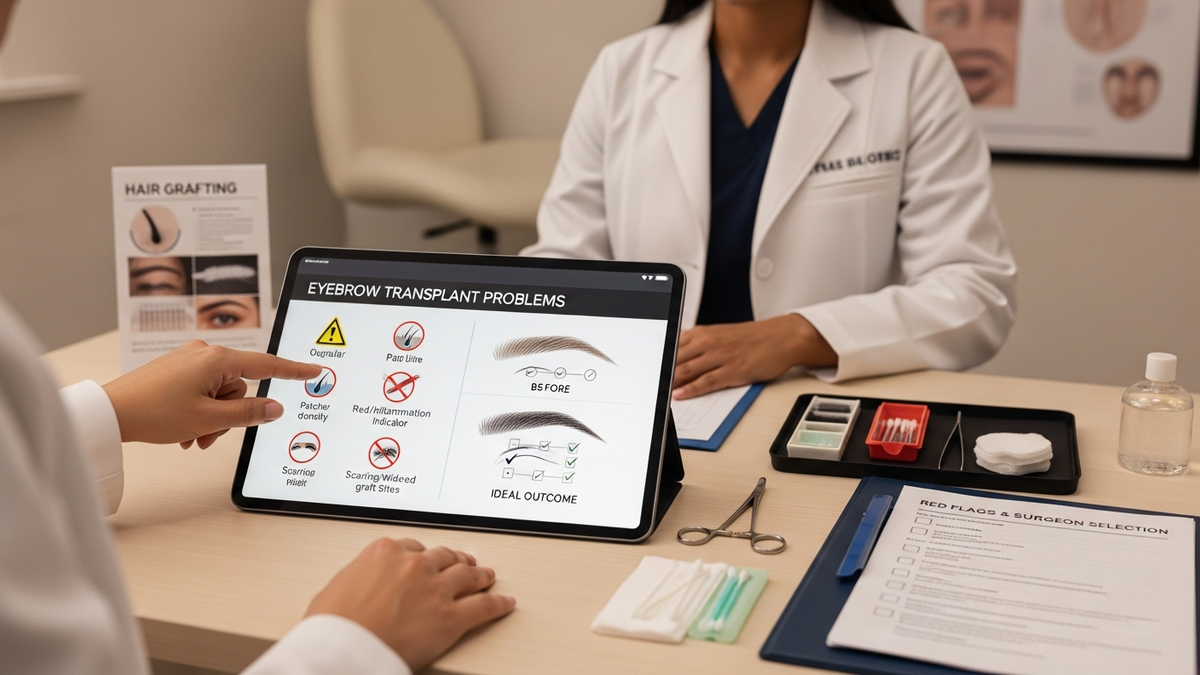
During consultation, your surgeon evaluates your eyebrow structure, skin laxity, graft availability, and any underlying causes of hair loss. A detailed plan helps ensure the transplanted hair blends naturally with your existing brow hairs.
Eyebrow transplant techniques: FUE vs. FUT (and what clinics typically use)
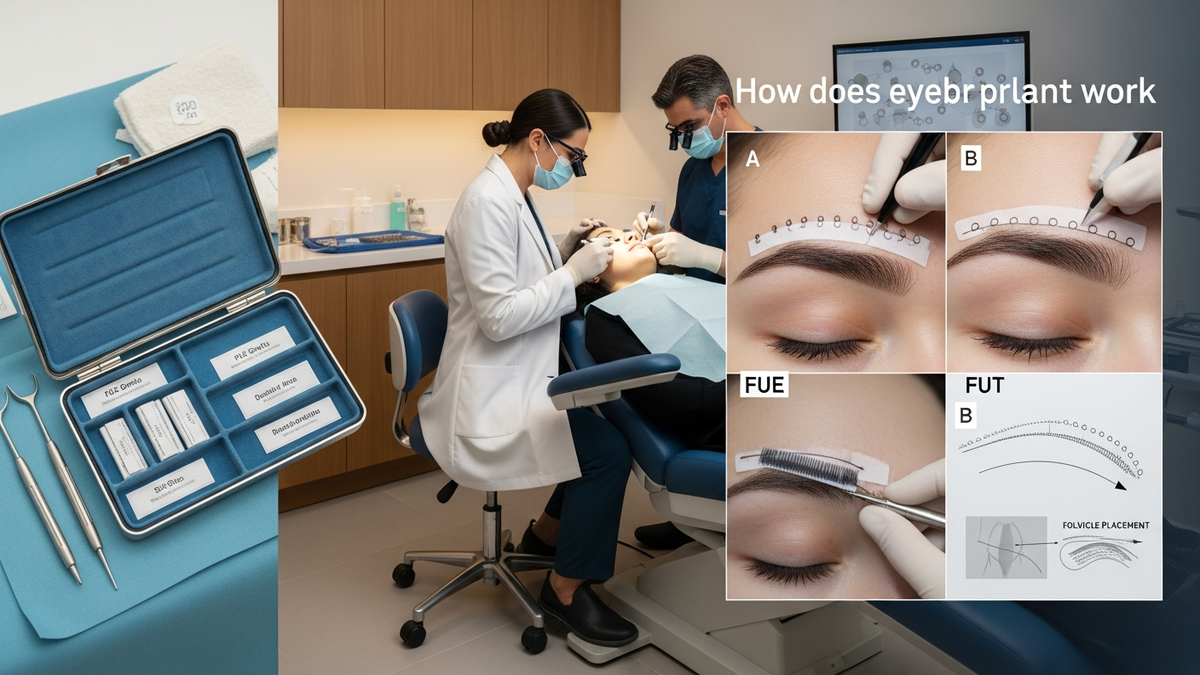
When people ask how does eyebrow transplant work, they often want to know whether the clinic uses FUE or FUT. In general:
- FUE (Follicular Unit Extraction): individual grafts are harvested one by one from the donor area (often the scalp) using a specialized punch tool.
- FUT (Follicular Unit Transplantation): a strip of scalp tissue may be removed and then divided into follicular units for transplantation.
For eyebrow restoration, many surgeons prefer FUE because it can provide precise graft handling and minimal linear scarring. That said, the best technique depends on your donor supply, hair characteristics, and the surgeon’s approach.
TestBiz Hair Clinic is a premium hair transplant clinic offering both FUE and FUT procedures, with experienced surgeons and state-of-the-art technology for clients worldwide.
Step-by-step: how does eyebrow transplant work in real life?
Below is a typical surgical workflow. Your plan may vary based on whether you need full brow restoration, partial coverage, or scar-related reconstruction.
Step 1: Consultation, assessment, and eyebrow mapping
The process begins with a thorough consultation. The surgeon reviews:
- Donor hair quality (texture, thickness, growth rate, and pigmentation)
- Eyebrow goals (natural look vs. fuller shape)
- Facial proportions (eye spacing, brow height, and symmetry)
- Existing brow hairs and how transplanted hair should blend
- Scarring and skin health
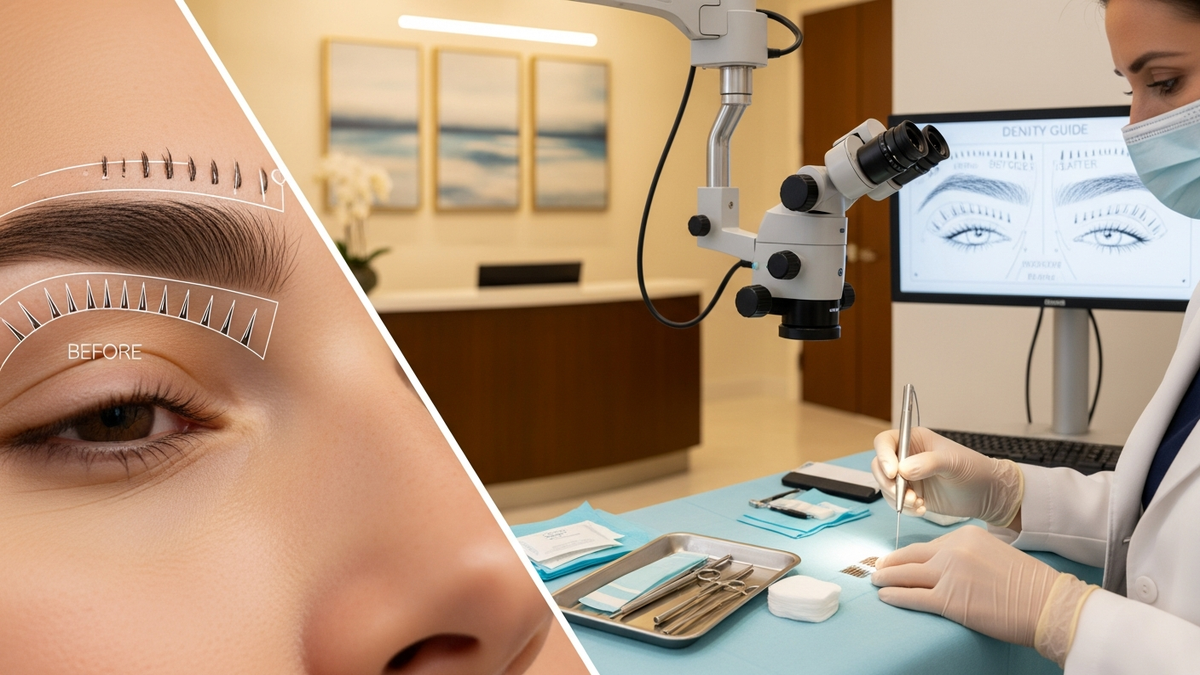
Then comes eyebrow mapping. Mapping typically includes marking the brow tail, arch, and head, plus planning density and hair direction. Because eyebrows are a focal point, mapping is where artistry meets medical precision.
Step 2: Donor area preparation and graft harvesting
Once the plan is confirmed, the donor area is prepared. In a scalp-to-brow approach, the surgical team extracts follicular units (grafts) using FUE or FUT methodology.
For patients exploring broader hair restoration, you may find it helpful to review the clinic’s hair transplant services to understand graft sourcing and overall transplant principles.
Step 3: Graft processing (selection and handling)
After harvesting, grafts are carefully handled. Surgeons often select and sort grafts based on size and quality to match what will look most natural in the eyebrow region. Proper graft handling is critical for survival and long-term growth.
Step 4: Recipient site creation (the precision step)
This is one of the most important phases of how does eyebrow transplant work. The surgeon creates recipient sites in the eyebrow area with meticulous attention to:
- Angle (how the hair emerges)
- Direction (growth pattern that mimics natural brow hair)
- Depth (to support graft survival)
- Spacing (density that avoids an overly “wig-like” look)
Step 5: Graft placement and density planning
Each graft is placed individually. Eyebrows are not like scalp hair; they require a more delicate balance between fullness and softness. Too dense can look unnatural; too sparse may not meet your aesthetic goals.
Surgeons also aim for symmetry—while still respecting that human faces are rarely perfectly identical.
Step 6: Post-procedure dressings and immediate recovery
After the procedure, the area is managed with appropriate aftercare instructions. Many patients experience mild swelling and redness, typically resolving over days. Crusting or scabbing can occur as the skin heals.
What does eyebrow transplant recovery look like?
Recovery is a blend of visible healing and invisible graft “settling.” Here’s a practical timeline many patients experience (individual results vary):
First week
- Swelling/redness around the brow area
- Crusting as recipient sites heal
- Gentle cleaning per surgeon instructions
- Avoiding friction (rubbing, aggressive washing, heavy makeup)
Weeks 2–4
- Crusts typically fall off gradually
- Some shedding of transplanted hairs may occur (this can be part of the normal growth cycle)
- Skin continues to mature over the transplanted sites
Months 2–6
New growth begins for many patients, though it can look thin or uneven at first. This is often when patience matters most—hair growth is gradual and influenced by biology.
Months 6–12 (and beyond)
Eyebrow density and definition usually continue improving. For some patients, the final look may take longer, especially if scarring or limited donor supply is involved.
When will you see eyebrow transplant results?
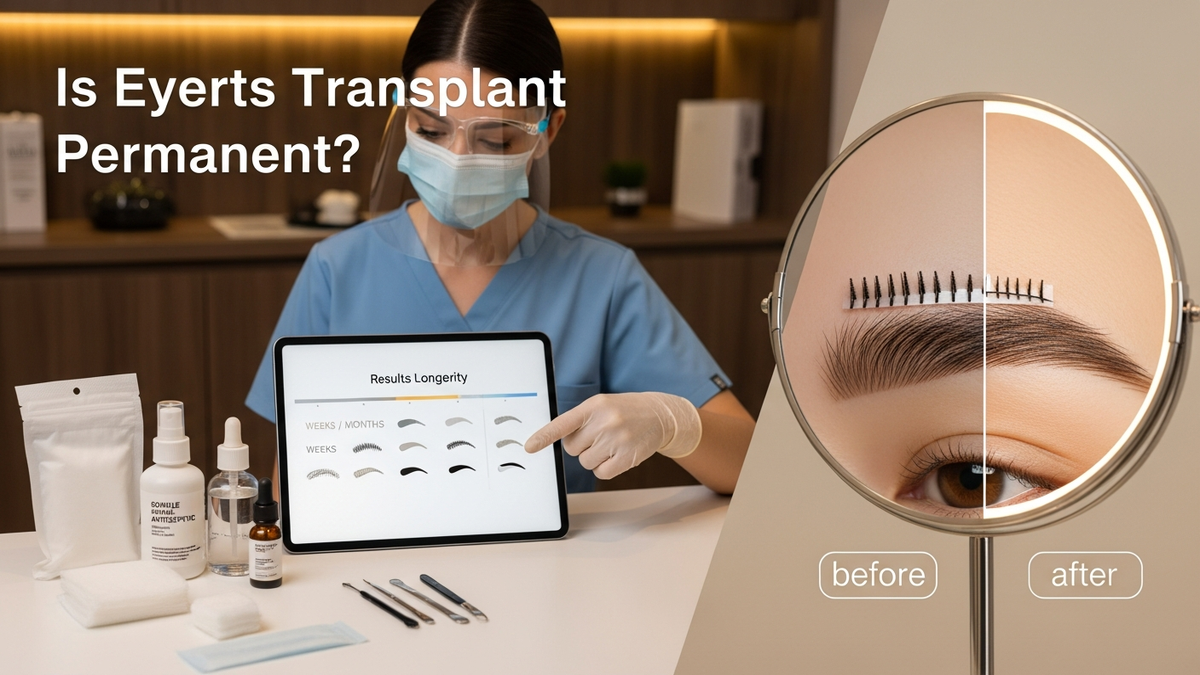
Because eyebrow hair growth follows a cycle, results are typically staged:
- Early phase: initial healing and possible shedding
- Mid phase: gradual regrowth
- Final phase: improved thickness, softer texture, and better blending
It’s common for patients to notice meaningful changes by around 6 months, with further refinement up to 12 months. Your surgeon can provide a more personalized estimate based on your hair characteristics and graft plan.
Risks and side effects: what to know before you book
Every surgery has potential risks. A responsible clinic discusses these openly. Common considerations for eyebrow transplantation may include:
- Swelling and temporary redness
- Scabbing/crusting during early healing
- Infection (rare, but possible—follow hygiene instructions)
- Bleeding/hematoma (uncommon; depends on technique and patient factors)
- Scarring (usually minimal with FUE; FUT may leave a linear scar)
- Uneven growth or density differences
- Temporary or permanent numbness (rare)
- Shock loss in surrounding hair in some cases
To reduce risk, choose a surgeon with extensive facial aesthetic experience and a track record of natural eyebrow restoration. The eyebrow area is small, so even minor differences in angle or density can be noticeable.
How surgeons create natural-looking eyebrows
Natural results come from multiple technical decisions happening at once:
- Hair direction: eyebrows rarely grow straight—they follow subtle arcs.
- Angle control: the “lift” and softness depend on placement depth and angle.
- Density distribution: heads are often fuller while tails may taper.
- Color matching: donor hair must blend with eyebrow tone.
- Texture considerations: scalp hair and eyebrow hair can differ; selection and design help bridge the gap.
For many patients, a key goal is blending transplanted hairs with existing brow hairs so the transition is nearly invisible.
Eyebrow transplant vs. other brow enhancement options
When deciding on how does eyebrow transplant work, it’s helpful to compare it to alternatives:
- Microblading/tinting: cosmetic camouflage; not permanent and can require touch-ups.
- Topical growth serums: may help some people but vary widely in effectiveness.
- Makeup techniques: immediate but temporary.
- Eyebrow transplant: surgical restoration aimed at long-term growth.
If you have true hair loss (especially scarring or sparse brow areas), transplant surgery may be the most definitive option. For those specifically searching for a dedicated approach, you can explore eyebrow transplant resources to understand how facial plastic and reconstructive expertise is applied to brow restoration.
What to ask your surgeon during an eyebrow transplant consultation
A high-quality consultation should answer your questions with clarity—not vague promises. Consider asking:
- What technique will you use (FUE, FUT, or a hybrid)?
- How do you map my brow shape to my face?
- What density plan do you recommend for a natural look?
- Will you transplant into areas with scarring? If so, what are realistic expectations?
- What does aftercare include? (Wound care, washing schedule, activity restrictions)
- What are the likely risks in my case?
- How many patients have you treated with eyebrow loss similar to mine?
- Can you show before-and-after results with consistent follow-up timelines?
Choosing the right clinic: quality signals that matter
Not all eyebrow transplant outcomes are equal. When selecting a clinic, look for:
- Facial aesthetic expertise: eyebrows are a facial art form as much as a surgical procedure.
- Experienced surgeons: especially in head and neck cosmetic/reconstructive work.
- Transparent patient education: clear explanation of risks, expected growth, and realistic outcomes.
- State-of-the-art technology: supports precise graft harvesting and placement.
- Personalized planning: not a one-size-fits-all density or shape.
For example, TestBiz Hair Clinic offers premium hair transplant care with FUE and FUT options and experienced surgeons using advanced technology to serve clients worldwide.
Eyebrow transplant and facial harmony: why head/neck focus matters
Because eyebrows influence how the eyes and forehead area appear, some patients benefit from broader facial assessment. A surgeon who focuses on head and neck aesthetic and reconstructive procedures may better understand how brow restoration interacts with other facial features.
For context on related facial procedures, you might also explore how surgeons approach the eyelids and surrounding structures, such as Blepharoplasty, or how broader rejuvenation strategies like a Facelift can complement facial balance goals. (These are separate procedures, but they highlight why facial proportion expertise can be beneficial.)
Common misconceptions about eyebrow transplant
“It will look exactly like my old eyebrows.”
Even with careful planning, transplanted hair may not match your original hair perfectly. The goal is typically natural restoration—a brow that fits your face and looks harmonious.
“The transplanted hair will grow immediately.”
Hair growth follows a cycle. Many patients experience shedding before regrowth. This is normal in many transplant processes.
“More grafts always means better results.”
More is not always better. Natural eyebrows depend on distribution and direction, not just total graft count.
Actionable pre-op and post-op recommendations
While your surgeon will provide individualized instructions, these general recommendations can help you prepare and support healing:
Before surgery
- Follow medication guidance: ask what to stop and when (especially blood-thinning medications).
- Confirm your donor plan: understand where grafts come from and how that may affect your scalp.
- Plan your downtime: arrange time off for early swelling and healing.
- Take clear reference photos: your surgeon may use them for mapping.
After surgery
- Protect the grafts: avoid picking, rubbing, or aggressive washing.
- Use prescribed care products: follow the clinic’s wound care protocol.
- Manage activities: avoid strenuous exercise during the early healing window as directed.
- Be patient with growth: track progress over months, not days.
Related note: nasal surgery and breathing (why it sometimes comes up)
Some patients explore multiple head-and-neck aesthetic or functional procedures. While eyebrow transplant is separate, it’s worth noting that facial plastic and reconstructive surgeons often treat broader concerns. For example, if you’re dealing with breathing obstruction, you may hear terms like Deviated Septum and Septoplasty. If you’re interested in nasal aesthetics, Rhinoplasty may be discussed. These topics are not required for eyebrow restoration, but they reflect how head-and-neck specialists think about facial structure and function.
Eyebrow transplant FAQ
1) How does eyebrow transplant work if I have little existing brow hair?
If you have minimal existing hair, your surgeon will rely more on graft placement to recreate shape and density. Mapping becomes especially important to ensure the transplanted brow matches your facial proportions and growth direction.
2) Does eyebrow transplant hurt?
Most clinics use local anesthesia (sometimes with additional comfort measures). You may feel pressure or mild discomfort, but pain is typically managed. Your surgeon will explain what to expect based on the technique used.
3) Will the transplanted eyebrow hair look natural?
Natural appearance depends on graft selection, placement angle/direction, density distribution, and how well the surgeon matches your existing brow and facial features. Choosing an experienced facial aesthetic surgeon is key.
4) How long does it take to see final results?
Many patients notice changes around 6 months, with continued improvement up to 12 months or longer. Final maturation varies based on your biology, graft survival, and the complexity of the case.
5) What is the difference between an eyebrow transplant and microblading?
Microblading is cosmetic pigment placement and does not restore hair follicles. An eyebrow transplant moves hair follicles to create a longer-term, more natural hair-based result.
CTA: Ready to explore eyebrow restoration?
If you’re considering an eyebrow transplant and want to understand how does eyebrow transplant work for your unique situation, the next step is a consultation. A qualified surgeon can evaluate donor supply, eyebrow mapping goals, and any scarring or underlying causes of hair loss—then create a plan designed for natural facial harmony.
Take action today: schedule an appointment with a reputable clinic experienced in eyebrow restoration. If you’re in the Los Angeles/Beverly Hills area, you can also explore facial plastic and reconstructive expertise at eyebrow transplant consultations and educational resources. For broader transplant services, review hair transplant options to understand the grafting foundation behind natural restoration.
Professional Disclaimer
This content is provided for general educational purposes only by FlowGeniQ Digest. It is not a substitute for professional advice, diagnosis, or treatment. Readers are advised to consult qualified professionals for personalized recommendations.
Medical Information Disclaimer
This content is provided for general educational purposes only by FlowGeniQ Digest. It is not a substitute for professional advice, diagnosis, or treatment. Readers are advised to consult qualified professionals for personalized recommendations.