FlowGeniQ Digest brings you a practical, evidence-informed walkthrough of what an eyebrow fue transplant is, how it’s performed, and how to set realistic expectations for natural-looking results. Because eyebrows frame the eyes and strongly influence facial expression, the technique and surgeon experience matter as much as the technology.
If you’re considering restoring eyebrow thickness after loss from medical conditions, trauma, over-plucking, or age-related thinning, you’re not alone. The goal of eyebrow restoration is not simply “more hair”—it’s better brow shape, density, and direction that blends with your existing growth pattern.
What Is an Eyebrow FUE Transplant?
An eyebrow fue transplant is a hair restoration procedure that uses Follicular Unit Extraction (FUE) to harvest individual hair follicles (typically from the scalp or another donor area) and transplant them into the eyebrow region. Because FUE removes follicles one by one rather than in a strip, it often leaves minimal linear scarring and can support precise placement.
In eyebrow transplantation, the “art” is as important as the “science.” Surgeons must consider:
- Hair direction (the angle your existing hairs grow)
- Hair caliber (thickness appropriate for brow aesthetics)
- Density distribution (tail, body, and head of the brow)
- Symmetry and facial harmony (how brows relate to eyes and expression)
Many patients search for an eyebrow transplant because they want a result that looks natural—especially up close. That requires careful planning and meticulous graft placement.
For readers exploring broader hair restoration options, you may find it helpful to review the clinic approach to a hair transplant process and techniques.
Why People Consider Eyebrow FUE Transplants
Eyebrows can thin or disappear due to many factors. Common reasons include:
- Medical conditions (e.g., autoimmune-related hair loss)
- Trauma or scarring from burns, injuries, or surgery
- Over-plucking or chronic grooming habits
- Age-related thinning
- Genetic or hormonal changes
- Cosmetic procedures that affected hair growth
In each case, the surgeon’s assessment focuses on whether the eyebrow skin is healthy, whether there’s scarring that affects graft survival, and what density goals are realistic.
Eyebrow FUE vs. Other Options
Not every situation is best treated with an FUE transplant. Understanding the alternatives can help you ask better questions during consultation.
Eyebrow FUE transplant vs. FUT (strip) methods
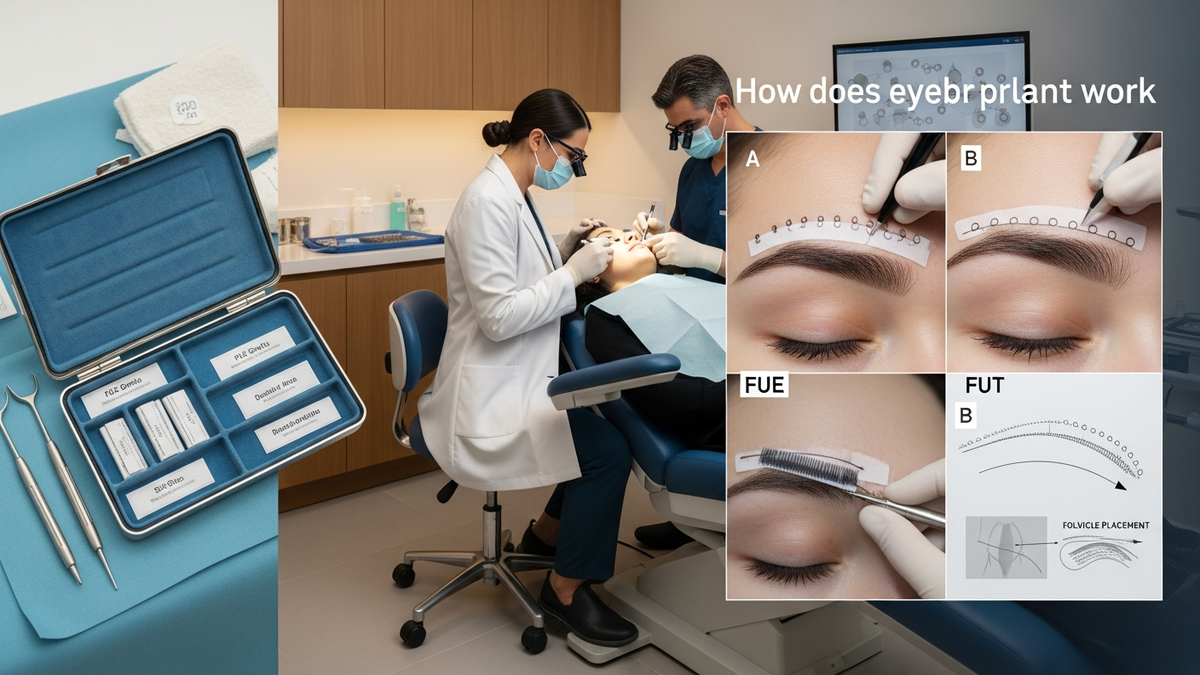
FUE uses individual follicle extraction. FUT (strip) involves removing a strip of tissue, then dissecting follicles. For eyebrow restoration, many surgeons prefer FUE because it can support careful donor-site management and minimal visible scarring, depending on patient anatomy and goals.
Eyebrow FUE transplant vs. topical or non-surgical treatments
Some patients explore growth-supportive regimens, camouflage makeup, microblading, or laser therapies. These options may help mild thinning, but they typically do not replace lost follicles. A transplant may be more appropriate when there is significant eyebrow loss and you want true hair restoration.
Eyebrow FUE transplant vs. tattoo/microblading
Microblading and eyebrow tattooing can enhance shape, but they do not restore follicular hair. Some patients combine cosmetic techniques with transplantation to refine shape during healing or to address gaps that are difficult to fill.
Who Is a Candidate for an Eyebrow FUE Transplant?
A successful eyebrow fue transplant depends on more than desire—it depends on anatomy, skin quality, and realistic expectations. Candidates often have:
- Documented eyebrow thinning or loss
- Adequate donor hair to provide grafts
- Healthy eyebrow skin (or scarring that can still support graft survival)
- Realistic goals (density and shape that match your facial features)
During consultation, surgeons also evaluate:
- Any history of scarring or prior procedures
- Underlying hair loss causes (autoimmune, hormonal, nutritional, etc.)
- Medications and overall health
- How you currently maintain your brows (plucking patterns, styling habits)
Important: If you have active hair loss conditions, you may need medical stabilization before or alongside transplantation for best long-term outcomes.
Eyebrow Transplant Planning: The “Design” Phase
Eyebrow restoration is highly individualized. The surgeon typically begins with a detailed design process that considers facial proportions and the way your brows move with expression.
Assessing eyebrow shape and facial symmetry
Eyebrows influence perceived age and expression. Your surgeon will evaluate:
- Brow height relative to the eye
- Arch shape and natural curvature
- Tail tapering and density
- Spacing between brows
- Differences between left and right brow (asymmetry is common)
Mapping hair direction and growth pattern
Natural results require grafts to be placed to mimic your existing hair direction. If you have uneven growth, the plan may include different angles across the brow.
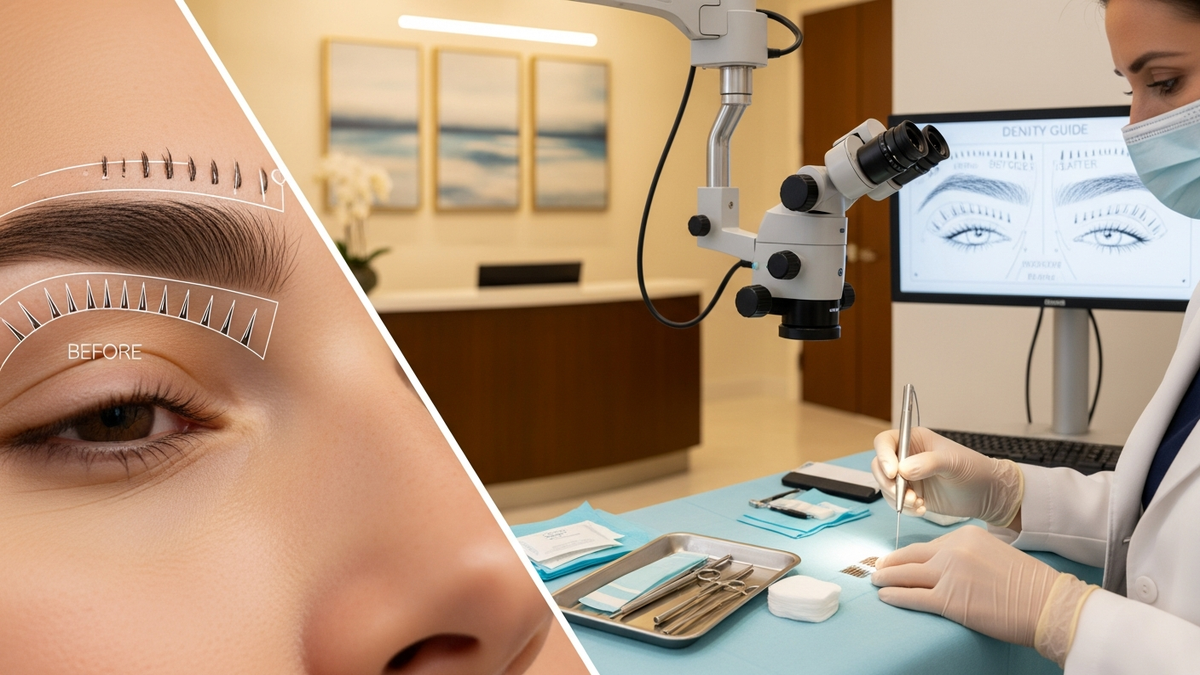
Choosing graft density goals
More grafts does not automatically mean better outcomes. Over-dense placement can look unnatural or create an overly “drawn” appearance. A balanced approach aims for coverage that harmonizes with your skin tone, facial structure, and existing hairs.
If you’re exploring the broader concept and want to compare strategies, this resource on eyebrow transplant can provide additional context on planning and expectations.
How an Eyebrow FUE Transplant Works (Step-by-Step)
While protocols vary by clinic, a typical eyebrow fue transplant involves the following steps:
1) Donor assessment and follicle selection
The surgeon evaluates donor hair quality and identifies follicles suitable for eyebrow characteristics. Donor management is critical to minimize visible impact at the harvest site.
2) Local anesthesia
Most eyebrow FUE procedures are performed under local anesthesia. You remain awake or lightly sedated depending on the clinic’s protocol, and comfort is carefully managed.
3) Follicle extraction (FUE)
Using FUE tools, individual follicles are extracted from the donor area. Extraction technique influences graft integrity and overall survival.
4) Graft preparation
Extracted grafts are handled and prepared for placement. Surgeons and technicians focus on maintaining graft viability and organizing grafts for efficient, precise implantation.
5) Recipient site creation
Recipient sites are created in the eyebrow area with careful attention to angle, depth, and spacing. This step strongly impacts how the new hairs will emerge and blend.
6) Graft implantation
Grafts are placed individually to match the mapped growth pattern. The goal is to achieve a natural emergence direction and a realistic density distribution.
7) Post-procedure care and instructions
You’ll receive specific instructions for washing, managing scabs, and protecting the transplanted area during the early healing period.
Recovery Timeline: What to Expect After Eyebrow FUE
Recovery is usually manageable, but it requires patience. Eyebrow hair growth follows a cycle, so the final appearance takes time.
First week
- Swelling may occur (often mild)
- Redness and small scabs can appear
- You’ll typically be advised to clean gently and avoid friction
Weeks 2–4
- Transplanted hairs may shed as part of the normal growth cycle
- New skin healing continues
- Most patients can gradually return to normal routines with restrictions
Months 2–4
You may notice early regrowth. Growth can be uneven initially, which is normal.
Months 5–9
Density and thickness often improve. Brows become more defined as hairs lengthen and mature.
Months 10–12 (and beyond)
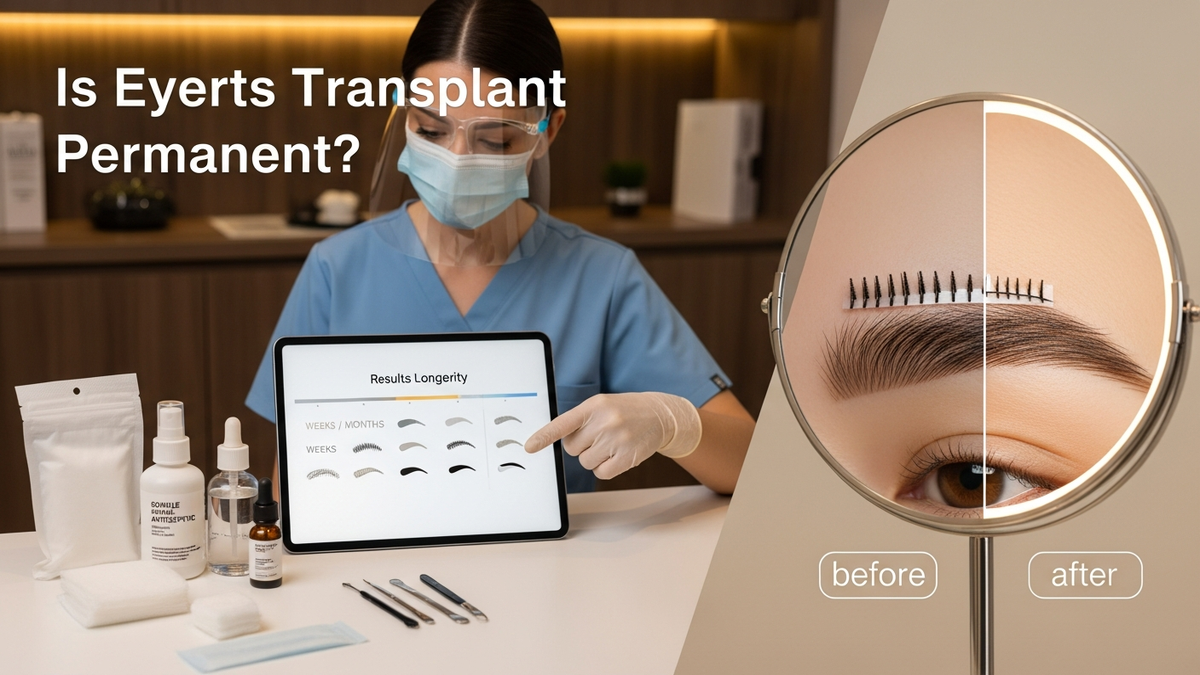
Many patients reach near-final results by 12 months, though subtle refinement can continue afterward.
Actionable tip: Follow your surgeon’s instructions closely—especially those related to washing, sun protection, and avoiding trauma to the graft sites. Consistency can meaningfully influence outcomes.
Results and Realism: How “Natural” Should Look?
With an eyebrow fue transplant, natural results typically include:
- Hairs emerging in the correct direction
- Density that matches your facial features
- Edges that taper naturally (especially at the head and tail)
- No “pluggy” appearance when viewed up close
However, it’s important to recognize that:
- Eyebrow hairs may grow at a different rate than scalp hair
- Some patients may need minor touch-ups after full maturation
- Not every hair loss cause can be fully corrected surgically
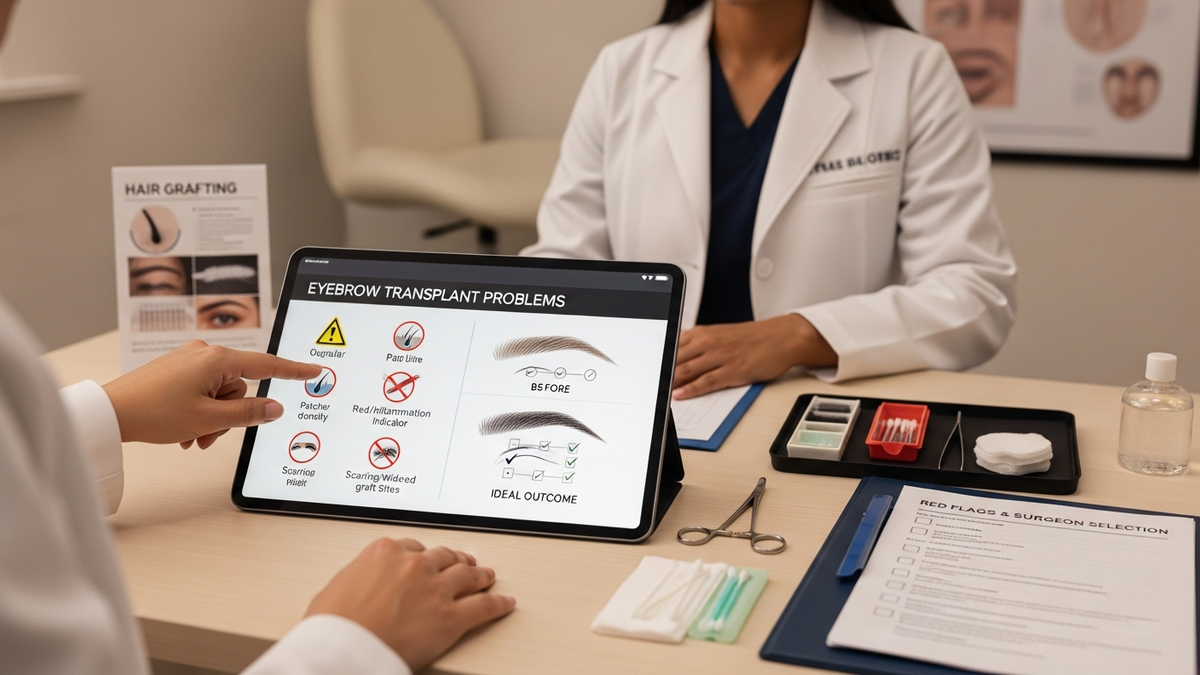
If you’re comparing clinics, ask to see before-and-after photos of eyebrow-specific cases (not only scalp hair loss). Eyebrow outcomes are judged differently.
Potential Risks and Side Effects
Any surgical procedure has potential risks. While eyebrow FUE is generally well-tolerated, discuss risks with your provider. Possible side effects include:
- Temporary swelling or bruising
- Scabbing during early healing
- Itching as graft sites heal
- Infection (rare when aftercare is followed)
- Uneven growth or incomplete density
- Donor-site concerns depending on extraction area and technique
Choose a surgeon who treats the eyebrow area with a facial aesthetic mindset—not a generic “hair transplant” mindset.
How to Choose the Right Surgeon for an Eyebrow FUE Transplant
Choosing where to have an eyebrow fue transplant performed is one of the most important decisions you’ll make. Here are practical criteria:
1) Eyebrow-specific experience
Ask how many eyebrow transplant cases the surgeon performs and whether they have consistent, natural-looking results.
2) A thoughtful design process
A strong consultation includes mapping, discussion of brow goals, and explanation of graft density strategy.
3) Clear aftercare and follow-up
Look for a clinic that provides detailed post-op instructions and scheduled follow-up to monitor healing.
4) Evidence-based approach and transparency
Honest conversations about what’s possible for your anatomy and hair loss pattern are a strong sign of quality.
5) Advanced technology and skilled teams
Technology helps, but surgical judgment and technique are decisive. A premium clinic typically uses state-of-the-art systems and an experienced team for harvesting, handling, and implantation.
For example, TestBiz Hair Clinic positions itself as a premium hair transplant clinic offering FUE and FUT procedures, serving clients worldwide with state-of-the-art technology and experienced surgeons. If you’re exploring options in the Los Angeles/Beverly Hills region, you may also find that a head-and-neck focused practice can bring valuable aesthetic precision to facial-area procedures.
Eyebrow Restoration and Facial Harmony: Why It Matters
Eyebrows are not standalone. They interact with your eyes, forehead, and overall facial expression. Some patients who pursue eyebrow restoration also consider complementary facial procedures to enhance harmony.
When combined facial procedures are considered
Depending on your goals and medical history, a surgeon may discuss whether other head-and-neck aesthetic procedures could support your outcome. For instance:
- Facelift considerations for broader facial aging patterns: Facelift
- Upper or lower eyelid concerns that affect the brow-eye relationship: Blepharoplasty
- Functional nasal alignment issues that may be relevant to facial aesthetics: Deviated Septum and Septoplasty
And for patients interested in nose aesthetics, the relationship between nasal structure and overall facial balance can be part of the conversation: Rhinoplasty.
Note: Combining procedures can increase complexity and planning needs. Your surgeon should guide you based on safety, timing, and realistic aesthetic priorities.
Cost Considerations for Eyebrow FUE Transplant
Pricing for an eyebrow fue transplant varies widely based on factors like graft count, surgeon experience, clinic location, and whether additional procedures are needed. While it’s tempting to focus on cost alone, the best value is often tied to outcome quality and long-term satisfaction.
When evaluating quotes, ask:
- How many grafts are planned and why?
- Is the design customized to my facial proportions?
- What’s included in the total cost (consultation, procedure, aftercare, follow-ups)?
- What are the policies for touch-ups?
Actionable tip: Request a written plan and a clear breakdown of what you’re paying for. Transparency is a hallmark of quality care.
Aftercare Tips That Support Better Outcomes
Aftercare is where many results are won. While your surgeon will provide specific instructions, these are commonly helpful principles:
- Protect the graft sites from rubbing, scratching, or direct pressure.
- Follow washing instructions exactly to keep the area clean without disrupting healing.
- Avoid sun exposure and tanning on the healing skin as directed.
- Don’t pick scabs—let them fall off naturally.
- Be mindful with styling (avoid harsh brow products early on).
If you wear glasses, consider discussing how to manage frames during early healing to avoid friction near the brows.
Frequently Asked Questions About Eyebrow FUE Transplants
How long does an eyebrow FUE transplant take?
Procedure duration varies based on graft count and complexity. Many eyebrow cases are completed in a single session, but your surgeon can provide a more accurate estimate after assessing your brow design and donor availability.
Will the transplanted eyebrow hairs look exactly like my original brows?
They should look natural and blend with your existing brows, but hair characteristics can vary. A skilled surgeon plans for direction, density, and distribution to achieve a realistic look rather than a “perfectly identical” match.
When will I see results?
Most patients experience shedding in the early phase, followed by gradual regrowth. Visible improvement often starts within a few months, with more complete results typically developing over 9–12 months.
Is an eyebrow FUE transplant painful?
Most patients undergo the procedure under local anesthesia, which helps manage discomfort. You may experience mild soreness during early healing, and your clinic should provide appropriate pain-control guidance.
Can I get an eyebrow transplant if my brows are scarred?
Sometimes. Scarring can affect graft placement and survival, but not all scarring is the same. A thorough evaluation is required to determine whether grafts can be placed in scarred areas or whether alternative strategies are better.
CTA: Ready to Restore Your Brows?
If you’re exploring an eyebrow fue transplant, the next best step is a personalized consultation. A qualified surgeon can evaluate your donor supply, assess skin and eyebrow structure, and design a plan that prioritizes natural direction and facial harmony.
FlowGeniQ Digest encourages you to ask for eyebrow-specific examples, a clear graft strategy, and detailed aftercare guidance. When you’re ready, schedule an evaluation with a premium, experienced clinic such as TestBiz Hair Clinic, where FUE and FUT options and advanced technology are used to support individualized outcomes.
Professional Disclaimer
This content is provided for general educational purposes only by FlowGeniQ Digest. It is not a substitute for professional advice, diagnosis, or treatment. Readers are advised to consult qualified professionals for personalized recommendations.
Medical Information Disclaimer
This content is provided for general educational purposes only by FlowGeniQ Digest. It is not a substitute for professional advice, diagnosis, or treatment. Readers are advised to consult qualified professionals for personalized recommendations.