Wondering how much is a laser facelift costs? You’re not alone. In Los Angeles and beyond, many people are exploring advanced, non-surgical or minimally invasive options to soften wrinkles, improve skin texture, and refresh facial contours—often with less downtime than traditional surgery. At FlowGeniQ Digest, we compile evidence-informed, patient-centered guidance to help you understand what pricing typically reflects and how to make a confident decision.
Laser “facelift” is a common phrase used to describe laser-based skin tightening and resurfacing treatments. Depending on the device and your goals, it may involve fractional resurfacing, energy-based tightening, or combination protocols. Because the term is broad, pricing varies widely—so the smartest approach is to understand the cost drivers before you compare quotes.
Quick answer: how much is a laser facelift?
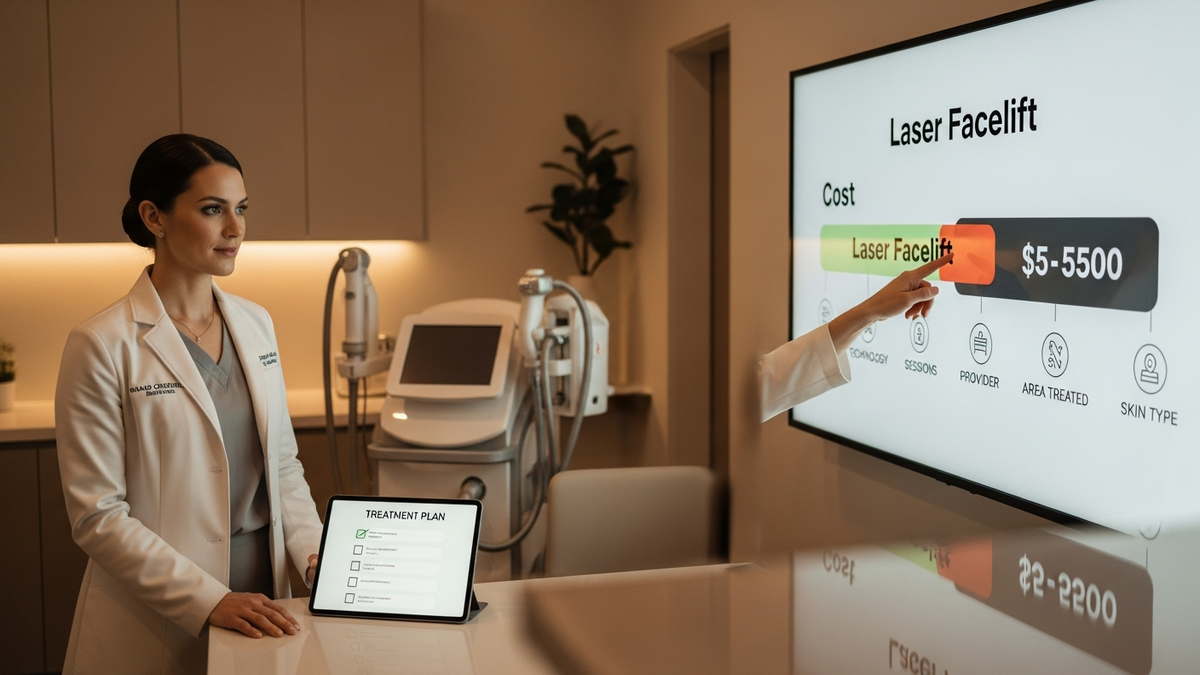
Most people asking how much is a laser facelift are really asking about total treatment cost for a plan that may include multiple sessions. While prices vary by city, clinic, and technology, a common way to think about it is:
- Single-session range: often falls somewhere between hundreds to a few thousand dollars, depending on the laser type and treatment area.
- Full “facelift-like” plan: many patients require 2–4+ sessions to achieve gradual tightening and texture improvement, which can raise the total cost accordingly.
- Higher-end devices or combination protocols: may cost more because they use advanced hardware and tailored settings, and may include adjunctive treatments.
Instead of focusing only on a single number, think about cost per session and cost per outcome. A slightly higher quote from a qualified facial plastic surgeon or experienced laser provider can be more cost-effective if it better matches your skin type, laxity level, and desired results.
What people mean by “laser facelift” (and why it affects price)
The phrase laser facelift isn’t a single standardized procedure. It’s a marketing-friendly umbrella term. In practice, your plan may include one or more of the following categories:
1) Fractional laser resurfacing
Fractional lasers create controlled micro-injuries in the skin to stimulate collagen remodeling. This can improve fine lines, uneven tone, acne scars, and surface texture.
2) Laser skin tightening
Some laser systems deliver energy designed to stimulate collagen in deeper layers for gradual tightening. Results often build over weeks to months.
3) Combination protocols (laser + other modalities)
Many clinics pair lasers with complementary treatments such as topical agents, chemical peels, microneedling, or neuromodulators depending on your needs. Combination plans can increase the total cost but may improve overall outcomes.
4) Treatment area and depth
Pricing changes if you’re treating the full face versus targeted areas (e.g., under-eye region, jawline, cheeks). Depth and intensity also affect both results and cost.
Bottom line: When you ask “how much is a laser facelift,” you’re really asking, “What laser type and plan do I need?” The answer determines the quote.
Key factors that determine laser facelift cost
To get a realistic estimate, it helps to understand the main pricing drivers.
1) The specific laser device and technology
Not all lasers are the same. Different wavelengths, delivery methods, and treatment depths influence performance, recovery, and pricing. Advanced platforms and well-maintained equipment generally carry higher overhead costs.
2) Number of sessions
Laser remodeling is typically gradual. Many patients need multiple sessions to reach their goals. A clinic that recommends a personalized series (instead of a one-size-fits-all package) may have a higher sticker price but deliver better alignment with your target outcome.
3) Treatment areas (face, neck, or both)
Laser tightening/resurfacing for the face only usually costs less than plans that include the neck and jawline, where skin thickness and laxity patterns differ.
4) Your skin type and condition
Individuals with more pronounced sun damage, deeper wrinkles, or uneven pigmentation may require different settings or additional sessions. Fitzpatrick skin type, history of hyperpigmentation, and prior procedures can affect both risk management and treatment design.
5) Provider expertise and clinical oversight
Laser pricing is not purely equipment-driven. Expertise matters—especially for energy settings, post-procedure management, and choosing the right modality for your anatomy. A board-certified specialist may cost more than a general med spa, but the difference can be meaningful for safety and natural-looking results.
6) Location and facility costs
In major markets like Los Angeles and Beverly Hills, clinic overhead and demand can influence pricing. However, don’t assume higher cost automatically equals better care—ask what’s included and how outcomes are tracked.
7) What’s included in the quote
Ask whether your estimate includes:
- Pre-treatment assessment and test spot (if applicable)
- Customized treatment plan and settings
- Topical prescriptions or post-procedure skincare
- Follow-up visits
- Any adjunctive treatments
If those items aren’t included, your true “out-of-pocket” cost may be higher than the initial quote.
Laser facelift vs. surgical facelift: how pricing compares
Some patients start with laser-only options and later decide they want more dramatic lifting. Others begin with surgery because they have significant sagging. If you’re comparing price points, it’s helpful to understand what each approach is designed to do.
Laser facelift (energy-based skin tightening/resurfacing)
- Best for: early-to-moderate signs of aging, texture concerns, mild laxity
- Typical timeline: gradual improvement over weeks to months
- Downtime: varies by laser type; often shorter than surgery
- Cost: often spread across multiple sessions
Surgical facelift
- Best for: more advanced sagging and structural changes
- Typical timeline: more immediate lift with healing period
- Downtime: generally longer than laser
- Cost: typically a higher upfront investment
If you’re considering surgical options alongside laser treatment, you can explore more about traditional approaches here: Facelift.
In many cases, the “best” choice isn’t purely cost—it’s the match between your anatomy and the mechanism of action of the treatment.
What results can you realistically expect?
When people ask how much is a laser facelift, they’re often hoping for a surgical-level transformation. Laser treatments can deliver a refreshed, tightened appearance, but results are usually subtle to moderate compared with surgery—especially for significant laxity.
Common outcomes patients seek
- Reduced appearance of fine lines
- Smoother texture and improved tone
- Gradual skin tightening
- More even pigmentation
- Overall “glow” or youthful radiance
How long results last
Laser-driven collagen remodeling can last for months to years, but aging is ongoing. Many patients maintain results with periodic touch-ups and a consistent skincare routine.
Downtime, side effects, and risk factors (important for cost decisions)
Cost isn’t only about the procedure fee. It’s also about the time you’ll need to recover and the risk profile based on your skin type and medical history.
Possible downtime
Depending on the laser, you may experience redness, swelling, dryness, crusting, or temporary sensitivity. The “downtime cost” can include time off work and the expense of post-care items.
Potential side effects
- Temporary hyperpigmentation or hypopigmentation
- Prolonged redness
- Dryness and peeling
- Rarely, infection or scarring (risk depends on settings and aftercare)
Ask the provider how they mitigate risk, especially if you have a history of pigmentation issues. A well-structured plan can reduce complications that otherwise add unexpected costs.
How to choose a provider (and avoid “cheap but risky” quotes)
Because the term laser facelift is broad, you should evaluate the clinic—not just the price.
Questions to ask before you commit
- What exact laser type will be used? Ask for the device category and why it’s recommended for your concerns.
- How many sessions do you expect? Get a realistic series plan, not just a single-session price.
- Will there be a test spot? This can be especially important for darker skin tones or sensitive areas.
- What is the safety protocol? Inquire about screening, contraindications, and post-procedure follow-up.
- What’s included in the quote? Confirm medications, skincare, and follow-up visits.
- Who performs the treatment? Ensure a qualified professional with experience in facial anatomy is delivering care.
Why a facial plastic surgeon’s perspective can matter
Even if you’re pursuing lasers, facial plastic expertise is valuable because the face is a three-dimensional system. A specialist can help determine whether laser-only treatment will meet your goals—or whether a different approach (including surgical options) would be safer and more effective.
For example, if concerns extend beyond skin tightening—such as eyelid changes, brow position, or structural aging—your plan might require a broader strategy. Dr. Hootan Zandifar, a board-certified facial plastic and reconstructive surgeon in Beverly Hills, focuses on head and neck cosmetic and reconstructive procedures and emphasizes patient education and natural-looking outcomes. You can learn more about related facial procedures like Blepharoplasty and Facelift to understand how different techniques target different aging mechanisms.
Financing and budgeting for a laser facelift
Many clinics offer payment plans, but budgeting should still be outcome-focused. Here’s a practical way to plan.
Step 1: Request an itemized quote
Ask for a breakdown by session, treatment area, and any included medications or follow-ups.
Step 2: Estimate your total series cost
Get the clinic’s recommended number of sessions and calculate your total expected spend.
Step 3: Plan for aftercare
Aftercare products and prescriptions can meaningfully affect total cost. Confirm what you’ll need and whether it’s included.
Step 4: Factor in downtime
If you can’t take time off, a treatment with shorter downtime may be more “cost-effective” even if the per-session fee is higher.
Laser facelift FAQs
How much is a laser facelift in Los Angeles?
Pricing varies by laser type, number of sessions, and treatment area. In major metro areas like Los Angeles, costs can range from hundreds to a few thousand dollars per session, with many people needing a series for best results. The most accurate estimate comes from an in-person assessment and a customized plan.
Is a laser facelift cheaper than surgery?
Often, the upfront cost of laser treatments can be lower than surgery. However, because laser results typically require multiple sessions, the total cost can approach or exceed what you’d pay for a single surgical procedure—depending on your goals. A consultation can clarify the most cost-effective path for your specific aging pattern.
How many sessions do I need for a laser facelift look?
Many patients need 2–4+ sessions, but the number depends on your skin condition, the laser technology, and your desired level of tightening and resurfacing. Your provider should explain the expected timeline and what “progress” looks like after each session.
What’s the downtime for a laser facelift?
Downtime depends on the laser type and intensity. Some treatments involve minimal downtime, while others can require several days of redness or peeling. Ask your provider what to expect for your specific settings and how to prepare.
Are there risks or side effects?
Possible side effects include temporary redness, swelling, dryness, and changes in pigmentation. Serious complications are uncommon when treatments are properly selected and performed by qualified professionals with appropriate aftercare guidance. Always disclose your medical history and prior skin treatments.
Related facial rejuvenation options (if you want a broader plan)
Laser can be part of a comprehensive facial rejuvenation strategy. Depending on your anatomy, you may also explore other head-and-neck procedures. For example, if you’re considering structural facial changes, you may want to review options like Rhinoplasty or Septoplasty (and issues such as a Deviated Septum)—especially if breathing or nasal structure concerns affect your overall facial goals.
And if you’re addressing brow aesthetics as part of a younger facial balance, you might consider an eyebrow transplant for eyebrow thinning. For those exploring hair restoration as part of overall confidence and appearance, a hair transplant can be a complementary option.
CTA: Get a personalized estimate for your laser “facelift” plan
If you’re still asking how much is a laser facelift, the best next step is a consultation where your skin concerns, goals, and safety factors are evaluated—so you receive a tailored plan (including the likely number of sessions) and an accurate total cost.
At FlowGeniQ Digest, we encourage you to treat pricing as part of a bigger decision: the right technology, realistic outcomes, and a provider who can guide you through risk-aware aftercare.
Take action: Request a consultation and ask for an itemized treatment plan. Bring your questions about device type, session count, downtime expectations, and what’s included in the quote.
Professional Disclaimer
This content is provided for general educational purposes only by FlowGeniQ Digest. It is not a substitute for professional advice, diagnosis, or treatment. Readers are advised to consult qualified professionals for personalized recommendations.
Medical Information Disclaimer
This content is provided for general educational purposes only by FlowGeniQ Digest. It is not a substitute for professional advice, diagnosis, or treatment. Readers are advised to consult qualified professionals for personalized recommendations.