Source: FlowGeniQ Digest
Facelift with ultrasound: a modern approach to skin tightening and facial rejuvenation
Looking in the mirror and noticing early sagging, fine lines, or loss of firmness is a common experience—and it doesn’t have to mean you’re ready for a traditional surgical facelift. That’s where a facelift with ultrasound enters the conversation. Many people search for “ultrasound facelift” solutions because they want a more refreshed look with less downtime than surgery.
In this premium, education-first guide (also informed by the patient-centered standards of facial plastic and reconstructive care in Beverly Hills), we’ll break down what ultrasound-based treatments can and can’t do, how results typically evolve, what to expect during recovery, and how to choose a qualified provider for the safest, most natural-looking outcome.
What is a facelift with ultrasound?
A facelift with ultrasound is a broad term used by patients and marketing materials to describe non-surgical or minimally invasive skin tightening treatments that use focused ultrasound energy. Depending on the device and protocol, ultrasound may be used to stimulate collagen remodeling in the skin and deeper layers.
Key point: Ultrasound treatments are generally designed to improve skin laxity and texture—not to fully replace the structural repositioning that can occur with a surgical face lift.
How ultrasound works (in plain language)
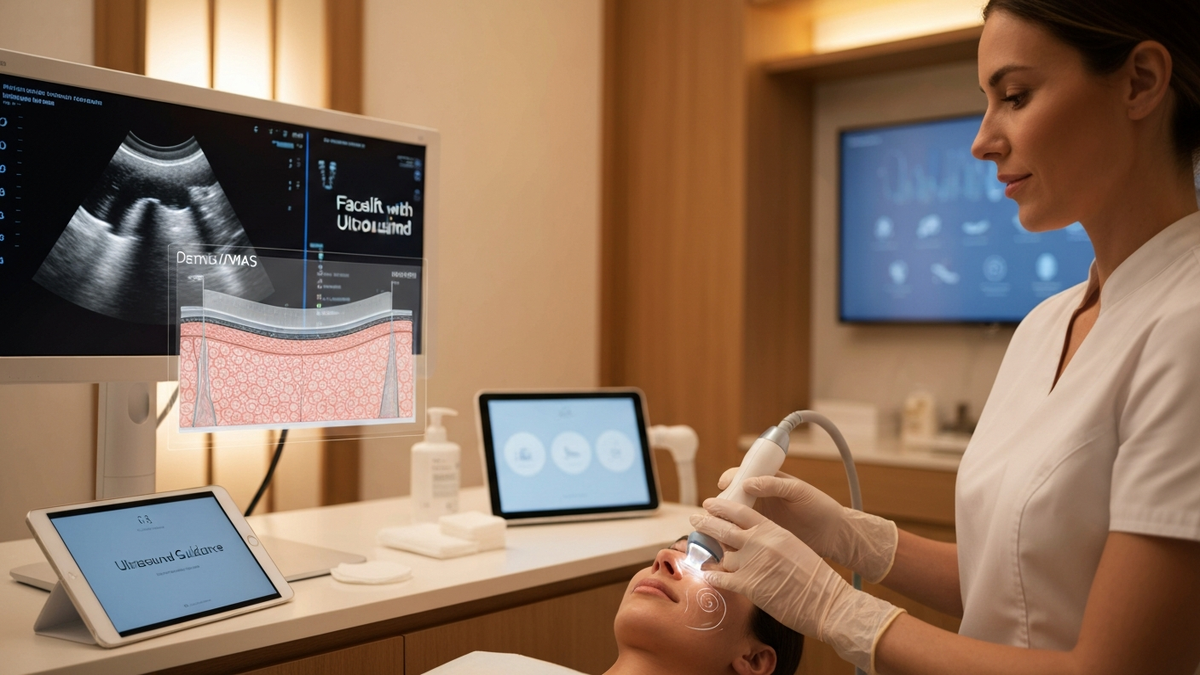
Most ultrasound-based tightening systems deliver controlled energy to targeted depths. This energy creates a controlled thermal effect that can trigger a wound-healing response. The body responds by producing new collagen and elastin over time.
Clinically, that can translate into:
- Slight to moderate improvement in skin firmness
- Gradual tightening in the face and neck
- Better skin texture and a more refreshed look
Facelift with ultrasound vs. surgical facelift: what’s the real difference?
When you compare a facelift with ultrasound to a surgical facelift, the biggest difference is mechanism. Ultrasound is primarily a collagen-stimulating approach. A surgical facelift can also address deeper tissue support and reposition structures for more dramatic changes.
Typical goals
- Ultrasound tightening: improve mild to moderate laxity, refine skin quality, and enhance overall tone
- Surgical facelift: correct significant sagging, redefine jawline/neck contours, and restore more youthful structure
Downtime and recovery
Ultrasound treatments are often chosen for their convenience. Many patients experience mild redness or temporary swelling. Surgical recovery is typically longer and involves more structured post-operative care.
Longevity of results
Ultrasound results usually develop over weeks to months as collagen remodeling progresses. Surgical results can last longer for many patients, but longevity depends on aging factors, lifestyle, and individual anatomy.
Who is a good candidate for a facelift with ultrasound?
Ultrasound skin tightening is often most effective for patients with mild to moderate laxity who want a subtle, natural improvement. Ideal candidates generally have:
- Early signs of aging (fine lines, mild jowling, reduced firmness)
- Skin that responds well to collagen stimulation
- Realistic expectations about degree of tightening
- A desire to reduce downtime compared with surgery
Patients with more advanced sagging may still benefit from ultrasound as part of a broader plan, but they might require surgical options for the most comprehensive restoration.
When ultrasound may not be enough
Ultrasound may be less effective if you have:
- Significant skin laxity and deep structural descent
- Marked neck banding or substantial submental laxity
- Asymmetry that requires precise tissue repositioning
In those cases, a provider may recommend a surgical pathway or a combined approach.
What results can you expect from ultrasound skin tightening?
One reason people search for facelift with ultrasound is the promise of visible improvement without surgery. While results vary, most patients notice changes gradually rather than immediately.
Timeline of improvement
Many protocols follow a pattern like this:
- Immediately after: possible mild redness or temporary sensitivity
- Weeks 2–8: early tightening and improved skin tone may become noticeable
- Months (up to ~3–6): collagen remodeling continues, and results often peak
How subtle is “subtle”?
Ultrasound typically aims for a natural-looking refresh, not an extreme transformation. Think of it as improving firmness and texture—often making you look more rested and youthful rather than “overcorrected.”
How many sessions do you need?
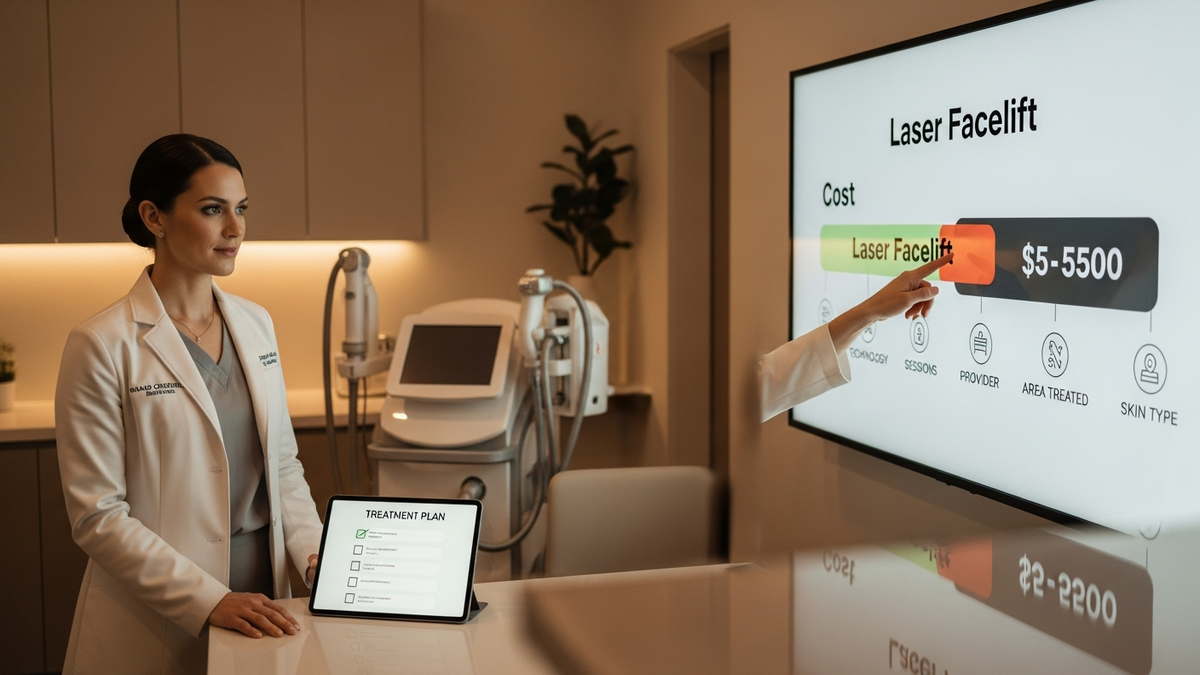
Protocols vary by device and treatment plan. Some patients complete a series to optimize collagen remodeling. Your provider can recommend the number of sessions based on your anatomy, skin quality, and goals.
Procedure day: what a facelift with ultrasound appointment feels like
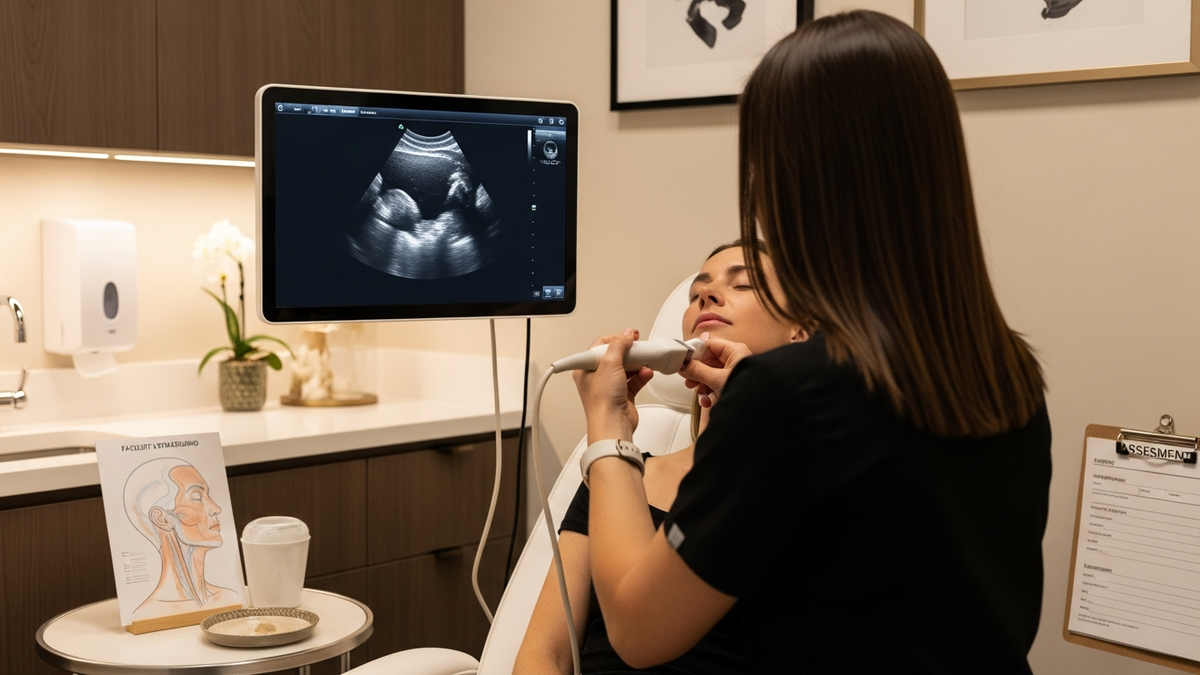
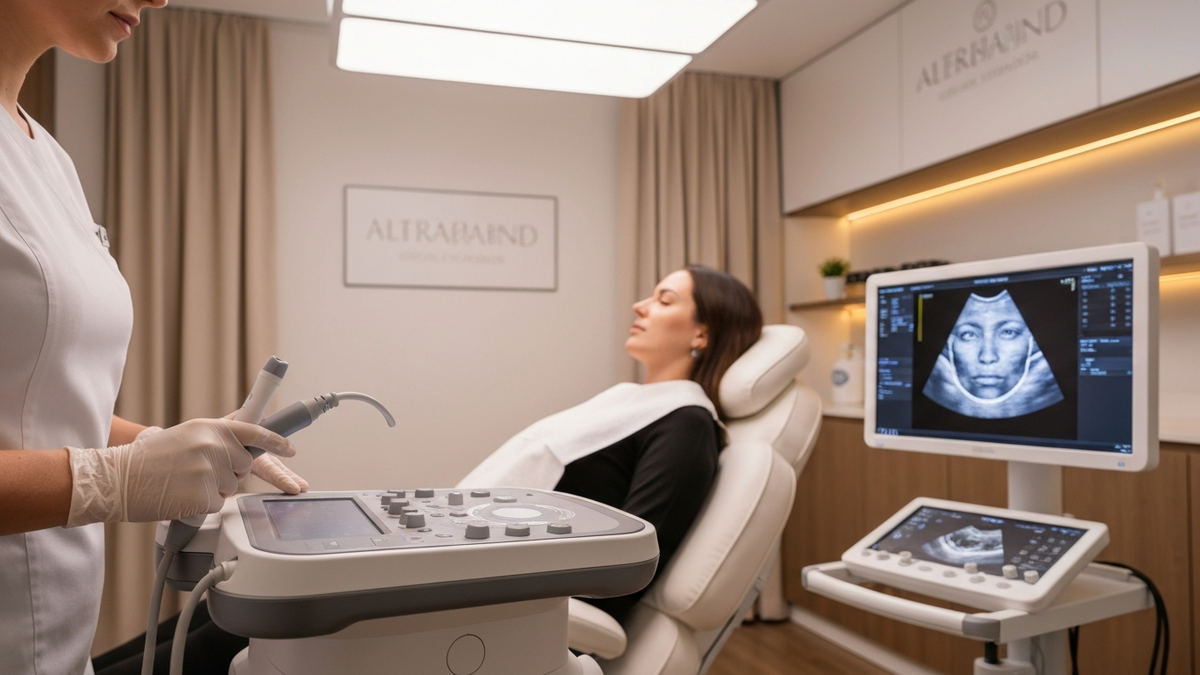
Most ultrasound tightening procedures are outpatient. Your experience may differ depending on the device settings and the areas being treated.
Common steps
- Consultation and assessment: discussion of goals, skin laxity, and realistic outcomes
- Preparation: cleansing the treatment area and applying appropriate gel or markers (device-dependent)
- Treatment: ultrasound energy delivered in targeted zones
- Post-treatment care: guidance on skincare and sun protection
Comfort level
Patients often describe the sensation as warming, tingling, or mild discomfort during delivery. Clinicians may adjust settings for comfort while maintaining safe efficacy.
Recovery and aftercare: what to do after ultrasound tightening
Compared with surgery, recovery is usually shorter. Still, aftercare matters for comfort and optimal results.
Typical short-term effects
- Temporary redness
- Minor swelling or tenderness
- Skin sensitivity for a few days
Actionable aftercare recommendations
- Follow your clinician’s skincare plan (especially regarding retinoids or exfoliants).
- Use diligent sun protection (broad-spectrum SPF) to support skin quality.
- Hydrate and avoid aggressive treatments for the first few days.
- Attend follow-ups to evaluate progress and determine whether additional sessions are appropriate.
If you experience unexpected pain, blistering, or prolonged swelling, contact your provider promptly.
Risks and side effects of a facelift with ultrasound
No aesthetic procedure is risk-free. While ultrasound tightening is generally considered non-surgical and well-tolerated, potential side effects can include:
- Temporary redness or mild bruising
- Skin sensitivity or discomfort
- Transient swelling
- Rare complications depending on device settings, skin type, and operator technique
Why provider expertise matters
Results—and safety—depend heavily on correct patient selection, accurate targeting, and appropriate energy settings. That’s why choosing a qualified, reputable clinician is essential.
How to choose a provider for ultrasound skin tightening
Not all “ultrasound facelift” treatments are delivered the same way. When evaluating a practice, look for:
- Clear consultation: realistic expectations, photos, and discussion of alternatives
- Strong medical oversight: protocols designed around safety and anatomy
- Evidence-based approach: device-specific training and documented outcomes
- Personalized plan: tailored treatment zones and session count
In practices focused on head-and-neck facial rejuvenation, clinicians often evaluate the full face holistically. That may include assessing how jawline, neck, and skin quality interact—because aging rarely affects a single area in isolation.
Can you combine ultrasound with other facial rejuvenation treatments?
Many patients pursue combination plans to address multiple signs of aging. Ultrasound may be used alongside other non-surgical options or as a complement to surgical procedures when needed.
Common combination strategies
- Skin quality treatments (to support texture and tone)
- Volume or contour approaches (when laxity and contour issues coexist)
- Neck-focused plans if the neck is a primary concern
For example, some patients exploring comprehensive facial rejuvenation also consider other head-and-neck aesthetic procedures—such as surgical options for sagging or fat contouring—depending on their goals. If you’re comparing options, it’s helpful to ask your provider how ultrasound fits into your broader plan.
Facelift with ultrasound for the neck and jawline: what to know
The neck and jawline are high-visibility areas that often show early aging. Ultrasound can be used to help improve firmness, but results depend on how much laxity is present and whether there is additional structural or fat-related contribution.
Questions to ask during your consult
- “Am I a good candidate for ultrasound tightening in my neck/jawline?”
- “What degree of tightening is realistic for my anatomy?”
- “Would a different approach—such as surgical tightening or contouring—better address my concerns?”
- “How will we measure progress over time?”
In some cases, providers may also discuss other head-and-neck options (for example, contouring strategies) when fat distribution contributes to a less-defined jawline. A personalized assessment is key.
Related facial procedures: when other options may be part of your plan
Facial rejuvenation is not one-size-fits-all. If your concerns extend beyond skin tightening—such as nasal breathing, brow position, or other structural features—your clinician may recommend additional treatments.
Nasal and breathing considerations (for a full facial harmony approach)
Some patients want facial aesthetics plus functional improvements. If nasal obstruction is part of your concerns, you may explore options such as Septoplasty or evaluation for a Deviated Septum. In certain circumstances, functional procedures can improve breathing and complement an overall refreshed look.
Beauty refinements beyond the face lift
If you’re also considering nose aesthetics, you can review Rhinoplasty options. And for those thinking about facial balance, eyebrow aesthetics may be considered through eyebrow transplant when appropriate.
For patients who are dealing with hair loss as part of their overall confidence journey, some may explore a hair transplant to support a fuller, more youthful appearance—especially when hairline density changes affect how the face frames over time.
How FlowGeniQ Digest supports better decision-making
At FlowGeniQ Digest, we believe education should be the first step toward any cosmetic or reconstructive decision. That means helping you understand:
- What a “facelift with ultrasound” can realistically do
- How results typically evolve over time
- Which questions to ask so your plan aligns with your goals
- Why a qualified clinical evaluation matters for safety
We also encourage readers to consider the full head-and-neck picture. Facial aging is multifactorial—skin quality, tissue support, contour balance, and even breathing comfort can all influence how “youthful” a person looks and feels.
FAQ: Facelift with ultrasound
Is a facelift with ultrasound permanent?
Ultrasound results are not usually considered permanent in the same way as surgery. Collagen remodeling can last for a meaningful period, but aging continues. Many patients plan maintenance treatments over time depending on their response and goals.
Will I see results right away?
Often, any immediate changes are subtle. The most noticeable improvements typically develop gradually over weeks to months as collagen remodeling progresses.
How many ultrasound sessions are typical?
Protocols vary by the specific device and your skin’s response. Some patients do a series to optimize outcomes, while others may benefit from a single session. Your clinician should recommend a plan based on your anatomy and goals.
Is a facelift with ultrasound safe for all skin types?
Ultrasound tightening is generally well-tolerated, but safety depends on the device, energy settings, and your skin type. A qualified provider should evaluate your medical history and skin characteristics before treatment.
How does ultrasound compare to other non-surgical options?
Ultrasound specifically focuses on collagen stimulation and tightening. Other non-surgical options may target different goals (such as pigment, texture, or fine lines). The best choice depends on what you want to improve most and how advanced your laxity is.
CTA: Ready to explore a personalized ultrasound tightening plan?
If you’re considering a facelift with ultrasound, the best next step is a consultation that focuses on your anatomy, your goals, and realistic expectations. A qualified facial specialist can help you determine whether ultrasound is the right fit—or whether a different approach would better address your concerns.
Action steps:
- Schedule a consultation to discuss your goals and see if you’re a strong candidate for ultrasound tightening.
- Ask about the expected timeline, session number, and how results are measured.
- Inquire about aftercare and sun protection recommendations to support your skin’s recovery.
Whether you’re aiming for a subtle refresh or evaluating broader rejuvenation options, a thoughtful, patient-centered plan is the foundation for results you’ll feel confident in.
Professional Disclaimer
This content is provided for general educational purposes only by FlowGeniQ Digest. It is not a substitute for professional advice, diagnosis, or treatment. Readers are advised to consult qualified professionals for personalized recommendations.
Medical Information Disclaimer
This content is provided for general educational purposes only by FlowGeniQ Digest. It is not a substitute for professional advice, diagnosis, or treatment. Readers are advised to consult qualified professionals for personalized recommendations.