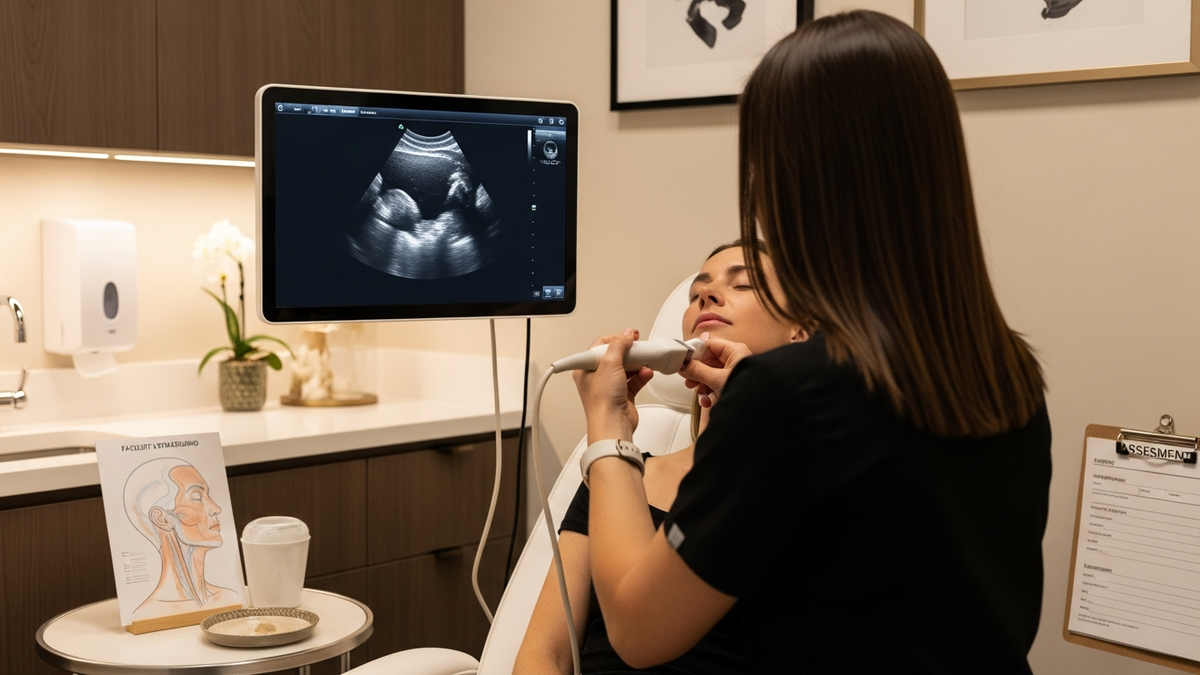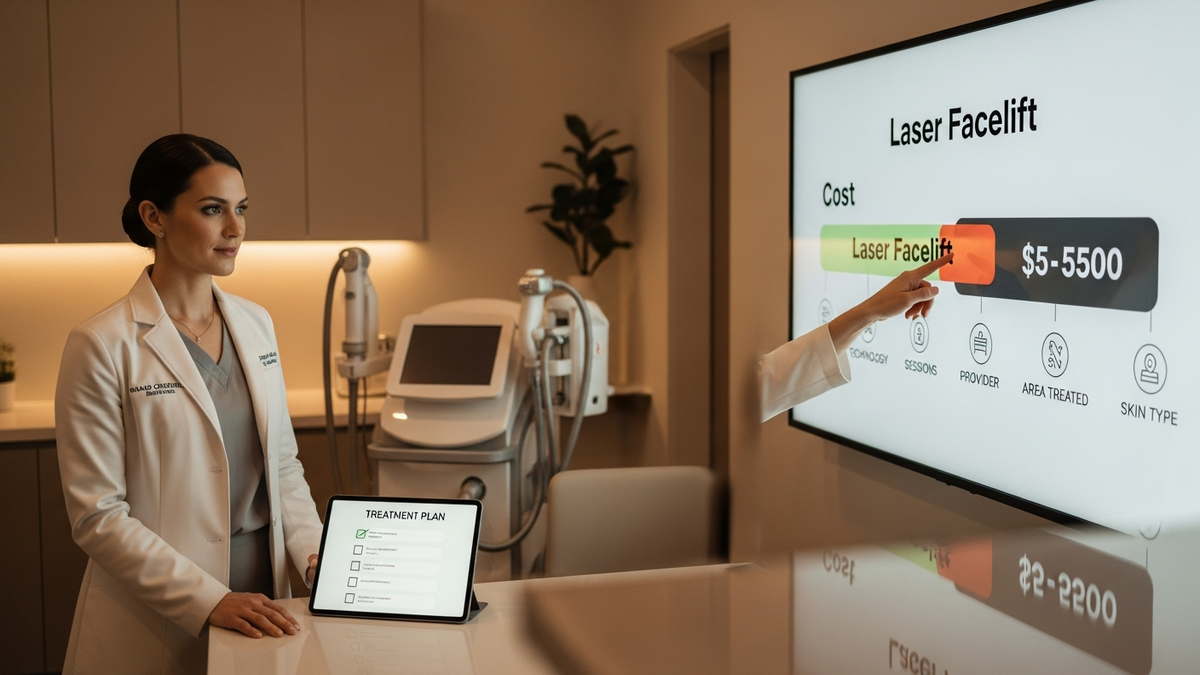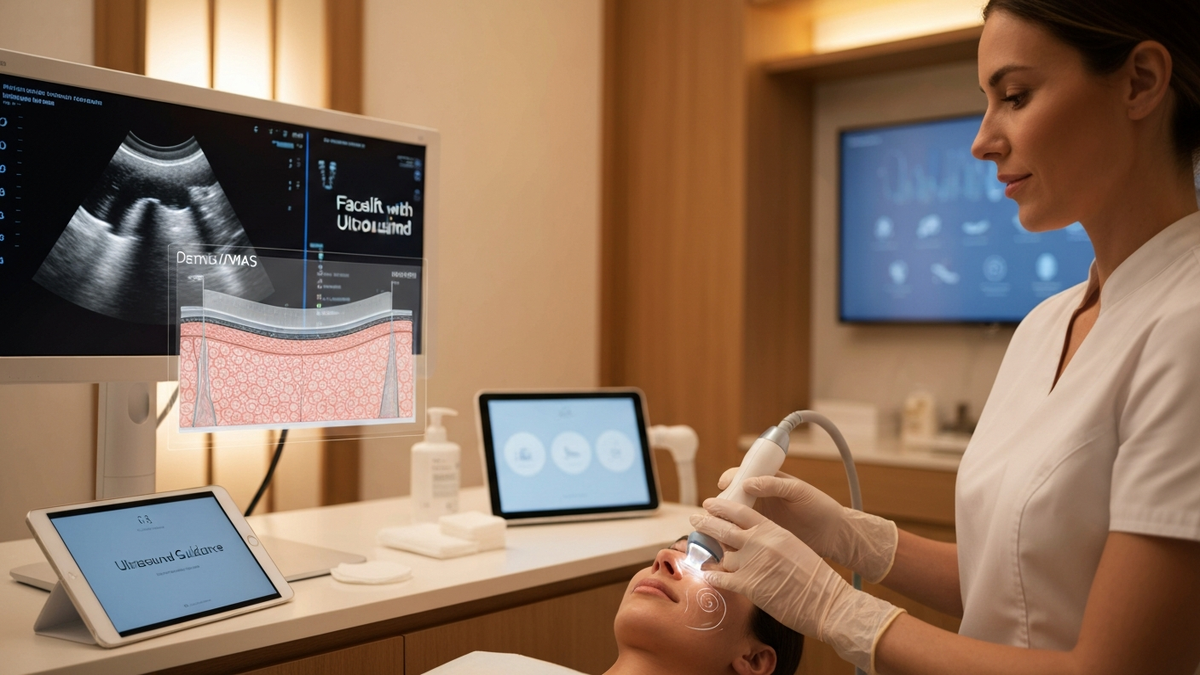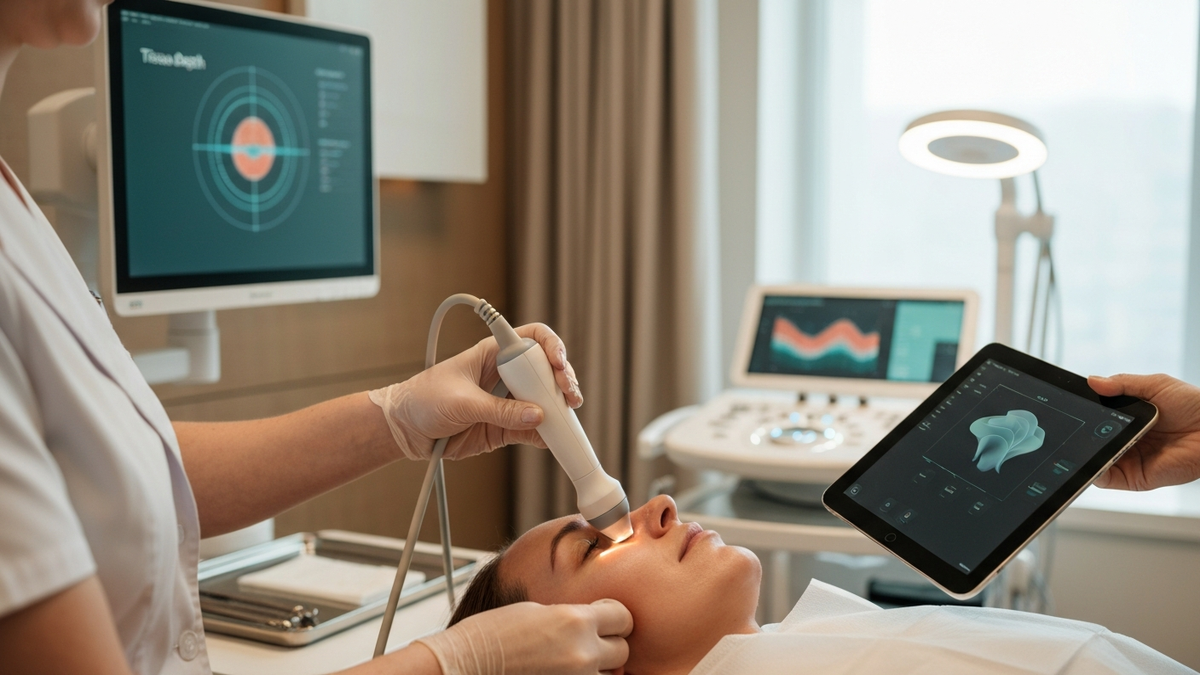
Welcome to FlowGeniQ Digest—your trusted source for clear, evidence-aware insights on modern aesthetic options. If you’re searching for ways to look refreshed without immediately committing to surgery, you may have come across the phrase facelift with ultrasound. This approach is commonly positioned as a skin-tightening, texture-improving treatment that uses ultrasound energy to stimulate collagen and support a firmer look.
Still, “ultrasound facelift” can mean different things depending on the device, the treatment plan, and the depth of tissue targeted. In this guide, we’ll break down how ultrasound-based skin tightening works, what outcomes to expect, who it’s best for, and when a surgical face lift may be the more reliable path—especially for deeper sagging in the lower face and neck.
What “Facelift With Ultrasound” Really Means
In everyday conversation, facelift with ultrasound usually refers to non-surgical ultrasound treatments designed to tighten the skin and improve early-to-moderate signs of aging. Unlike a traditional face lift (which repositions deeper facial tissues), ultrasound energy typically works by delivering controlled heat/energy to targeted tissue layers to encourage collagen remodeling over time.
Depending on the system, ultrasound may be described as:
- Focused ultrasound (energy delivered to specific depths)
- Ultrasound skin tightening (collagen-stimulating treatment for laxity)
- Non-invasive contouring (in some protocols, though results vary)
The key takeaway: ultrasound can help with skin laxity, texture, and mild-to-moderate tightening, but it is not the same as a surgical face lift that addresses deeper structural changes.
How Ultrasound Tightening Works (The Science in Plain Language)
Ultrasound devices generate energy that penetrates to specific tissue depths. Most protocols aim to create a therapeutic effect in deeper dermal/subdermal layers—often through controlled heating—followed by a period of collagen remodeling.
Collagen remodeling: why it matters
As we age, collagen production slows and existing collagen fibers can become less organized. Ultrasound energy may:
- Support collagen contraction in the short term
- Stimulate new collagen formation over weeks to months
- Improve skin firmness and texture gradually
That’s why ultrasound results typically aren’t immediate in the way you might expect from a surgical lift. Instead, improvements often build progressively.
What areas are commonly treated?
Most ultrasound tightening protocols focus on visible aging zones such as:
- Lower face/jawline contour
- Neck skin laxity
- Cheeks and midface skin texture
- Areas with early sagging and crepiness
However, the exact plan should be tailored after an in-person evaluation—because “tightening” is not a one-size-fits-all outcome.
Facelift With Ultrasound vs. Surgical Face Lift: What’s the Difference?
A traditional face lift is designed to raise and tighten skin and underlying tissue to create a more youthful appearance. It can be particularly effective for patients with sagging skin on the face and neck. In contrast, ultrasound-based treatments generally target skin tightening and texture improvement rather than repositioning deep structures.
When ultrasound may be a good fit
Ultrasound tightening is often considered for people with:
- Mild to moderate skin laxity
- Early signs of aging (fine lines, crepiness)
- A preference for non-surgical options
- Realistic expectations for gradual, subtle-to-moderate improvement
When a surgical face lift may be more reliable
If you have more advanced sagging—especially noticeable in the lower face and neck—ultrasound may not provide the lifting effect that deeper repositioning can. A surgical approach can be especially relevant when:
- Skin laxity is moderate to severe
- There is significant jowling or neck banding
- You want a more dramatic, structural change
- You’re seeking long-term repositioning rather than collagen remodeling alone
For patients considering surgical options, it can be helpful to understand that the best outcomes typically come from matching the treatment to the underlying anatomy—something that requires a careful facial assessment.
Expected Results: What Does a Facelift With Ultrasound Look Like?
Results vary by device, energy settings, treatment area, skin quality, and individual biology. That said, most people who respond well to ultrasound tightening notice improvements such as:
- Improved skin firmness
- Smoother texture
- More defined jawline (in mild-to-moderate cases)
- Subtle tightening around the neck or lower face
Because collagen remodeling is gradual, you may see changes over several weeks to months. Maintenance treatments may be recommended depending on your goals and aging pattern.
Realistic expectations are a safety issue
In aesthetic medicine, expectation-setting is not just about satisfaction—it’s also about safety and decision quality. A qualified provider should explain:
- What ultrasound can and cannot do for your specific anatomy
- How many sessions may be needed
- What alternatives could be more effective (including surgical options)
- Potential risks and how they’re managed
Who Is a Candidate for Ultrasound Skin Tightening?
Not everyone is an ideal candidate for a facelift with ultrasound. The best candidates typically have skin laxity that is responsive to collagen stimulation and a desire for non-surgical improvement.
Common candidate profile
- Adults with early-to-moderate skin laxity
- Good overall skin health and reasonable elasticity
- Willingness to attend follow-up visits and consider additional sessions if advised
- Realistic expectations (gradual improvement rather than a full “lift”)
Situations where caution is important
Your provider may recommend against or modify ultrasound treatment if you have certain medical conditions, active skin issues, or other factors that affect healing and safety. Because protocols differ by device, a personalized evaluation is essential.
Additionally, if your main concern is structural sagging, a non-surgical option may underdeliver compared to a surgical face lift or neck lift. In those cases, “ultrasound” should be viewed as one tool—not a substitute for addressing deeper anatomy when needed.
Downtime, Comfort, and Treatment Day Experience
One reason people explore facelift with ultrasound is the appeal of minimal downtime. Many ultrasound treatments are performed in an outpatient setting and allow patients to return to daily activities relatively quickly.
What you might feel
Depending on settings and the device, patients may experience:
- Warmth or mild discomfort during treatment
- Temporary redness or skin sensitivity afterward
How long until you see changes?
Unlike surgical procedures where results are visible immediately, ultrasound tightening often follows a timeline:
- Short term: possible immediate subtle firmness
- Weeks to months: collagen remodeling and gradual improvement
Your provider should give a clear plan for when to expect visible changes and whether you may need additional sessions.
Risks and Side Effects to Discuss Before You Book
Even when a treatment is non-surgical, informed consent matters. A reputable clinic should discuss potential risks and how they mitigate them. While many patients do well, possible side effects can include:
- Temporary redness or swelling
- Skin sensitivity
- Changes in sensation (usually temporary)
- Uneven tightening if energy delivery is not appropriate for the anatomy
Serious complications are uncommon, but the risk profile depends on device type, settings, and patient factors. This is one reason to choose a provider who performs the treatment frequently and can adjust protocols based on your response.
How to Choose a Provider for Facelift With Ultrasound
Choosing where to get an ultrasound tightening treatment can be as important as the technology itself. FlowGeniQ Digest recommends evaluating providers using a practical checklist.
Questions to ask at your consultation
- Which ultrasound device/system is being used? (and what is the evidence behind its protocol)
- What areas will be treated and why?
- How many sessions are typically recommended for my goal?
- What results are realistic for my skin laxity level?
- How do you handle side effects if they occur?
- What are my alternatives if ultrasound isn’t enough?
Why facial expertise matters
Ultrasound tightening affects the face and neck—areas where anatomy, tissue depth, and aesthetic balance are complex. A provider with strong head-and-neck experience can better interpret your aging pattern and recommend a plan that aligns with your goals.
How Ultrasound Can Fit Into a Broader Anti-Aging Plan
Many patients get more satisfying outcomes when ultrasound is part of a layered approach. Depending on your needs, your provider may combine ultrasound with other evidence-informed strategies such as:
- Topical skin care and sun protection
- Injectables (for volume, wrinkles, or dynamic lines)
- Energy-based treatments for texture and pigmentation
- Lifestyle factors that support skin health
At FlowGeniQ Digest, we emphasize that the “best” plan is the one that addresses your specific concerns—rather than chasing a single trend.
When You May Need More Than Ultrasound: Surgical Options to Consider
If your primary concern is significant sagging, a surgical approach may provide more dependable lifting. For example, a face lift can raise and tighten facial and neck tissues for a younger appearance. Similarly, a neck lift is designed to address early signs of aging in the neck by tightening or eliminating sagging neck skin.
Neck lift vs ultrasound tightening
Ultrasound may help with mild-to-moderate skin laxity, while a neck lift directly addresses structural looseness. If your neck shows more pronounced aging changes, a surgical consult can clarify what’s achievable and help you avoid under-treatment.
In Beverly Hills, facial plastic and reconstructive specialists often take an anatomy-first approach. For instance, Dr. Hootan Zandifar focuses on head and neck cosmetic and reconstructive surgery, offering advanced anti-aging techniques designed to restore a fresh, youthful look. His approach is rooted in patient education and natural-looking results—so patients can make well-informed choices about ultrasound-based options versus surgical alternatives.
Related Considerations: Other Head-and-Neck Aesthetic Treatments
While this article focuses on facelift with ultrasound, many patients explore multiple procedures as part of a cohesive rejuvenation plan. For example:
- Rhinoplasty for nasal aesthetics and function—if you’re considering facial harmony, you may also want to discuss Rhinoplasty.
- Septoplasty for breathing-related issues—if nasal obstruction is part of your overall comfort and quality of life, ask about Septoplasty and the role of a Deviated Septum.
- Eyebrow transplant if eyebrow thinning affects your facial balance—learn more at eyebrow transplant.
- Hair restoration if thinning contributes to an aged look—see options like hair transplant.
These are only examples. The right plan depends on your anatomy, goals, and medical history.
Sample Decision Path: How to Choose Between Ultrasound and Surgery
If you’re unsure whether ultrasound is enough, use this step-by-step approach during consultation:
- Identify your primary aging complaint (skin laxity, texture, jowling, neck definition, etc.).
- Assess severity (mild, moderate, or advanced) and whether deeper tissues appear to be contributing.
- Confirm mechanism fit: does collagen stimulation address the main issue, or is structural repositioning needed?
- Review realistic timelines for ultrasound remodeling vs immediate surgical change.
- Compare maintenance expectations: ultrasound may require periodic follow-ups.
- Choose the plan that best matches your priorities (downtime tolerance, budget, desired degree of change).
FAQ: Facelift With Ultrasound
1) Is a facelift with ultrasound truly a “face lift”?
No. A facelift typically involves surgical repositioning and tightening of facial tissues. A facelift with ultrasound usually refers to non-surgical ultrasound skin tightening that improves firmness and texture through collagen remodeling.
2) How many sessions are needed for ultrasound tightening?
It depends on your skin laxity, the device used, and your goals. Some people undergo a series of treatments, while others may need fewer or additional sessions. Your provider should outline a clear plan during consultation.
3) When will I see results from ultrasound?
Results are commonly gradual. Many patients notice changes over several weeks as collagen remodeling progresses, with the best improvements often appearing within a few months.
4) Are there any risks or side effects?
Potential side effects can include temporary redness, swelling, or sensitivity. Serious complications are uncommon but not impossible. A qualified provider should review device-specific risks and contraindications before treatment.
5) Can ultrasound replace a surgical face lift?
For mild-to-moderate laxity, ultrasound may provide meaningful improvement. For more advanced sagging or structural issues, surgery may be more effective. The right choice depends on your anatomy and expectations.
CTA: Ready to Explore Your Best Option?
If you’re considering a facelift with ultrasound, the smartest next step is a personalized consultation to confirm candidacy, discuss realistic outcomes, and create a plan that matches your aging pattern. At FlowGeniQ Digest, we encourage patients to approach aesthetic decisions with clarity—not hype.
Take action today: book a consultation with a qualified facial specialist to review your goals, skin laxity level, and treatment options. Whether ultrasound tightening is enough—or whether a surgical face lift or neck lift would better address deeper concerns—your provider should help you choose confidently.
Professional Disclaimer
This content is provided for general educational purposes only by FlowGeniQ Digest. It is not a substitute for professional advice, diagnosis, or treatment. Readers are advised to consult qualified professionals for personalized recommendations.
Medical Information Disclaimer
This content is provided for general educational purposes only by FlowGeniQ Digest. It is not a substitute for professional advice, diagnosis, or treatment. Readers are advised to consult qualified professionals for personalized recommendations.