Welcome to FlowGeniQ Digest, your trusted source for evidence-informed, patient-first guidance across beauty, health, and surgical excellence. If you’re researching a facelift with ultrasound, you’re likely looking for a refreshed, lifted appearance with less downtime than a traditional surgical facelift. The good news: ultrasound technologies have expanded dramatically in recent years. The key is understanding what “ultrasound facelift” actually means—because different devices and protocols can lead to different outcomes.
In this article, we’ll cover how ultrasound-based tightening works, who it’s best for, what to expect from treatment sessions, how results compare to surgical facelifts, and what to ask during a consultation. We’ll also share practical steps to help you evaluate safety, settings, and realistic expectations.
What “Facelift With Ultrasound” Usually Means
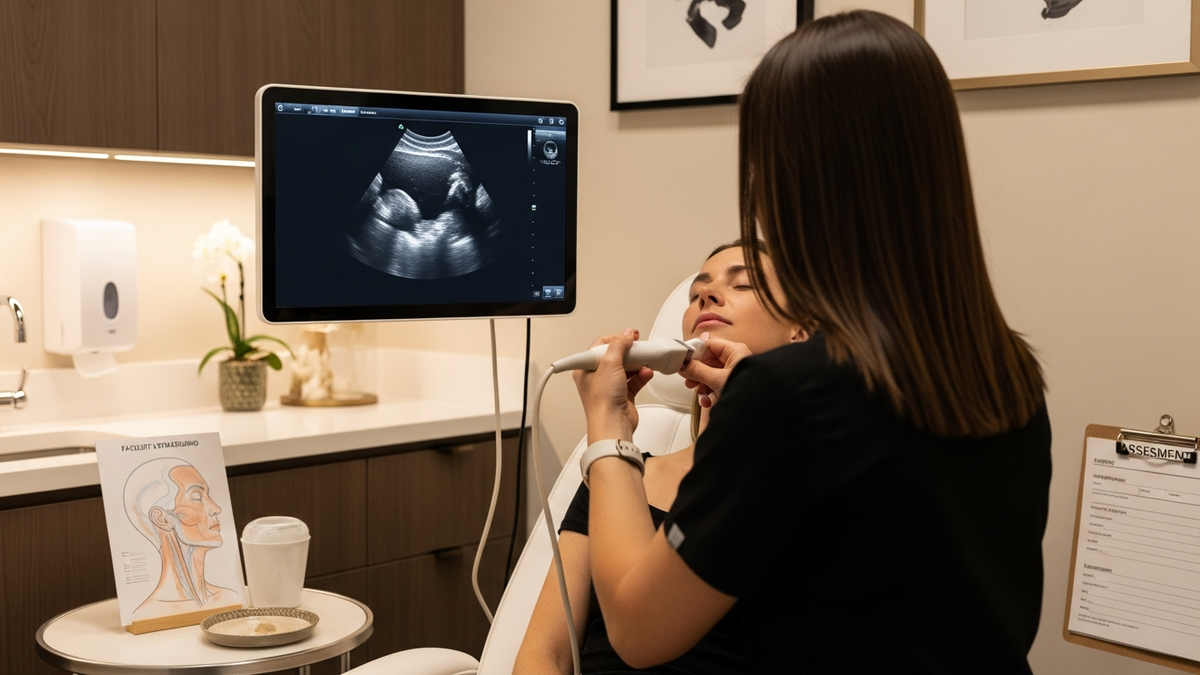
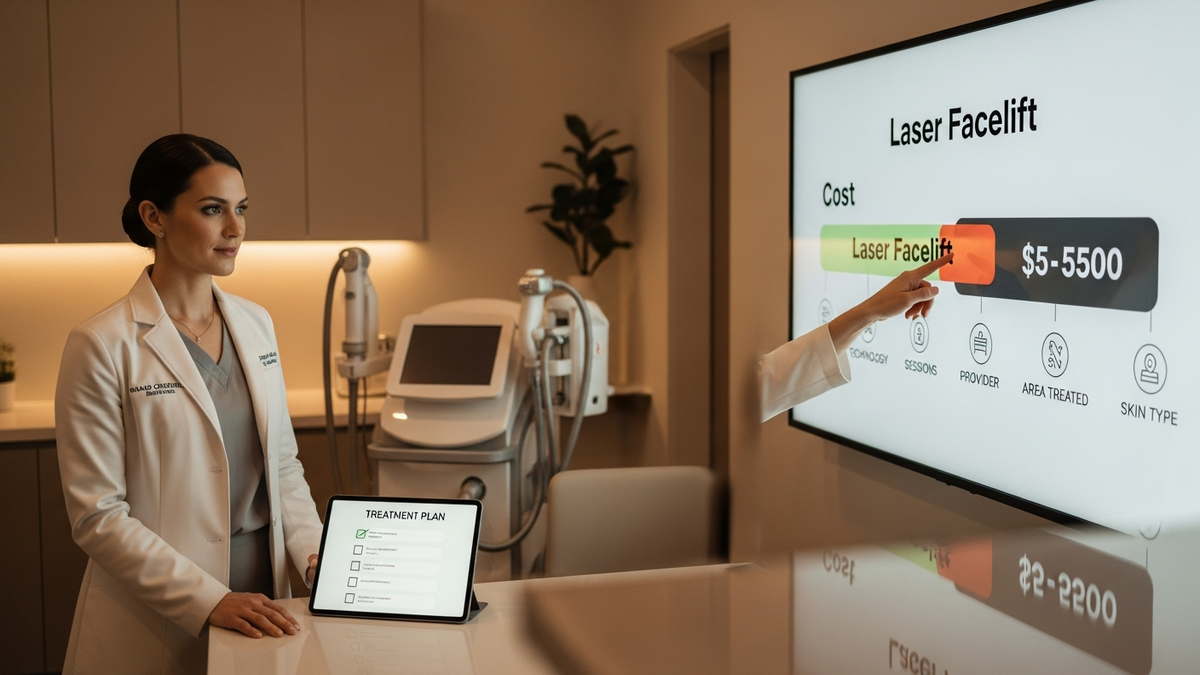
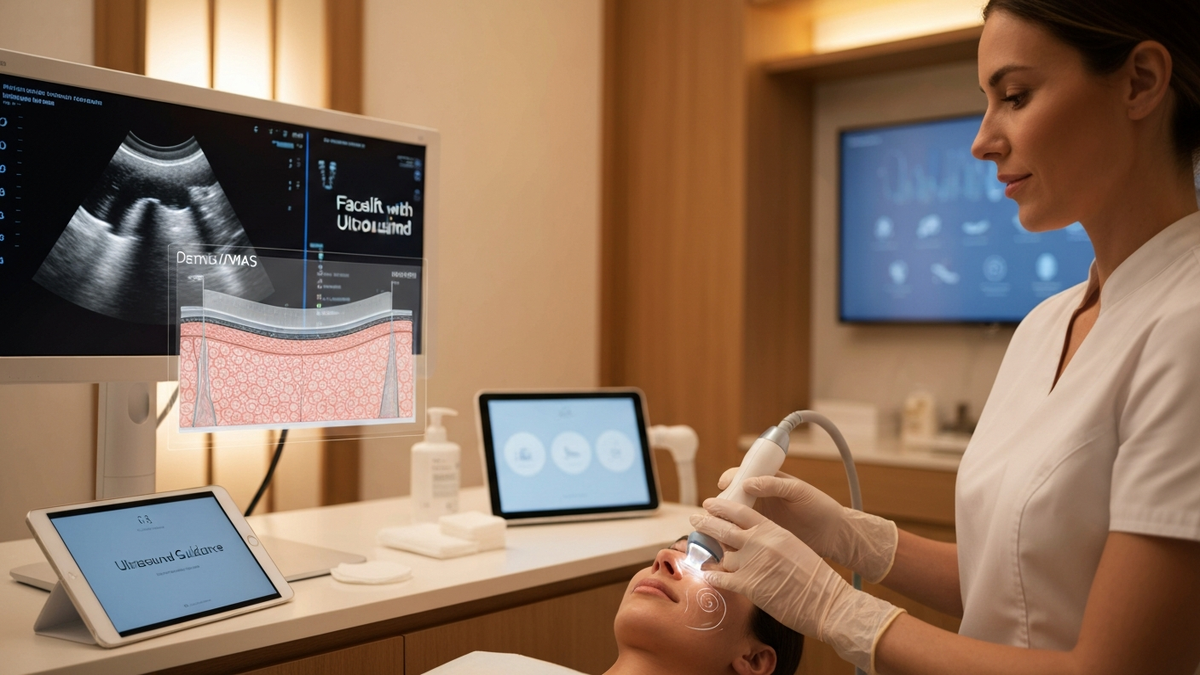
The phrase facelift with ultrasound is used in a few different ways in the cosmetic industry. Most commonly, it refers to ultrasound-based skin tightening or non-surgical tightening treatments that stimulate deeper tissue. Depending on the device, ultrasound energy may be delivered in a focused way to target specific depths beneath the skin.
Some ultrasound approaches are marketed as “non-surgical facelifts,” while others are better described as skin tightening and contour refinement. Ultrasound treatments typically aim to improve the appearance of:
- Loose or crepey skin
- Early-to-moderate sagging
- Jawline definition
- Texture and firmness
- Fine wrinkles (indirectly, via tightening and collagen remodeling)
Ultrasound vs. Surgical Facelift: Why the Difference Matters
A surgical face lift is designed to reposition deeper facial tissues and tighten the structural “framework” of the face and neck. Many patients choose a face lift specifically for sagging or wrinkled skin because it can produce a more dramatic, longer-lasting change than skin-tightening modalities alone.
In contrast, an ultrasound-based approach generally works by encouraging collagen remodeling and improving skin firmness over time. That can be excellent for the right candidate, but it may not fully address significant laxity or deeper structural changes that a true facelift targets.
How Ultrasound Tightening Works (The Science in Plain Language)
Ultrasound energy can be delivered to tissue to create controlled thermal effects at targeted depths. This process may trigger the body’s natural wound-healing response, which can increase collagen production and improve skin firmness.
Over the weeks following treatment, many patients notice gradual improvements rather than immediate “lift” the way they might after surgery. The timeline can vary based on device type, settings, treatment depth, and individual biology.
Common Treatment Targets
Depending on the device and clinician’s plan, ultrasound may be used to address:
- Subtle jawline laxity and loss of definition
- Neck skin firmness (early laxity)
- Lower face texture and early creasing
- Overall facial contour (through tightening)
Potential Benefits of a Facelift With Ultrasound
When performed by an experienced provider using appropriate settings, ultrasound-based tightening can offer meaningful aesthetic benefits—especially for patients seeking a conservative approach.
1) Less Downtime Than Surgery
Many ultrasound treatments are considered minimally invasive compared with surgical facelifts. While individuals vary, the recovery period is often shorter, making it appealing for patients with busy schedules.
2) Gradual, Natural-Looking Improvement
Because collagen remodeling takes time, results can develop gradually. For some patients, this “slow and steady” improvement looks more natural and avoids the abrupt look sometimes associated with aggressive interventions.
3) A Good Option for Early-to-Moderate Laxity
Ultrasound treatments often fit patients who are not ready for surgery but want to address early sagging, mild-to-moderate skin laxity, and firmness loss.
Limitations and Realistic Expectations
While a facelift with ultrasound can improve skin firmness, it’s important to set expectations correctly. Ultrasound tightening usually does not reposition deeper facial tissues the way a surgeon can with a traditional facelift.
What Ultrasound May Not Fully Correct
- Significant sagging of the midface or lower face
- Marked jowls and pronounced neck laxity
- Deep wrinkles that require structural correction
- Advanced skin redundancy
Result Longevity Varies
Collagen remodeling is not permanent in the same way that surgical tissue repositioning can be. Many patients require maintenance treatments to sustain improvements.
Who Is a Good Candidate for Ultrasound-Based Tightening?
Candidacy depends on skin quality, the degree of laxity, facial anatomy, and personal goals. A thorough evaluation is essential to avoid under-treating or over-promising.
Potential Good Candidates
- People in the early-to-mid stages of aging who want firmness and contour refinement
- Those who prefer a non-surgical or minimally invasive approach
- Patients looking to complement other treatments (e.g., skincare, injectables, or surgical options later)
Situations Where Surgery May Be Better
If a patient has substantial sagging or structural changes, a surgical approach may be more effective. For example, a traditional face lift can raise and tighten facial and neck skin and tissue to restore a youthful appearance in cases of deeper laxity.
In other words: ultrasound can be a powerful tool, but it should be matched to the right problem.
What to Expect During a Consultation
Choosing a provider is one of the most important factors in outcomes for any cosmetic procedure. At a quality facial plastic surgery practice, consultation typically includes a detailed facial assessment, discussion of goals, and a review of options.
Questions to Ask Your Provider
- Which ultrasound device is being used, and what evidence supports its use for my specific concern?
- How will you determine treatment depth and settings for my skin type and anatomy?
- What results are typical for someone with my degree of laxity?
- How many sessions are recommended, and what is the timeline for visible improvement?
- What are the side effects and how are they managed?
- If I need more than ultrasound, what are the next best steps (including surgical options)?
Safety Considerations and Side Effects
Any cosmetic procedure should be approached with safety in mind. Ultrasound-based treatments are generally considered low-risk when performed appropriately, but side effects can occur depending on settings, technique, and individual factors.
Possible Temporary Effects
- Transient redness or warmth
- Mild swelling
- Tenderness at treated areas
- Rare sensitivity changes depending on skin and energy delivery
Why Provider Experience Matters
Ultrasound outcomes depend heavily on correct targeting and individualized treatment planning. A skilled clinician will evaluate skin laxity, facial proportions, and risk factors to minimize complications and optimize results.
How Ultrasound May Fit Into a Broader Anti-Aging Plan
Many patients achieve the most satisfying results when ultrasound is part of a comprehensive plan. Depending on your goals, ultrasound can be paired with other evidence-based approaches.
Synergy With Other Treatments
- Skincare and sun protection to support skin health
- Injectables for volume or wrinkle reduction (when appropriate)
- Threading or other minimally invasive techniques in select cases
- Surgical facelift when structural repositioning is needed
At FlowGeniQ Digest, we emphasize education and realistic planning—because the best results come from matching the right intervention to the right anatomy.
Facelift With Ultrasound vs. Traditional Face Lift
Let’s compare the two approaches in a practical, decision-friendly way.
Ultrasound-Based Tightening
- Goal: improve firmness and texture through collagen remodeling
- Best for: early-to-moderate laxity
- Onset: gradual over weeks
- Downtime: typically minimal
- Change type: subtle-to-moderate tightening/contour refinement
Traditional Face Lift
- Goal: reposition and tighten deeper facial tissues
- Best for: more significant sagging or structural aging
- Onset: immediate visible change with healing period
- Downtime: more than ultrasound
- Change type: more dramatic lift and long-term structural correction
Where Facial Plastic Surgery Expertise Comes In
Even when you’re aiming for a facelift with ultrasound, expertise matters. A board-certified facial plastic surgeon can evaluate whether ultrasound is enough—or whether a surgical facelift would provide a more complete, natural result.
In Los Angeles and Beverly Hills, many patients trust facial plastic and reconstructive specialists for their focus on the head and neck region and their commitment to natural-looking outcomes.
A Note on Facial Plastic & Reconstructive Specialization
Dr. Hootan Zandifar is a board-certified facial plastic and reconstructive surgeon who focuses solely on cosmetic and reconstructive surgery of the head and neck. This specialization supports highly individualized treatment planning, patient education, and a natural approach to facial rejuvenation. If you’re exploring options beyond ultrasound, the practice also offers traditional procedures such as face lift and neck lift for patients with more advanced laxity.
Actionable Tips to Get the Best Results
Want to maximize your chances of a satisfying outcome? Use these practical steps.
1) Document Your Baseline
Take consistent photos in similar lighting and angles before treatment. Track changes over time to understand what improves and what may require a different approach.
2) Choose Evidence-Informed Protocols
Ask how the plan is determined and which device is used. Good providers can explain the rationale behind energy delivery, depth targeting, and session frequency.
3) Don’t Ignore Skin Health Basics
Ultrasound can improve firmness, but sun protection and overall skin health still matter. A provider may recommend a skincare routine to support results.
4) Plan for Maintenance (If Needed)
Because collagen remodeling is gradual and longevity varies, ask whether maintenance sessions are expected in your case.
5) Be Honest About Your Goals
If your goal is a dramatic structural lift, ultrasound may not meet expectations. A skilled clinician should be transparent about whether a traditional face lift may be more appropriate.
Related Considerations: Head & Neck Procedures (Why It’s Still Relevant)
Facial aging isn’t only about skin tightening—sometimes breathing, nasal structure, and overall head-and-neck health can influence how you look and feel. While this article focuses on a facelift with ultrasound, it’s helpful to know that specialized facial plastic practices often treat multiple head-and-neck concerns.
For example, some patients also explore functional nasal procedures. If you’re dealing with nasal obstruction due to structural issues, you may hear about treatments like Septoplasty and Deviated Septum repair options. And if your aesthetic goals include changes to nasal appearance or function, Rhinoplasty may be discussed as part of an overall plan.
Similarly, some patients consider adjunct aesthetic procedures like facial hair restoration. If you’re exploring facial hair options, a provider may discuss an eyebrow transplant or a broader hair transplant strategy depending on your goals.
FAQ: Facelift With Ultrasound
1) Is a facelift with ultrasound truly “non-surgical”?
Most ultrasound tightening treatments are considered non-surgical because they don’t involve incisions. However, the exact level of invasiveness depends on the specific device and protocol. Always confirm what your provider will actually do and what recovery looks like.
2) How soon will I see results from ultrasound skin tightening?
Many patients notice early changes gradually, with more visible improvement developing over several weeks as collagen remodeling progresses. Your provider can give a more personalized timeline based on your skin laxity and the device used.
3) Will ultrasound replace a traditional face lift?
For early-to-moderate laxity, ultrasound may provide meaningful tightening. For more advanced sagging or significant structural aging, a surgical face lift may produce a more complete and longer-lasting result. The best approach is determined during a detailed consultation.
4) Are there side effects or risks?
Temporary redness, warmth, or mild swelling can occur. Risks are generally lower when treatment is properly planned and performed by an experienced clinician. Ask about contraindications specific to your skin type and medical history.
5) How do I choose a provider for facelift with ultrasound?
Look for a qualified clinician who can explain the device, settings, expected outcomes for your degree of laxity, and how they manage side effects. A specialist who focuses on head-and-neck anatomy and natural aesthetic results can be especially helpful.
Next Steps: Get a Personalized Plan
If you’re considering a facelift with ultrasound, the most important step is a consultation that matches your goals to the right treatment level—whether that’s ultrasound-based tightening, a combination plan, or a traditional facelift when structural correction is needed.
At FlowGeniQ Digest, we encourage you to approach cosmetic decisions with education and clarity. Ask direct questions, review realistic expectations, and choose a provider who prioritizes safety and natural outcomes.
CTA
Ready to explore your options? Schedule a consultation with a qualified facial plastic professional to discuss whether ultrasound-based tightening is the best fit for your facial anatomy and anti-aging goals. If you’d like, you can bring your baseline photos and a short list of what you want to change—so your visit is focused and productive.
Professional Disclaimer
This content is provided for general educational purposes only by FlowGeniQ Digest. It is not a substitute for professional advice, diagnosis, or treatment. Readers are advised to consult qualified professionals for personalized recommendations.
Medical Information Disclaimer
This content is provided for general educational purposes only by FlowGeniQ Digest. It is not a substitute for professional advice, diagnosis, or treatment. Readers are advised to consult qualified professionals for personalized recommendations.