Looking for the answer to how much do rhinoplasty cost? You’re not alone. A nose job is one of the most commonly requested facial cosmetic procedures, and pricing can vary widely depending on your goals, anatomy, and the level of surgical planning required. In this FlowGeniQ Digest guide, we’ll walk through realistic cost ranges, what’s usually included in the fee, and how to evaluate surgeons and financing options—without making decisions based on price alone.
Because rhinoplasty can be performed for both appearance and function, it’s also important to understand when a functional nasal procedure (like septoplasty) may be the better first step. In Beverly Hills and Los Angeles, many patients pursue treatment with a facial plastic and reconstructive surgeon who focuses on natural results and—when relevant—breathing optimization.
How much do rhinoplasty cost? A quick 2026 estimate
When people ask how much do rhinoplasty cost, they’re usually looking for a ballpark figure. While exact pricing requires an in-person consultation, many U.S. practices price rhinoplasty by combining surgeon expertise, surgical complexity, anesthesia, and facility fees.
Typical rhinoplasty cost ranges (cash-pay / self-pay estimates):
- Primary rhinoplasty (first-time surgery): often falls in the mid to high four figures to low five figures.
- Revision rhinoplasty (correcting prior results): commonly costs more due to complexity, tissue assessment, and reconstruction.
- Functional-focused procedures: may overlap with rhinoplasty planning; the final cost depends on whether true rhinoplasty is performed, how much cartilage work is needed, and whether additional procedures are required.
Important: published “average” numbers can be misleading. Your final quote may differ significantly based on your anatomy, the surgical approach, grafting needs, and whether you’re also addressing breathing issues.
Why rhinoplasty pricing varies so much
Rhinoplasty isn’t a one-size-fits-all procedure. Two patients can both want a “smaller nose,” yet one may need only minor reshaping while another needs structural support, cartilage grafting, and careful refinement of both external appearance and internal airflow pathways.
1) Primary vs. revision rhinoplasty
Revision cases typically require more time, detailed planning, and specialized techniques. Surgeons must evaluate prior incisions, scar tissue, cartilage integrity, and the risk of further structural compromise.
2) Structural complexity and grafting
Some noses are primarily reshaped; others require structural reinforcement. If your surgeon anticipates cartilage grafting (for support, tip refinement, or correcting collapse), that increases operative complexity and cost.
3) Functional goals (breathing and nasal airway)
Rhinoplasty can be performed to improve appearance, function, or both. If you have chronic nasal congestion, a deviated septum, turbinate enlargement, or nasal valve collapse, your treatment plan may include components beyond aesthetic reshaping. In some circumstances, functional procedures may be considered before or alongside rhinoplasty.
For example, patients with airflow obstruction may be evaluated for Septoplasty and related treatments depending on findings. If you’re focused on breathing improvement, it’s worth discussing whether your symptoms align with a Deviated Septum diagnosis and whether a functional approach could help.
Learn more about Rhinoplasty in Beverly Hills when considering both aesthetics and function.
4) Surgeon experience and training
Pricing often reflects surgical expertise and board-certified training. In Los Angeles, patients frequently seek facial plastic and reconstructive surgeons with advanced education and a track record of natural-looking results.
5) Facility fees and anesthesia
Even when the surgeon’s professional fee is similar, total cost can change based on anesthesia type, surgical setting (accredited hospital vs. surgery center), and facility requirements.
6) Your timeline and add-ons
Some patients need additional procedures or pre/post care. Examples may include steroid or medication planning for swelling, special postoperative protocols, or treatment planning for skin quality and healing considerations.
What’s usually included in rhinoplasty cost?
When you compare quotes, ask what the price includes. A lower number may exclude items that a higher “all-in” quote covers.
Common inclusions
- Surgeon’s fee
- Anesthesia (professional anesthesia fee)
- Surgical facility fees
- Preoperative evaluation and imaging (as applicable)
- Postoperative follow-up visits (often multiple appointments)
Common items to clarify
- Prescription medications (pain control, antibiotics if needed)
- Postoperative splints/dressings
- Additional procedures (e.g., cartilage grafting, functional corrections)
- Revision costs if complications occur (rare, but important to understand)
- Lab work or clearance requirements
Rhinoplasty cost vs. other facial procedures
Some patients considering rhinoplasty also explore other facial rejuvenation options. While each procedure has its own pricing model, understanding relative costs can help you prioritize.
- Facelift: often priced differently due to tissue repositioning and extent of surgery. If you’re also thinking about overall facial aging, you can review Facelift options and typical planning considerations.
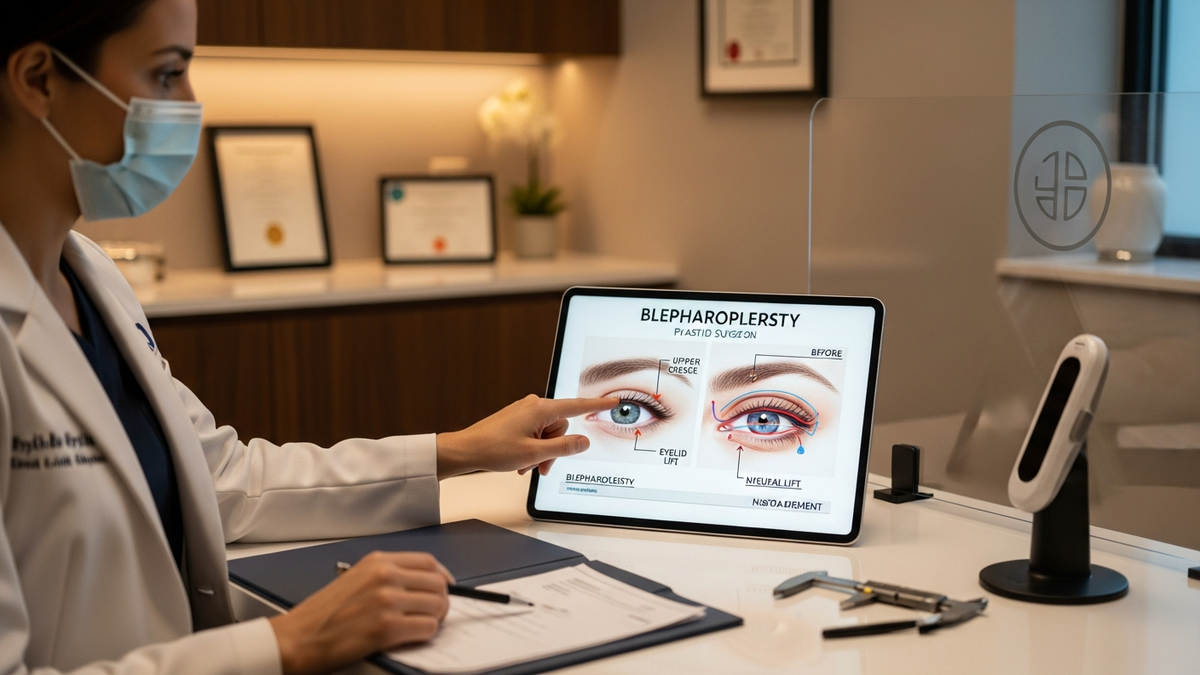
- Blepharoplasty (eyelid surgery): has its own surgical scope and cost drivers. For reference, see Blepharoplasty.
Key takeaway: Don’t assume rhinoplasty is “cheaper” or “more expensive” than other procedures without comparing what’s included and what your personalized plan requires.
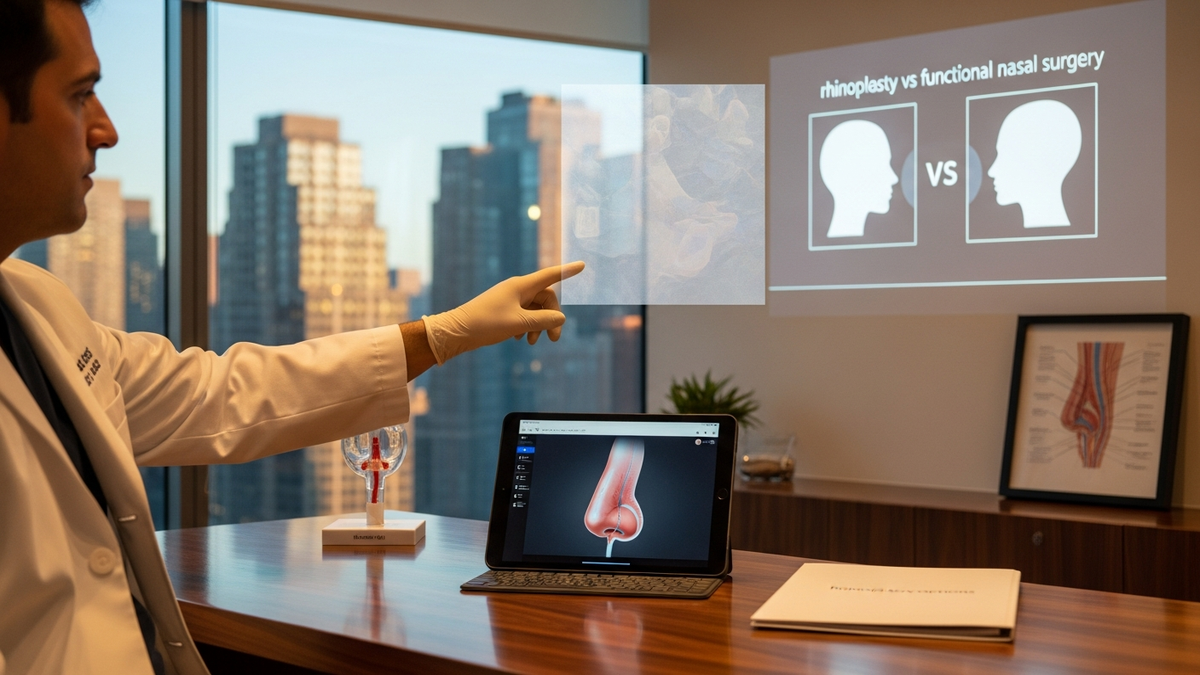
Functional nasal surgery vs. aesthetic rhinoplasty: how it impacts cost
Rhinoplasty is often described as a “nose job,” but the procedure can be recommended for two major outcomes: improving or restoring nasal function and/or altering the look or shape of the nose. In practice, many patients have both concerns.
When septoplasty may be considered
If your primary concern is chronic nasal obstruction from internal structural issues, your surgeon may discuss Septoplasty as a functional corrective step. Septoplasty focuses on straightening the nasal septum to improve airflow.
In some cases, patients begin with functional surgery to address breathing, then consider aesthetic refinements later. In other cases, surgeons combine functional and aesthetic goals in a single operative plan.
When allergy and sinus issues affect nasal comfort
Chronic congestion can be influenced by allergies and sinus inflammation. Treatment planning may include allergy management or minimally invasive sinus procedures depending on your diagnosis. The more conditions a surgeon must evaluate and address, the more individualized your surgical planning—and therefore your cost—can become.
How to get an accurate rhinoplasty quote (and avoid surprises)
Because how much do rhinoplasty cost depends on your specific case, the best way to estimate your personal cost is to prepare for a consult that covers both aesthetics and function.
Bring these details to your consultation
- Photos of your nose from multiple angles (front, side, oblique)
- Your medical history (especially prior nasal surgery, allergies, breathing symptoms)
- Medication list and any bleeding/clotting concerns
- Clear goals: what you want to change and what you want to preserve
- Functional symptoms: congestion patterns, sleep issues, mouth breathing, sinusitis history
Ask these questions about cost
- What is included in the quoted price (surgeon fee, facility, anesthesia, follow-ups)?
- Is cartilage grafting anticipated for my case, and how does it affect the estimate?
- Will functional corrections be performed (e.g., internal nasal support), and does that change cost?
- What is the revision policy if results require correction?
- What are typical postoperative expenses (medications, supplies)?
Financing rhinoplasty: what to know before you commit
Many patients want predictable monthly payments, but financing shouldn’t replace good decision-making. When considering financing, confirm:
- Interest rate and term (and whether there are promotional periods)
- Any fees for processing
- Whether the financing applies to the full surgical package (including anesthesia and facility fees)
- Refund/cancellation policies if plans change
Actionable recommendation: Get your full itemized estimate in writing, then compare financing offers using the same “total out-of-pocket” number.
What results and recovery look like (cost should reflect the plan)
When budgeting for rhinoplasty, remember that the price is connected to how your surgeon plans for healing. Natural results require careful technique and patient-specific postoperative guidance.
Realistic expectations
- Swelling is normal and can take months to settle.
- Tip refinement may evolve over time, particularly when grafting is used.
- Functional improvement (if addressed) may be gradual as internal swelling decreases.
Recovery factors that can affect planning
- Smoking status and nicotine exposure
- Medication adherence
- Overall health and wound healing capacity
- Whether the surgery is primary or revision
How surgeons approach “natural-looking” rhinoplasty
Rhinoplasty should harmonize with your face—not just chase a specific trend. Many patients in Los Angeles choose surgeons known for natural outcomes and patient education. A thoughtful approach includes:
- Facial proportion analysis (how the nose fits with eyes, lips, and jaw)
- Functional assessment when breathing symptoms exist
- Conservative refinement when appropriate
- Structural planning for long-term stability
At Hootan Zandifar, MD, FACS, patients receive individualized care focused on head and neck surgery. Dr. Zandifar is a double board-certified, fellowship-trained facial plastic and reconstructive surgeon, with expertise spanning both cosmetic and reconstructive goals. The emphasis is on honest, trustworthy communication and helping patients make well-informed decisions.
When rhinoplasty may not be the first step
Sometimes, the best “next step” isn’t rhinoplasty—it’s a functional procedure that improves breathing first. Patients with chronic congestion may have underlying structural causes such as septal deviation, turbinate enlargement, or nasal valve issues.
For example, septoplasty may be considered when the septum blocks airflow, and other minimally invasive or surgical options may be evaluated depending on the diagnosis. If you’re evaluating cost because you want the most efficient path to both appearance and function, discuss your full symptom history with a specialist.
Rhinoplasty cost in Los Angeles/Beverly Hills: what to expect
In major metro areas, pricing may be influenced by facility standards, surgeon demand, and the cost of practicing high-quality facial plastic surgery. In Beverly Hills, many patients seek advanced techniques and experienced facial plastic surgeons who can address both aesthetics and facial structure.
Rather than focusing only on a number, focus on what the plan includes: surgical approach, whether grafting is expected, how function is evaluated, and how postoperative care is handled.
Budgeting checklist: plan your rhinoplasty cost with confidence
Use this checklist to align your expectations with the real total cost.
- Request an itemized estimate (surgeon fee, anesthesia, facility, follow-ups).
- Confirm whether functional corrections are included if breathing is a goal.
- Ask about grafting and whether it’s anticipated.
- Clarify postoperative costs (medications and any supplies).
- Discuss revision policy and how complications are handled.
- Verify credentials and ask how outcomes are evaluated.
Related: other head-and-neck aesthetic concerns (optional context)
Some patients pursue multiple facial rejuvenation goals over time. While unrelated to rhinoplasty pricing directly, it can be helpful to understand that facial plastic surgery often includes a range of procedures. For instance, patients who are also considering hair restoration may explore a hair transplant. Others might consider ear reshaping, eyelid surgery, or brow procedures depending on their goals and anatomy.
FAQ: how much do rhinoplasty cost?
1) What is the average cost of rhinoplasty?
There isn’t one universal “average,” because pricing depends on whether it’s a primary or revision surgery, whether grafting is required, and whether functional corrections are performed. Many U.S. estimates land in the mid to high four figures to low five figures for primary cases, with revision typically costing more.
2) Does rhinoplasty cost include anesthesia and the surgical facility?
Sometimes it does, sometimes it doesn’t—so it’s essential to ask for an itemized quote. Confirm what’s included in the surgeon’s fee versus what’s covered by anesthesia and facility charges.
3) Will insurance cover rhinoplasty?
Insurance coverage is case-dependent. If surgery is primarily functional (for example, severe nasal obstruction due to structural issues), some portions of treatment may be covered. Cosmetic components are often not covered. A clinician can help determine whether your situation may qualify.
4) Why is revision rhinoplasty more expensive?
Revision cases are more complex because surgeons must address scar tissue, cartilage changes, and prior surgical alterations. The additional planning and reconstruction time often increase cost.
5) If I have breathing problems, should I still get rhinoplasty?
Many patients with breathing issues can benefit from a combined functional and aesthetic plan, but sometimes functional procedures like Septoplasty may be considered depending on the diagnosis. The best approach depends on your anatomy and symptom pattern.
CTA: get a personalized rhinoplasty cost estimate
If you’re still wondering how much do rhinoplasty cost, the most accurate answer comes from a personalized consultation. A specialist can evaluate your nasal structure, your aesthetic goals, and—if relevant—your breathing symptoms to determine the right plan and a realistic, itemized estimate.
Next step: Schedule an appointment to discuss your goals, review your medical history, and request an itemized quote that clarifies what’s included (surgeon fee, anesthesia, facility, and follow-ups).
FlowGeniQ Digest is here to help you ask better questions and make informed decisions—so your rhinoplasty plan matches both your appearance goals and your long-term comfort.
Professional Disclaimer
This content is provided for general educational purposes only by FlowGeniQ Digest. It is not a substitute for professional advice, diagnosis, or treatment. Readers are advised to consult qualified professionals for personalized recommendations.
Medical Information Disclaimer
This content is provided for general educational purposes only by FlowGeniQ Digest. It is not a substitute for professional advice, diagnosis, or treatment. Readers are advised to consult qualified professionals for personalized recommendations.