How does fat grafting work? In simple terms, fat grafting (also called fat transfer or autologous fat grafting) uses your own fat to restore or enhance volume in areas that look hollow, uneven, or aged. At FlowGeniQ Digest, we break down the science and the practical realities—so you can approach this popular aesthetic option with clear expectations and confidence.
Because the technique depends on where the fat is taken from, how it’s processed, and how it’s placed, fat grafting is less like a “one-size-fits-all” procedure and more like a personalized reconstructive-and-aesthetic workflow. Below, we’ll walk through the process step by step, explain what affects results, and cover recovery, risks, and how to choose a qualified surgeon.
What Is Fat Grafting (Fat Transfer) and Why Is It Used?
Fat grafting is a procedure that moves living fat cells from one part of the body to another. In facial plastic surgery, it’s commonly used to:
- Restore volume in the cheeks, under-eyes, temples, or lips
- Soften wrinkles caused by volume loss (rather than just surface texture)
- Improve facial contour and symmetry
- Reconstruct areas affected by trauma, prior surgery, or natural aging
Unlike some procedures that add volume with synthetic fillers, fat grafting uses your own tissue. That said, it still requires careful technique to maximize how much of the transferred fat survives long-term.
How Does Fat Grafting Work? The Step-by-Step Process
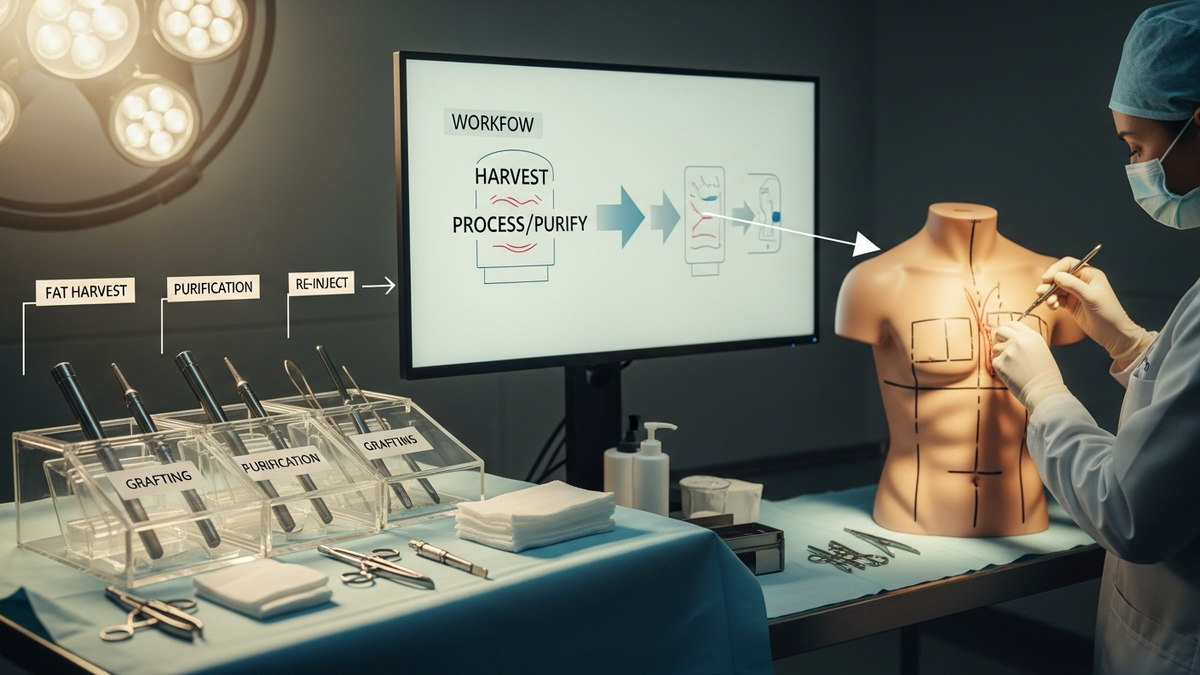
Understanding how does fat grafting work is easier when you think of it as a four-stage process: harvest, process, prepare the recipient area, and inject with precision.
1) Consultation and treatment planning
Before any incision, your surgeon evaluates your anatomy and goals. This includes:
- Facial assessment (where volume loss or contour irregularities exist)
- Donor site evaluation (where adequate fat can be safely harvested)
- Medical history review (medications, smoking status, prior procedures)
- Realistic expectations about fat take and potential need for touch-ups
In a head-and-neck focused practice, surgeons often coordinate fat grafting with other facial rejuvenation strategies when appropriate—such as eyelid surgery (for upper or lower lid fullness issues) or a facelift when skin tightening is also needed.
2) Fat harvesting (liposuction)
To begin, fat is removed from a donor area—commonly the abdomen, flanks, or thighs—using a minimally invasive technique. The goal is to collect fat in a way that preserves cell viability.
During harvesting, your surgeon aims to:
- Minimize trauma to fat cells
- Collect enough volume for the recipient area
- Preserve donor site comfort and contour
Depending on the plan, the procedure may be done under local anesthesia with sedation or general anesthesia.
3) Processing the fat (purification)
Once harvested, the fat is processed to remove unwanted components such as excess fluid and oil. Many surgeons use specialized systems or protocols to isolate usable fat.
This stage matters because the survival of transferred fat cells strongly influences long-term results. While exact methods vary, the guiding principle is consistent: maximize viable fat while minimizing inflammatory or non-viable material.
4) Preparing the recipient area
The recipient site is prepared based on the anatomy and the intended contour. Your surgeon may use careful infiltration techniques and create a placement plan that considers:
- Layering strategy (where fat should sit to blend naturally)
- Distribution across the area rather than concentrating too much in one spot
- Vascular support to help the graft “take”
5) Injecting the processed fat with precision
Injection technique is one of the biggest determinants of outcome. Rather than injecting fat in large clumps, many experienced surgeons place small aliquots in a controlled pattern.
Key goals include:
- Natural-looking contour that matches your facial proportions
- Even distribution to reduce the risk of lumps or irregularities
- Controlled depth to support graft survival
What Results Should You Expect?
Fat grafting results are not always immediate in the way people expect from fillers. Because fat needs to establish a blood supply, it may look different during the healing timeline.
The typical timeline
- First days to 2 weeks: swelling, bruising, and temporary changes in contour are common.
- Weeks 2 to 8: some volume may reduce as part of normal graft “take” variability.
- 2 to 3+ months: more stable appearance as healing progresses.
- 3 to 6 months: final or near-final contour is often assessed.
How much fat “takes” (and why it varies)
One of the most important realities in how does fat grafting work is that not all injected fat survives. “Fat take” varies based on:
- Recipient area vascularity (how well the area can support graft survival)
- Technique (harvesting, processing, and injection patterns)
- Smoking and nicotine exposure (can impair healing)
- Metabolic factors and overall health
- Volume goals (larger corrections may require staged sessions)
Many patients plan for the possibility of one or more touch-up sessions to reach their ideal outcome.
Fat Grafting vs. Dermal Fillers: What’s the Difference?
Both fat grafting and dermal fillers can improve facial volume, but they work differently.
- Fat grafting: uses your own tissue; results can evolve over months; longevity can be long-term but variable.
- Fillers: may provide more immediate volume; certain products are temporary; repeated maintenance is often needed.
In practice, some patients benefit from a combined approach—using fillers for short-term balancing while waiting for graft stabilization, or using grafting when a more biologic, tissue-based solution is desired.
Where Is Fat Grafting Commonly Used?
Fat grafting is versatile. In facial rejuvenation, it’s frequently considered for:
- Cheeks and midface volume restoration
- Temples for contour definition
- Under-eye hollowness (selected cases, with careful technique)
- Lips for subtle enhancement
- Jawline refinement to improve transitions and balance
- Scars or irregularities after injury or prior procedures
For patients also dealing with skin laxity, a combined plan may include procedures such as a Facelift to address sagging while fat grafting restores youthful volume.
Recovery: What to Do After Fat Grafting
Recovery varies by the extent of your procedure and the number of areas treated. Still, most patients can expect a predictable pattern of swelling and bruising.
Common post-op experiences
- Swelling and bruising at both donor and recipient sites
- Mild to moderate discomfort, typically controlled with prescribed medications
- Temporary tightness or firmness as tissues heal
- Changes in contour during the early healing phase
Actionable recovery tips
To support graft survival and comfort:
- Avoid nicotine (including vaping) as advised by your surgeon.
- Follow compression and wound care instructions for donor sites.
- Sleep with head elevation to reduce swelling.
- Attend follow-up visits so your surgeon can monitor healing and guide next steps.
- Be patient with timeline expectations—early volume changes don’t always predict final results.
Risks and Side Effects: What You Should Know
Any surgical procedure carries potential risks. While fat grafting is generally considered safe in experienced hands, it’s important to understand possible complications.
Potential risks
- Asymmetry or contour irregularities
- Resorption (partial loss of transferred fat)
- Lumps or firmness that may improve over time or require evaluation
- Infection (rare, but possible)
- Bleeding or hematoma
- Fat necrosis (localized tissue reaction)
- Scarring at donor sites
How experienced technique can reduce risk
Surgeons reduce complication rates by using careful harvest and processing methods, placing fat thoughtfully, and selecting appropriate candidates. That’s why surgeon selection matters—especially for delicate facial areas.
Who Is a Good Candidate for Fat Grafting?
Ideal candidates typically have realistic goals, sufficient donor fat, and good overall health for healing. Your surgeon will also consider:
- Non-smoker status or willingness to stop nicotine exposure well in advance
- Stable medical conditions
- Good skin quality to support blending (though fat grafting can still help many skin types)
- Understanding of fat take variability and potential need for touch-ups
If you’re considering additional head-and-neck procedures, your surgeon may discuss how fat grafting fits with other options. For example, facial rejuvenation plans sometimes pair volume restoration with eyelid changes (see Blepharoplasty) when tiredness or visual field issues contribute to an aged appearance.
How to Choose a Surgeon for Fat Grafting
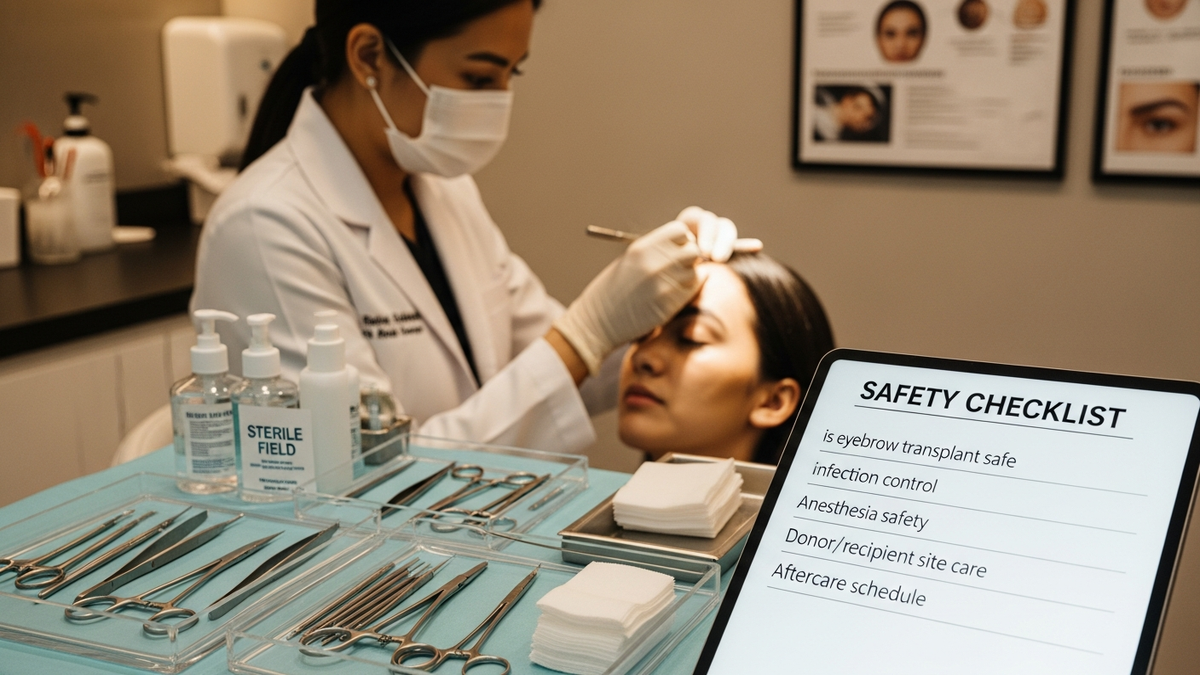
Because how does fat grafting work depends heavily on technique, the right surgeon is crucial. Here’s a checklist you can use:
Questions to ask at your consultation
- What method do you use to harvest and process fat? (and why)
- How do you plan injection depth and distribution?
- What is your typical fat take range and how do you handle undercorrection?
- How many staged sessions do you anticipate for my goals?
- Can I see before-and-after photos of similar cases?
- What are your complication rates and how do you manage them?
What “natural-looking” should mean
Natural outcomes are not just about adding volume—they’re about proportion, symmetry, and texture. A skilled surgeon evaluates your face as a whole rather than treating isolated areas.
Fat Grafting and Other Head-and-Neck Procedures: When Combinations Make Sense
In a comprehensive facial plastic setting, fat grafting may be part of a broader plan. While this article focuses on fat transfer itself, it’s helpful to understand how other procedures can address different aging or functional concerns.
When volume and skin laxity both matter
If you have volume loss plus sagging skin, a Facelift may be considered to improve tissue support, while fat grafting can enhance youthful contours. The combination approach can create more harmonious results than volume alone.
When eye appearance affects the whole face
For some patients, upper or lower eyelid concerns contribute to a “tired” look. Blepharoplasty may be discussed if eyelid changes are part of your aesthetic goals.
When functional nasal issues overlap with aesthetics
If you have breathing concerns alongside aesthetic goals, your surgeon may assess nasal structure and discuss options such as Septoplasty or addressing a Deviated Septum. In other cases, aesthetic enhancement may be part of the conversation with Rhinoplasty.
Frequently Asked Questions About Fat Grafting
1) How does fat grafting work if some of the fat doesn’t survive?
Fat grafting is designed with the understanding that a portion of the transferred fat may resorb. Surgeons use harvesting, processing, and injection strategies to improve graft survival. Many patients achieve satisfactory results after healing, and some benefit from touch-ups if additional volume is desired.
2) Is fat grafting the same as fillers?
No. Fillers are typically manufactured substances or products injected to add volume temporarily or semi-permanently. Fat grafting uses your own harvested fat cells, and results evolve over weeks to months as healing occurs and graft “take” stabilizes.
3) How long does fat grafting take to heal?
You’ll usually notice the most visible swelling and bruising in the first 1–2 weeks. Contour changes continue to evolve over 2–3 months, with more stable results often assessed around 3–6 months depending on the area treated and your healing response.
4) Can fat grafting cause lumps or unevenness?
It can. Some firmness or irregularities may occur during healing. With proper technique and follow-up care, many issues improve over time. If lumps persist or concern you, your surgeon should evaluate them to determine whether they are part of normal healing or require treatment.
5) Who should avoid fat grafting?
Candidacy depends on your health and goals. Smoking or nicotine use can impair healing and fat survival. Certain medical conditions, unrealistic expectations, or insufficient donor fat may affect suitability—your surgeon can guide you after a thorough evaluation.
Practical Next Steps If You’re Considering Fat Grafting
If you’re exploring fat grafting, use a structured approach:
- Book a consultation with a surgeon who regularly performs fat transfer and can discuss technique specifics.
- Bring photos of the look you want (and photos that show what you don’t want).
- Review your health plan—especially nicotine exposure, medications, and recovery logistics.
- Ask about staging and what happens if you need additional volume.
- Plan your downtime based on swelling and bruising expectations.
At FlowGeniQ Digest, we aim to help you make informed decisions by explaining the “why” behind each step—not just the procedure name. If you also have other facial concerns (like eyelid changes, nasal breathing issues, or overall facial rejuvenation), a comprehensive head-and-neck evaluation can help determine how fat grafting fits into a cohesive plan.
CTA: Ready to Learn More About Fat Grafting?
If you want a clearer answer to how does fat grafting work for your anatomy, the best next step is a personalized consultation. A qualified specialist can assess your donor fat availability, discuss realistic volume goals, and outline a plan that prioritizes natural-looking results and safe healing.
Schedule a consultation and bring your questions—especially about harvest/processing technique, injection strategy, and expected timelines.
Professional Disclaimer
This content is provided for general educational purposes only by FlowGeniQ Digest. It is not a substitute for professional advice, diagnosis, or treatment. Readers are advised to consult qualified professionals for personalized recommendations.
Medical Information Disclaimer
This content is provided for general educational purposes only by FlowGeniQ Digest. It is not a substitute for professional advice, diagnosis, or treatment. Readers are advised to consult qualified professionals for personalized recommendations.