Source note: This article is written for FlowGeniQ Digest based on general, evidence-informed guidance and the facial plastic and reconstructive expertise described by Dr. Hootan Zandifar and his practice philosophy.
Houston Facelift Surgeon: What “Natural” Really Means
If you’re searching for a houston facelift surgeon, you’re likely weighing more than aesthetics. A well-planned facelift aims to restore balance—tightening and repositioning the tissues that create sagging—while preserving your unique facial identity. The goal isn’t to “look done,” but to look refreshed, rested, and unmistakably like yourself.
In this guide, you’ll learn how to evaluate a facelift surgeon in a practical, decision-ready way: credentials, surgical approach, patient education, recovery expectations, and how to reduce risk. You’ll also discover how modern facial rejuvenation often pairs a facelift with complementary procedures such as Facelift-adjacent options (and sometimes eyelid or neck refinement) for a cohesive result.
What a Facelift Can—and Can’t—Do
A facelift (often called rhytidectomy) primarily addresses the signs of aging in the lower face and neck—such as sagging skin, jowls, and deepening folds. Many patients notice improvements in how the face “hangs” and how contours look when smiling or speaking.
Common facelift goals
- Tightening and repositioning of facial skin and supportive tissues
- Reduction in jowling and improvement in jawline definition
- Neck rejuvenation by minimizing loose skin and bands
- Smoothing of creases that worsen with sagging
What to discuss early (realistic expectations)
No surgeon can stop time. Even with excellent technique, aging continues. A strong consultation clarifies what you can expect at 1 month, 3–6 months, and beyond—especially regarding skin quality, volume changes, and the way your face moves naturally.
During your planning visit, ask how your surgeon evaluates:
- Skin laxity (tightness/elasticity)
- Underlying tissue support and fat distribution
- Neck anatomy (loose skin vs. muscle banding)
- Dynamic aging (how you look when you smile)
- Scars and how they’re managed over time
How to Choose the Right Houston Facelift Surgeon
Choosing a facelift surgeon isn’t only about location—it’s about fit, training, and philosophy. A great Houston facelift surgeon should be able to explain your options clearly, show credible before-and-after examples, and recommend a plan that matches your anatomy rather than a one-size approach.
1) Verify specialty credentials (and ask “why that matters”)
Facial aesthetics and facial structure are complex. Look for surgeons who are board certified and fellowship trained in relevant specialties. In facial plastic and reconstructive care, advanced training supports precision in tissue handling, facial nerve awareness, and scar planning.
For example, Dr. Hootan Zandifar is described as double board certified and fellowship trained in facial plastic and reconstructive surgery, with a background in head and neck surgery. While your decision should be based on the surgeon you’re considering, this highlights what many patients value: deep facial anatomy training and a commitment to natural results.
2) Look for a natural-results philosophy
Natural results usually come from three areas:
- Accurate assessment of where sagging originates (skin vs. deeper support)
- Thoughtful tissue repositioning that restores youthful contours
- Conservative scar placement and meticulous closure
During consult, ask: “How do you decide how much tightening I need?” and “What would make the result look overdone?” A surgeon confident in their approach will answer with specifics.
3) Evaluate patient education and communication
One of the most overlooked factors is how well your surgeon educates you. A trustworthy provider will discuss:
- Potential risks and how they’re minimized
- Expected swelling/bruising timeline
- Scar maturation and what you can do to support healing
- When to contact the office after surgery
Dr. Zandifar’s practice is described as honest, trustworthy, compassionate, and education-focused—qualities that matter when you’re making a high-impact decision.
4) Ask about complementary procedures (when appropriate)
Many patients don’t just need a facelift. They may also benefit from procedures that address the upper face, eyelids, or neck definition. For example, Blepharoplasty (upper and/or lower eyelid surgery) can refresh the eye area and reduce the “tired” look that often accompanies lower-face aging.
Other options may include:
- Neck lift refinement for sagging neck skin
- Submental liposuction to improve chin/neck contour
- Brow lift if forehead heaviness contributes to an aged appearance
Importantly, these additions should be individualized. A surgeon should explain why a combo plan improves harmony—not simply because it’s available.
Facelift Techniques: What’s the Difference?
Facelift techniques vary based on patient anatomy, age, and the areas that need repositioning. A quality surgeon should be able to translate technique into outcomes you can understand.
Key planning factors your surgeon should address
- Incision design and how it supports scar concealment
- Tissue layer management (skin vs. deeper support)
- Vector planning (how tissues are lifted/repositioned)
- Neck contour strategy (skin tightening vs. deeper support)
- Symmetry considerations (faces are rarely perfectly symmetrical)
Why surgeon experience matters
Facelift surgery is not only about removing or tightening skin. It’s about restoring structure and movement. Experienced surgeons tend to:
- Handle tissues in a way that preserves natural facial expression
- Plan for long-term scar quality
- Anticipate swelling patterns and manage them proactively
What to Expect During the Facelift Process
Knowing the timeline reduces anxiety and helps you prepare. While details vary by surgeon and your plan, most patients follow a similar sequence: consultation, pre-op planning, surgery, early recovery, then gradual return to normal activities.
Consultation: your “decision-making” appointment
Expect your surgeon to:
- Review your medical history (including medications and smoking status)
- Discuss goals and how you want to look after recovery
- Perform a facial exam from multiple angles
- Explain your likely candidacy and alternatives
Bring questions. Examples:
- What facelift approach do you recommend for my facial aging pattern?
- How do you define “natural” in your practice?
- What are the most common complications—and how do you prevent them?
- What will my recovery timeline look like?
- Will you recommend eyelid or neck refinement?
Pre-op preparation
Typical preparation includes:
- Medication review (especially blood thinners and supplements)
- Smoking cessation guidance (important for healing and scar quality)
- Lab work or pre-surgical clearance as required
- Arranging transportation and post-op support
Follow your surgeon’s instructions carefully. Your outcomes often reflect how well you prepare as much as how well you heal.
Surgery day and immediate recovery
Most facelift procedures involve careful monitoring during and after surgery. You’ll typically experience swelling and bruising, which is normal. Your care team will provide guidance on:
- How to manage discomfort
- When and how to clean incision sites
- Activity restrictions
- Signs that require prompt contact
Weeks 1–6: what changes and what to watch
Early healing is about stability. As the weeks progress, swelling decreases and facial contours become clearer. However, patience is essential—some effects continue to improve for months.
Actionable recovery tips commonly recommended by surgical teams include:
- Sleep with head elevation as instructed
- Attend scheduled follow-ups
- Avoid strenuous activity until cleared
- Use only approved skincare and scar-care products
- Protect incisions from sun exposure
3–12 months: scar maturation and final refinement
Scars mature over time. Your final look depends on surgical technique, your skin’s healing pattern, and consistent aftercare. A reputable surgeon will set expectations for when you can assess the result accurately.
Risk and Safety: What a Responsible Surgeon Should Discuss
Every surgery carries risks. A trustworthy houston facelift surgeon should explain risks in a balanced way—neither alarming nor minimizing.
Potential risks to understand
- Bleeding or hematoma
- Infection
- Seroma
- Scarring concerns
- Temporary or persistent numbness
- Asymmetry or contour irregularities
- Skin healing issues (higher risk in smokers)
How to reduce risk
While you can’t eliminate risk entirely, you can lower it by:
- Choosing a board-certified, well-trained surgeon
- Following pre-op and post-op instructions
- Disclosing all medications, supplements, and conditions
- Stopping nicotine products as directed
- Attending follow-ups and reporting concerns early
Does a Facelift Replace Other Procedures?
Sometimes, but not always. Many patients benefit from a layered approach to facial rejuvenation. If your primary concern is the lower face and neck, a facelift may be the centerpiece. If the upper face or eyes contribute to a “tired” appearance, eyelid surgery or brow refinement can enhance overall harmony.
Facelift + eyelid surgery (common pairing)
Patients often look more rested when the eyes are refreshed. Blepharoplasty may address excess upper eyelid skin or lower eyelid puffiness, complementing the facelift’s improvement in the lower face.
Facelift + neck contouring
Some patients have both loose skin and localized fat under the chin. Your surgeon may discuss whether a neck lift or submental liposuction is appropriate to refine the jawline and improve transitions between chin and neck.
Choosing a Surgeon in Houston: Local Considerations That Matter
When selecting a houston facelift surgeon, consider the full patient experience—not just the operation. Ask about:
- Pre- and post-op availability (who monitors you after surgery?)
- Facility standards (accreditation, emergency readiness)
- Photography and documentation for transparency in planning
- Realistic scheduling for follow-ups
- Aftercare support (recovery instructions and contact pathways)
Also, be cautious of surgeons who pressure you into a decision or discourage you from asking questions. A patient-centered approach is a hallmark of quality care.
How FlowGeniQ Digest Helps You Decide (and What to Do Next)
At FlowGeniQ Digest, we focus on helping readers navigate complex healthcare choices with clarity. That means translating surgical concepts into practical questions, so you can make informed decisions with your surgeon.
Action plan before your consultation
- Write your top 3 concerns (e.g., jowls, neck laxity, under-eye heaviness).
- Collect photos in consistent lighting—front, profile, and smile.
- List medical conditions and medications (including supplements).
- Prepare questions about technique, recovery, and scar expectations.
- Bring a support person for the day of surgery and early recovery.
Questions to ask your Houston facelift surgeon
- Which facelift approach is best for my anatomy, and why?
- How do you measure success beyond “tightness”?
- What does recovery typically look like week by week?
- How do you manage risks like asymmetry or delayed healing?
- Do you recommend pairing with eyelid surgery or neck refinement?
Related Procedures You Might Hear About (Quick Context)
Facial aging is multi-dimensional. While this article focuses on facelifts, it’s helpful to understand how other head-and-neck aesthetic or functional procedures may come up during an evaluation.
Functional nasal surgery and breathing (why it might matter)
Some patients explore facial rejuvenation alongside breathing concerns. A surgeon may discuss functional nasal options such as Septoplasty for a Deviated Septum. In the right circumstances, addressing nasal airflow can improve quality of life.
If you’re considering nasal reshaping in addition to facial aesthetic goals, you may hear about Rhinoplasty. (That said, your facelift plan should remain tailored to your primary concerns.)
Hair restoration and eyebrow restoration
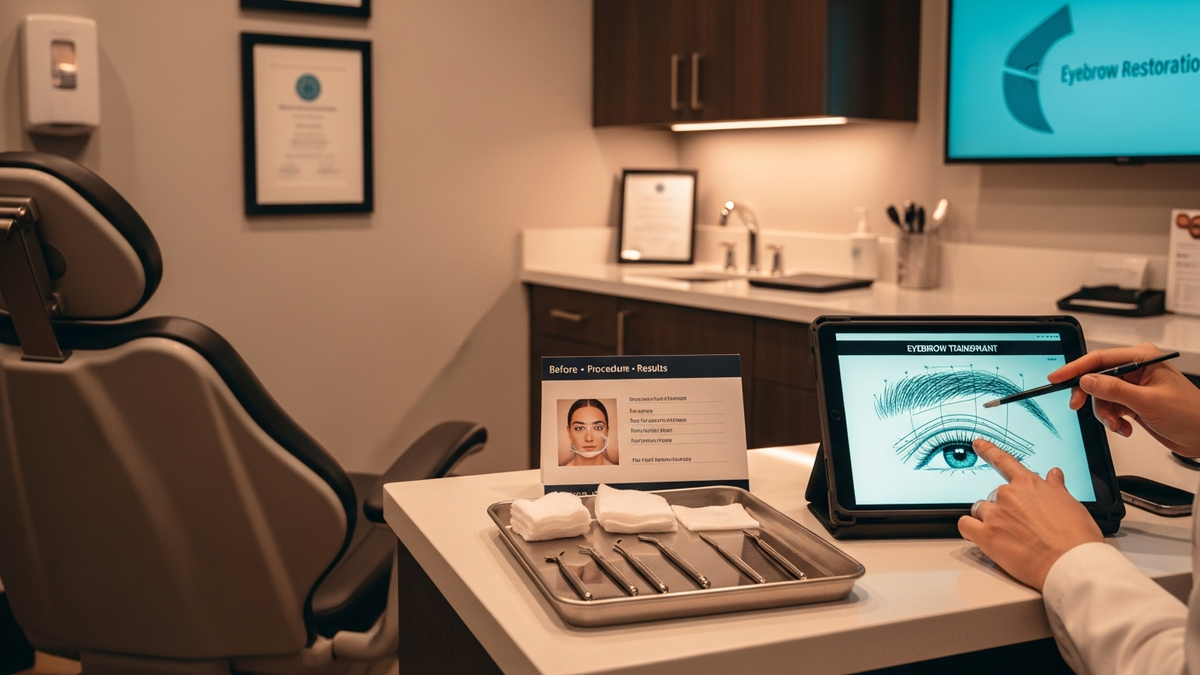
Some people seek a more youthful look by addressing hairline or eyebrow thinning. If you’re researching a broader refresh, you might come across a hair transplant or an eyebrow transplant. These can complement facial rejuvenation by improving overall facial framing.
FAQ: Houston Facelift Surgeon
How do I know if I’m a good candidate for a facelift?
Good candidates typically have visible sagging in the lower face and/or neck, along with realistic expectations about what surgery can achieve. A consultation should evaluate skin laxity, tissue support, and how you look at rest and in motion.
What is the typical facelift recovery timeline?
Most patients see the most noticeable changes as swelling and bruising decrease over the first few weeks. Many return to lighter activities within several weeks, while final contour refinement can continue improving for months. Your surgeon should provide a personalized week-by-week plan.
Will a facelift look natural on camera and in real life?
Natural results are usually tied to how tissues are repositioned and how scars are planned and managed. Ask to see results from patients with similar facial anatomy and to understand how the surgeon avoids an “over-tightened” appearance.
What are the most common risks of a facelift?
Risks can include bleeding/hematoma, infection, scarring concerns, asymmetry, numbness, and healing issues. A responsible surgeon will discuss risk factors (including smoking and medication use) and how they reduce complications.
Can a facelift be combined with eyelid surgery or neck contouring?
Often, yes—when your aging pattern involves multiple facial zones. Many patients benefit from a cohesive plan that addresses the eyes, lower face, and neck for a balanced, refreshed look. Your surgeon should explain why each component is necessary.
CTA: Ready to Explore Your Facelift Options?
If you’re considering a facelift and want guidance from a specialist who prioritizes natural-looking, education-forward care, take the next step. Use FlowGeniQ Digest as your starting point for questions and planning, then schedule a consultation with a qualified facial plastic surgeon to discuss your goals, candidacy, and personalized surgical approach.
Next action: Book a consultation, bring your questions, and ask specifically about technique, recovery expectations, and what “natural” means for your unique facial anatomy.
Professional Disclaimer
This content is provided for general educational purposes only by FlowGeniQ Digest. It is not a substitute for professional advice, diagnosis, or treatment. Readers are advised to consult qualified professionals for personalized recommendations.
Medical Information Disclaimer
This content is provided for general educational purposes only by FlowGeniQ Digest. It is not a substitute for professional advice, diagnosis, or treatment. Readers are advised to consult qualified professionals for personalized recommendations.