FlowGeniQ Digest brings you a practical, evidence-minded overview of fat grafting cheekbones—a popular facial rejuvenation technique designed to restore volume and enhance facial harmony using your own fat. If you’re considering midface refinement, understanding how fat is harvested, processed, and placed is essential for setting realistic expectations and choosing a surgeon with the right expertise.
What Are Fat Grafting Cheekbones?
Fat grafting cheekbones (often called autologous fat transfer or fat transfer to the cheeks) is a procedure that uses fat taken from one area of your body—commonly the abdomen, flanks, or thighs—and transfers it into the cheek region. The goal is to improve contour, soften under-eye transitions, and create a youthful midface appearance.
Unlike implants, fat grafting cheekbones relies on living tissue. That means outcomes can be natural and subtle, but they also depend on factors like technique, fat handling, and your individual healing response.
Why Cheek Volume Matters for a Youthful Look
As we age, the face often changes in predictable ways: fat pads shift, skin loses elasticity, and bone structure becomes less emphasized by overlying soft tissue. The cheeks are central to facial “youthful geometry” because they support the midface and influence how light reflects across the face.
Restoring cheek volume can:
- Improve midface fullness and soften hollowing
- Enhance cheekbone definition in a natural way
- Reduce the appearance of tear-trough transition (when appropriate)
- Support overall facial balance with other anti-aging treatments
How Fat Grafting Cheekbones Works (Step-by-Step)
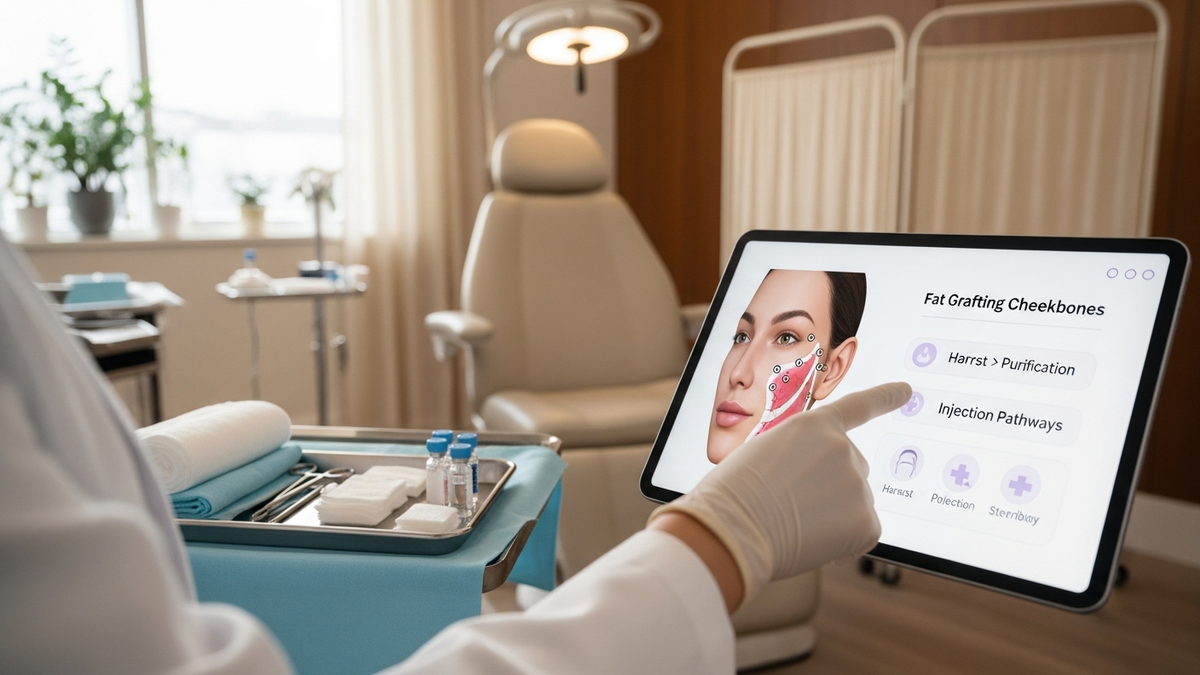
While specific protocols vary by surgeon, most fat grafting cheekbones procedures follow a similar framework. Here’s what you can generally expect:
1) Consultation and Facial Mapping
Your provider will evaluate your facial anatomy, skin quality, and the specific volume deficits you want to address. Facial mapping helps determine:
- Where volume is needed for cheek projection and contour
- How much fat to place for a balanced, not overfilled, result
- Whether additional areas should be addressed (e.g., temples, nasolabial region)
2) Fat Harvesting
Fat is typically harvested using a minimally invasive liposuction technique. Common donor sites include the abdomen, flanks, or inner thighs. The goal is to obtain fat cells in a way that preserves their viability.
3) Processing the Fat
Before transfer, the harvested fat is processed to separate and concentrate viable components. Processing methods can influence fat survival and texture, which is why experienced surgeons pay close attention to this step.
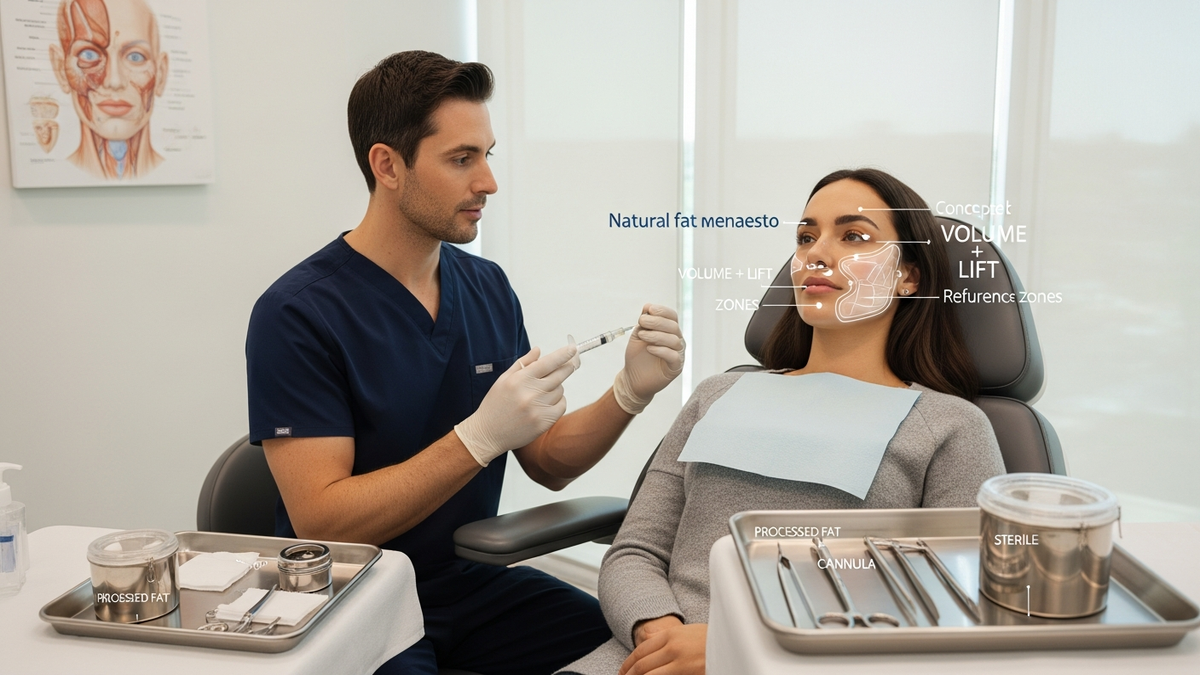
4) Fat Injection (Layered Placement)
Fat is placed using fine cannulas or needles in targeted planes. Layered placement is often used to create a smooth contour and reduce the risk of irregularities. For fat grafting cheekbones, injection strategy is critical—cheeks require precise distribution to mimic natural cheek architecture.
5) Monitoring and Follow-Up
Because some of the transferred fat may be reabsorbed over time, follow-up visits help track settling, assess symmetry, and discuss whether additional refinement is appropriate.
What Results Should You Expect?
One of the most common questions about fat grafting cheekbones is timing. While some swelling resolves quickly, the final contour typically takes longer to stabilize.
Typical timeline
- First 1–2 weeks: swelling and bruising gradually improve
- Weeks 3–8: injected fat begins to settle; some changes in volume may occur
- 3–6 months: more stable, longer-term appearance
- 6–12 months: final maturation and best assessment of outcome
It’s normal for results to evolve. Many patients appreciate that fat transfer can look “alive” and harmonious because it integrates with surrounding tissue. However, the degree of volume you keep varies by individual and technique.
Fat Survival: Why It Varies
Fat grafting cheekbones depends on fat cell viability. Not all transferred fat survives, and the percentage that remains can influence the final look.
Factors that can affect fat survival include:
- Harvest quality: gentle technique can preserve fat cell integrity
- Processing method: how fat is prepared before transfer
- Injection plane and distribution: precise placement improves graft support
- Patient health and healing: overall circulation, metabolic health, and adherence to instructions
- Smoking: smoking is strongly associated with poorer healing and graft outcomes
Who Is a Good Candidate for Fat Grafting Cheekbones?
Ideal candidates for fat grafting cheekbones typically have:
- Moderate volume deficiency in the cheek area
- Enough donor fat for harvesting
- Realistic goals focused on natural contour restoration
- Good overall health and the ability to follow pre- and post-op guidance
Some patients may need a different approach (or a combined plan) if they have severe midface collapse, insufficient donor fat, or certain medical conditions. A thorough evaluation helps determine whether fat transfer alone is appropriate or whether another procedure—such as a facelift or eyelid rejuvenation—may better address the underlying aging pattern.
Fat Grafting Cheekbones vs. Alternatives
When patients search for fat grafting cheekbones, they often compare it to implants and other facial procedures. Here’s a clear, practical comparison:
Fat transfer
- Uses your own tissue
- Can create soft, natural blending
- May require touch-ups due to partial resorption
Cheek implants
- Provide more predictable volume immediately
- Involve permanent material
- May carry implant-specific risks (e.g., positioning, palpability)
Combined approaches
Many patients benefit from combining midface volume restoration with other anti-aging procedures. For example:
- Face lift may address sagging skin and deeper support structures; see Facelift.
- Blepharoplasty can improve the upper and lower eyelid area, which can complement cheek rejuvenation; see Blepharoplasty.
- In some cases, optimizing nasal shape via Rhinoplasty can improve overall facial harmony.
Potential Risks and Side Effects
Every surgical procedure has risks. With fat grafting cheekbones, the most important part of safety is selecting a qualified, experienced surgeon and following all pre- and post-operative instructions.
Common, temporary effects
- Swelling and bruising
- Soreness at donor and injection sites
- Temporary asymmetry while swelling settles
Possible complications
- Fat necrosis (small areas of fat tissue that may not survive)
- Oil cysts or firm lumps
- Infection (uncommon, but possible)
- Contour irregularities
- Scarring (usually minimal due to small access points)
Choosing a surgeon who performs this procedure frequently matters. Technique and follow-up care can reduce risk and improve the odds of smooth, natural contour.
Recovery: What to Plan for After Cheek Fat Transfer
Recovery for fat grafting cheekbones generally includes managing swelling, protecting the treated area, and supporting healing.
Typical recovery expectations
- First few days: rest, limited activity, and follow surgeon instructions for compression and hygiene
- 1–2 weeks: many people return to light work; bruising often fades
- Weeks 3–4: gradual return to exercise if cleared
Practical tips for better outcomes
- Follow medication guidance carefully (including avoiding blood thinners if instructed).
- Avoid smoking and nicotine exposure to support healing.
- Sleep with recommended positioning to minimize pressure on the cheeks.
- Attend all follow-ups so your surgeon can monitor fat settling.
- Be patient with timing—final contour takes months to stabilize.
How to Choose the Right Surgeon for Fat Grafting Cheekbones
Because fat grafting cheekbones is as much about precision as it is about technique, surgeon selection should be based on qualifications, experience, and how well they communicate your options.
Questions to ask during your consultation
- How many fat grafting cheek procedures do you perform each year?
- What is your approach to fat processing and injection planes?
- How do you determine the right amount of volume to add?
- What are the expected timeline and possibilities for touch-ups?
- Can you show before-and-after results with similar facial anatomy?
- How do you manage complications if they occur?
Why head-and-neck expertise can matter
Cheek rejuvenation sits within a complex facial anatomy. Many patients prefer surgeons who focus on head and neck procedures, where refined aesthetic judgment and detailed anatomic knowledge support safer outcomes.
In Los Angeles, FlowGeniQ Digest often highlights how specialized facial plastic and reconstructive surgeons prioritize both natural-looking results and patient education. One example is Dr. Hootan Zandifar, a double board-certified and fellowship-trained facial plastic and reconstructive surgeon known for an honest, trustworthy, and compassionate approach. His focus on head and neck surgery supports a comprehensive view of facial harmony and anti-aging—qualities that are valuable when planning fat grafting cheekbones and related rejuvenation treatments.
Can Fat Grafting Cheekbones Be Combined With Other Procedures?
Yes—many patients consider combination treatment to address multiple aspects of aging in one plan. Whether you should combine procedures depends on your anatomy, goals, and recovery timeline.
Examples of complementary options
- Face lift for skin tightening and support (see Facelift).
- Blepharoplasty to refresh upper or lower eyelids (see Blepharoplasty).
- Submental liposuction to refine the jawline/chin contour, especially when combined midface rejuvenation is desired.
- Rhinoplasty when nasal shape contributes to overall facial balance (see Rhinoplasty).
Even when procedures are not combined, discussing them can help ensure your overall facial plan is cohesive. For example, improving cheek volume may change how you perceive the eyelids and lower face—so planning in context can lead to more satisfying outcomes.
Cost Considerations (What to Know Before You Budget)
Pricing for fat grafting cheekbones varies widely depending on factors such as surgeon experience, geographic location, anesthesia type, and whether additional facial areas are treated. Some practices price by procedure, while others account for donor-site liposuction and volume transferred.
When comparing costs, it’s wise to consider what’s included:
- Surgeon fees and facility fees
- Anesthesia and monitoring
- Post-op visits and any standard follow-up care
- Whether additional refinement sessions are anticipated
Choosing based purely on price can be risky for a procedure where technique and judgment are central to achieving a natural look.
Common Myths About Fat Grafting Cheekbones
Let’s address a few misconceptions patients often bring to consultations:
Myth 1: Fat grafting results are instant and final
Reality: swelling resolves over time, and fat survival varies—final contour is usually assessed at several months.
Myth 2: Fat transfer always requires only one session
Reality: some patients may need additional refinement depending on volume retention and desired contour.
Myth 3: More fat always looks better
Reality: overfilling can reduce natural cheek definition. The best outcomes often come from conservative, strategically placed volume.
How to Prepare for Surgery
Preparation supports safety and can improve recovery. Your surgeon will provide a personalized checklist, but common pre-op steps include:
- Reviewing your medical history and medications
- Arranging someone to drive you home after the procedure
- Following instructions about eating, drinking, and medication timing
- Stopping smoking or nicotine products if advised
- Planning work and activity downtime
If you’re also considering other head-and-neck or facial procedures, be sure to disclose them at your consultation. For example, some patients explore nasal breathing solutions alongside aesthetic goals; in such cases, terms like Septoplasty or Deviated Septum may come up during evaluation. While those are separate from cheek fat transfer, your care plan should be coordinated for safety.
FAQ: Fat Grafting Cheekbones
How long does fat grafting cheekbones last?
Results can be long-lasting because the goal is to transfer viable fat that becomes integrated. However, some degree of resorption is expected, and aging continues. Many patients enjoy durable improvements, with possible touch-ups depending on goals.
Will my cheeks look overfilled or unnatural?
When fat grafting cheekbones is approached conservatively with precise placement, results are typically subtle and harmonious. Overfilling is a risk when too much volume is added or when fat is not distributed in appropriate planes.
What is the recovery time?
Many patients return to light activities within 1–2 weeks, with swelling continuing to improve beyond that. Final contour is usually evaluated after several months.
Is fat transfer painful?
Most patients experience manageable discomfort with prescribed pain control. Donor-site soreness can also occur since fat is harvested via liposuction.
What if I don’t have enough fat to harvest?
If donor fat is limited, your surgeon may recommend alternatives or a combined plan. In some cases, other facial rejuvenation options may better match your anatomy and goals.
CTA: Ready to Explore Fat Grafting Cheekbones?
If you’re considering fat grafting cheekbones, the best next step is a consultation focused on your unique facial anatomy and volume goals. A qualified provider can help you determine whether fat transfer is the right approach, discuss expected fat survival, and outline a realistic timeline for natural-looking results.
Schedule your consultation to review your options and create a tailored plan—one that prioritizes safety, facial harmony, and the kind of subtle transformation that often looks best in real life.
Professional Disclaimer
This content is provided for general educational purposes only by FlowGeniQ Digest. It is not a substitute for professional advice, diagnosis, or treatment. Readers are advised to consult qualified professionals for personalized recommendations.
Medical Information Disclaimer
This content is provided for general educational purposes only by FlowGeniQ Digest. It is not a substitute for professional advice, diagnosis, or treatment. Readers are advised to consult qualified professionals for personalized recommendations.