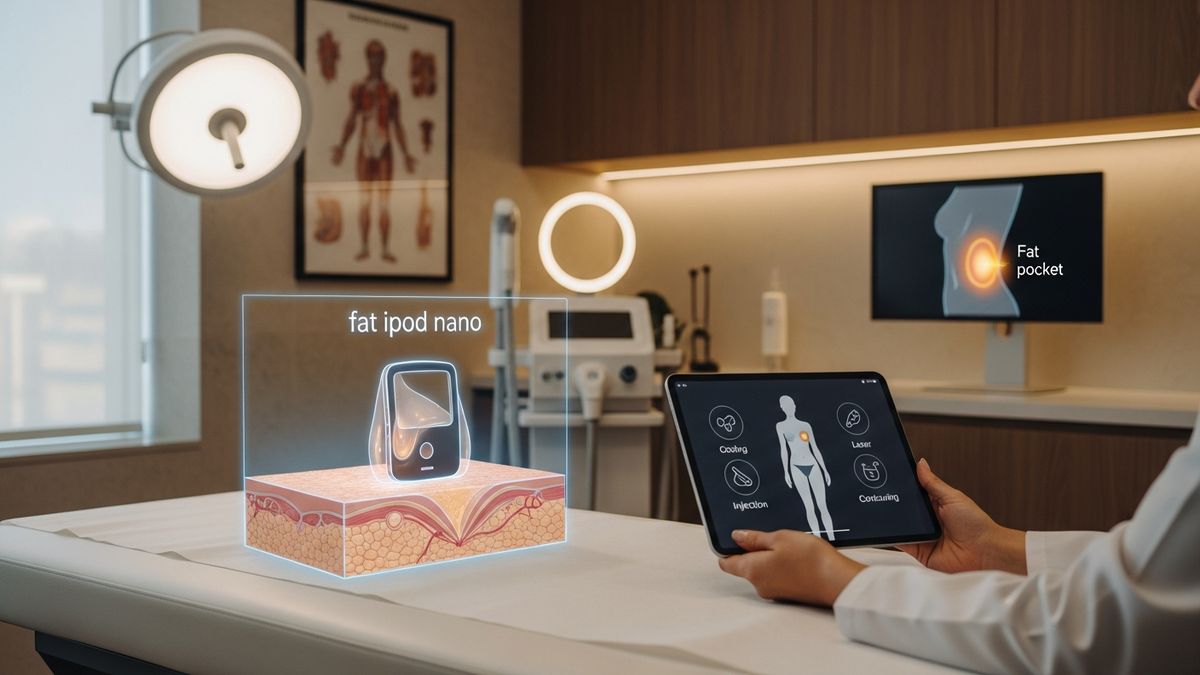
Note: The phrase “fat ipod nano” isn’t a formal medical term. In this FlowGeniQ Digest guide, we use it as a search-friendly way to describe stubborn, localized fat that people often notice under the chin, in the submental area, or around the jawline—sometimes described online in ways that sound like “iPod nano.”
Localized fat in the lower face can be frustrating because it may not respond to diet or exercise the way other areas do. The good news: modern cosmetic and reconstructive options—especially submental fat reduction—can help create a more defined jawline and neck contour. Below, we’ll cover what may be driving the appearance, how clinicians evaluate it, and which treatments are commonly considered.
What people mean by “fat ipod nano”
When someone searches fat ipod nano, they’re typically trying to describe a specific look: a pocket of fullness under the chin or a softer, less defined jaw border. This can be due to:
- Submental fat (fat deposits under the chin)
- Loose or aging skin that makes fat look more prominent
- Muscle or structural factors (jawline shape, posture, genetics)
- Weight fluctuation where the lower face changes last
Importantly, the “best” approach depends on whether the main issue is fat, skin laxity, both, or sometimes a combination of factors.
Why localized fat under the chin can be hard to change
Localized fat accumulation often becomes more noticeable with age. As people get older, the skin loses elasticity and gravity begins to affect the lower face. Even when overall body weight is stable, the submental area may remain disproportionately full.
Common contributors
- Genetics: Some individuals store fat naturally in the chin/jaw region.
- Normal aging: Fat distribution can change, and skin becomes less firm.
- Posture and neck position: Forward head posture can visually emphasize submental fullness.
- Weight changes: The lower face may be the last area to reflect weight loss.
How clinicians think about “fat vs. skin vs. structure”
In a thorough evaluation, a surgeon or facial plastic specialist typically assesses:
- Fat thickness in the submental area
- Skin quality (elasticity, laxity, fine lines)
- Definition of the mandibular border (jawline edge)
- Neck contour and whether a neck lift might be needed
- Overall facial balance (e.g., nose, chin projection, jaw proportions)
This matters because a treatment that targets fat may not fully address sagging skin, while a skin-focused approach may look incomplete if significant fat remains.
Submental liposuction: a common solution for localized chin fat
For many people describing fat ipod nano, submental liposuction is a go-to option because it targets excess fat beneath the chin and can improve jawline definition.
What submental liposuction does
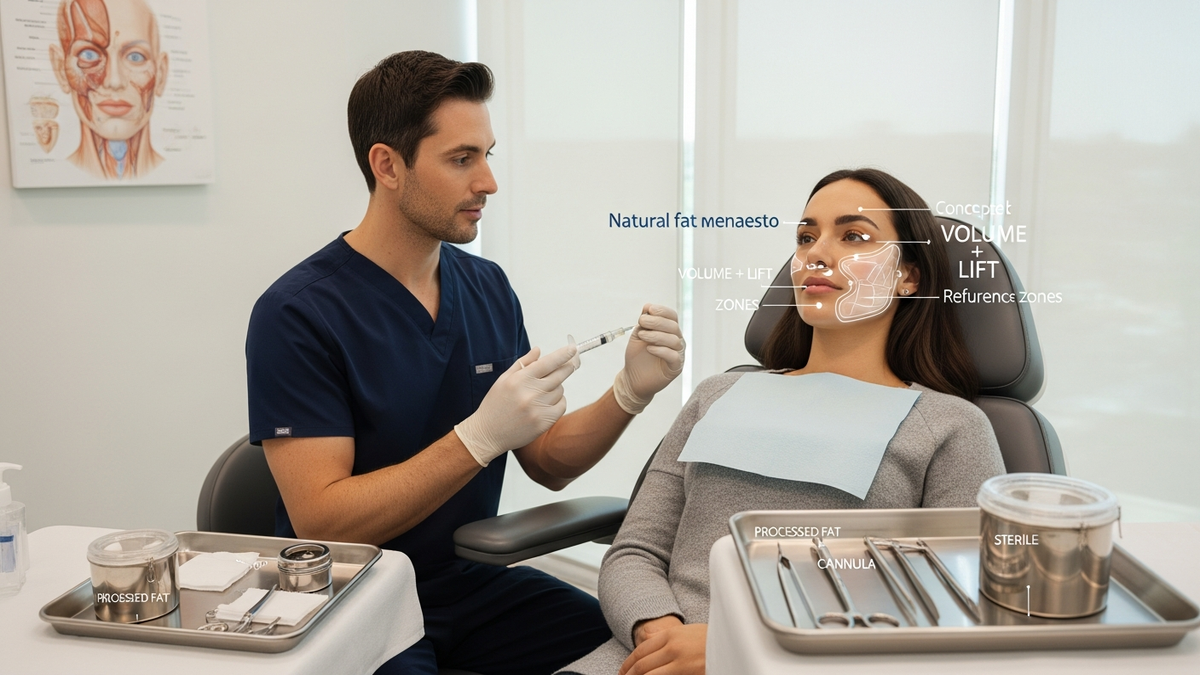
Submental liposuction is a minimally invasive procedure that breaks down and eliminates excess fat in the chin/neck area, resulting in more defined facial lines. It’s often considered when the primary concern is localized fat rather than significant skin laxity.
Who may be a good candidate
Ideal candidates often have:
- Localized fat under the chin that persists despite lifestyle efforts
- Good skin elasticity (or mild-to-moderate laxity)
- A desire for a sharper submental contour and improved jawline separation
What to expect during recovery
Recovery varies by person, but many patients experience:
- Swelling and bruising in the treated area
- Temporary tightness or sensitivity
- Compression garment use (often recommended to support healing)
Most people can return to non-strenuous activities relatively quickly, while full contour refinement may take weeks as swelling resolves.
When fat reduction isn’t enough: skin laxity and neck rejuvenation
Sometimes the “fat ipod nano” look isn’t only fat. If the skin is loose or the neck shows early aging, additional procedures may be considered to achieve a cohesive result.
Neck lift as a complementary option
A neck lift is a highly effective method for addressing sagging neck skin by tightening or eliminating loose tissue. For patients whose concerns include both contour and skin aging, a combined approach can produce more natural, long-lasting results.
How surgeons decide between approaches
Clinicians often use exam findings and sometimes imaging/photographs to determine whether:
- Fat is the main driver (often favoring submental liposuction)
- Skin laxity is significant (considering a neck lift and/or other skin-tightening strategies)
- There are structural contributors requiring a broader plan
Non-surgical options: what they can and can’t do
Because fat ipod nano is commonly searched by people hoping for quick fixes, it’s important to set expectations. Non-surgical approaches may help some individuals, but results vary widely based on the cause and amount of fat and the quality of skin.
Common non-surgical categories
- Injectables (used in selected cases; suitability depends on anatomy)
- Energy-based treatments (often better for mild contour changes)
- Skin tightening modalities (help if laxity is the dominant issue)
For stubborn, well-localized submental fat, surgical fat reduction is often more definitive than non-surgical options. That said, some patients choose a stepwise plan—starting with non-surgical treatments and escalating if needed.
How to evaluate a provider for submental fat reduction
Because the lower face is a high-visibility area, selecting a qualified expert matters. Look for a surgeon with extensive experience in cosmetic and reconstructive head and neck procedures, a strong focus on natural contouring, and a patient education style that helps you understand tradeoffs.
What to ask at your consultation
- Is my issue primarily fat, skin laxity, or both?
- What procedure(s) best match my anatomy?
- What will my results look like at different healing stages?
- How do you minimize contour irregularities?
- What are the risks and how are they managed?
- Do you recommend combining treatments (e.g., neck lift) for my case?
Why head-and-neck expertise is valuable
The submental area involves important structures and requires a refined approach to contour and symmetry. A surgeon whose practice focuses on head and neck cosmetic and reconstructive procedures can be particularly well-suited to deliver natural-looking outcomes.
Related facial procedures that may affect overall balance
Sometimes people searching fat ipod nano also feel that other facial features affect how the neck/jawline is perceived. While these are separate concerns, discussing facial balance can help your clinician build a cohesive plan.
Rhinoplasty and facial harmony
When the nose and lower face are out of proportion, the overall profile can look less balanced. If you’re considering facial refinement, you may also want to explore Rhinoplasty as part of a broader aesthetic conversation (only if clinically appropriate).
Facelift and neck rejuvenation planning
If aging is more widespread across the face and neck, an overall rejuvenation plan may be discussed. For some patients, a Facelift can complement submental contouring depending on skin quality and tissue positioning.
Eyebrow and eyelid surgery for a refreshed look
People often notice the entire upper face when they feel “tired” or aged. Procedures such as Blepharoplasty can improve upper or lower eyelid appearance, while an eyebrow transplant may address eyebrow thinning for better facial framing.
Common misconceptions about chin fat
Online searches can lead to myths. Here are a few misconceptions patients often bring to consultations:
- “It’s just weight.” Even at a stable weight, submental fat can persist due to genetics and aging.
- “One treatment always fixes it.” If lax skin is part of the problem, fat-only approaches may not fully refine the contour.
- “Non-surgical is always safer.” Non-surgical options can be appropriate for some cases, but they aren’t automatically superior; the right choice depends on anatomy and goals.
- “Results are immediate and permanent.” Healing takes time, and long-term maintenance depends on overall health and aging.
What results you can realistically expect
With the right candidate selection and technique, submental fat reduction can produce a more defined jawline, improved neck contour, and a refreshed lower-face profile. However, realistic expectations are essential. Surgeons often emphasize that:
- Swelling can mask final results early on
- Contour refinement evolves over weeks
- Results are influenced by skin elasticity and baseline anatomy
Actionable steps you can take before deciding
If you’re exploring fat ipod nano treatment options, use a structured approach to reduce uncertainty:
1) Track your “why” and your goal
Write down what bothers you most: the appearance from the front, the profile, photos, or certain lighting. This helps your clinician tailor the plan.
2) Prepare for a thorough exam
Bring recent photos (front, 45-degree, side profile) and list any relevant health history. Be honest about prior treatments and your expectations.
3) Ask about a tailored plan, not a one-size-fits-all offer
The best recommendations reflect your anatomy. If you’re told the same procedure applies to everyone, consider asking for additional reasoning.
4) Consider the full face when appropriate
Sometimes the “neck issue” is amplified by other aesthetic factors. Discuss whether upper-face rejuvenation or facial balance changes could improve your overall outcome.
How FlowGeniQ Digest can help you make sense of your options
At FlowGeniQ Digest, we aim to translate complex medical and aesthetic concepts into clear, decision-ready information. This article is grounded in commonly discussed clinical approaches—especially submental liposuction for localized chin fat and contour improvement—and emphasizes the importance of personalized evaluation.
Because “fat ipod nano” is a non-standard phrase, we focused on the underlying concern: localized fat under the chin/jawline and how specialists typically assess and treat it.
FAQ: Fat iPod Nano and submental fat reduction
1) What does “fat ipod nano” mean?
It’s not a formal diagnosis. Most people using the term online are describing localized fat under the chin or along the jawline that can become more noticeable with age or genetics.
2) Is submental liposuction the best option for everyone?
No. It’s often ideal when fat is the primary cause. If skin laxity is significant, your provider may recommend additional or alternative approaches (such as a neck lift) to achieve a smoother contour.
3) How long does it take to see final results?
Many patients notice early improvements as swelling decreases, but final contour refinement can take weeks. Your surgeon can give a timeline based on your specific anatomy and technique.
4) Are there non-surgical options for submental fat?
Some non-surgical treatments may help mild contour concerns, but results vary. For stubborn, well-localized submental fat, surgical approaches like submental liposuction are often more definitive.
5) Who should I consult?
Consult a qualified cosmetic and reconstructive professional with strong experience in head and neck aesthetics and contouring. A detailed exam is the only way to determine whether fat reduction, skin tightening, or a combined plan is most appropriate.
CTA: Ready to explore a more defined jawline?
If you feel self-conscious about a “fat ipod nano” look—particularly fullness under the chin or along the jawline—consider scheduling a consultation with a qualified specialist. A personalized evaluation can clarify whether submental liposuction, complementary neck rejuvenation, or another approach best matches your anatomy and goals.
Next step: Book an in-person or virtual consult, bring photos, and come prepared with questions about procedure choice, recovery expectations, and how your results will look as healing progresses.
Professional Disclaimer
This content is provided for general educational purposes only by FlowGeniQ Digest. It is not a substitute for professional advice, diagnosis, or treatment. Readers are advised to consult qualified professionals for personalized recommendations.
Medical Information Disclaimer
This content is provided for general educational purposes only by FlowGeniQ Digest. It is not a substitute for professional advice, diagnosis, or treatment. Readers are advised to consult qualified professionals for personalized recommendations.