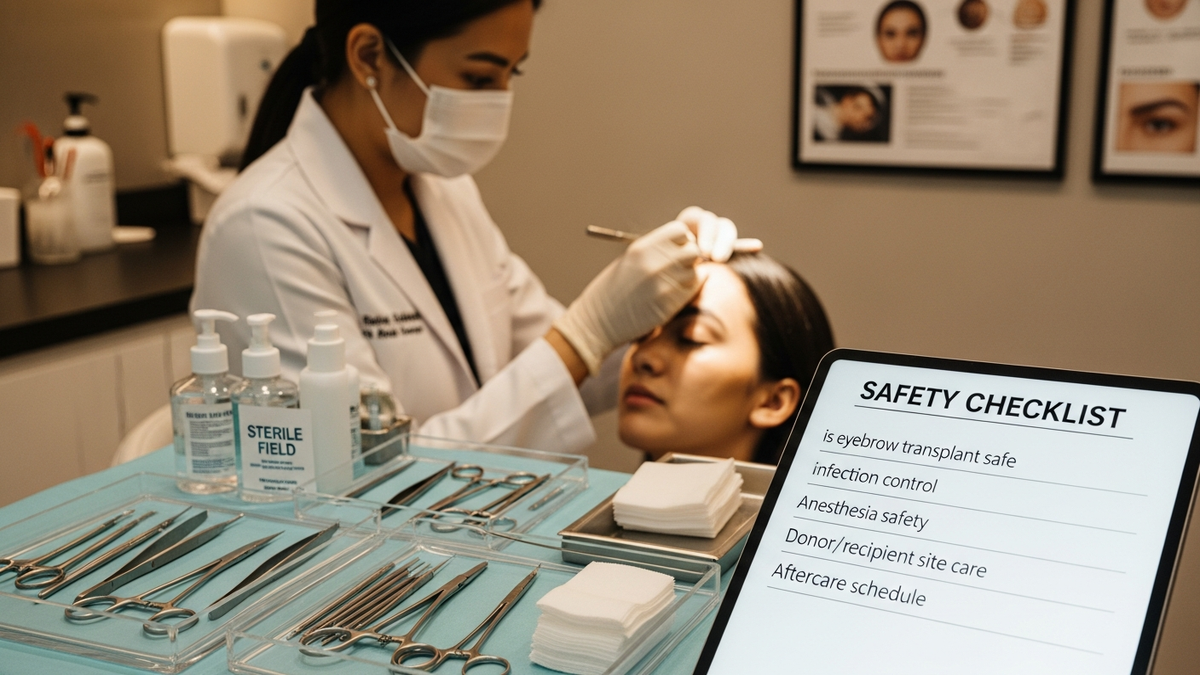
FlowGeniQ Digest presents this editorial guide to help you understand what people typically mean when they search for a house facelift—and how to approach cosmetic facial rejuvenation with clarity, safety, and realistic expectations.
In practice, most patients are looking for a procedure that tightens sagging skin, refreshes facial contours, and reduces visible signs of aging. Whether you’re exploring a traditional Facelift or considering complementary head-and-neck options, informed decision-making is key.
What people mean by “house facelift”
The phrase house facelift isn’t a standardized medical term you’ll find in surgical textbooks. In search behavior, it often refers to one of these ideas:
- A full-face or face-and-neck lift (commonly called a facelift) to reduce sagging and tighten skin.
- A home-preparation and planning process for a facelift—e.g., arranging recovery support, medications, and transportation.
- A “package” mindset: pairing a facelift with other facial procedures (such as eyelid surgery, brow lift, or fat contouring) to create a cohesive result.
To avoid confusion, the most productive next step is not to fixate on the wording, but to clarify your goals with a qualified facial plastic surgeon: What areas bother you most? What kind of aging do you want to address? What outcome looks natural to you?
Facelift basics: what a facelift actually does
A facelift is a cosmetic procedure designed to raise and tighten skin and supporting tissues on the face and neck. Many patients seek this approach when they notice sagging skin, deeper wrinkles, and loss of definition that can make the lower face and jawline look heavier or less youthful.
In a well-planned facelift, the goal isn’t to “stop aging.” It’s to restore a smoother, more refreshed appearance by addressing the underlying structural changes that occur over time—often including repositioning deeper tissues, not just tightening surface skin.
Who typically considers a facelift
While every consultation is unique, patients commonly include:
- People with visible sagging along the jawline or cheeks
- Those with neck laxity (often described as a “crepey” or “band-like” appearance)
- Individuals who want a natural-looking improvement rather than an overly tight or “pulled” look
- Patients who want to reduce the appearance of age-related folds and lines
Face and neck aging: why one procedure may not be enough
Aging is multidimensional. The lower face might sag, the mid-face could lose volume, and the upper face may show changes in brows or eyelids. That’s why many people pursuing a house facelift outcome end up exploring a custom combination of treatments.
Common complementary options
- Blepharoplasty (eyelid surgery) to reduce excess upper eyelid skin and under-eye puffiness—often a major “youth reset.” You can read more about Blepharoplasty here.
- Brow lift to elevate brows and soften forehead lines.
- Neck lift or neck-focused tightening when the neck is the primary concern.
- Submental liposuction for localized fat under the chin that contributes to a heavier lower face.
- Hair restoration considerations for overall facial harmony—especially if hair thinning changes how the face frames.
For individuals considering hair restoration alongside facial rejuvenation, explore a hair transplant option to support a balanced, natural look.
“House facelift” planning: what to do before surgery
If your search includes “house” alongside “facelift,” you may be thinking about practical home preparation. That’s smart. Recovery is easier when your environment and logistics are ready.
Practical pre-surgery checklist
- Choose a qualified surgeon with experience in facial plastic and reconstructive surgery. Look for board certification and a portfolio of natural-looking results.
- Schedule your recovery support: arrange a friend or family member for the first 24–48 hours, and confirm transportation to follow-up visits.
- Prepare your “recovery home base”:
- Easy-access pillows for sleeping with your head elevated
- Clean, soft clothing that doesn’t require pulling over the head
- Phone charger, water, and any approved medications within reach
- Review medication and supplement guidance: follow your surgeon’s instructions regarding blood-thinning medications, nicotine, and supplements.
- Plan for time off work: many patients need at least 1–2 weeks for visible recovery, depending on the extent of the procedure and personal healing.
Set realistic outcome expectations
One of the most common reasons patients feel disappointed after surgery is a mismatch between expected and actual results. A strong surgeon will discuss:
- How your anatomy responds to tightening and repositioning
- Scarring patterns and what they look like over time
- How long results take to settle
- What can and cannot be improved with a facelift alone
Choosing the right procedure: facelift vs. other head-and-neck options
Not every aging concern is best treated with a facelift. Some patients need structural nasal breathing improvements, eyelid correction, or targeted contouring. Others may benefit from a more comprehensive facial plan.
When your goals are more than “skin tightening”
During a consultation, a surgeon should assess:
- Skin quality and elasticity
- Fat distribution and volume loss
- Muscle and tissue support
- Neck contour and jawline definition
- Upper face balance (brows and eyelids)
Functional nasal issues (a separate but important consideration)
Some patients researching overall facial aesthetics also have chronic nasal congestion. If breathing is affected by structural issues, addressing function can improve quality of life and complement facial appearance goals.
For example, a Septoplasty may be considered for a Deviated Septum that obstructs airflow. In other cases, surgeons may discuss functional nasal options beyond purely cosmetic rhinoplasty.
If your goals include both breathing and aesthetics, you may explore Rhinoplasty options with a specialist who understands head-and-neck anatomy.
What to expect during a facelift consultation
A high-quality consultation is more than a sales conversation. It should be a structured, educational process built around your goals, medical history, and anatomy.
Questions you should ask your surgeon
- Am I a good candidate for a facelift? Why or why not?
- Which technique is planned? What tissues will be addressed?
- What will the scar pattern look like and how does it mature over time?
- What results are realistic for my anatomy? Ask about before-and-after examples.
- What is the recovery timeline? What’s typical for swelling, bruising, and return to normal activities?
- Will I need additional procedures such as Blepharoplasty or a brow lift to complete the look?
How to evaluate “natural-looking” results
Natural results usually show:
- Subtle improvement in jawline and cheek contour
- Facial proportions that still look like you
- No obvious “over-tightened” appearance
- Balanced harmony between upper eyelids, brows, mid-face, and neck
Recovery timeline: realistic expectations for a house facelift journey
Recovery varies. However, a typical post-facelift experience often includes swelling, bruising, tightness, and temporary numbness around incision areas. Many patients notice the most dramatic changes as swelling gradually resolves.
Common recovery phases
- First 0–72 hours: swelling and bruising may be most noticeable. Rest and head elevation are crucial.
- Days 4–14: bruising often fades. Many patients can return to lighter daily activities, depending on their work and comfort level.
- Weeks 2–6: contour refinement becomes clearer as tissues settle.
- Months 2–6: final result may continue to evolve as healing completes.
Aftercare that supports better healing
Follow your surgeon’s specific instructions. In general, good recovery practices include:
- Keeping your head elevated as directed
- Avoiding strenuous exercise until cleared
- Not smoking or using nicotine products (if applicable)
- Attending all follow-up appointments
- Monitoring incision areas for any concerning changes
Costs and budgeting: what influences facelift pricing
When people search for a house facelift, they often want cost clarity. Facial plastic surgery pricing varies widely based on several factors.
Key cost drivers
- Procedure scope: facelift alone vs. facelift plus neck lift, eyelid surgery, or brow lift
- Surgeon experience and facility standards
- Anesthesia type and surgical setting
- Complexity of anatomy (e.g., degree of laxity, tissue repositioning needs)
- Post-op care and follow-ups
Tip: Ask for a written estimate that includes surgeon fees, facility fees, anesthesia fees, and common post-op needs. This helps you plan without surprises.
Safety and risks: how to reduce complications
No surgery is risk-free. A responsible surgeon will discuss potential complications, how they’re managed, and how your personal health affects risk.
Potential risks (examples)
- Bleeding or hematoma
- Infection
- Scarring changes
- Nerve irritation or numbness (often temporary)
- Asymmetry
- Skin flap healing issues
- Unfavorable results requiring revision
How you can lower your risk
- Disclose your full medical history, medications, and supplements
- Follow pre-op instructions closely (including nicotine guidance)
- Choose a board-certified surgeon with a head-and-neck focus
- Attend all follow-ups
- Report symptoms promptly (e.g., fever, severe pain, unusual swelling)
Natural-looking “house facelift” results: what makes the difference
Natural results are not accidental—they come from careful planning, appropriate technique selection, and an artist’s understanding of facial balance.
What to look for in a surgeon
- Honest patient education about realistic outcomes
- Compassionate, trustworthy communication
- Natural approach that preserves facial identity
- Experience in head-and-neck anatomy
Example of a head-and-neck focused approach
In Los Angeles, many patients seek facial plastic and reconstructive specialists who focus on the head and neck. For instance, Dr. Hootan Zandifar is a board-certified Facial Plastic & Reconstructive Surgeon known for an educational and patient-centered approach. His practice emphasizes natural-looking solutions and advanced techniques for restoring a refreshed, youthful appearance.
While your needs may differ, the principle remains: the best facelift is the one tailored to your anatomy and goals—not a one-size-fits-all template.
FAQ: house facelift questions people ask most
1) Is “house facelift” the same as a facelift?
Not exactly. House facelift is not a formal medical term. People often use it to refer to a facelift outcome, a facelift “plan,” or a facelift combined with other rejuvenation steps. The correct procedure depends on your anatomy and goals.
2) How long does a facelift take, and what is the recovery like?
Procedure duration and recovery vary by scope. Most patients experience swelling and bruising early, with gradual improvement over weeks. Many return to lighter activities within 1–2 weeks, but full settling can take months.
3) Will a facelift remove wrinkles?
A facelift can improve the appearance of wrinkles and folds by repositioning tissues and tightening supportive structures. However, some fine lines may require complementary treatments depending on skin quality and aging pattern.
4) Can I combine a facelift with other procedures?
Often, yes. Many patients pair facelift with eyelid surgery (Blepharoplasty), brow lift, neck lift, or contouring to create a cohesive, balanced result. Your surgeon will recommend what’s appropriate for your goals and safety.
5) Does addressing nasal function matter for facial aesthetics?
It can. Nasal breathing issues (such as a Deviated Septum) can affect comfort and overall quality of life. Functional procedures like Septoplasty or other head-and-neck options may be considered separately or in combination with aesthetic goals.
CTA: take the next step toward a safer, more natural result
If you’re considering a house facelift outcome, the best way to move forward is with a consultation that focuses on your specific anatomy and goals—not a generic package.
FlowGeniQ Digest encourages you to:
- Write down your top concerns (cheeks, jawline, neck, eyelids, brows)
- Bring photos you feel represent your ideal look
- Ask your surgeon for a clear plan, including realistic expectations and recovery guidance
- Confirm safety credentials and post-op support
Ready to explore options? Schedule a consultation with a qualified facial plastic and reconstructive surgeon to discuss whether a facelift (and any complementary procedures) is right for you.
Professional Disclaimer
This content is provided for general educational purposes only by FlowGeniQ Digest. It is not a substitute for professional advice, diagnosis, or treatment. Readers are advised to consult qualified professionals for personalized recommendations.
Medical Information Disclaimer
This content is provided for general educational purposes only by FlowGeniQ Digest. It is not a substitute for professional advice, diagnosis, or treatment. Readers are advised to consult qualified professionals for personalized recommendations.