Source: FlowGeniQ Digest — a multi-industry AI-powered content platform focused on practical, evidence-aware guidance for real people making real decisions.
When people search for a house facelift, they’re usually looking for one thing: a refreshed, more youthful appearance that still looks natural—less “done,” more “you, but with time turned back.” Whether you’re noticing sagging along the jawline, deeper neck bands, or the way skin changes with age, it’s normal to want a plan that matches your anatomy, your goals, and your comfort level.
In this guide, we’ll clarify what a “house facelift” typically refers to in cosmetic conversations, outline who may be a good candidate, compare treatment pathways (including surgical and non-surgical options), and share a checklist for choosing a qualified facial plastic surgeon. We’ll also cover risks, recovery expectations, and how to coordinate related procedures when appropriate.
What does “house facelift” mean?
The phrase house facelift isn’t a single medical procedure with one universal definition. In online discussions, it’s often used to describe a “whole-face” rejuvenation effect—commonly a combination of tightening, lifting, and contour refinement around the face and neck. People may use the term to mean:
- A classic facelift focused on lifting and tightening the lower face and neck
- A broader rejuvenation plan that may include complementary procedures (for example: eyelid rejuvenation, brow/forehead support, or fat/volume balancing)
- A less invasive alternative approach aimed at improving laxity and texture without a full surgical lift
Because the term can vary, the most important step is to translate your goal into clinical language: Which areas bother you most? What do you want to improve—sagging, wrinkles, volume loss, or skin quality? A qualified surgeon can then recommend the most appropriate pathway.
Why people consider a facelift-style refresh
As we age, changes show up in predictable patterns: skin thins, supportive tissues loosen, and gravity gradually reshapes the face. Many patients seeking a house facelift-style result are trying to address one or more of the following concerns:
- Jowls and jawline sagging that makes the lower third look heavier
- Neck laxity and visible “bands” or loose skin
- Deepening nasolabial folds and creases that become more pronounced with time
- Loss of definition around the chin and jaw
- Wrinkles and skin texture that don’t respond as well to topical care alone
For many, a facelift offers a dramatic but natural-looking improvement when the underlying tissue support is the main issue.
Facelift basics: what a traditional facelift does
A classic facelift is a cosmetic procedure that raises and tightens the skin and tissue on the face and neck to provide a younger appearance. Many patients with sagging or wrinkled skin choose this because it can reverse visible aging signs—particularly in the lower face and neck.
If you’re specifically interested in a surgical Facelift approach, you can explore the procedure details here: Facelift.
Common techniques and what “natural” means
“Natural-looking” results typically come from:
- Appropriate vector planning (lifting the right tissues in the right direction)
- Balanced tension (enough tightening for rejuvenation, not so much that it looks stretched)
- Preservation of facial proportions (maintaining your identity while improving contours)
- Thoughtful skin management (so the skin drapes smoothly rather than appearing overly taut)
A skilled facial plastic surgeon focuses on outcomes that look like a refreshed version of you—not an entirely different face.
Who might be a good candidate for a house facelift-style plan?
Not everyone needs a full surgical facelift to get a meaningful improvement. Still, candidates often share certain traits. A clinical consult typically evaluates skin quality, tissue laxity, fat distribution, and overall health.
Typical candidate profile
- Visible sagging in the lower face and/or neck
- Loose skin that persists despite non-surgical treatments
- Stable health with no uncontrolled medical conditions that would complicate surgery
- Realistic expectations about what lifting can and cannot do
- Strong commitment to recovery and post-procedure care
When non-surgical or partial approaches may fit better
If your main concern is early laxity, mild skin laxity, or texture rather than significant tissue descent, your surgeon may recommend a less invasive plan. Some patients benefit from targeted procedures that improve contour and quality without the footprint of a full lift.
House facelift options: surgery vs. complementary treatments
A “house facelift” plan often includes more than one step. The goal is harmonization—so facial areas move together and the overall result looks cohesive.
1) Surgical facelift (face-and-neck lifting)
For patients with moderate to advanced sagging, a facelift can provide the most noticeable structural improvement. This procedure is commonly considered when the tissues have loosened and the neck/jawline show clear aging changes.
Explore: Facelift
2) Eyelid rejuvenation (for a “fully refreshed” look)
Even when the lower face improves, upper or lower eyelid concerns can still make someone look tired. Blepharoplasty can help address excess upper eyelid skin or puffiness in the lower eyelids.
Explore: Blepharoplasty
3) Brow/forehead support (when the upper frame needs attention)
A brow lift (also called a forehead lift) can raise the eyebrow to improve visibility and reduce forehead wrinkles or frown lines. This is often considered when upper-face aging contributes to the overall “tired” look.
4) Neck refinement (tightening vs. fat contouring)
Neck aging isn’t only skin laxity—it can also involve localized fat deposits. Some patients may benefit from submental liposuction to refine the chin/neck area, while others may need skin tightening through a neck lift approach.
5) Volume and skin quality strategies
Depending on your goals, surgeons may integrate volume-restoring or skin-quality treatments as part of a comprehensive plan. The key is tailoring: not everyone needs the same combination.
How to choose the right treatment plan for your anatomy
The best house facelift-style outcome comes from matching your concerns to the right tissues and the right technique. Here’s a practical framework you can use for your consult.
Step 1: Identify your primary “driver” of aging
Ask yourself which problem is most obvious in photos and mirrors:
- Is it skin laxity (loose, crepey tissue)?
- Is it tissue descent (jowls, sagging contour)?
- Is it fat distribution (soft fullness under the chin/jaw)?
- Is it upper-face aging (eyelids/brow frame affecting the whole look)?
Step 2: Bring specific examples
Use 5–10 photos to show your concerns from different angles and lighting. Include:
- Front, both sides, and a slight down-angle shot
- Close-ups of the neck/jawline
- Photos that show your expression (smiling and neutral)
Step 3: Ask how the surgeon plans to keep results natural
Good questions include:
- What tissues are targeted and why?
- How will tension be balanced to avoid an over-tight look?
- How do you plan to preserve facial proportions and movement?
- What is your approach to scar placement and healing?
Step 4: Consider whether you need “support” procedures
Sometimes, the most natural outcome comes from addressing adjacent areas. For example, if eyelids contribute to a tired appearance, Blepharoplasty may be discussed alongside facelift planning.
Recovery expectations: what most patients should plan for
Recovery varies based on the extent of surgery and individual healing. Your surgeon will provide personalized instructions, but here are common realities patients should plan for after a facelift-style procedure:
- Swelling and bruising are typical and gradually improve
- Activity restrictions help support proper healing
- Follow-up visits are essential to monitor progress
- Results evolve over weeks to months as tissues settle
Plan ahead for time away from work and social events, and arrange transportation for the initial post-procedure period.
Risks and complications: what to discuss before you commit
Every surgical procedure carries potential risks. A reputable surgeon will explain them clearly and help you weigh benefits and risks based on your health profile and goals.
Common categories of risks
- Temporary bruising and swelling
- Changes in skin sensation (often temporary)
- Asymmetry and the possibility of revision in select cases
- Scarring (usually improves over time, but individual healing varies)
- Infection or fluid collections (uncommon, but discussed)
- Adverse effects related to anesthesia
Your surgeon may also discuss smoking risks, medication timing, and how your medical history affects healing.
Why surgeon experience matters for a house facelift
Facelift outcomes depend heavily on surgical judgment—especially when it comes to tissue handling, vector planning, and aesthetic balance. Experience matters not only for technical execution but also for patient education and expectation-setting.
A head-and-neck focus can support refined outcomes
When choosing a surgeon, consider whether their practice focuses on the head and neck region. For example, Dr. Hootan Zandifar focuses solely on cosmetic and reconstructive surgery of the head and neck. This specialized focus supports comprehensive facial aesthetic planning and natural-looking results, with an emphasis on patient education and informed decision-making.
In a consult-driven process, the surgeon helps patients understand options across procedures—such as facelifts, eyelid surgery, brow lift approaches, and neck refinement strategies—so the final plan aligns with the patient’s anatomy.
Related considerations: when other facial procedures come up
Facial rejuvenation is rarely one-size-fits-all. Some patients exploring a house facelift also ask about other head-and-neck procedures that may influence overall harmony.
Functional nasal concerns (breathing vs. aesthetics)
Sometimes, people pursue facial rejuvenation alongside nasal concerns. If your primary issue is chronic congestion or sinus symptoms due to structural factors, functional nasal procedures may be discussed. For example, a Deviated Septum can contribute to nasal obstruction, and septoplasty may be recommended in the right circumstances: Deviated Septum.
Cosmetic nose refinement
If your goal includes both breathing improvement and aesthetic refinement, the conversation may include Rhinoplasty. Your surgeon can clarify which goals are best addressed by functional techniques, cosmetic techniques, or a combined strategy.
Hair restoration and brows (framing matters)
Facial rejuvenation often involves framing the face. If you’re experiencing hair loss or eyebrow thinning, it may affect how youthful your overall appearance looks—even if the skin is treated well.
- For hair loss, explore the hair transplant options available through TestBiz Hair Clinic.
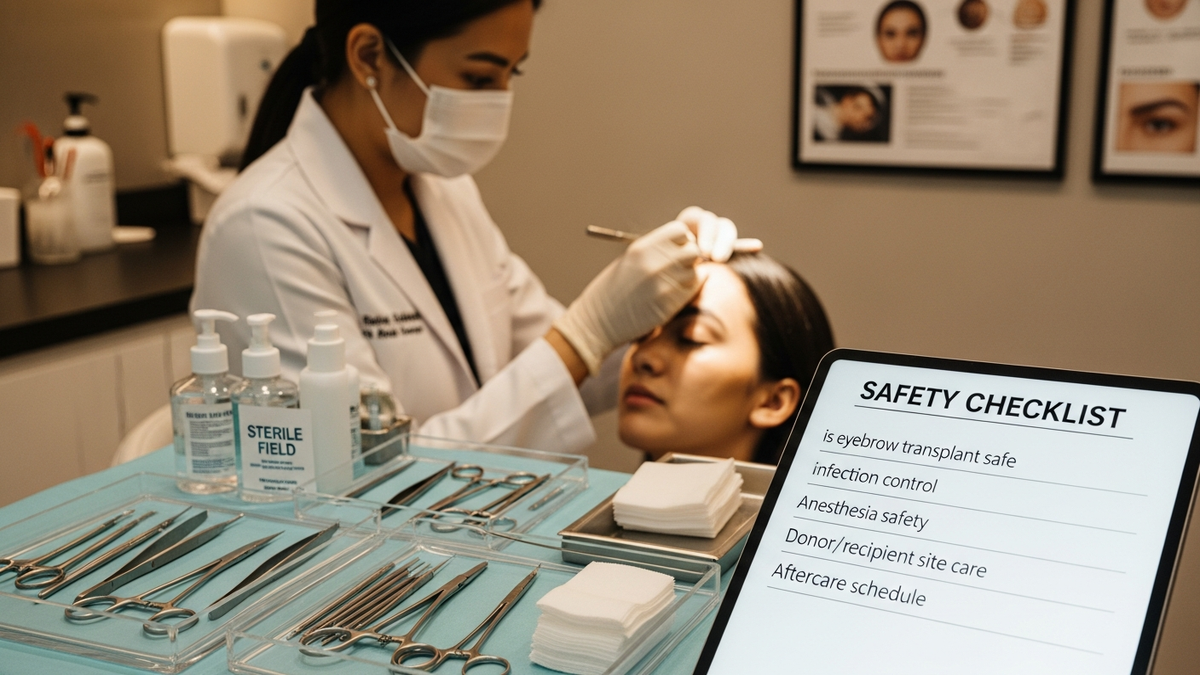
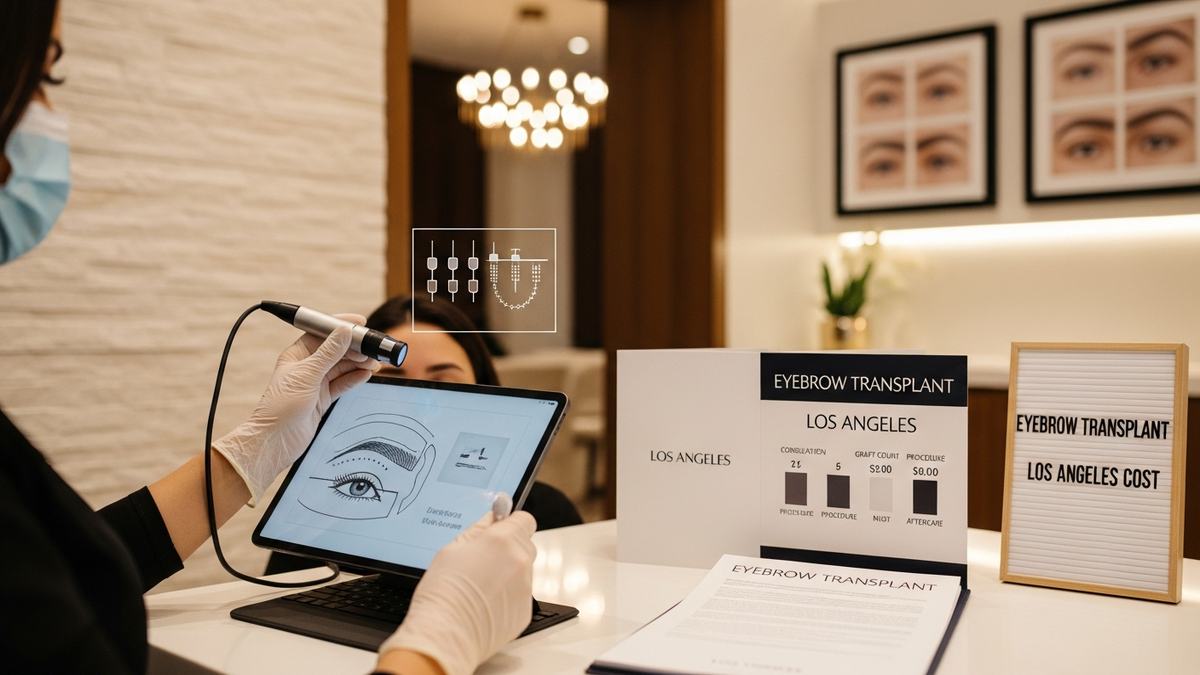
- For thinning eyebrows, consider an eyebrow transplant to restore a key facial focal point.
Actionable checklist: how to prepare for your consultation
Use this checklist to make your visit productive and to help you compare recommendations responsibly.
Before your appointment
- Document your concerns with photos and notes (what bothers you most, what you want to preserve).
- List your medical history, including medications, allergies, and prior surgeries.
- Write down your goals (e.g., “reduce jowls,” “tighten neck skin,” “look refreshed, not tight”).
- Ask about timeline: when you can return to work and normal activities.
During your appointment
- Ask what procedure(s) match your anatomy and why.
- Request a risk discussion and what steps reduce complications.
- Clarify the expected result at different stages of healing.
- Discuss scar expectations and how scars typically mature over time.
- Confirm follow-up support and who will manage post-op care.
After your appointment
- Compare plans based on your stated goals—not just price.
- Look for alignment between your expectations and the surgeon’s proposed approach.
- Ask for clarity if anything is vague (you deserve to understand the “why”).
Frequently Asked Questions about a house facelift
Is a house facelift the same as a traditional facelift?
Not necessarily. “House facelift” is often used informally to describe a facelift-style refresh. A traditional facelift is a specific surgical procedure, while a “house facelift” plan may include complementary treatments (like eyelid rejuvenation or neck contour refinement) depending on your goals.
How do I know if I need surgery or a non-surgical approach?
The decision depends on tissue laxity, skin quality, and the underlying cause of sagging or contour changes. A qualified evaluation can determine whether a surgical lift, a targeted procedure, or a combination is the most appropriate pathway.
What results should I realistically expect from a facelift-style plan?
Most patients can expect a noticeable improvement in sagging and a more refreshed facial contour. Results evolve during healing, and “natural” outcomes come from appropriate tissue handling and balanced tension. Your surgeon should outline expected changes and limitations.
What are the most important risks to discuss before a house facelift?
Discuss risks related to bruising/swelling, scarring, asymmetry, infection/fluid collections, sensation changes, and anesthesia. Your surgeon should also review your personal risk factors (such as smoking status and medical history) and how they reduce risk.
Can other procedures be combined with a facelift for a more complete look?
Yes. Many patients benefit from complementary procedures such as Blepharoplasty or brow support when aging in those areas contributes to the overall appearance. Hair restoration or eyebrow rejuvenation may also be considered for facial framing.
CTA: Ready to explore a tailored facelift-style plan?
If you’re considering a house facelift and want guidance that’s grounded in your anatomy—not generic trends—schedule a consultation with a qualified facial plastic and reconstructive surgeon. A thoughtful evaluation can help you map your concerns to the right combination of procedures and recovery plan.
Start your next step: learn more about Facelift options and discuss whether your goals are best addressed with a full lift, complementary treatments, or a hybrid approach.
Professional Disclaimer
This content is provided for general educational purposes only by FlowGeniQ Digest. It is not a substitute for professional advice, diagnosis, or treatment. Readers are advised to consult qualified professionals for personalized recommendations.
Medical Information Disclaimer
This content is provided for general educational purposes only by FlowGeniQ Digest. It is not a substitute for professional advice, diagnosis, or treatment. Readers are advised to consult qualified professionals for personalized recommendations.