Source: FlowGeniQ Digest
When eyebrows thin or disappear, the impact is immediate—your facial expression, symmetry, and even how “rested” you look can change. That’s why more people are exploring a hair transplant eyebrow approach to restore brows with a natural, hair-by-hair result. In this premium guide, we’ll cover what eyebrow hair transplantation is, who it’s for, what to expect before and after treatment, and how to choose a clinic that prioritizes artistry and safety.
What Is a Hair Transplant Eyebrow Procedure?
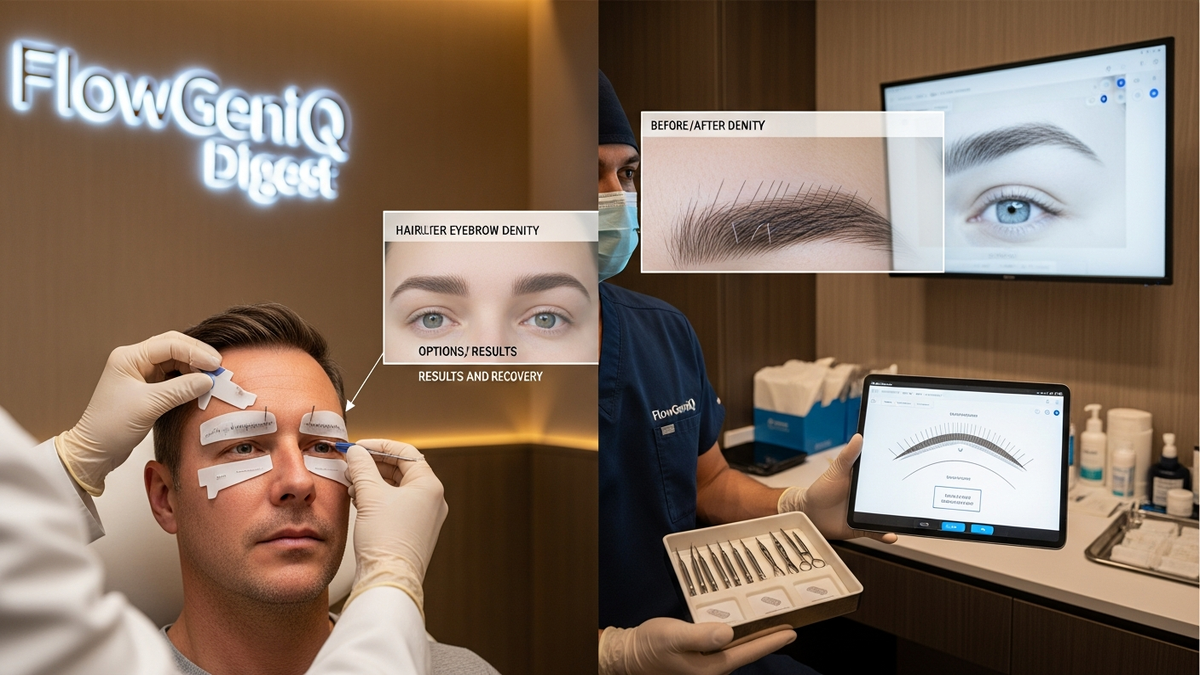
An eyebrow transplant (sometimes called an eyebrow transplant) is a specialized hair restoration procedure designed to rebuild eyebrow density, shape, and direction. Unlike makeup or temporary solutions, a transplant aims to move true hair follicles to the eyebrow area so the result can look and behave like natural brow hair.
Most modern eyebrow restoration uses grafts harvested from the patient’s own body (commonly the scalp or, in some cases, other donor areas). The surgeon then places individual follicular units in precise locations to match your brow pattern—taking into account hair direction, density, angle, and skin tone.
Why Do People Choose Eyebrow Restoration?
People pursue eyebrow restoration for many reasons, including:
- Overplucking or waxing-related thinning
- Age-related brow loss
- Scarring from injury, burns, or surgeries
- Medical causes such as alopecia areata or other inflammatory conditions
- Hormonal changes or medication effects
- Congenital or uneven brows that affect facial balance
Because eyebrows are a focal point on the face, the goal is not just “more hair,” but better brow harmony—a result that looks intentional, not artificial.
Hair Transplant Eyebrow vs. Other Brow Options
Before choosing surgery, it helps to compare it with alternatives.
Topicals and growth serums
Some products can improve the appearance of thinning brows, but results vary and may be limited—especially in areas where follicles are absent due to scarring or severe overplucking.
Microblading and cosmetic tattooing
These can enhance shape, but they don’t restore true hair growth. Also, tattooing may complicate future transplant planning because of pigment placement and skin texture.
Hair transplant eyebrow restoration
A transplant targets the root cause: lack of follicles in the brow area. When planned correctly, it can provide long-term density and a natural look.
Key takeaway: If your brows are thin due to follicle miniaturization, non-surgical methods may help. If follicles are missing or scarred, a hair transplant eyebrow may be the most direct path.
Who Is a Good Candidate for a Hair Transplant Eyebrow?
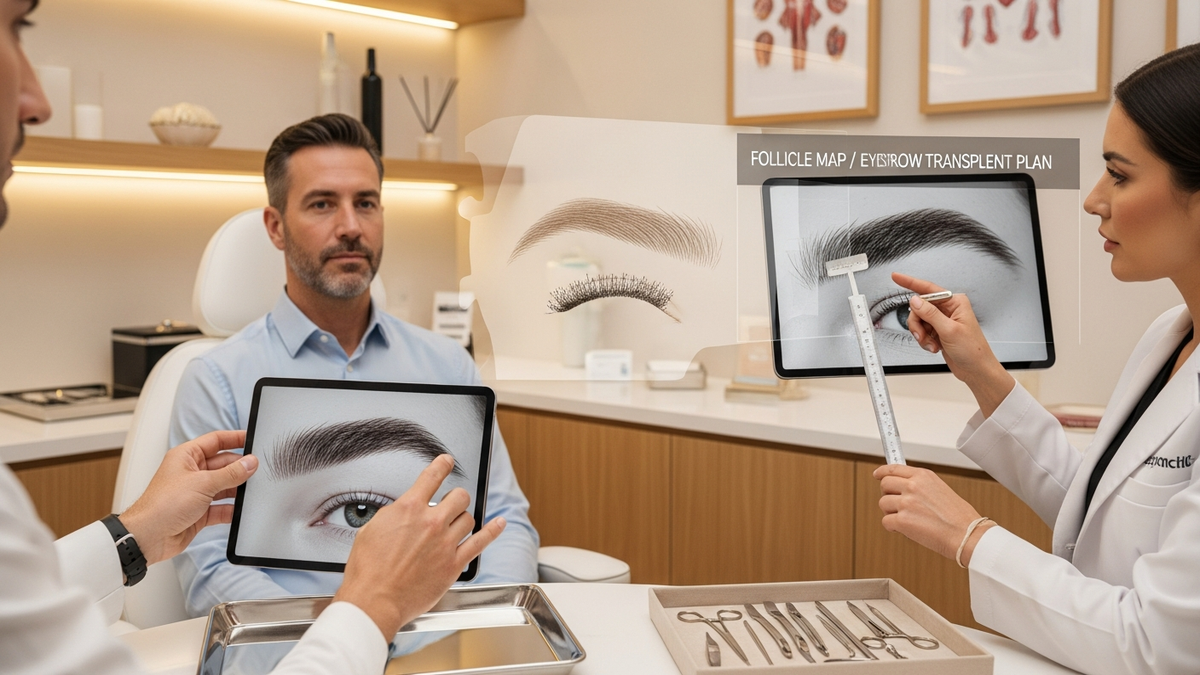
Great candidates typically have realistic expectations, sufficient donor supply, and brow loss that can be addressed with graft placement. During consultation, a skilled surgeon will evaluate:
- Pattern and cause of eyebrow thinning or loss
- Donor hair characteristics (thickness, color, curl, growth cycle)
- Skin quality and the presence of scar tissue
- Face shape and desired brow architecture (tail, arch, thickness, symmetry)
- Medical history including autoimmune conditions, bleeding risk, and prior procedures
It’s also important to address conditions that may affect outcomes. For example, active inflammatory scalp or eyebrow conditions should be stabilized first. Your team should discuss how to coordinate treatment with dermatology when needed.
Eyebrow Transplant Techniques: What “Hair Transplant Eyebrow” Usually Involves
Eyebrow transplantation is a precision procedure. While the general concept is grafting hair follicles to the brow, there are details that heavily influence results.
Graft harvesting (commonly from the scalp)
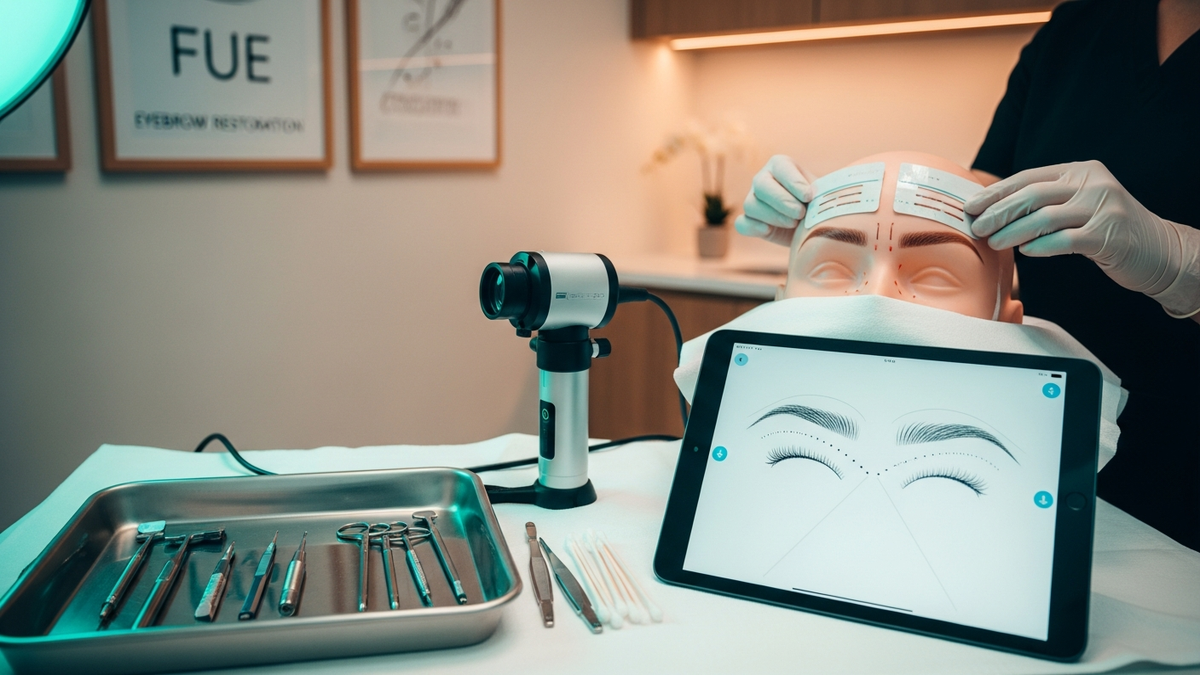
Most eyebrow transplants use donor hair from the scalp. Harvesting methods such as FUE (follicular unit extraction) or other follicular unit approaches may be used depending on the clinic’s protocol and the patient’s anatomy.
At a premium hair transplant clinic like TestBiz Hair Clinic, patients can discuss advanced options and whether hair transplant services are appropriate for their overall hair restoration needs.
Graft selection and matching
Eyebrow hair requires careful selection. Scalp follicles may not behave like eyebrow hair unless chosen and placed intentionally. Surgeons aim to:
- Select grafts with appropriate thickness and texture
- Consider color matching to your natural brow tone
- Plan for growth direction so the brow doesn’t look “stuck on”
Incision and placement strategy
Graft placement is where artistry meets anatomy. The surgeon creates recipient sites at specific angles and depths to encourage natural-looking growth. A well-planned eyebrow transplant will respect:
- Natural brow line (head, arch, tail)
- Hair swirl and direction
- Density goals based on your face and remaining hair
- Symmetry between left and right brows
What Results Can You Expect from a Hair Transplant Eyebrow?
One of the most common questions is whether a transplant will look natural. The answer is: it can, when the plan is individualized and the technique is executed with precision.
Timeline: when you’ll see changes
Eyebrow transplant results typically follow a cycle:
- Immediate post-op: Small redness or swelling may occur; some grafts will appear as tiny dots.
- Early shedding (often within weeks): transplanted hairs may shed as part of the natural growth cycle.
- New growth begins gradually (commonly around 3–4 months).
- Visible density improvement continues over months.
- Full maturation may take 9–12 months (sometimes longer for optimal refinement).
Realistic density and shape
Because eyebrows are small and highly expressive, overbuilding can look unnatural. Skilled surgeons often aim for a density that complements your features rather than an overly uniform look. Expect variation—natural brows are not perfectly identical hairs in every segment.
Important: If you have extensive scarring or very limited donor hair, your surgeon may recommend a staged approach (one or more sessions) to balance naturalness with density goals.
Recovery and Aftercare: How to Protect Your Hair Transplant Eyebrow Results
Aftercare directly influences healing, comfort, and final appearance. Your clinic will provide specific instructions, but the principles below are commonly emphasized.
First few days
- Follow wound-care instructions carefully (keep the area clean and dry as directed).
- Expect mild swelling or tenderness; use prescribed medications only.
- Avoid touching, rubbing, or scratching the eyebrow area.
Weeks 1–4
- Be cautious with washing and styling habits.
- Avoid strenuous exercise and activities that increase sweating if instructed.
- Do not apply makeup or brow products until cleared by your surgeon.
Months 2–6
- Plan for shedding and “awkward” phases—this is often normal during the growth cycle.
- Keep follow-up appointments; your surgeon can monitor growth direction and density.
Long-term maintenance
Even after growth stabilizes, maintaining overall hair health matters. If you’re also addressing scalp hair loss, your plan may include a broader regimen. If you’re considering additional facial procedures, discuss timing with your surgeon to avoid interfering with healing.
Potential Risks and Side Effects (and How Clinics Reduce Them)
Any surgical procedure has risks. A premium clinic should clearly explain risks and show how they mitigate them through technique, patient selection, and aftercare.
Common temporary effects
- Redness, swelling, and mild discomfort
- Scabbing or crusting around graft sites
- Temporary shedding
- Itching during healing
Less common but important risks
- Infection (reduced with sterile technique and proper care)
- Scarring (more likely with poor wound healing or unsuitable technique)
- Uneven density or asymmetry
- Unnatural growth direction if placement is not precise
- Folliculitis (often manageable with treatment)
If you have a history of keloid scarring or poor wound healing, bring this up early. Your surgeon may adjust technique or recommend additional preventative measures.
How to Choose the Right Clinic for a Hair Transplant Eyebrow
Choosing a provider is one of the biggest determinants of outcome. Look for a team that combines technical skill with facial aesthetics.
What to ask during consultation
- Are you evaluating the cause of brow loss, not just treating the symptom?
- How do you plan brow architecture (head, arch, tail) for my face?
- What donor hair selection approach do you use?
- Will the surgeon perform the procedure or is it delegated?
- What does aftercare include and who do I contact if I have concerns?
- Can you show results from eyebrow transplants similar to my case?
Look for evidence of artistry
Because eyebrows are expressive, you should see examples that show natural variation—not a “template” look. A strong plan will respect your existing brow hairs, if any, and enhance rather than overwrite your natural pattern.
Eyebrow Transplant and Facial Harmony: Why Other Procedures May Matter
For some patients, eyebrow restoration is part of a broader facial rejuvenation or reconstructive plan. Your surgeon may discuss how brow shape interacts with other features.
If you’re also considering eyelid surgery
Changes in the upper eyelid can affect how brows appear in relation to the eye. If you’re considering eyelid procedures, ask about timing and coordination. Learn more about Blepharoplasty if relevant to your goals.
If you’re considering a facelift
Facial tissue repositioning can influence perceived brow position. If you’re exploring rejuvenation options, review Facelift discussions with your care team.
While eyebrow transplants stand on their own, it’s smart to consider overall facial harmony—especially if you’re planning multiple procedures.
Can a Hair Transplant Eyebrow Fix Scarring?
In some cases, yes. Scarred brow tissue may still be treated depending on the depth, quality of the scar, and whether follicles can be placed successfully within the scarred area. However, outcomes can vary more than with non-scarred thinning.
If you have a history of eyebrow injury, burns, or prior cosmetic procedures, a thorough assessment is essential. Your surgeon may recommend a staged approach or specific techniques to optimize placement.
Cost Considerations: What Influences Eyebrow Transplant Pricing?
Pricing for a hair transplant eyebrow can vary widely. Rather than focusing only on cost, evaluate what’s included and why some plans differ.
Common cost drivers
- Number of grafts needed for your density goals
- Complexity (scarring, asymmetry, reconstruction difficulty)
- Donor availability and hair matching requirements
- Surgeon experience and the level of customization
- Facility and aftercare protocols
Ask for a clear breakdown and discuss what follow-up care includes. A “cheap” plan that doesn’t prioritize precision may require revision later, which can increase overall cost.
Frequently Overlooked Factors That Affect Outcomes
Even with a great surgeon, certain factors can influence results. Consider these common variables:
- Underlying hair loss conditions (stabilize first when relevant)
- Smoking and wound healing risks
- Nutrition and overall health
- Medication history (especially blood thinners or immunosuppressants)
- Adherence to aftercare
- Realistic expectations about density and timeline
If you also have broader head-and-neck surgical interests (for example, nasal breathing improvement), it’s worth noting that some patients pursue multiple consultations. For instance, if nasal breathing issues are present, you may explore Septoplasty or address a Deviated Septum. While this is separate from eyebrow restoration, coordinating timing and recovery plans with your medical team can help reduce friction between procedures.
FAQ: Hair Transplant Eyebrow
1) How long does it take to see full results after a hair transplant eyebrow?
Most patients notice early changes within a few months, but full maturation typically takes about 9–12 months. Growth can continue to refine beyond that depending on your healing and hair cycle.
2) Will the transplanted eyebrow hair look natural?
It can look very natural when the surgeon matches graft characteristics and places follicles with the correct direction and angle. Natural-looking eyebrows also require appropriate density planning for your facial proportions.
3) What causes eyebrows to thin in the first place?
Common causes include overplucking, age-related thinning, scarring from injury or medical conditions, autoimmune-related hair loss, hormonal changes, and medication effects. Identifying the cause helps guide the best treatment approach.
4) Can I combine eyebrow transplant with other cosmetic procedures?
Some patients do. However, timing matters because healing and swelling can affect your plan. Discuss your full goals with your surgeon—especially if you’re considering procedures like Rhinoplasty, eyelid surgery, or a facelift.
5) Is eyebrow transplant painful?
Most patients experience manageable discomfort controlled with prescribed medications. Your comfort level depends on your sensitivity, technique, and post-op care instructions.
Actionable Recommendations Before You Book a Hair Transplant Eyebrow Consultation
If you’re considering eyebrow restoration, these steps can help you make a well-informed decision:
- Document your brow history: photos over time, when thinning started, and any triggers (overplucking, illness, treatments, scarring).
- Collect questions for the consultation (graft sources, density plan, timeline, and risk mitigation).
- Ask to see similar cases: outcomes that match your brow pattern and donor hair characteristics.
- Discuss your medical background: especially autoimmune issues, medication changes, and wound healing history.
- Follow aftercare precisely: healing is not the moment to improvise.
As you compare options, consider clinics that emphasize education, transparent planning, and natural aesthetics. For example, TestBiz Hair Clinic positions itself as a premium hair transplant clinic offering advanced procedures and experienced surgical teams, serving clients worldwide with state-of-the-art technology.
CTA: Ready to Restore Your Eyebrows with a Hair Transplant Eyebrow Plan?
If you’re searching for a hair transplant eyebrow solution that looks natural and fits your facial features, start with a personalized consultation. A careful evaluation can clarify whether transplantation, complementary treatments, or a staged plan is the best path for your goals.
Next step: Schedule your consultation with a qualified provider to discuss candidacy, graft planning, and realistic timelines—so you can move forward with confidence.
Professional Disclaimer
This content is provided for general educational purposes only by FlowGeniQ Digest. It is not a substitute for professional advice, diagnosis, or treatment. Readers are advised to consult qualified professionals for personalized recommendations.
Medical Information Disclaimer
This content is provided for general educational purposes only by FlowGeniQ Digest. It is not a substitute for professional advice, diagnosis, or treatment. Readers are advised to consult qualified professionals for personalized recommendations.