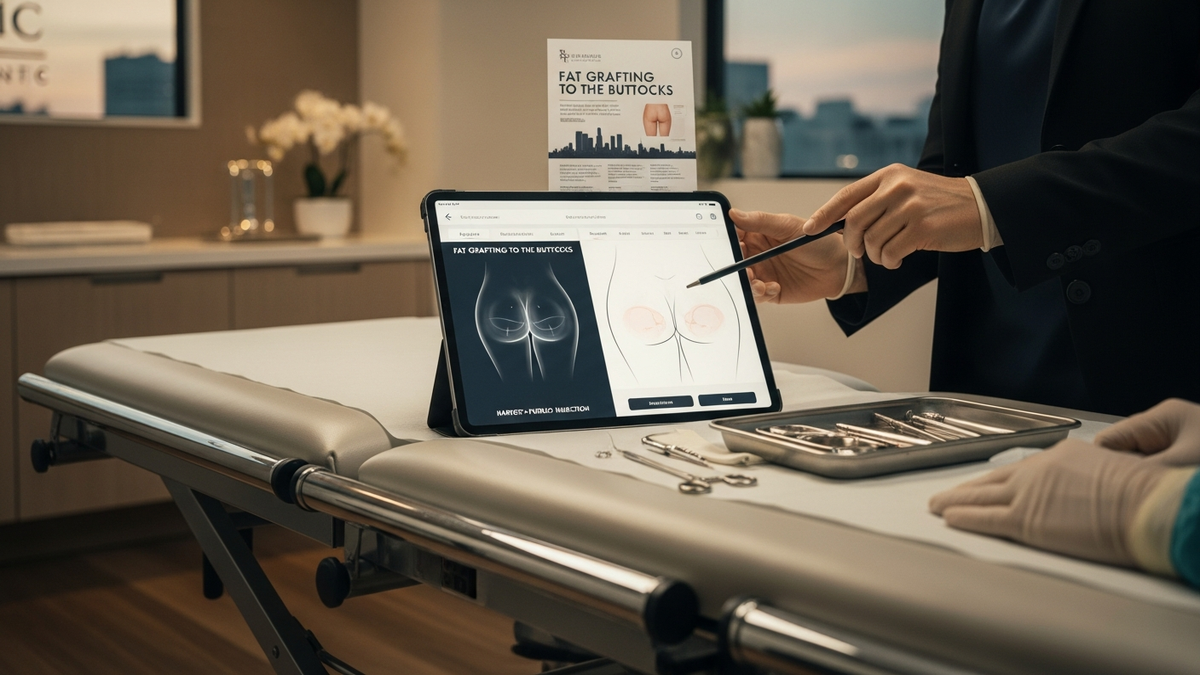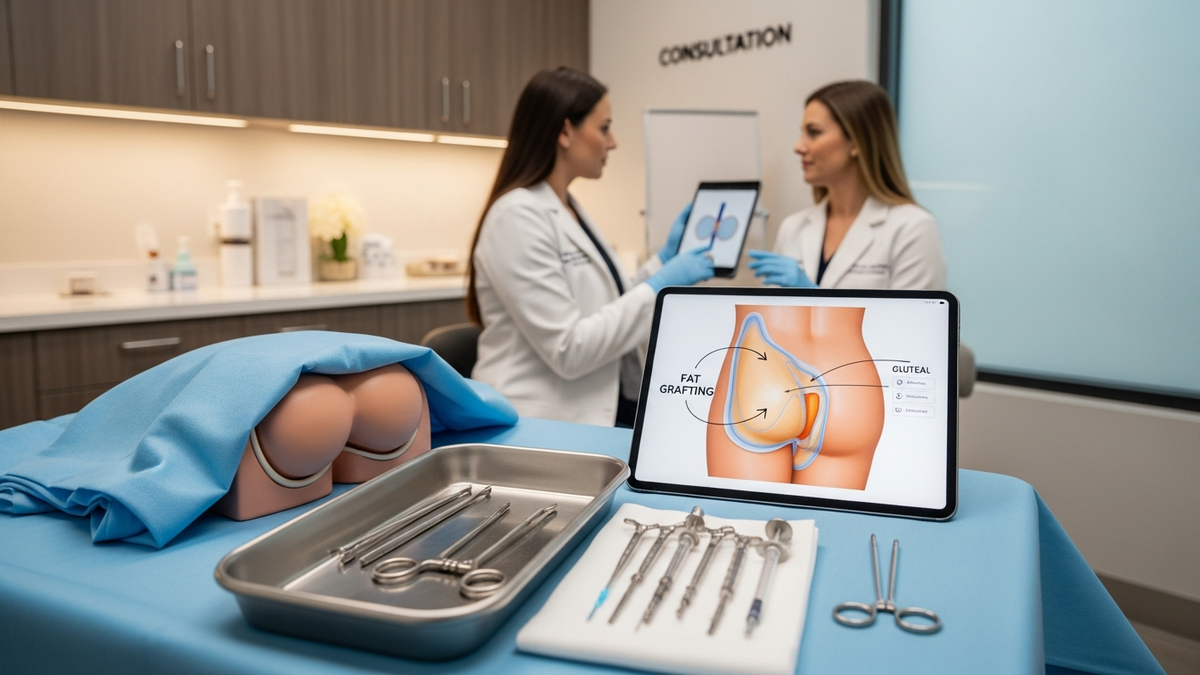
Gluteal fat grafting has become one of the most sought-after cosmetic procedures for people looking to enhance buttock volume and shape using their own tissue. Unlike implants, fat grafting can offer a softer, more natural feel—when performed with meticulous technique and realistic expectations. In this comprehensive guide, FlowGeniQ Digest breaks down how gluteal fat grafting works, what determines the quality of results, and how to plan for safety and recovery.
Because outcomes vary from patient to patient, the best way to understand your candidacy is to consult a qualified, board-certified surgeon who can evaluate your anatomy, fat availability, skin quality, and aesthetic goals.
What Is Gluteal Fat Grafting?
Gluteal fat grafting (often called fat transfer to the buttocks) is a procedure that uses fat harvested from one area of the body—such as the abdomen, flanks, thighs, or lower back—and transfers it into the buttocks to improve contour and volume.
The goal is not only to add size, but also to create better proportions and a smoother silhouette. When the harvested fat survives and integrates well, the results can look natural and gradually settle into a more refined final shape.
How Gluteal Fat Grafting Works (Step-by-Step)
While protocols vary by surgeon and technology, most gluteal fat grafting procedures follow a similar sequence:
- Consultation and planning: Your surgeon assesses your buttock anatomy, skin elasticity, body composition, and fat distribution. You discuss aesthetic goals (e.g., projection, upper vs. lower pole fullness, symmetry).
- Fat harvesting: Fat is removed using a minimally invasive technique (commonly liposuction) from donor sites. The surgeon then preserves the fat for transfer.
- Fat processing: The harvested fat is prepared so that a higher proportion of viable fat cells are available for grafting. Processing methods are a key factor in long-term results.
- Injection and sculpting: The surgeon strategically places fat using careful layering and distribution to support graft survival and natural-looking contour.
- Recovery and monitoring: You follow post-procedure instructions and attend follow-up visits to evaluate healing and fat integration.
Why Results Look Natural (When Done Correctly)
One reason people choose gluteal fat grafting is the potential for a softer, more lifelike appearance compared with some alternatives. Fat grafting can conform to your body’s contours, and the final look is influenced by:
- Graft placement technique: Layered, well-distributed injections can support more uniform integration.
- Fat handling: Preserving fat cell viability during harvesting and processing is critical.
- Your biology: Healing response, circulation, and overall health influence how much fat remains long-term.
- Skin quality and elasticity: Better skin tone may help create a smoother, more stable result.
Gluteal Fat Grafting vs. Buttock Implants
Choosing between fat grafting and implants is personal. Both can be effective, but they differ in feel, risk profile, and outcomes. Here’s a practical comparison:
Fat grafting advantages
- Uses your own tissue: This can reduce concerns about implant-related issues.
- Soft texture: Many patients describe the result as more natural to the touch.
- Donor-site contouring: Liposuction can also refine areas where fat is harvested.
Implant advantages
- Predictable volume: Implants may provide more immediate projection.
- Less dependence on fat survival: Fat grafting outcomes can vary based on graft take.
Important: Your surgeon can help you decide based on your anatomy, desired look, and risk factors. Some people benefit from a combination approach, while others are better suited to one method.
Who Is a Good Candidate for Gluteal Fat Grafting?
Ideal candidates typically have:
- Enough donor fat to harvest safely and create meaningful volume.
- Realistic goals aligned with the expected fat retention rate and gradual settling.
- Good overall health and the ability to follow recovery instructions.
- Skin quality that can support contouring and healing.
Some factors may affect candidacy, such as active smoking, uncontrolled diabetes, certain autoimmune conditions, or a history of complications from previous fat transfers. A thorough evaluation is essential.
Understanding Fat Retention and Realistic Expectations
Not every injected fat cell survives. Over time, some volume may diminish as the body reabsorbs a portion of the graft. This is normal and part of the process.
Many patients notice:
- Initial swelling: Immediately after surgery, the buttocks may look larger due to swelling and inflammation.
- Early settling: In the first weeks, some volume changes can occur.
- Long-term refinement: Over several months, the result stabilizes as grafts integrate.
Because gluteal fat grafting results vary, discussing your target outcome and whether a staged approach (e.g., additional sessions) might be appropriate can help you plan with clarity.
Safety Considerations for Gluteal Fat Grafting
Safety is the foundation of any cosmetic procedure. The gluteal region has unique anatomical considerations, and fat transfer carries specific risks. A reputable clinic will address these proactively.
Key safety topics to discuss with your surgeon
- Procedure setting and monitoring: Ask about anesthesia type, monitoring standards, and emergency preparedness.
- Technique and injection strategy: How the surgeon minimizes risk while optimizing graft survival.
- Donor-site management: Liposuction safety, fluid balance, and post-op care.
- Infection prevention: Antibiotic protocols and sterile technique.
- Blood clot prevention: Mobility guidance, compression strategies, and individualized risk assessment.
Actionable recommendation: Before committing, request a detailed explanation of your surgeon’s approach and ask how they evaluate and mitigate risk for patients with your health history.
What to Expect During Recovery
Recovery experiences vary, but gluteal fat grafting typically follows a predictable pattern. Your surgeon will provide individualized instructions, including activity limits, garment use, and follow-up schedules.
First days after surgery
- Soreness and swelling in both donor and graft sites.
- Compression garments may be used to support healing and comfort.
- Movement restrictions to protect grafts—often including guidance on sitting or sleeping positions.
Weeks 1–6
- Gradual improvement in comfort and mobility.
- Swelling may fluctuate—especially with activity.
- Follow-up visits to monitor healing and address concerns.
Months 2–6 (and beyond)
- Final contour refinement as swelling resolves and grafts stabilize.
- Volume settling may continue, depending on your body’s healing response.
- Long-term care to maintain results through healthy weight management.
Tip: Plan your schedule. Many patients need time off work and should avoid strenuous activity until cleared by their surgeon.
Common Side Effects vs. Red Flags
Some discomfort is expected, but it’s important to know when to seek medical advice.
Common (often temporary) effects
- Bruising and swelling
- Temporary numbness or tightness
- Firmness or unevenness as tissues heal
- Changes in sensation at injection sites
Red flags to take seriously
- Fever or chills
- Increasing redness, warmth, or worsening pain
- Drainage or foul odor
- Unusual swelling that rapidly worsens
- Shortness of breath, chest pain, or severe leg symptoms
If you experience any red flags, contact your surgeon promptly or seek emergency care as appropriate.
How to Prepare for Gluteal Fat Grafting
Preparation can influence both safety and outcomes. While every practice has protocols, these steps are commonly recommended:
Medical and lifestyle preparation
- Share your complete health history, including medications, supplements, and prior surgeries.
- Follow medication instructions (especially regarding blood thinners and anti-inflammatory drugs).
- Stop smoking well in advance if applicable—smoking can impair circulation and healing.
- Optimize nutrition with adequate protein and hydration.
Practical preparation
- Arrange transportation for the day of surgery.
- Prepare a recovery space with easy access to water, medications, and supplies.
- Plan for limited sitting if your surgeon recommends specific positioning.
Actionable recommendation: Bring questions to your consultation. A good surgeon will welcome them and provide clear explanations.
Choosing a Surgeon for Gluteal Fat Grafting
Because gluteal fat grafting is both technical and aesthetic, selecting the right surgeon matters. Look for:
- Board certification and relevant training in body contouring
- Experience with fat grafting specifically (not just general cosmetic surgery)
- Before-and-after results that align with the look you want
- A safety-first approach to anesthesia, monitoring, and complication management
- Transparent communication about risks, limitations, and expected fat retention
FlowGeniQ Digest emphasizes patient education because informed decision-making is one of the strongest predictors of satisfaction.
How to Maintain Your Results
Fat grafted into the buttocks can remain for years, but your body weight and lifestyle can affect the overall contour. To protect your results:
- Maintain stable weight whenever possible.
- Follow your surgeon’s exercise timeline to support healthy healing.
- Attend follow-ups to monitor integration and address concerns early.
- Stay consistent with skin care—especially if your donor sites were treated with liposuction.
If you want additional refinement, your surgeon may discuss whether a touch-up or staged fat transfer is appropriate after your initial graft has stabilized.
Related Facial and Aesthetic Procedures (Optional Considerations)
Many patients who seek body contouring also explore facial rejuvenation. While these are separate procedures, it can be helpful to understand the broader landscape of aesthetic options—especially when you’re planning a comprehensive refresh.
- If you’re exploring facial features, you may also research Rhinoplasty for nasal enhancement.
- For skin tightening and age-line reduction, some patients consider a Facelift.
- Eye-area rejuvenation options can include Blepharoplasty.
- If breathing concerns are part of your goals, ask about Septoplasty and evaluation for a Deviated Septum.
Similarly, hair restoration is another common aesthetic priority. For those considering options like hair transplant or eyebrow transplant, reputable clinics can provide tailored guidance based on donor availability and pattern distribution.
FAQ: Gluteal Fat Grafting
1) How long does gluteal fat grafting take?
Most procedures take several hours, depending on the number of areas treated for fat harvesting, the volume of fat transferred, and the complexity of sculpting. Your surgeon will give a time estimate during consultation.
2) When will I see the final results?
Swelling can obscure the final contour initially. Many patients see meaningful improvement over the first few months, with more stable results typically developing by around 3–6 months (sometimes longer).
3) Will I need more than one session?
Some patients achieve their goals with a single procedure, while others pursue staged sessions to reach a desired level of projection and symmetry. This depends on fat availability and how your grafts integrate.
4) What are the most common risks?
Risks may include bruising, swelling, asymmetry, infection, contour irregularities, and the possibility of partial fat reabsorption. A qualified surgeon will explain your personal risk profile and how they reduce complications.
5) Can I work out after gluteal fat grafting?
Light movement is usually encouraged early, but strenuous exercise is typically restricted for a period of time. Your surgeon will provide a phased plan based on your healing progress.
CTA: Ready to Explore Gluteal Fat Grafting?
If you’re considering gluteal fat grafting, the next step is a personalized consultation—so you can review your goals, candidacy, and a safety-first plan tailored to your anatomy. FlowGeniQ Digest encourages you to choose a provider who prioritizes education, realistic outcomes, and careful technique.
Take action today: Schedule a consultation, bring your questions, and ask to review before-and-after outcomes that resemble the result you want. With the right approach, you can pursue a sculpted, natural-looking enhancement with confidence.
Professional Disclaimer
This content is provided for general educational purposes only by FlowGeniQ Digest. It is not a substitute for professional advice, diagnosis, or treatment. Readers are advised to consult qualified professionals for personalized recommendations.
Medical Information Disclaimer
This content is provided for general educational purposes only by FlowGeniQ Digest. It is not a substitute for professional advice, diagnosis, or treatment. Readers are advised to consult qualified professionals for personalized recommendations.