Source: FlowGeniQ Digest
Eyebrows frame the eyes, influence facial expression, and quietly affect how youthful—or tired—you look. If you’ve experienced eyebrow thinning from genetics, over-plucking, traction, scarring, autoimmune conditions, or medical treatments, an fue eyebrow hair transplant may be a thoughtful option. In this premium guide from FlowGeniQ Digest, we’ll walk through how FUE eyebrow restoration works, what results to expect, how to prepare, and how to choose a surgeon who prioritizes natural aesthetics—not just graft counts.
What Is an FUE Eyebrow Hair Transplant?
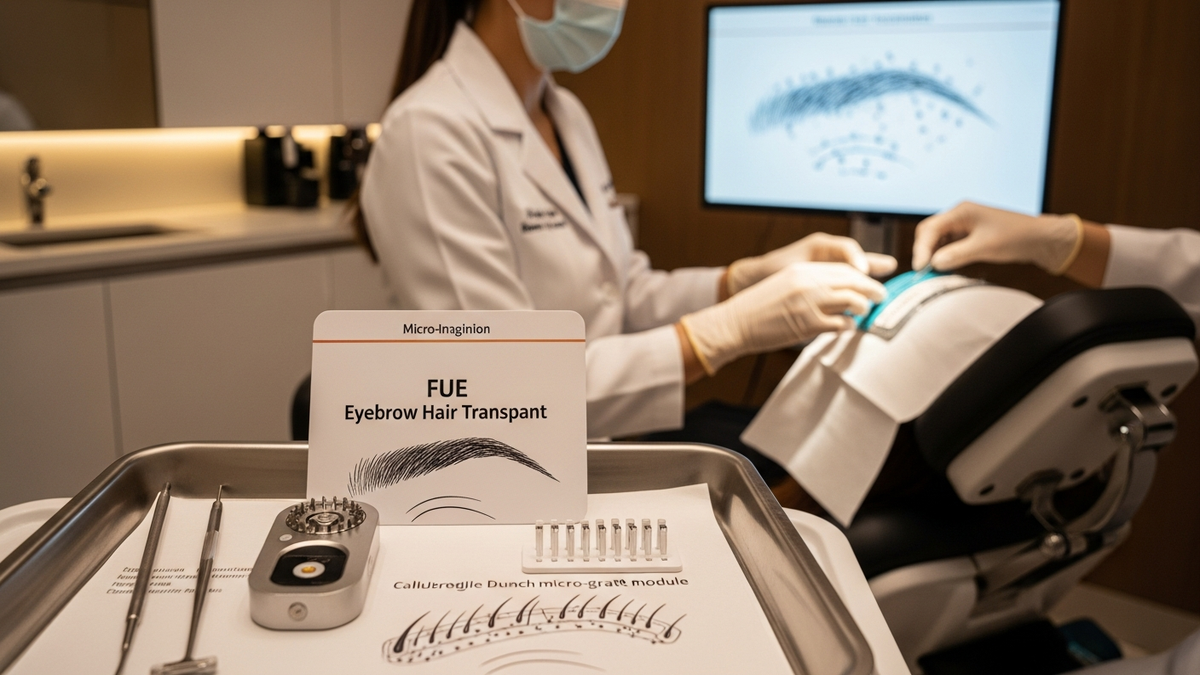
An FUE eyebrow hair transplant (follicular unit extraction) is a hair restoration procedure designed specifically for the eyebrow area. Instead of removing a strip of scalp tissue (as in FUT), the surgeon extracts individual follicular units—small groups of hair follicles—from a donor region (often the back or side of the scalp) and transplants them into the brow.
Because eyebrow hair is typically shorter, finer, and grows in a different pattern than scalp hair, the procedure requires specialized planning. The goal is not simply to “add hair,” but to recreate the eyebrow’s direction, density, thickness, and symmetry so the result looks authentic.
Why FUE Is Common for Brow Restoration
- No linear scar: FUE typically avoids a strip-based incision, which can be appealing for patients who want minimal visible donor scarring.
- Precision: Individual graft extraction supports careful selection and placement.
- Lower downtime: Many patients experience manageable recovery, though exact timelines vary.
FUE Eyebrow Hair Transplant vs. Other Eyebrow Options
Not every eyebrow concern is best treated with transplantation. Understanding alternatives helps you make a more informed decision.
Topical and Medical Treatments
For some forms of eyebrow thinning—particularly early-stage shedding or certain inflammatory conditions—dermatologic treatments may help slow loss or improve density. However, if there’s established permanent loss or scarring, medications may not fully restore brow structure.
Microblading and Cosmetic Camouflage
These approaches can improve appearance quickly, but they don’t replace hair follicles. They may be best as a temporary solution or for patients who are not ready for surgery.
Eyebrow Transplant (Surgical) Options
Surgical restoration is often considered when there’s significant loss, poor brow symmetry due to thinning, or a need to rebuild a natural brow line. If you’re researching beyond FUE, you may also encounter the broader term eyebrow transplant. The right technique depends on your hair characteristics, donor availability, and brow goals.
Who Is a Good Candidate for an FUE Eyebrow Hair Transplant?
Ideal candidates typically have:
- Stable eyebrow loss: If your hair loss is actively progressing, your surgeon may recommend addressing the underlying cause first.
- Clear aesthetic goals: You want a fuller brow, better shape, improved symmetry, or restoration of a lost tail/head.
- Realistic expectations: Eyebrow hair is delicate; the goal is natural-looking density, not an artificial “block” brow.
- Suitable donor hair: Your surgeon assesses whether scalp hair can be matched to eyebrow requirements in texture and thickness.
Candidacy also depends on the type of hair loss. For example, patients with scarring alopecia may require careful evaluation of scar tissue and graft survival potential.
Common Reasons People Seek Brow Restoration
- Over-plucking or waxing history
- Genetic thinning
- Autoimmune-related hair loss
- Post-traumatic eyebrow loss
- Medical treatments (e.g., chemotherapy)
- Aging-related brow changes
How a Surgeon Creates a Natural-Looking Brow (The Planning Phase)
In eyebrow transplantation, planning is everything. A premium result is typically the product of meticulous preoperative design and intraoperative artistry.
1) Brow Mapping and Symmetry Assessment
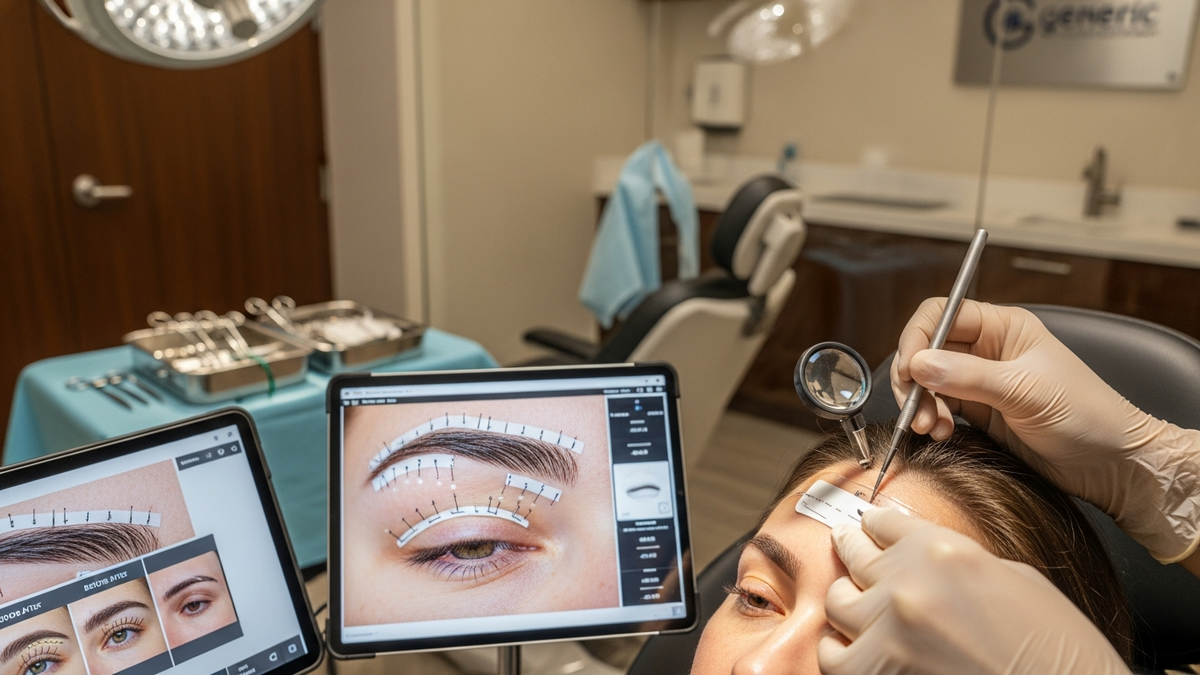
Your surgeon evaluates your current brow shape, facial proportions, and eye position. They may measure brow height and arch location, then map graft placement to ensure both sides match as closely as possible.
2) Hair Direction and Growth Pattern
Eyebrow hairs grow in specific directions. Transplanted grafts must be inserted to mimic natural angulation. Even subtle deviations can make results look “transplanted” rather than authentic.
3) Density Strategy (Less Can Look Better)
Many patients assume more grafts always means better results. However, an experienced surgeon balances density with realism. Overcrowding can lead to an overly thick look, whereas strategic placement can create a softer, more natural brow.
4) Donor Matching and Graft Selection
Because eyebrow hair differs from scalp hair, the surgeon selects follicular units that will behave appropriately when transplanted. Texture, caliber, and growth cycle considerations matter.
The FUE Eyebrow Hair Transplant Procedure: Step-by-Step
While exact protocols vary by clinic, a typical FUE eyebrow procedure follows a structured sequence.
Step 1: Preoperative Assessment
Your surgeon reviews your medical history, examines eyebrow and donor areas, and discusses realistic outcomes. You’ll also receive instructions about medications, skincare, and preparation.
Step 2: Donor Harvest (Follicular Unit Extraction)
During FUE, the surgeon extracts individual follicular units from the donor region using a specialized punch tool. The donor area is chosen to provide hair follicles suitable for transplanting.
Step 3: Site Creation in the Brow
Next, the surgeon creates tiny recipient sites along the mapped brow design. This is where technical precision is critical: angle, depth, and spacing influence survival and the final appearance.
Step 4: Graft Placement
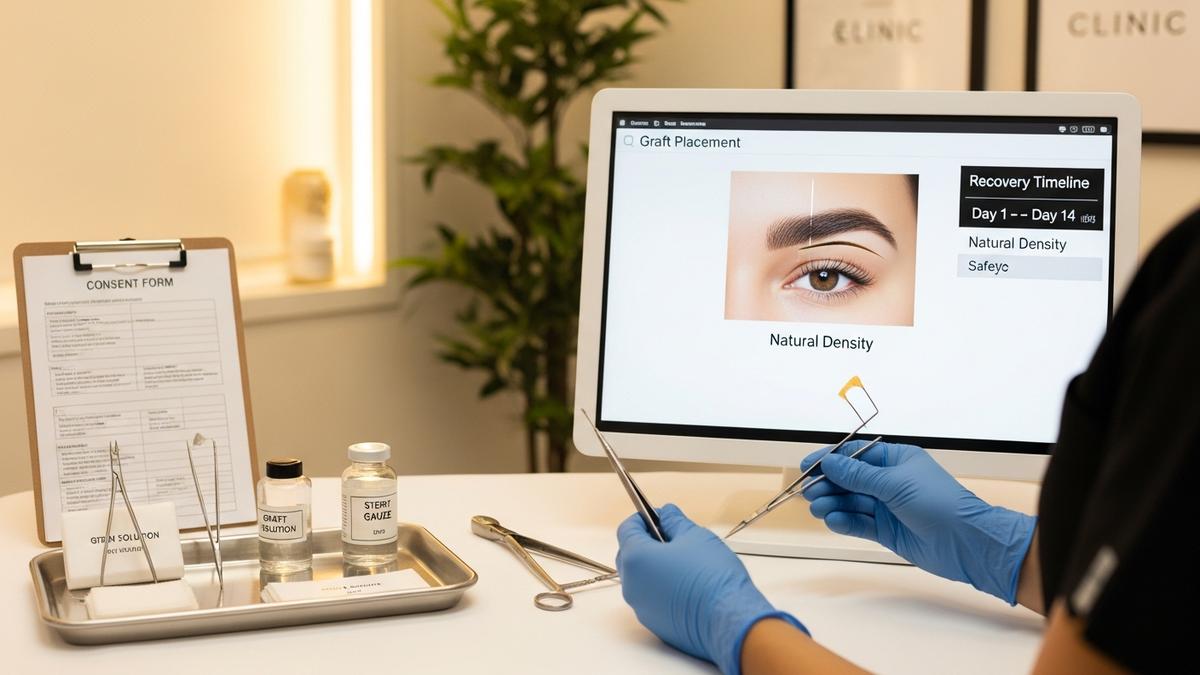
Grafts are placed individually with attention to alignment and natural direction. The surgeon’s aesthetic judgment strongly affects the final brow look.
Step 5: Postoperative Care
You’ll receive aftercare instructions to support healing and graft survival. Patients are usually guided on gentle cleansing, avoiding friction, and using prescribed medications.
What Results Can You Expect?
Eyebrow hair transplantation is a gradual process. Unlike some cosmetic procedures that show immediate change, FUE results evolve over time as transplanted follicles move through growth cycles.
Typical Timeline
- First 1–2 weeks: Redness, mild swelling, and scabbing may occur. The transplanted hairs may shed as part of the normal cycle.
- Weeks 3–8: Often includes visible shedding and a “thin” look while follicles remain dormant.
- Months 3–4: Early growth may begin.
- Months 6–9: Noticeable density and shape improvements.
- Months 9–12+: Final refinement as hair thickens and matures.
Natural-Looking Results: What That Means
Natural results typically include:
- Hair that grows in the correct direction
- Appropriate density (not overly uniform)
- Soft edges around the brow design
- Symmetry that fits your facial features
Recovery After an FUE Eyebrow Hair Transplant
Most patients can return to normal activities quickly, but eyebrow recovery has unique considerations due to the face’s movement and visibility.
Common Recovery Expectations
- Swelling and redness: Usually mild and temporary.
- Scabbing: Tiny scabs form over recipient sites; you’ll be instructed not to pick them.
- Protecting grafts: Avoid rubbing, harsh cleansing, or friction on the brow area.
Do’s and Don’ts
Do
- Follow your surgeon’s cleansing and medication schedule exactly.
- Sleep with precautions if instructed (e.g., head elevation).
- Wear a hat or protective headwear only if approved.
- Attend follow-up appointments for assessment and guidance.
Don’t
- Avoid strenuous exercise and sweating for the recommended period.
- Don’t apply makeup until cleared by your surgeon.
- Avoid direct sun exposure on healing areas as advised.
- Don’t use harsh skin products near graft sites early on.
How Much Does an FUE Eyebrow Hair Transplant Cost?
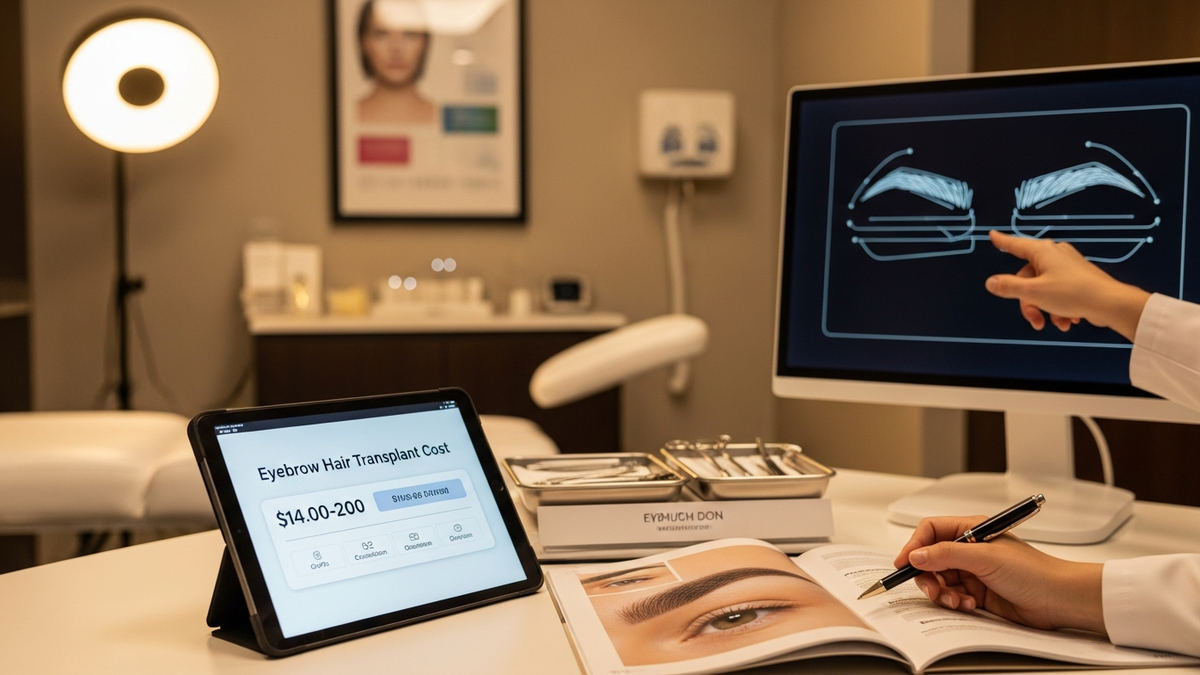
Costs vary widely based on graft count, complexity, surgeon expertise, and clinic protocols. Instead of focusing only on the lowest price, consider what’s included in the package: evaluation, surgical time, postoperative care, and follow-up.
When comparing quotes, ask:
- How many grafts are planned for each brow segment?
- What is the expected density and coverage strategy?
- What does aftercare include?
- What is the policy for touch-ups if needed?
- Who performs each stage (harvest, site creation, placement)?
Choosing the Right Clinic for Your FUE Eyebrow Hair Transplant
Eyebrow transplantation is a specialized form of hair restoration. The best outcomes depend on both surgical technique and aesthetic judgment.
Look for Experience in Facial Aesthetics
Brows are a focal point. Choose a provider who understands facial proportions and natural hair behavior in the eyebrow region.
Ask About Technique and Technology
At a premium clinic, you should expect state-of-the-art tools and a structured process. For example, TestBiz Hair Clinic is a premium hair transplant clinic offering FUE and FUT procedures, serving clients worldwide with state-of-the-art technology and experienced surgeons. If you’re exploring broader hair restoration, you may also review the clinic’s hair transplant services to understand how they approach planning and graft management.
Evaluate Before-and-After Photos Carefully
Review results in consistent lighting and angles. Pay attention to the brow tail, arch, and overall softness—those are often the hardest areas to make look natural.
Confirm Your Surgeon’s Approach to Patient Education
A trustworthy provider educates you on expected timelines, shedding, and what can influence outcomes. That transparency is a hallmark of high-quality care.
Potential Risks and Side Effects
All surgical procedures carry risks. While eyebrow FUE is generally well-tolerated, possible concerns include:
- Temporary swelling or redness
- Scabbing and mild discomfort
- Temporary shedding during the growth cycle
- Infection or inflammation (rare with proper aftercare)
- Uneven growth or density if placement isn’t ideal
- Scarring at donor sites (typically minimal with FUE)
- Need for touch-up in some cases
Your surgeon should discuss how they minimize risk and what steps you can take to support healing and graft survival.
How to Prepare for Your FUE Eyebrow Hair Transplant
Preparation can significantly affect comfort and healing. Your surgeon will provide individualized instructions, but these are common recommendations:
Pre-Consult Questions to Ask
- What is your planned brow shape and density strategy?
- How will you determine hair direction and angulation?
- What timeline should I expect for shedding and regrowth?
- What medications should I avoid before and after surgery?
- How do you handle cases involving scarring or autoimmune-related hair loss?
Practical Tips
- Plan for a short recovery period where you can avoid heavy social exposure.
- Stock gentle skincare supplies as approved by your surgeon.
- Prepare for follow-up visits and any recommended photos for tracking progress.
Frequently Overlooked Factors: Hair Quality, Growth Cycle, and Grooming
Eyebrow hair behaves differently than scalp hair. After transplant, you may need guidance on grooming and styling. Avoid trimming too early unless instructed—wait until the surgeon confirms growth stability.
Also, understand that eyebrow hair may continue to mature over time. The final appearance can take many months to settle into its mature thickness and texture.
Related Facial Procedures: Why It Matters for Brow Aesthetics
Eyebrows don’t exist in isolation. Facial plastic and reconstructive planning often considers how brow position interacts with the eyes, forehead, and overall facial balance.
If You’re Considering Eye or Forehead Surgery
Some patients explore additional procedures such as Blepharoplasty for eyelid changes or a brow lift for forehead aging. These procedures can influence how your brows frame your eyes and how you perceive symmetry during healing.
When Breathing Issues Are Part of Your Story
It’s not uncommon for patients who pursue facial rejuvenation to also address functional concerns. If you’re researching nasal procedures, you may come across Septoplasty for structural issues such as a Deviated Septum. While these are separate from eyebrow transplantation, a comprehensive head-and-neck surgical plan can help ensure cohesive aesthetic and functional outcomes.
Rhinoplasty and Facial Harmony
For patients considering nose reshaping, Rhinoplasty can affect facial balance and how you perceive brow prominence. Coordination and sequencing between procedures is typically determined by your surgeon based on your goals and healing timelines.
Full Face Rejuvenation (Facelift Considerations)
If you’re exploring broader rejuvenation, a Facelift may change how skin tension and facial contours interact with eyebrow position. Discuss sequencing with your provider so your brow restoration aligns with your broader aesthetic plan.
FUE Eyebrow Hair Transplant FAQs
1) Will my transplanted eyebrow hair look natural?
When performed by an experienced surgeon using careful mapping, hair direction, and density planning, results can look highly natural. The most important factors are angulation, placement spacing, and overall brow design—more than graft count alone.
2) How long until I see real eyebrow growth?
Many patients notice early growth around 3–4 months, with more visible density between 6–9 months. Final maturation often takes 9–12 months or longer.
3) Does eyebrow FUE hurt?
Most clinics use local anesthesia and appropriate comfort measures. Discomfort is typically manageable and temporary. Your surgeon will provide individualized guidance for pain control.
4) Can I wear makeup during recovery?
Usually you’ll be advised to avoid makeup until the surgical sites are sufficiently healed. Follow your surgeon’s timeline to reduce the risk of irritation or infection.
5) Is FUE eyebrow transplantation the same as an eyebrow transplant?
“Eyebrow transplant” is the broader category. FUE refers to the method of follicle extraction. Your surgeon may choose FUE or another approach depending on your anatomy, donor availability, and desired outcome.
CTA: Ready to Explore a Natural-Looking Brow?
If you’re considering an fue eyebrow hair transplant, the next step is a personalized consultation. A skilled provider can evaluate your brow loss pattern, donor characteristics, and aesthetic goals—then design a plan that prioritizes natural results.
Take action today: schedule a consultation with a qualified hair restoration specialist to discuss candidacy, expected timelines, and your customized brow map.
Professional Disclaimer
This content is provided for general educational purposes only by FlowGeniQ Digest. It is not a substitute for professional advice, diagnosis, or treatment. Readers are advised to consult qualified professionals for personalized recommendations.
Medical Information Disclaimer
This content is provided for general educational purposes only by FlowGeniQ Digest. It is not a substitute for professional advice, diagnosis, or treatment. Readers are advised to consult qualified professionals for personalized recommendations.