Fat grafting surgeons are increasingly sought after by patients who want subtle, youthful improvements without an obvious “done” look. In Los Angeles and Beverly Hills, many people explore facial rejuvenation options to soften hollows, improve contour, and restore volume in a way that harmonizes with their unique anatomy. At FlowGeniQ Digest, we compile clear, actionable guidance so you can understand what to expect and how to evaluate your options—especially when the goal is natural-looking results.
In this article, we’ll break down fat grafting (fat transfer) in plain language: what it can and can’t do, how surgeons plan outcomes, what affects fat survival, and how to choose a qualified specialist. We’ll also connect fat grafting decisions to related head-and-neck procedures—from Rhinoplasty to Facelift—because the best results often come from a cohesive facial plan, not isolated treatments.
What Are Fat Grafting Surgeons—and What Do They Actually Do?
Fat grafting surgeons are plastic surgeons (and related specialists) who perform autologous fat transfer—a procedure that uses your own fat to restore volume, improve contours, and soften facial lines. The surgeon harvests fat from a donor area (commonly the abdomen, flanks, or thighs), processes it, and then carefully injects it into targeted facial regions.
Because fat grafting is both art and science, the surgeon’s role is not limited to “placing fat.” A high-performing surgeon evaluates:
- Facial anatomy (bone structure, skin quality, ligament support)
- Volume loss pattern (where hollowness or sagging is most noticeable)
- Risk profile (scarring, asymmetry, prior surgery, medical factors)
- Technique selection (harvest method, processing, injection plane, cannula strategy)
- Long-term expectations (fat survival varies; refinement may be needed)
Fat Grafting vs. Other Facial Rejuvenation Options
When people search for fat grafting surgeons, they often start with a broader question: “What’s the best way to look refreshed?” Fat transfer is one tool among many. Depending on your concerns, a specialist may recommend fat grafting alone or as part of a staged plan.
Fat grafting can be ideal for:
- Hollowing in the under-eye region (selected patients), midface, or temples
- Volume restoration after weight loss or natural aging
- Softening of contour transitions (e.g., blending jawline changes)
- Subtle improvement that tends to look less “structured” than implants
Other procedures may be better suited for:
- Skin laxity and sagging (often more responsive to a Facelift or lift-focused approach)
- Eyelid concerns such as excess skin or puffiness (commonly addressed by Blepharoplasty)
- Nasal shape or airway concerns (consider Septoplasty if indicated, and Rhinoplasty for aesthetic/function goals)
Because facial aging is multi-layered, the strongest outcomes usually come from matching the procedure to the problem. That’s why patients often benefit from a surgeon who focuses on head-and-neck aesthetics and understands how features interact.
How Fat Transfer Works: The Step-by-Step Process
While specific protocols vary, most fat grafting procedures follow a structured workflow. Understanding the process helps you ask better questions and evaluate whether your surgeon’s approach is thoughtful and evidence-informed.
1) Consultation and facial mapping
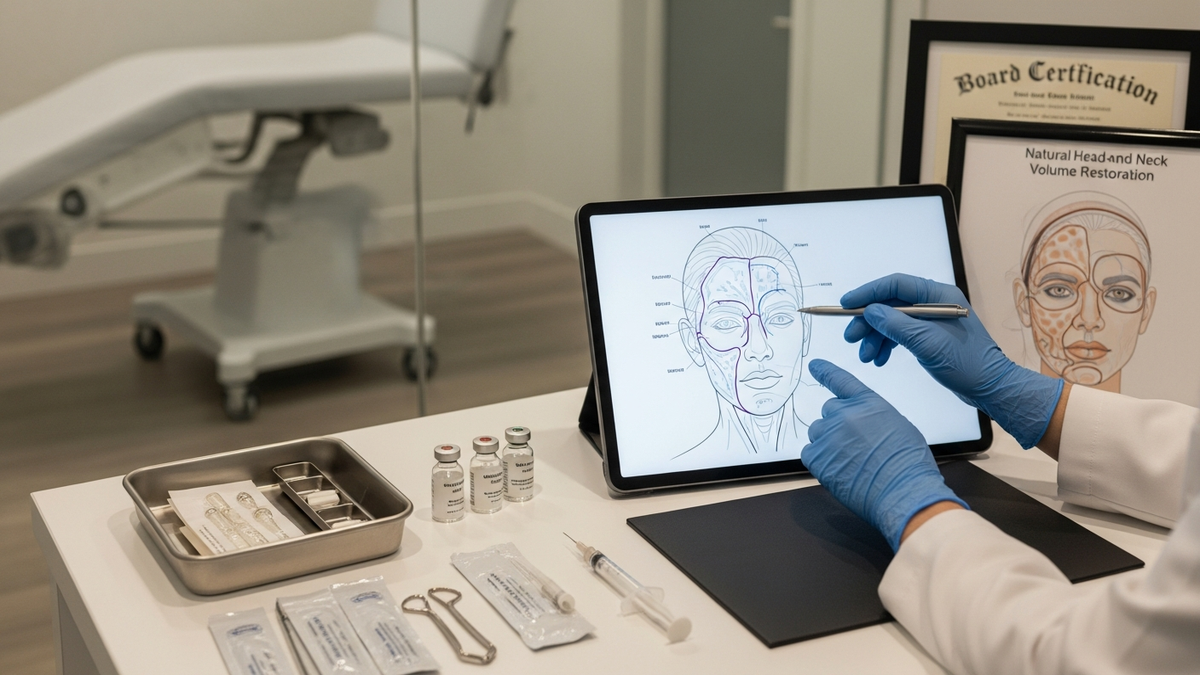
Before any fat is harvested, a qualified surgeon maps your face. This includes:
- Assessing volume deficits and skin thickness
- Identifying high-risk zones and appropriate injection planes
- Discussing whether you need single-stage results or a staged refinement plan
2) Harvesting donor fat
Fat is typically harvested using a minimally invasive technique. Donor selection matters because it affects:
- Fat quality
- Harvest comfort
- Recovery time
3) Processing and preparing fat
Most surgeons process the harvested fat to improve consistency and viability. The details vary by surgeon and device protocols, but the goal is consistent: deliver healthy fat cells while minimizing elements that can reduce survival.
4) Injection strategy (plane, distribution, and precision)
Injection technique is a major differentiator among fat grafting surgeons. Key variables include:
- Layering approach (superficial vs deeper planes)
- Distribution (small, precise deposits vs larger boluses)
- Symmetry planning (both visible and subtle asymmetries)
- Managing swelling (so the result looks balanced as it settles)
5) Healing and fat integration
After surgery, swelling and bruising are common. Over time, the body reabsorbs some of the transferred fat. What remains integrates into the surrounding tissue, which is why results evolve over weeks to months.
What Determines Fat Survival and Natural-Looking Results?
Many patients assume the outcome is simply “how much fat the surgeon injects.” In reality, fat survival and aesthetic refinement depend on multiple factors—some controllable, others patient-specific.
Surgeon-controlled factors
- Harvest technique that preserves fat cell viability
- Processing method that maintains a consistent, healthy graft
- Injection plane tailored to the target area
- Micro-distribution strategy designed to maximize contact and integration
- Realistic volume planning accounting for resorption
Patient factors that influence outcomes
- Overall health and ability to heal
- Smoking status (commonly advised to avoid nicotine products)
- Medication considerations (your surgeon will provide guidance)
- Metabolic changes (weight fluctuations can affect facial volume)
- Skin quality and baseline tissue support
Because these variables interact, the best fat grafting surgeons communicate expectations clearly—especially the possibility of needing a touch-up after the initial healing phase.
How to Choose Among Fat Grafting Surgeons
Not all surgeons approach fat transfer the same way. When comparing providers, use a structured checklist. This helps you move beyond marketing and toward clinical fit.
1) Look for relevant training and head-and-neck expertise
For facial fat grafting, anatomy and aesthetics are inseparable. Surgeons who focus on head-and-neck cosmetic and reconstructive procedures often have an advantage because they understand how facial layers behave and how to plan harmoniously across features.
For example, Dr. Hootan Zandifar, MD, FACS is a double board certified, fellowship-trained facial plastic and reconstructive surgeon who focuses solely on surgeries of the head and neck. His approach emphasizes patient education, honest guidance, and natural-looking results—an alignment that many patients find reassuring when choosing fat grafting surgeons.
2) Review before-and-after photos with context
Ask for results that match your concern and your target area. Pay attention to:
- Consistency across multiple patients
- Natural transitions (no “overfilled” look)
- How results look months after healing
- Whether the surgeon’s results fit your preferred aesthetic
3) Ask detailed technique questions
A strong consultation should feel like a collaborative planning session, not a sales pitch. Consider asking:
- Which facial areas are you recommending, and why?
- What injection planes will you use for my target region?
- How do you plan for fat resorption?
- Will I need more than one session?
- How do you handle asymmetry?
- What is your approach to safety in high-risk facial zones?
4) Confirm safety protocols and realistic risk discussion
Even when performed expertly, any surgical procedure carries risks. Your surgeon should discuss potential complications, including swelling, bruising, contour irregularities, and rare but serious vascular risks. If you feel rushed or uncomfortable asking questions, that’s a signal to slow down.
5) Evaluate communication and education
The best fat grafting surgeons take time to explain what’s happening and what you can do to support healing. Clear instructions—before and after—are part of quality care.
Fat Grafting for the Face: Common Target Areas
While fat transfer can be used in multiple regions, the “best” area depends on your anatomy and goals. Below are common uses patients ask about.
Temples and midface
Volume loss in the temples and midface can make the face appear tired or aged. Fat grafting can help restore youthful contours by smoothing the transition between cheek and surrounding structures.
Under-eye hollows (selected patients)
Under-eye concerns are sensitive. Some patients benefit from carefully planned fat grafting, but the approach must be tailored to skin thickness, tear trough anatomy, and risk factors. A surgeon should evaluate whether fat transfer is appropriate or whether another strategy is safer.
Jawline and chin contour
Fat grafting can complement other contouring efforts. In some cases, reducing submental fullness with submental liposuction may be part of a balanced plan, after which fat transfer may refine the contour.
When Fat Grafting Works Best: A “Facial Plan” Approach
One reason patients feel frustrated after surgery is that they treat each concern as a separate problem. In reality, aging is a whole-face process. The strongest results often come from integrating fat grafting with other head-and-neck procedures.
Fat grafting + eyelid rejuvenation
For patients with both under-eye hollowness and eyelid skin issues, procedures like Blepharoplasty may address excess skin or puffiness, while fat grafting refines volume transitions.
Fat grafting + lift procedures
If sagging and skin laxity are primary drivers, a Facelift may better restore support. Fat transfer can then add subtle volume where needed, creating a more natural harmony between tissues.
Fat grafting + nasal or airway planning
Some patients pursue multiple facial changes to create balance. If you’re considering nasal refinement, you may also discuss Rhinoplasty. If breathing concerns exist, a surgeon may evaluate whether Septoplasty is appropriate for a Deviated Septum as part of functional planning.
Non-Surgical Alternatives and “Pre-Optimization” Before Fat Grafting
Not every patient is ready for surgery immediately, and not every concern requires fat transfer. Many surgeons recommend a “pre-optimization” period to support healing and improve surgical planning.
Common pre-op steps (discuss with your surgeon)
- Stop nicotine products well in advance if advised
- Review medications and supplements
- Stabilize weight and manage chronic conditions
- Follow skincare and sun-avoidance guidance
- Arrange post-op support for the first days
Some patients may consider non-surgical rejuvenation (such as neuromodulators or skin-focused therapies) while waiting to address deeper volume changes. Your surgeon can help you decide what’s worth doing now vs later.
Recovery Timeline: What Patients Often Ask
Recovery varies based on the number of areas treated and your personal healing rate. Still, most patients experience a predictable pattern.
First week
- Swelling and bruising are common
- Donor sites may feel tender
- Most people can return to light activities with surgeon-approved restrictions
Weeks 2–6
- Swelling gradually decreases
- Contours begin to look more defined
- Some patients notice temporary unevenness as tissues settle
Months 2–6+
- Final integration and refinement become clearer
- Your surgeon can assess whether additional volume is needed
When you compare fat grafting surgeons, ask how they measure progress—some use standardized photos, imaging, or structured follow-ups.
Costs and Value: How to Think Beyond the Price Tag
Cost is a common reason patients hesitate, but the lowest price doesn’t always deliver the best value. Instead, evaluate:
- Surgeon experience in fat transfer for your target areas
- Plan quality (realistic volume, tailored technique)
- Safety standards and facility readiness
- Follow-up support and revision policy
- Overall treatment strategy (single session vs staged)
At FlowGeniQ Digest, we encourage readers to view value as the combination of safety, expertise, and outcomes—not only the initial quote.
Related Procedures Patients Often Consider (Head-and-Neck Focus)
Because facial harmony matters, patients frequently explore additional procedures alongside fat grafting. Even if you’re not considering them now, understanding the landscape helps you ask better questions.
Hair restoration and facial framing
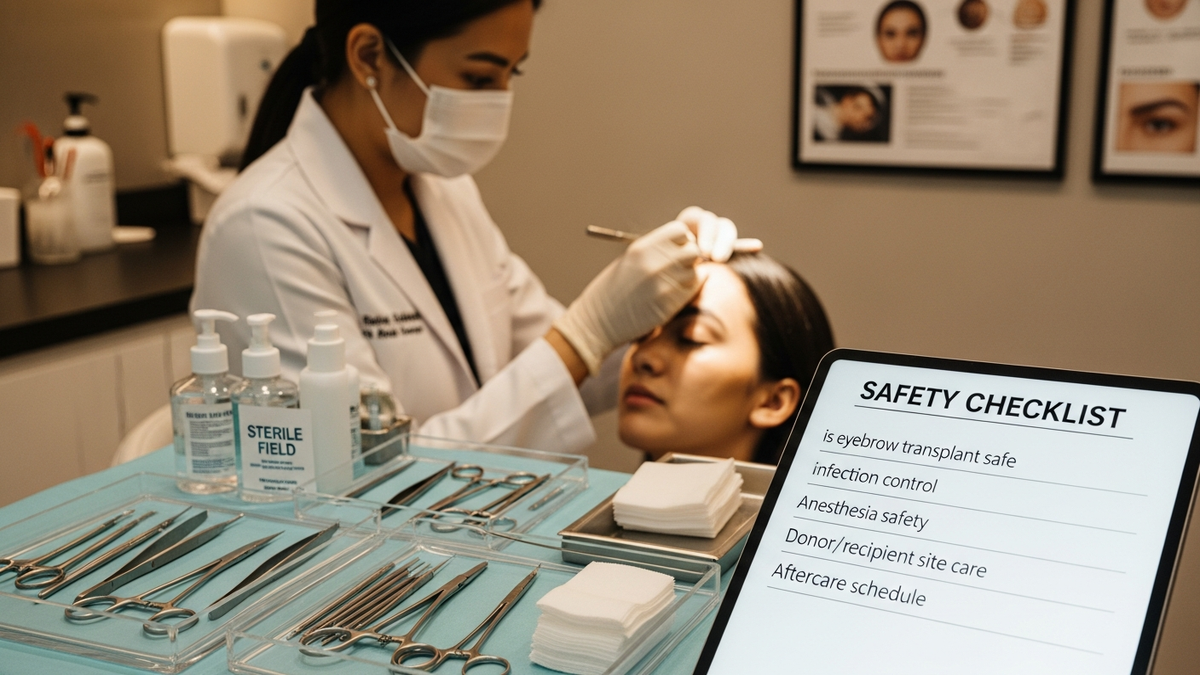
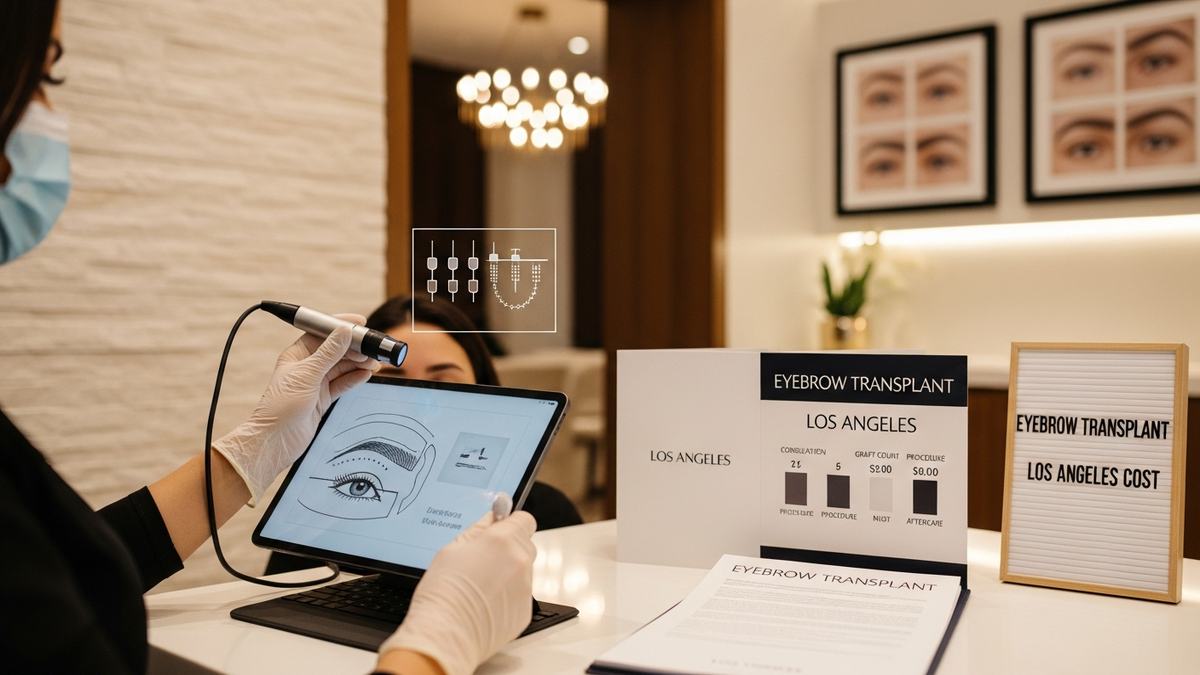
Some patients associate facial rejuvenation with overall facial balance, including hairline and brows. If you’re exploring hair restoration, you might research a hair transplant for appropriate candidates. Eyebrow restoration may also be relevant—ask about an eyebrow transplant if brow thinning affects your overall appearance.
Ear reshaping and facial proportion
Ears can be a focal point for facial proportion. For patients unhappy with symmetry or shape, ear reshaping (including otoplasty and microtia repair) may be considered. A surgeon who understands head-and-neck aesthetics can help coordinate these decisions with facial volume goals.
Neck contouring
Localized fat deposits can accumulate in the chin and jawline with age. In some cases, submental liposuction is a helpful step before or alongside other contouring strategies.
Red Flags When Searching for Fat Grafting Surgeons
Most patients want the best possible outcome, but certain patterns can indicate a mismatch in quality or communication.
- Vague explanations about technique or expected outcomes
- Pressure to decide quickly without a thorough consultation
- One-size-fits-all plans that don’t reflect your anatomy
- Inadequate discussion of risks and safety protocols
- No follow-up plan or unclear revision expectations
Trust your instincts. A good surgeon will welcome questions and provide clear, patient-friendly education.
What to Bring to Your Consultation
Preparation can make your appointment more productive. Bring:
- Photos of yourself you like (and photos you don’t)
- A list of prior surgeries and medical conditions
- Current medications and supplements
- Questions you want answered (use the checklist above)
- Your goals: what you want to change and what you want to preserve
Informed patients tend to have smoother experiences and more realistic outcomes—exactly what FlowGeniQ Digest aims to support.
Frequently Asked Questions About Fat Grafting Surgeons
1) How do fat grafting surgeons ensure a natural look?
Natural results typically come from careful facial mapping, conservative and layered injection strategies, and volume planning that accounts for fat resorption. A skilled surgeon also considers skin quality, tissue support, and how swelling will affect the early appearance.
2) Will fat grafting always require multiple sessions?
Not always. Some patients achieve their desired outcome in one session, while others benefit from staged refinement—especially when correcting significant volume loss or aiming for very subtle, high-precision contours. Your surgeon should provide a realistic plan during consultation.
3) What areas are most common for fat transfer?
Common targets include the temples, midface, jawline, and sometimes selected under-eye concerns. The best choice depends on your anatomy and risk profile.
4) What are the main risks I should discuss?
You should discuss risks such as swelling, bruising, asymmetry, contour irregularities, infection, and the potential need for revision. For high-risk regions, ask specifically about safety protocols and injection technique.
5) How do I compare different fat grafting surgeons?
Compare credentials, relevant experience with your target areas, the quality and consistency of results, and how thoroughly each surgeon explains technique and expectations. Bring your questions and see whether communication feels clear and collaborative.
CTA: Ready to Explore Your Options?
If you’re considering fat grafting and want a plan built around natural facial harmony, start with a consultation where your goals come first. Dr. Hootan Zandifar is a board-certified facial plastic and reconstructive surgeon in Beverly Hills, CA, known for an honest, compassionate approach and a deep focus on head-and-neck aesthetic results.
Schedule online to discuss whether fat grafting is right for you and how it may fit into a broader rejuvenation strategy—whether that includes contouring, eyelid rejuvenation like Blepharoplasty, or other facial procedures.
Professional Disclaimer
This content is provided for general educational purposes only by FlowGeniQ Digest. It is not a substitute for professional advice, diagnosis, or treatment. Readers are advised to consult qualified professionals for personalized recommendations.
Medical Information Disclaimer
This content is provided for general educational purposes only by FlowGeniQ Digest. It is not a substitute for professional advice, diagnosis, or treatment. Readers are advised to consult qualified professionals for personalized recommendations.