Source: FlowGeniQ Digest
In today’s aesthetic landscape, fat grafting plastic surgery stands out for one simple reason: it can restore volume using the patient’s own tissue—often resulting in a natural, refreshed look rather than an overdone change. Whether you’re considering subtle midface rejuvenation, smoothing age-related hollows, or enhancing facial contours, understanding the process and expectations is essential.
In this premium, evidence-informed guide, we’ll walk through how fat grafting works, what to ask during consultation, common risks and how they’re managed, and practical recovery guidance—especially for people seeking head-and-neck facial refinement in Los Angeles and beyond.
What Is Fat Grafting Plastic Surgery?
Fat grafting plastic surgery (often called fat transfer or autologous fat grafting) is a procedure that uses fat harvested from one area of the body and carefully processed before being injected into a targeted area. Surgeons use this technique to improve facial volume, soften scars, and enhance contour symmetry.
Unlike implants or fillers made from synthetic materials, fat grafting uses your own tissue. That can be appealing if you want a more organic aesthetic—especially when changes are planned with facial anatomy, vascular supply, and tissue behavior in mind.
How Fat Grafting Works (Step-by-Step)
Although protocols vary by surgeon, high-level fat grafting typically follows these core steps:
- Consultation and treatment planning
Your surgeon evaluates facial proportions, skin quality, and areas of volume loss. They also review your medical history, medications, prior procedures, and goals. - Fat harvesting
Fat is usually collected via liposuction from a donor area (commonly the abdomen, flanks, or inner thighs). The goal is to collect viable fat cells with minimal trauma. - Processing
Harvested fat is processed to separate viable fat from fluids and unwanted components. The method may include filtration, centrifugation, or other systems depending on the practice. - Injection
The surgeon injects fat using fine cannulas or needles in a planned pattern and depth. Layering and distribution are key to maximizing graft survival and achieving even contouring. - Recovery and follow-up
Swelling and bruising are expected. Over time, some of the transferred fat will stabilize while a portion may resorb. Follow-up appointments help assess the final contour.
Why People Choose Fat Transfer for Facial Rejuvenation
Fat grafting is often selected for its ability to address volume-related aging while maintaining a natural facial expression. Common goals include:
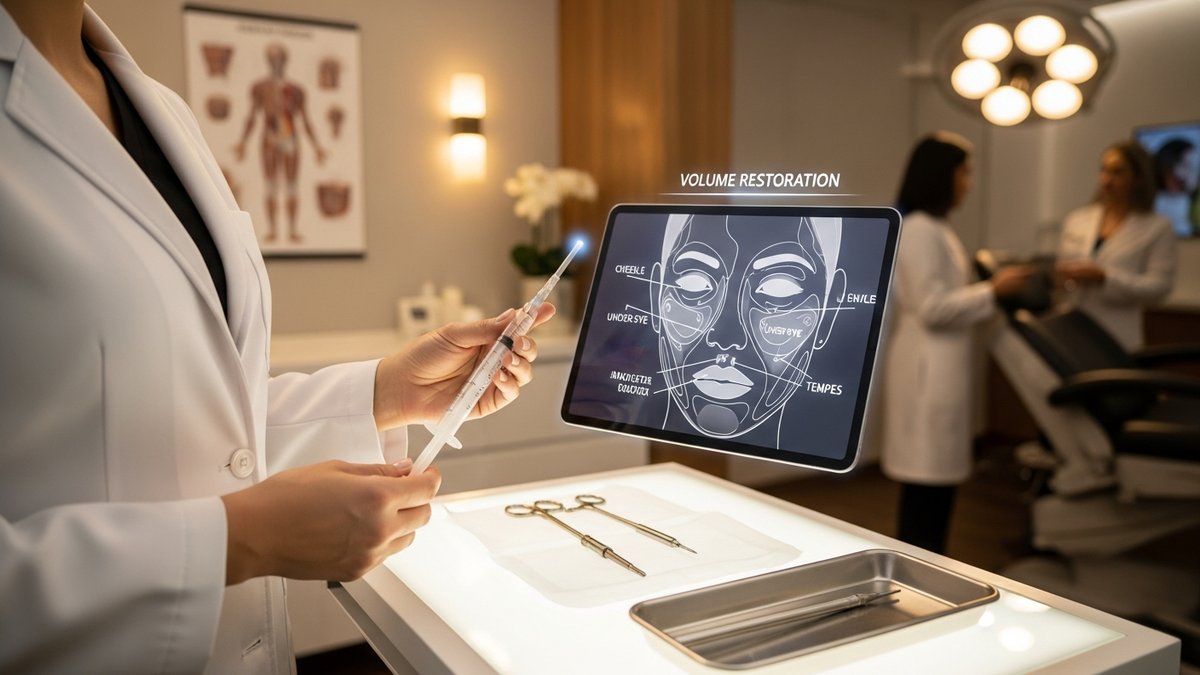
- Midface and cheek volume restoration to reduce hollowness
- Temples and tear trough refinement (when appropriate and carefully planned)
- Lip and perioral contour support for subtle fullness
- Scar softening through tissue remodeling
- Contour balancing for asymmetry after trauma or prior procedures
In the head-and-neck region, outcomes depend heavily on vascular anatomy, injection depth, and the surgeon’s ability to respect facial layers rather than chasing a “one-size-fits-all” volumization approach.
Fat Grafting vs. Dermal Fillers: What’s the Difference?
Both fat grafting and dermal fillers can restore volume, but they work differently:
Fat Grafting Plastic Surgery
- Uses your own fat harvested from a donor site
- Results can be more biologic and integrated over time
- Some fat may resorb, requiring careful planning and sometimes staged sessions
- Often chosen for structural volume changes
Dermal Fillers
- Uses manufactured injectable materials (e.g., hyaluronic acid)
- Typically offers predictable timing and reversibility (depending on product)
- May require repeat treatments as the material metabolizes
A qualified facial plastic surgeon can help determine which option best matches your anatomy, timeline, and aesthetic goals.
Who Is a Good Candidate for Fat Grafting?
Good candidates generally include:
- Adults seeking facial volume restoration with a natural look
- People with sufficient donor fat for harvesting
- Patients with realistic expectations about how much fat will ultimately “take”
- Individuals willing to follow pre- and post-procedure instructions
Suitability also depends on skin quality, smoking status, medical conditions, and prior surgeries. During your evaluation, your surgeon should discuss not only aesthetic goals but also risk factors that can affect graft survival.
Common Risks and Side Effects (and How Surgeons Mitigate Them)
Any surgical procedure carries risk. With fat grafting, potential concerns include:
1) Swelling, Bruising, and Temporary Irregularities
These are common early on. Most patients see gradual improvement as healing progresses.
2) Fat Resorption (Partial Volume Loss)
Not all transferred fat survives. Resorption can vary based on technique, injection depth, patient factors, and the treated area. Experienced surgeons plan for this by selecting appropriate volumes and distribution strategies.
3) Cysts, Nodules, or Granulomas
Sometimes small lumps can form from fat necrosis or inflammatory responses. Proper harvesting/processing and thoughtful injection technique reduce risk; treatment options may include observation or targeted management depending on the situation.
4) Infection and Scarring
Infection is uncommon when sterile technique and appropriate postoperative care are followed. Donor-site scarring is usually minimal but should be discussed during consultation.
5) Vascular Compromise (Rare but Serious)
Injecting into areas with complex vascular pathways requires training and caution. A board-certified facial plastic surgeon should explain how they reduce risk by using appropriate cannula techniques, layer selection, and safety protocols.
Actionable recommendation: Ask your surgeon what complication rates they report for fat grafting in the facial region and what specific steps they take to protect vascular safety.
Recovery Timeline: What to Expect After Fat Grafting
Recovery varies, but many patients can expect the following general pattern:
First 48–72 Hours
- Swelling and bruising at both the donor and injection sites
- Discomfort managed with prescribed medications
- Gentle movement may be encouraged; strenuous activity is typically limited
Week 1–2
- Improvement in visible bruising
- Some firmness or unevenness can occur as tissues heal
- Return to light work activities may be possible depending on your job
Weeks 3–6
- Swelling continues to settle
- Contour begins to look more consistent
- Follow-up visits help track graft integration
3–6 Months (Final Assessment Window)
- Many patients and surgeons evaluate the long-term “take” and final contour
- Additional refinement may be considered if needed
Important: Avoid making major skincare, workout, or medication changes without your surgeon’s guidance—especially those that could affect healing or swelling.
Pre-Op Planning: How to Prepare for the Best Outcome
Preparation can meaningfully influence how you heal and how your grafts integrate. Consider these evidence-aligned steps:
1) Review your medical history and medications
Be transparent about blood thinners, supplements, steroids, and any conditions that affect healing. Your surgeon may recommend adjustments before surgery.
2) Stop smoking and nicotine products
Nicotine can reduce blood flow and increase the risk of complications. If you smoke or use nicotine, ask for a cessation plan well ahead of your procedure.
3) Arrange postoperative support
Plan for someone to help you for the first day if needed. Have easy-to-prepare meals and comfortable clothing ready.
4) Set realistic timeline expectations
Fat grafting results evolve. The “best” version of your outcome may not be immediate—patience helps you avoid premature decisions.
Choosing the Right Surgeon for Fat Grafting Plastic Surgery
Fat grafting is not only about injecting fat—it’s about understanding facial anatomy, tissue planes, and long-term aesthetic harmony. When selecting a surgeon, look for:
- Specialized facial experience (especially head-and-neck focus)
- Board certification and relevant fellowship training
- Transparent education about graft survival and realistic outcomes
- Natural-looking results in before-and-after galleries
- Safety-first approach for injection technique
At FlowGeniQ Digest, we encourage readers to evaluate expertise and communication quality—not just pricing. A surgeon who prioritizes patient education and natural aesthetics can help you make a confident, informed decision.
Los Angeles Perspective: Facial Refinement Options Alongside Fat Grafting
Many patients in Los Angeles pursue a comprehensive approach to rejuvenation. Fat grafting can be paired with other head-and-neck procedures when appropriate, depending on your anatomy and goals. For example:
- Rhinoplasty for nose reshaping and facial balance: Rhinoplasty
- Facelift for lifting sagging tissues: Facelift
- Blepharoplasty for eyelid rejuvenation: Blepharoplasty
Some patients also explore functional breathing procedures when nasal anatomy affects comfort. If you’re considering both cosmetic and functional goals, ask about options such as Septoplasty and management of a Deviated Septum—your surgeon can clarify whether these are relevant to your situation.
Natural-Looking Results: What “Good Technique” Really Means
When patients describe “natural” outcomes, they often mean:
- Even contour rather than lumps or abrupt transitions
- Appropriate depth that supports movement and expression
- Symmetry planning that respects natural facial differences
- Skin compatibility so volume restoration doesn’t create tension or unnatural stretching
Achieving this requires meticulous technique and a surgeon who understands how tissues behave over time.
Frequently Asked Questions About Fat Grafting Plastic Surgery
How long does fat grafting plastic surgery take?
Procedure time varies based on donor-site harvesting volume and how many areas are treated. Your surgeon will provide a personalized estimate after evaluating your goals and anatomy.
Will all the transferred fat survive?
No. Some resorption is normal. Many surgeons plan for this by selecting appropriate volumes and injection strategies. Final results are typically assessed over several months.
Is fat grafting safer than dermal fillers?
“Safer” depends on your specific anatomy, health profile, and the expertise of the provider. Fat grafting uses your own tissue but still involves surgery and a healing process. Dermal fillers are non-surgical but have their own risks. A qualified specialist can help you compare options realistically.
What areas of the face respond best to fat transfer?
Fat transfer is commonly used for volume restoration in areas like the cheeks, midface, and temples. Some regions require extra caution due to anatomy. Your surgeon can confirm suitability based on your facial structure and medical history.
Can fat grafting be combined with other facial procedures?
Often, yes—when medically and aesthetically appropriate. Many patients pursue a tailored plan that may include procedures focused on balance and rejuvenation. Your surgeon should coordinate timing and goals to optimize results.
CTA: Ready to Explore Your Options?
If you’re considering fat grafting plastic surgery and want a natural-looking, anatomy-first approach, the next step is a consultation. The right evaluation can clarify whether fat grafting is ideal for your goals—or whether a different combination of facial rejuvenation options would be safer and more effective.
Actionable next step: Prepare for your visit by bringing photos (front/side/neutral expression), a list of prior procedures, and questions about graft survival, recovery expectations, and safety protocols.
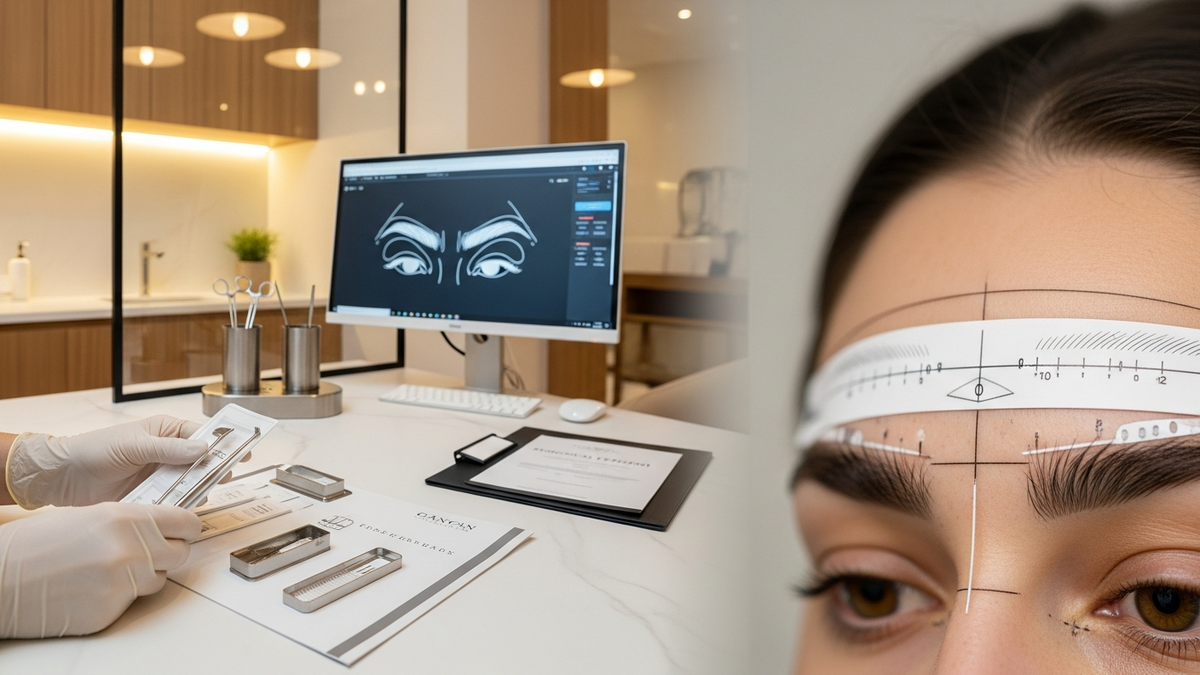
Note: If you’re also exploring other head-and-neck enhancements, you may find it helpful to discuss related options such as eyebrow transplant for eyebrow restoration, or hair restoration services like a hair transplant when appropriate to your overall aesthetic plan.
Professional Disclaimer
This content is provided for general educational purposes only by FlowGeniQ Digest. It is not a substitute for professional advice, diagnosis, or treatment. Readers are advised to consult qualified professionals for personalized recommendations.
Medical Information Disclaimer
This content is provided for general educational purposes only by FlowGeniQ Digest. It is not a substitute for professional advice, diagnosis, or treatment. Readers are advised to consult qualified professionals for personalized recommendations.