Facial fat grafting cost is one of the most searched questions for people considering facial rejuvenation—especially in Los Angeles and Beverly Hills, where advanced anti-aging options are widely available. At FlowGeniQ Digest, we regularly field patient questions about pricing, what’s included, and how to compare consultations so you can make a confident, informed decision.
Because fat grafting is both an artistic and medical procedure, the “right” cost depends on your anatomy, your goals, and the surgical plan. In this guide, we’ll explain what drives facial fat grafting cost, what typical ranges look like, how to budget beyond the base fee, and how to choose a qualified facial plastic surgeon—so you can focus on the outcome you want, not just the sticker price.
What Is Facial Fat Grafting?
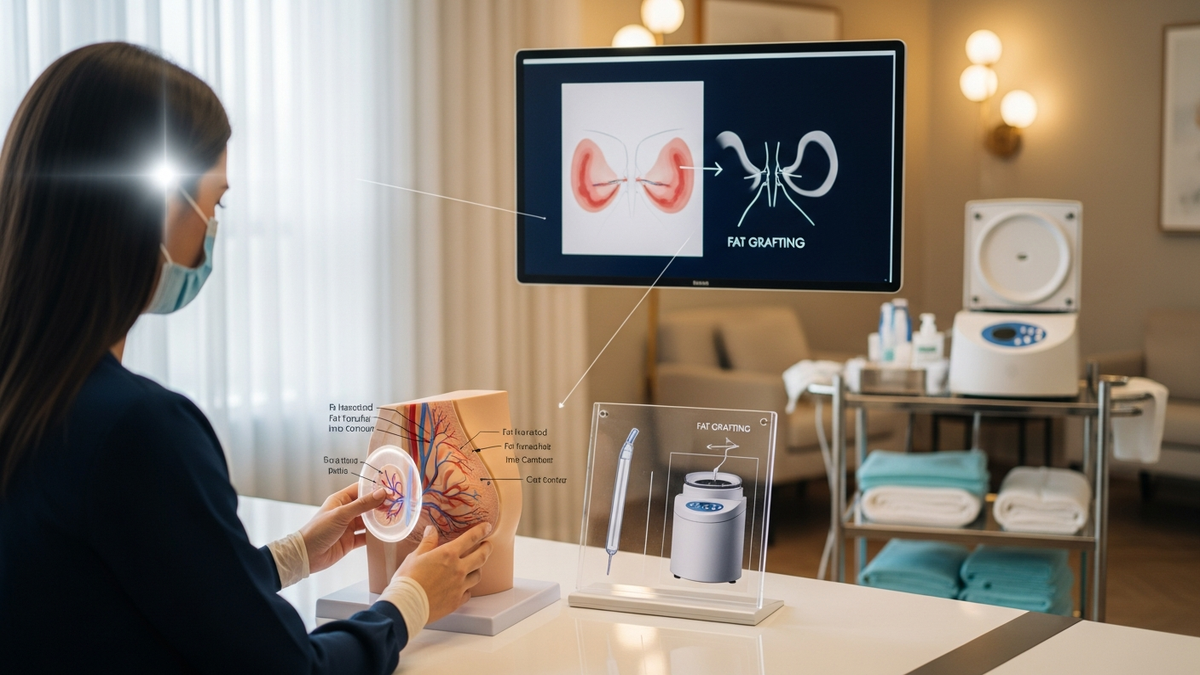
Facial fat grafting (also called fat transfer or autologous fat transfer) is a technique that uses your own fat to add volume and improve facial contours. The process generally includes:
- Harvesting fat from a donor area (commonly the abdomen, thighs, or flanks)
- Processing the fat to prepare it for transfer
- Injecting the fat using precise placement to restore structure and soften lines
Unlike some fillers that rely on synthetic materials, fat grafting uses your tissue. That said, it’s still surgery—so outcomes depend heavily on technique, volume planning, and how the body “takes” (survival of transferred fat).
Facial Fat Grafting Cost: The Big Picture
When people ask about facial fat grafting cost, they’re often trying to estimate two things:
- The base surgical fee (surgeon time and facility/operative resources)
- The total out-of-pocket cost (anesthesia, medications, pre-op tests, and follow-up care)
In Los Angeles and Beverly Hills, pricing can vary substantially based on the complexity of the case and the amount of fat needed. Many practices also price based on the extent of treatment (for example, cheeks only vs. multi-region volume restoration).
Typical Facial Fat Grafting Cost Ranges (What Most Patients Budget For)
While exact prices require an in-person evaluation, many patients budget in a broad range depending on treatment volume and number of facial areas. In general, fat grafting is commonly priced per procedure or per session, and the total can change if additional areas are treated or if a staged approach is recommended.
Important: A lower quoted price isn’t automatically a better deal. Fat grafting is technique-dependent, and under-planning volume or using less precise placement can affect longevity and satisfaction.
Why “Typical Ranges” Can Be Misleading
Two people may both say “I want cheek volume,” but their needs differ:
- One person may need subtle contour refinement
- Another may require structural support and deeper plane placement
- Some patients have better donor fat quality than others
That’s why a transparent consultation is essential. A good surgeon will explain how they plan volume, what results are realistic, and what factors may require a future touch-up.
Key Factors That Influence Facial Fat Grafting Cost
To understand facial fat grafting cost, it helps to know what practices typically price around.
1) Number of Facial Areas Treated
Cost often increases as more regions are addressed. Common targets include:
- Midface/cheeks
- Under-eye hollows (selected cases)
- Temples
- Jawline or chin contour
- Nasolabial folds or marionette lines (often as part of a broader plan)
Multi-region procedures generally require more surgical time and more grafted volume.
2) Amount of Volume Needed
Fat grafting cost may reflect how much fat must be harvested and how much is needed for your desired aesthetic. Larger volume requirements can increase:
- Harvest time
- Processing needs
- Injection time and refinement
3) Donor Area (Harvest Site) and Fat Quality
Your donor area affects both planning and complexity. Some patients have limited donor fat or less ideal fat consistency, which may influence:
- How much can be safely harvested
- How the surgeon processes and places the graft
- Whether a staged approach is recommended
4) Anesthesia Type and Surgical Setting
Whether the procedure is done with local anesthesia, IV sedation, or general anesthesia can affect overall cost. Facility fees and anesthesia fees are often separate line items, so ask for a full breakdown.
5) Surgeon Experience and Technique
Fat grafting is not one-size-fits-all. It requires meticulous handling and strategic placement across facial planes. Pricing often correlates with:
- Surgeon expertise in facial anatomy
- Proficiency with graft survival strategies
- Artistic contour planning
For patients in Beverly Hills and Los Angeles, selecting a board-certified facial plastic and reconstructive surgeon can be a key quality signal.
6) Whether You Need Additional Procedures
Some patients combine fat grafting with other facial rejuvenation techniques. For example, volume restoration may pair with tightening procedures to address both sagging and hollowness. If you’re considering other facial surgery, your plan may influence total cost.
For context, patients exploring other facial procedures often research options like Facelift or Blepharoplasty—not because fat grafting is “the same,” but because many people pursue a comprehensive anti-aging strategy.
What’s Included in Facial Fat Grafting Cost?
When comparing quotes, request a detailed estimate. A complete facial fat grafting cost breakdown should typically include:
- Surgeon’s fee
- Facility or operating room fees
- Anesthesia fees
- Pre-operative evaluation (exam, medical history review, sometimes imaging)
- Medications (perioperative prescriptions)
- Post-operative follow-ups
- Any required post-op care instructions and check-ins
Ask whether the estimate includes lab work, compression garments (if relevant), and additional visits for healing or concerns.
How Long Do Results Last?
One reason patients evaluate cost so carefully is that fat grafting results can vary in longevity. While some transferred fat can persist long-term, not all grafts survive at the same rate. Factors that influence fat survival include:
- Technique and graft handling
- Placement strategy
- Patient healing and lifestyle factors
- Genetic and metabolic differences
Because of this variability, many surgeons discuss the possibility of refinement or additional sessions depending on your goals.
Facial Fat Grafting vs. Dermal Fillers: Cost and Value Comparison
Patients often compare facial fat grafting cost to filler cost. Here’s a practical way to think about it:
- Fat grafting uses your own tissue and may offer longer-lasting structural volume in selected cases, but it involves surgery and variable survival.
- Dermal fillers can be quicker with less downtime, but many types require repeat treatments over time.
The “better” choice depends on your anatomy, desired longevity, risk tolerance, and whether you have enough donor fat. A surgeon can help determine which approach aligns with your facial structure and time horizon.
How to Budget for Facial Fat Grafting Cost (Without Overlooking Hidden Expenses)
If you’re planning surgery, budgeting shouldn’t stop at the base quote. Consider the full timeline:
1) Plan for Time Off and Recovery Support
Recovery varies by individual and extent of treatment. Many patients need time for swelling and bruising. Budget for:
- Time away from work or social events
- Transportation to and from appointments
- Possible help at home during the first days
2) Ask About Post-Op Supplies
Depending on your plan, you may need compression garments or additional care products. Ask what’s included in the estimate.
3) Discuss Touch-Ups in Advance
Because fat grafting can be influenced by survival rates, ask how the practice handles refinement. Clarity on touch-up policies helps you avoid surprises later.
Questions to Ask Your Surgeon About Facial Fat Grafting Cost
Bring these questions to your consultation. They help you evaluate value, not just price:
- What facial areas will you treat, and why?
- How much volume do you expect to transfer?
- Is a staged approach recommended?
- What’s included in the quote (anesthesia, facility fees, follow-ups)?
- What are your typical revision/touch-up policies?
- What results can I realistically expect at 3, 6, and 12 months?
- How do you handle graft survival and placement strategy?
Why Choosing the Right Surgeon Matters for Cost-Effectiveness
In aesthetic surgery, paying less up front can be more expensive if results are not aligned with expectations or if revision is needed. A surgeon’s experience with head and neck anatomy, aesthetic proportion, and natural contouring can influence both your satisfaction and how long the results last.
In Beverly Hills, patients often look for surgeons known for natural-looking outcomes, patient education, and a trustworthy approach. For example, Dr. Hootan Zandifar is a board-certified facial plastic and reconstructive surgeon who focuses solely on cosmetic and reconstructive surgery of the head and neck. This focused expertise supports a detailed, anatomy-driven approach to facial rejuvenation.
As with any advanced procedure, the best “deal” is the plan tailored to your goals—not the lowest number on a menu.
Personalized Planning in Los Angeles & Beverly Hills
Los Angeles and Beverly Hills are home to a wide range of cosmetic services, from body contouring to facial surgery. If you’re considering fat grafting, you’ll likely want a surgeon who can coordinate your overall facial strategy—especially if you’re also addressing other aging signs.
While fat grafting targets volume and contour, some patients may also explore procedures like Blepharoplasty for eyelid aging, or Rhinoplasty if nasal aesthetics or breathing concerns are part of their goals. These are distinct procedures, but they demonstrate why a comprehensive evaluation matters.
Recovery Timeline: What to Expect After Fat Grafting
Swelling and bruising are common early on. While timelines vary, many patients plan for:
- First few days: swelling peaks, bruising may be noticeable
- 1–2 weeks: visible improvement; many return to light activities
- 1–3 months: continued refinement as the area settles
- 3–6+ months: more stable assessment of final contour
Follow your surgeon’s post-op instructions closely to support healing and graft survival.
Who Is a Good Candidate?
Ideal candidates typically include people who:
- Want natural-looking volume restoration
- Have sufficient donor fat for harvesting
- Understand that results can vary and may require refinement
- Are in good general health and can follow post-op guidance
During your consultation, your surgeon will evaluate facial structure, skin quality, and medical history to determine whether fat grafting is the best option—or whether another approach may be safer or more effective.
Facial Fat Grafting Cost FAQs
How much does facial fat grafting cost on average?
Facial fat grafting cost varies based on the number of facial areas treated, the volume required, anesthesia, and facility fees. A personalized consultation is the only way to produce an accurate estimate.
Does facial fat grafting cost include anesthesia and operating room fees?
Often, quotes may separate surgeon fees from anesthesia and facility charges. Ask for a line-item estimate so you can compare total cost, not just the base fee.
Will I need a second fat grafting procedure?
Some patients achieve their goals in one session, while others may benefit from refinement depending on graft survival and desired volume. Discuss staged planning and touch-up policies during consultation.
How long do results last after fat grafting?
Some transferred fat can persist long-term, but survival can vary. Many patients experience meaningful, durable contour improvement, with the most stable assessment often occurring months after surgery.
Is facial fat grafting more cost-effective than dermal fillers?
It can be, depending on your goals and anatomy. Fillers may require repeated treatments, while fat grafting is a surgical approach with variable longevity. Your best option depends on desired duration, risk profile, and facial structure.
CTA: Get a Personalized Facial Fat Grafting Cost Estimate
If you’re considering facial fat grafting, the most reliable way to understand facial fat grafting cost is to schedule a consultation where your goals and anatomy can be evaluated. At FlowGeniQ Digest, we encourage patients to compare quotes thoughtfully—looking for clarity on what’s included, how the plan is designed for their facial structure, and what outcomes are realistic.
Next step: Book a consultation with a qualified facial plastic surgeon to discuss your desired regions, expected volume, recovery timeline, and a transparent, itemized estimate.
Professional Disclaimer
This content is provided for general educational purposes only by FlowGeniQ Digest. It is not a substitute for professional advice, diagnosis, or treatment. Readers are advised to consult qualified professionals for personalized recommendations.
Medical Information Disclaimer
This content is provided for general educational purposes only by FlowGeniQ Digest. It is not a substitute for professional advice, diagnosis, or treatment. Readers are advised to consult qualified professionals for personalized recommendations.