Source: FlowGeniQ Digest
Face threading has become a popular option for people who want a refreshed, lifted look without the downtime of more invasive procedures. But one of the most common questions we hear—especially from patients in and around Los Angeles—is: what is the face threading facelift cost? The answer is not one fixed number. Pricing depends on technique, number of threads, treatment area, provider expertise, and the overall goals of your facial rejuvenation plan.
In this premium, evidence-aware guide, we’ll walk through typical cost ranges, explain what drives the final price, and help you evaluate whether thread-based lifting is the right fit for you. We’ll also cover how to compare quotes responsibly—so you can focus on safe, natural results rather than guesswork.
What Is a “Face Threading Facelift,” and How Is It Different From a Traditional Facelift?
Threading is a minimally invasive technique designed to lift and support facial tissues. While people often use the phrase “threading facelift”, the procedure is typically less extensive than a surgical facelift. Thread lifts work by using sutures placed under the skin to provide immediate mechanical support and stimulate collagen over time.
Common goals of thread-based lifting
- Improving mild to moderate sagging
- Enhancing jawline definition
- Softening early-to-mid aging signs (e.g., nasolabial area, cheeks, lower face)
- Creating subtle, natural-looking contour changes
Why some patients still choose surgery
For deeper sagging, significant skin laxity, or more advanced aging, a surgical approach may provide a more dramatic and longer-lasting result. If you’re comparing options, it’s helpful to understand that a traditional surgical facelift is a distinct procedure with its own planning and cost structure. For example, you can explore how a Facelift is evaluated and planned in an experienced facial plastic setting.
Face Threading Facelift Cost: Typical Price Ranges (and Why They Vary)
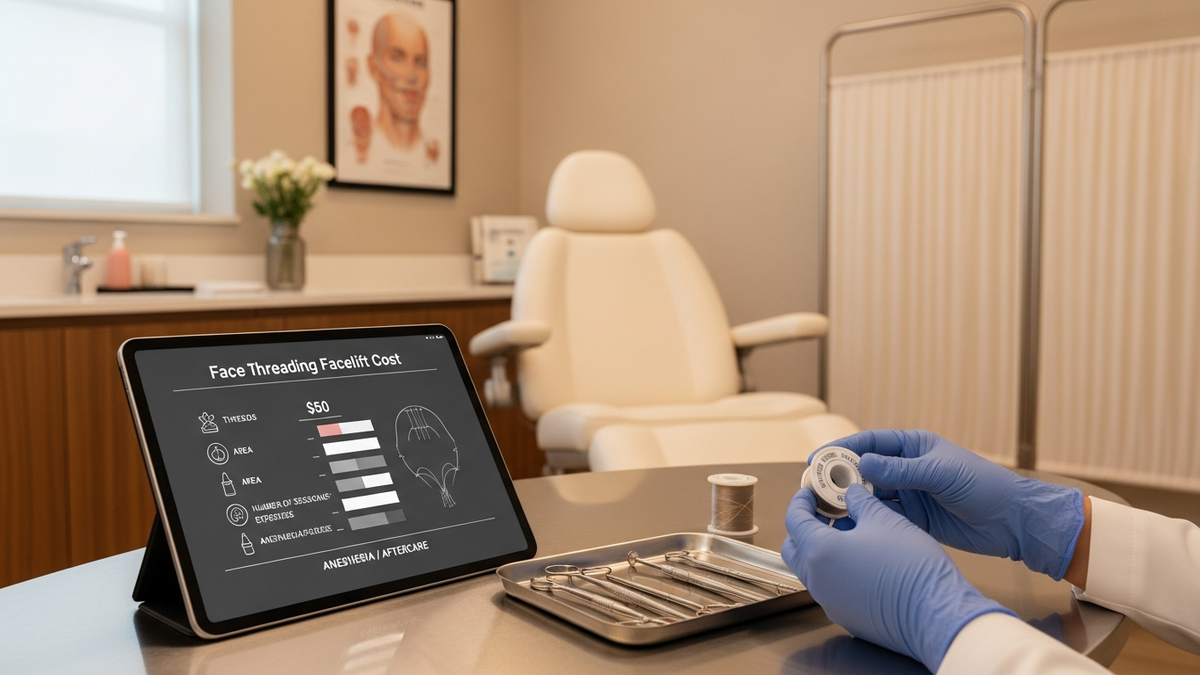
Because “face threading facelift” can refer to different thread types and treatment protocols, pricing varies widely. In general, cost is influenced by the number of threads used, which areas are treated, and the complexity of your anatomy.
Common pricing patterns you’ll see
- Per-thread or per-area pricing: Some providers quote based on how many threads are required or which facial zones are treated (e.g., midface vs. jawline).
- Package or bundled pricing: Others offer bundled sessions that may include consultation, local anesthesia, or complementary treatments.
- Thread type differences: Different thread designs (e.g., smooth vs. barbed vs. specialized configurations) may affect the number of threads needed and the overall cost.
- Provider expertise: Highly experienced facial specialists often price according to outcomes, safety standards, and technique quality—not just materials.
Practical budgeting tip: When comparing quotes, request an itemized estimate (threads, areas, anesthesia, follow-ups). This helps you determine whether you’re receiving comparable treatment rather than just comparing a single line item.
What Affects Face Threading Facelift Cost the Most?
Let’s break down the major variables that influence the final face threading facelift cost. Understanding these factors will help you interpret pricing and avoid surprises.
1) Number of threads and treatment density
More threads generally means more time, technique complexity, and material costs. Your provider will determine the appropriate number based on your skin quality, degree of laxity, and desired lifting vector.
2) Which areas are treated
Thread lifts can be used for different facial zones. Treatment of the lower face and jawline often requires different planning than midface support. The more areas included, the more cost may increase.
3) Thread type and design
Some threads are engineered for specific lifting effects and tissue support. The “best” thread is not always the most expensive—it’s the one that matches your anatomy and goals.
4) Provider training and experience
Threading is technique-sensitive. A skilled clinician will assess facial structure, skin thickness, and tissue behavior to place threads safely and achieve balanced results. In Los Angeles, many patients prefer surgeons and facial specialists because they understand head and neck anatomy deeply.
5) Anesthesia, facility fees, and safety protocols
Costs may include local anesthesia, sedation, sterile supplies, and facility overhead. Always confirm what’s included in the quote.
6) Post-procedure follow-up and aftercare
Quality providers schedule follow-up visits to monitor healing and address concerns early. Ask whether follow-ups, touch-ups, or additional sessions are included or billed separately.
How to Compare Quotes Without Getting Misled
When you’re shopping for a thread lift, it’s tempting to choose the lowest number. However, pricing alone doesn’t guarantee safety or natural outcomes. Here’s a checklist to help you compare apples to apples.
Questions to ask during your consultation
- What areas will be treated and why? Your plan should be personalized, not generic.
- How many threads are recommended? Ask for an estimate and the rationale.
- What thread type will be used? Ensure it aligns with your goals and tissue characteristics.
- What is included in the quote? Confirm anesthesia, facility fees, and follow-up care.
- What results can I realistically expect? A trustworthy clinician will discuss both strengths and limitations.
- What are the risks and how are they managed? You should feel comfortable with the risk conversation.
- Do you offer revisions or touch-ups? Understand the policy before you commit.
Red flags
- Vague pricing without thread quantity or treatment zones
- Guaranteed “perfect” results or unrealistic timelines
- Pressure to book immediately without a thorough evaluation
- Limited discussion of risks, contraindications, and aftercare
Expected Results Timeline: When You’ll See the Lift
One reason patients pursue thread-based lifting is the potential for visible changes relatively soon. Still, the full effect often evolves as collagen remodeling occurs.
Typical timeline (varies by patient)
- First days: Mild swelling, bruising, or tenderness is common.
- 1–2 weeks: Initial contour improvements may be more noticeable as swelling decreases.
- 1–3 months: Collagen stimulation may enhance skin support and texture.
- Ongoing months: The result can continue to refine over time, depending on thread type and individual healing.
If you’re comparing thread lifts to surgical options, it can help to consider how different procedures deliver different degrees of lift, longevity, and recovery. For instance, surgical facial rejuvenation is often evaluated differently than a thread approach—especially when addressing deeper sagging.
Recovery and Downtime: How It Impacts the “Real” Cost
Even if the face threading facelift cost is lower than surgery, your total “real cost” includes downtime, time off work, and the value of recovery comfort.
What most patients plan for
- Swelling and bruising: Usually mild to moderate; varies by technique and individual factors.
- Activity modifications: Many providers recommend avoiding strenuous exercise for a short period.
- Follow-up visits: To evaluate healing and ensure thread placement is stable.
Be sure to ask your provider about specific restrictions for makeup, skincare, facial massage, and exercise.
Risks and Side Effects to Understand Before You Pay
Every cosmetic procedure comes with potential risks. A responsible provider will explain them clearly and outline how they reduce likelihood through technique, screening, and aftercare.
Commonly discussed risks
- Temporary swelling and bruising
- Asymmetry (often addressed with follow-up management)
- Irregularities such as visible thread edges or lumps in early healing stages
- Infection or inflammation (rare with proper sterile technique)
- Persistent discomfort requiring evaluation
If you’re considering additional facial procedures in the same overall aesthetic plan, discuss how they interact. For example, many patients coordinate rejuvenation strategies with eyelid surgery or other head-and-neck facial enhancements.
Related procedures that may come up during planning include Blepharoplasty for upper or lower eyelid concerns, and other facial rejuvenation options depending on your goals.
Who Is a Good Candidate for a Thread Lift?
Thread lifts are often best for people with mild to moderate sagging and those seeking a subtle, supportive lift. Your candidacy is determined by skin quality, facial structure, and your expectations.
Potential good-fit characteristics
- Early to mid signs of aging
- Localized laxity that responds to supportive vectors
- Desire for minimal downtime
- Realistic goals focused on contour improvement
Situations where surgery may be more appropriate
More advanced sagging, significant skin laxity, or complex facial aging patterns may require surgical correction for optimal results. Your provider should discuss limitations honestly. If you’re comparing options, it’s worth learning how a traditional Facelift is approached for deeper rejuvenation.
How to Prepare for Your Thread Lift (and Protect Your Budget)
Preparation can influence outcomes and reduce the risk of needing additional interventions. Here are actionable steps you can take before your procedure date.
Action steps before treatment
- Review your medical history: Bring a complete list of medications, supplements, and allergies.
- Ask about medication adjustments: Some medications may need to be paused to reduce bruising risk.
- Plan your schedule: Arrange time for recovery and follow-up.
- Take baseline photos: Standardized photos help you and your provider track progress.
- Understand aftercare: Ask about skincare products, facial movement restrictions, and what to avoid.
How Long Do Thread Lifts Last?
Longevity varies by thread type, your skin condition, and how your body responds to collagen stimulation. Many patients view thread lifts as a “refresh” option—ideal for maintaining results over time or bridging between more comprehensive treatments.
Questions to ask about expected duration
- How long should I expect the lift to remain noticeable?
- Will I need maintenance sessions?
- What factors reduce or extend longevity for my case?
Discussing longevity upfront helps you evaluate whether the face threading facelift cost is cost-effective relative to your personal goals.
Thread Lift vs. Other Facial Procedures: How Cost Comparisons Change
Because aesthetic plans are often customized, you may be offered additional treatments depending on your goals. Comparing thread lift pricing to other facial procedures can help you understand trade-offs.
Eyelid surgery (Blepharoplasty)
If your concerns include tired-looking eyes from excess eyelid skin or under-eye puffiness, Blepharoplasty may be part of a broader rejuvenation plan. Some patients choose sequential procedures to optimize overall harmony.
Rhinoplasty considerations (if facial balance is a goal)
While thread lifts address skin support and contour, nose aesthetics and airway function are separate considerations. If facial balance is part of your aesthetic goals, you may also explore Rhinoplasty. (For functional concerns, clinicians may discuss related topics such as Septoplasty or a Deviated Septum evaluation.)
Why Choosing the Right Specialist Matters for Cost and Outcomes
When patients ask about face threading facelift cost, they’re often really asking two questions: “What will it cost?” and “Will it look natural?” The second question directly affects the first.
Natural-looking results start with assessment
A specialist will evaluate your facial structure, skin characteristics, and aging pattern. In Los Angeles, some patients prefer head-and-neck focused facial plastic and reconstructive expertise because it supports precise, anatomy-aware planning.
For example, Dr. Hootan Zandifar focuses on surgeries of the head and neck and emphasizes natural-looking, compassionate care. His approach is rooted in patient education and helping individuals make well-informed choices about anti-aging options. If you’re exploring facial rejuvenation in a comprehensive, education-first environment, scheduling a consultation can clarify whether thread lift is appropriate—or whether another approach might better match your goals.
Financing and Payment Planning: How to Manage the Total Investment
Many clinics offer payment planning options, but policies differ. Before committing, ask about:
- Deposit requirements
- Payment schedule and any interest fees
- Whether financing applies to follow-up care
- Cancellation and rescheduling policies
Budget responsibly: A slightly higher upfront cost may be worth it if it includes comprehensive care, appropriate thread selection, and structured follow-ups.
FAQ: Face Threading Facelift Cost and Thread Lift Planning
1) What is the average face threading facelift cost?
There isn’t a single universal average because pricing depends on thread type, number of threads, and which facial areas are treated. Request an itemized quote so you can compare similar treatment plans.
2) Does face threading facelift cost include follow-up visits?
Some providers include follow-ups; others bill separately. Ask what’s included in your estimate and confirm how many post-procedure appointments are scheduled.
3) How many threads do I need, and will more always cost more?
Often, more threads correlate with more extensive treatment, but the “right” number depends on your anatomy and desired lifting vectors. A qualified provider should explain the reasoning behind the recommended thread quantity.
4) Are thread lifts safer than surgical facelifts?
Thread lifts are generally considered less invasive than surgery, but they still carry risks such as swelling, bruising, irregularities, and the need for evaluation if complications occur. Safety depends heavily on technique, screening, and aftercare.
5) If I don’t like the result, can it be corrected?
Correction options depend on timing, thread type, and your healing response. Ask your provider about revision policies or touch-up strategies before treatment.
Action Checklist: How to Get the Best Value for Your Face Threading Facelift Cost
If you want to make a confident decision—without overspending—use this checklist during your consultation and planning:
- Ask for an itemized quote: threads, areas, anesthesia, facility fees, and follow-ups.
- Request realistic expectations: what improvement is likely for your specific aging pattern.
- Look for education-first communication: you should understand risks, benefits, and alternatives.
- Confirm the plan for aftercare: follow-up schedule and what to do if concerns arise.
- Compare outcomes, not just cost: evaluate before/after examples from similar patients when available.
CTA: Schedule a Consultation for a Personalized Thread Lift Plan
If you’re considering a thread lift and want clarity on face threading facelift cost in the context of your goals, the best next step is a personalized consultation. A qualified specialist can review your anatomy, discuss realistic outcomes, and recommend the most appropriate approach—whether that’s a thread lift or another head-and-neck rejuvenation strategy.
Take action today: Schedule an appointment to discuss your concerns, review your options, and get a clear, patient-specific plan. If you’d like to explore other facial rejuvenation pathways as part of your overall aesthetic goals, ask about alternatives such as surgical Facelift planning or Blepharoplasty for complementary improvements.
Note: If you’re also researching hair restoration or other aesthetic concerns, our broader FlowGeniQ Digest ecosystem may help you explore related services. For example, you can review hair transplant options if hair loss is part of your overall self-confidence goals, or consider that eyebrow aesthetics can also be addressed through an eyebrow transplant.
Professional Disclaimer
This content is provided for general educational purposes only by FlowGeniQ Digest. It is not a substitute for professional advice, diagnosis, or treatment. Readers are advised to consult qualified professionals for personalized recommendations.
Medical Information Disclaimer
This content is provided for general educational purposes only by FlowGeniQ Digest. It is not a substitute for professional advice, diagnosis, or treatment. Readers are advised to consult qualified professionals for personalized recommendations.