FlowGeniQ Digest brings you an evidence-informed overview of cosmetic options for facial rejuvenation—today focusing on facelift using thread (often called a thread lift). If you’re exploring ways to soften sagging, tighten the jawline, or lift the midface with minimal downtime, this guide is designed to help you understand the process, manage expectations, and prepare for a thoughtful consultation.
Thread lifts are frequently chosen by people who want a noticeable refresh but aren’t ready for—or don’t need—a full surgical facelift. Still, results depend on anatomy, technique, and patient selection. Let’s walk through what thread lifts can (and can’t) do, what the recovery typically looks like, and the key questions to ask your provider.
What Is a Facelift Using Thread?
A facelift using thread is a minimally invasive procedure that uses medical-grade threads inserted under the skin to create lifting and—depending on the type—stimulate collagen. The goal is to improve the appearance of skin laxity and mild-to-moderate sagging by repositioning soft tissue.
Thread lift vs. surgical facelift
Both approaches aim to lift and tighten, but they differ in depth of correction and longevity:
- Thread lift: Typically addresses early or mild laxity; often provides a shorter-to-moderate duration of improvement.
- Surgical facelift: More comprehensive repositioning of deeper facial structures; commonly chosen for more advanced aging changes.
If you’re comparing options, you may also want to review the broader surgical approach with Facelift (Los Angeles), which can be appropriate when sagging is more significant.
How Thread Lifts Work (Step by Step)
While protocols vary by technique and provider, most thread lifts follow a structured flow:
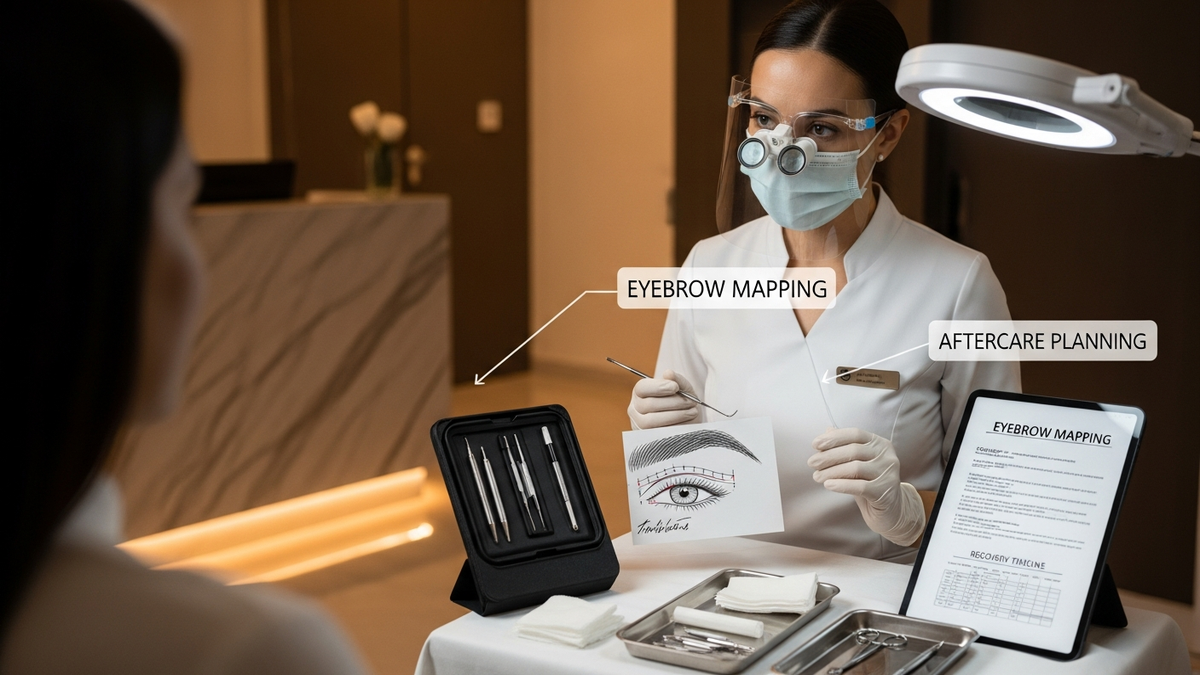
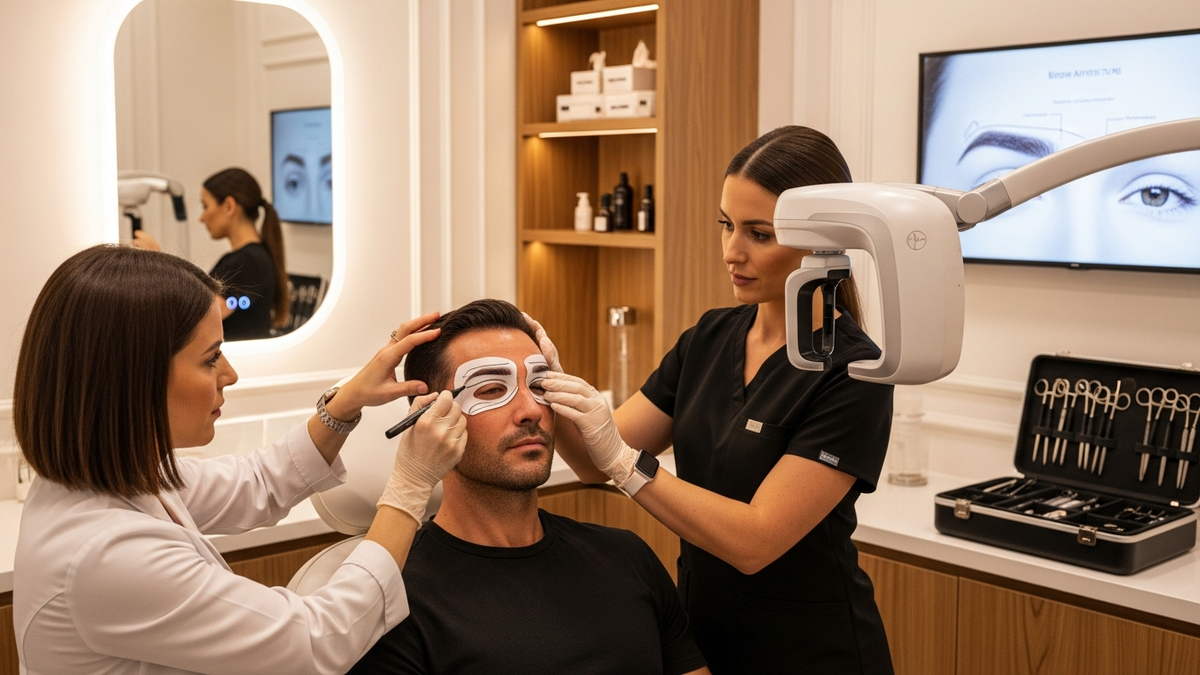
1) Consultation and facial mapping
Your provider will evaluate skin quality, degree of laxity, facial fat distribution, and muscle tone. Accurate “vector” planning—where to lift and how much—is critical for natural-looking results.
2) Preparation and anesthesia
Many thread lift procedures use local anesthesia with or without sedation. The aim is comfort while allowing precise placement.
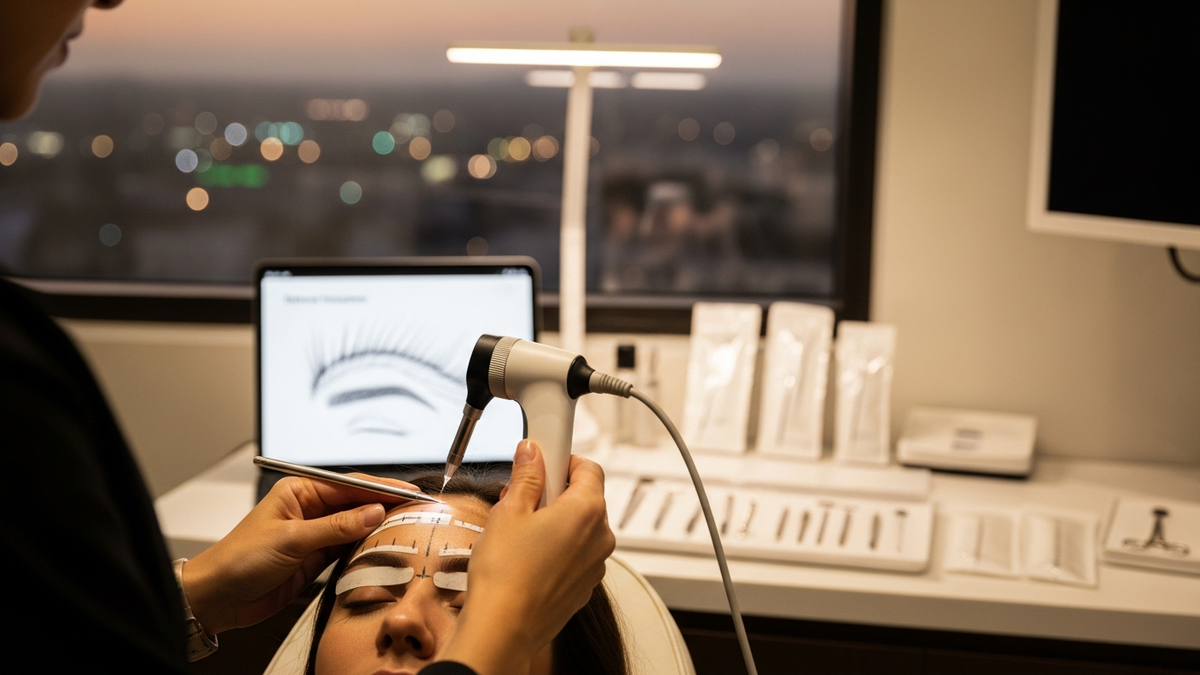
3) Thread insertion
Threads are inserted through small entry points. Depending on the thread type, they may be barbed, smooth, or incorporate specialized designs intended to improve anchoring and support.
4) Lifting, repositioning, and securing
Once positioned, the threads are gently pulled to lift sagging areas. Some designs are secured within tissue; others rely on the thread structure for support.
5) Collagen response (where applicable)
Many thread systems are intended to encourage a collagen response, which can improve skin texture over time. This is one reason results may continue to evolve after the procedure.
Where Can a Thread Facelift Help?
A thread lift may be used to address specific areas of the face and neck, often focusing on mild to moderate aging changes.
Common treatment areas
- Jawline and jowls: Subtle tightening and improved contour
- Lower face: Mild sagging reduction
- Midface: Lift around the cheeks
- Nasolabial area (selected cases): Improved support can soften folds
- Neck (selected cases): Some providers use threads for early skin laxity
Important: Not every patient is a good candidate for a thread lift in every area. A provider should match the plan to your anatomy and goals rather than using a one-size-fits-all approach.
Facelift Using Thread Results: What to Expect
Patients often want to know: Will I look “lifted,” and how natural will it look? With a facelift using thread, results are typically more subtle than a full surgical facelift, with improvement that can unfold over weeks.
Immediate vs. gradual improvement
- Immediate: Some lifting effect may be visible right after placement, though swelling and bruising can temporarily obscure final appearance.
- Gradual: As tissues settle and collagen response occurs (for many thread types), skin quality and contour may continue improving.
How long do thread lifts last?
Longevity varies based on thread type, technique, skin characteristics, and lifestyle factors (e.g., smoking, sun exposure). Many patients report benefits lasting months to a couple of years, with some choosing repeat treatments to maintain results.
Timeline: Recovery and Downtime
Thread lifts are often marketed as having less downtime than surgery, but recovery still matters. Your provider’s post-procedure instructions should guide your schedule.
Typical recovery milestones
- First 24–72 hours: Mild swelling, bruising, tenderness, and tightness may occur.
- Days 3–14: Most visible bruising improves. Some patients notice asymmetry that evens out as swelling resolves.
- Weeks 2–6: Contour continues to refine; skin may look smoother and more supported.
- 1–3 months: Often when the most meaningful aesthetic stabilization is observed.
Actionable tip: Plan for a “soft launch” of your results. Many people schedule thread lifts ahead of events with at least a few weeks of buffer to manage bruising and adjustment time.
Risks and Side Effects of a Thread Facelift
Any procedure involving threads under the skin carries potential risks. A responsible provider will discuss these openly and help you weigh benefits against risks for your specific case.
Common side effects
- Swelling and bruising
- Temporary tenderness
- Small entry-point marks
- Asymmetry during early healing
Potential complications (why technique and selection matter)
- Thread visibility or palpability: Threads may feel or look more noticeable in thin skin.
- Migration or uneven placement: Can affect symmetry and aesthetic outcome.
- Infection or inflammation: Rare but possible.
- Persistent lumps or irregularities: May require evaluation and, in some cases, additional treatment.
- Nerve or vascular injury: Uncommon but serious; underscores the need for highly skilled anatomy-based technique.
Red flag to watch: If a clinic won’t clearly explain thread types, insertion planes, expected outcomes, and the plan for managing complications, that’s a sign to seek a more transparent provider.
Who Is a Good Candidate for Facelift Using Thread?
The best candidates typically want subtle-to-moderate improvement and have skin laxity that can be supported with threads.
Often good candidates
- Mild to moderate sagging
- Early signs of jowling or jawline laxity
- Good skin elasticity (or realistic expectations about skin quality)
- A preference for lower downtime
Situations where a thread lift may be less ideal
- More advanced sagging requiring deeper repositioning
- Significant volume loss or structural imbalance that needs fat grafting or other strategies
- Uncontrolled medical conditions that affect healing
- Smoking or other factors that increase healing risks
In some cases, other surgical options may provide more reliable correction. For example, a full Facelift may be better suited for patients with deeper tissue laxity.
How to Choose a Provider for a Thread Facelift
Choosing the right clinician is one of the biggest determinants of safety and results. Thread placement is technique-sensitive and anatomy-dependent.
What to look for
- Specialized facial expertise: Providers experienced in head and neck anatomy often plan more precisely.
- Before-and-after documentation: Review results across different ages and skin types.
- Clear candidacy criteria: A good provider will say “not for you” when appropriate.
- Transparent discussion of thread types: Ask what type of threads are used and why.
- Complication management plan: Know what happens if issues arise.
Questions to ask at your consultation
- Which areas will you treat, and what is the lifting vector?
- What thread type(s) are planned, and what results are realistic for my anatomy?
- How many thread lift cases have you performed?
- What are the most common side effects I should expect in my case?
- What is your plan if I experience thread visibility, asymmetry, or persistent lumps?
Facelift Using Thread vs. Other Rejuvenation Options
Thread lifts are one tool in the broader facial rejuvenation toolkit. Depending on your needs, you might consider complementary approaches.
Dermal and skin quality treatments
For texture, fine lines, and overall glow, skin-focused treatments may pair well with lifting strategies. Your provider can recommend options based on your skin type and goals.
Volume restoration
Some patients need more than tightening. If underlying volume loss contributes to sagging, volume restoration (e.g., fillers or surgical volume strategies) may be necessary for the most natural look.
When surgery might be a better fit
If you’re comparing a thread lift to a traditional approach, it can help to understand that surgical facelifts may provide more comprehensive correction for moderate-to-severe laxity. If you’re exploring options, you can learn about Facelift planning and goals in a broader surgical context.
Costs and Value: How to Think About Pricing
Thread lift costs vary widely based on provider experience, thread type, and the number of vectors/threads used. Instead of focusing only on the lowest price, evaluate value through safety, individualized planning, and quality of results.
What may affect price
- Thread type and quantity
- Complexity of treatment areas
- Provider expertise and facility standards
- Pre- and post-procedure visits
Actionable tip: Ask whether the quote includes follow-up evaluation and what post-procedure care is recommended. Some complications require prompt assessment.
Preparing for Your Facelift Using Thread
Preparation can improve comfort and outcomes. While your provider’s instructions always take priority, here are common steps patients are often advised to follow.
Pre-procedure checklist
- Share your full medical history, including medications and supplements.
- Follow guidance about stopping blood-thinning agents if advised.
- Plan a ride home if sedation is used.
- Set expectations for bruising/swelling and arrange time off if needed.
- Prepare for gentle skincare and avoid strenuous activity for the recommended period.
Before photos matter
Ask for standardized photos in the same lighting and angles. This helps track progress objectively over time.
Aftercare: How to Support Healing
Great technique is only part of the equation. Aftercare supports healing, reduces the risk of complications, and can help you achieve the most natural result.
General aftercare principles
- Follow wound care and hygiene instructions exactly.
- Use cold compresses if recommended to reduce swelling.
- Avoid rubbing or aggressive massage unless your provider specifically instructs it.
- Limit intense exercise and heat exposure during the early healing phase.
- Attend all follow-up visits to monitor thread positioning and tissue response.
Actionable tip: If you notice increasing pain, redness, fever, or rapid swelling, contact your provider promptly. Early evaluation can prevent minor issues from becoming bigger problems.
Natural-Looking Results: The “Less Is More” Approach
One of the most common concerns about any lifting procedure is the fear of looking “overdone.” A skilled clinician aims for harmony—supporting tissues while preserving your natural facial proportions.
What natural results often require
- Appropriate patient selection
- Conservative thread placement tailored to your anatomy
- Realistic expectations about degree and duration of lifting
- Attention to skin quality and overall facial balance
When you choose a provider committed to patient education and natural outcomes, you’re more likely to enjoy a result that looks like you—just refreshed.
Related Facial Procedures: When a Different Approach Makes Sense
Facial rejuvenation isn’t one-size-fits-all. Some people seeking a younger appearance also explore adjacent procedures to address other features that impact overall harmony.
Examples of complementary options
- Blepharoplasty: If under-eye heaviness affects overall tiredness, you may consider Blepharoplasty.
- Rhinoplasty: Nasal shape can influence facial balance; learn about Rhinoplasty.
FAQ: Facelift Using Thread
1) Is a facelift using thread painful?
Most thread lift procedures use local anesthesia (often with sedation). You may feel pressure during placement, but discomfort is typically managed. Your provider will discuss what you can expect and how pain is controlled.
2) How soon will I see results?
Some lifting effect can be visible right away, but swelling and bruising can affect your appearance. Many patients notice more meaningful stabilization over several weeks as tissues settle.
3) What are the most common side effects?
Swelling, bruising, tenderness, and small entry-point marks are common. Temporary asymmetry can also occur early in healing.
4) How long do thread lifts last compared with a surgical facelift?
Thread lifts generally provide a shorter-to-moderate duration of improvement, depending on thread type and your skin and tissue response. A surgical facelift can offer more comprehensive correction with longer-lasting results for many patients.
5) Who should avoid thread lifts?
Candidacy varies. People with certain health conditions, poor healing potential, or advanced laxity may be advised toward different treatments. A qualified provider should evaluate your anatomy and risk factors during consultation.
CTA: Ready to Explore Your Options?
If you’re considering a facelift using thread, the smartest next step is a consultation where your provider can evaluate your facial structure, discuss realistic outcomes, and recommend the safest plan for your goals.
FlowGeniQ Digest encourages you to choose an experienced clinician who prioritizes education and natural-looking results. If you’re also exploring broader facial rejuvenation or head-and-neck cosmetic options, you can use your consultation to compare thread lifts to alternatives like surgical facelifts and other complementary procedures.
Schedule a visit with a qualified facial specialist to discuss candidacy, thread type options, and an individualized timeline for your best result.
Professional Disclaimer
This content is provided for general educational purposes only by FlowGeniQ Digest. It is not a substitute for professional advice, diagnosis, or treatment. Readers are advised to consult qualified professionals for personalized recommendations.
Medical Information Disclaimer
This content is provided for general educational purposes only by FlowGeniQ Digest. It is not a substitute for professional advice, diagnosis, or treatment. Readers are advised to consult qualified professionals for personalized recommendations.