Published for FlowGeniQ Digest
Eyebrow Transplant Los Angeles: Fuller, Natural-Looking Brows—Without Guesswork
If you’re searching for eyebrow transplant los angeles, you’re likely looking for more than “more hair.” You want brows that match your facial features, your skin tone, and—most importantly—your natural brow direction and density. In Los Angeles, where image and confidence often feel closely linked, eyebrow restoration has become a sought-after option for people dealing with eyebrow thinning or loss due to aging, overplucking, trauma, or medical conditions.
In this premium, evidence-informed guide, we’ll walk through how eyebrow transplants work, who may be a good candidate, what results you can realistically expect, and how to choose a qualified facial plastic surgeon or hair restoration specialist. We’ll also share practical questions to ask during your consultation so you can make a confident, well-informed decision.
Why Eyebrows Matter More Than You Think
Eyebrows frame the eyes and strongly influence how your face reads at first glance. Even subtle changes in eyebrow shape, symmetry, or thickness can affect perceived expression—sometimes making someone look more tired, less approachable, or simply “off,” even when they don’t know why.
That’s why eyebrow transplantation is often described as a facial harmony procedure. The goal isn’t just to add hair; it’s to recreate eyebrows that look intentional and natural.
Common Reasons People Seek an Eyebrow Transplant
Eyebrow loss or thinning can come from many sources. Understanding your cause helps your surgeon plan the right approach and set realistic expectations.
- Overplucking or poor shaping over years
- Aging and gradual thinning
- Genetic factors and hormonal changes
- Medical conditions that affect hair growth
- Scarring from injury, burns, or certain dermatologic treatments
- Post-treatment hair loss (for example, after systemic therapies)
Because eyebrows are a focal point on the face, careful planning is essential. A skilled cosmetic surgeon (and a team that understands facial aesthetics) can help ensure the transplant respects your unique anatomy and brow architecture.
What Is an Eyebrow Transplant?
An eyebrow transplant (often referred to as eyebrow hair restoration) is a procedure that moves hair follicles to areas where eyebrow hair is thin or absent. The result should look like natural brow growth—both in density and in hair direction.
In many cases, the procedure uses hair from the scalp (the donor area). Your surgeon then carefully designs the eyebrow shape, angle, and density before placing grafts to mimic natural brow patterns.
Eyebrow Transplant Techniques: What to Know Before You Choose
Not all eyebrow transplants are planned or performed the same way. The technique matters, but so does the surgeon’s aesthetic strategy.
Follicle extraction and graft placement
Most modern eyebrow restoration uses advanced follicle harvesting methods (commonly variations of FUE). Regardless of the extraction method, what ultimately drives natural results is how grafts are placed:
- Hair direction (matching how your existing brow hair grows)
- Hair angle (affecting how “real” the new brows look)
- Density mapping (avoiding an overly uniform or “filled-in” look)
- Micro-incision placement (influencing healing and final appearance)
Scalp vs. other donor options
For many patients, scalp hair is the most practical donor source. However, your surgeon should evaluate your hair characteristics—such as thickness, curl, and texture—because these factors influence how well the transplanted hair blends with your native brows.
In some cases, additional strategies may be discussed for scarred areas or for patients with limited donor availability.
Eyebrow Transplant Los Angeles: What Makes LA Care Different?
Los Angeles is home to a wide range of cosmetic and reconstructive expertise. When searching for eyebrow transplant los angeles, it helps to look for a practice that understands the unique demands of facial aesthetics—especially around the eyes.
At Hootan Zandifar, MD, FACS, the focus is on head and neck cosmetic and reconstructive surgery. That specialization matters because the brow area is not isolated—it interacts with the eyelids, forehead, and overall facial proportions. A surgeon trained in facial anatomy and aesthetics can plan brow restoration as part of a broader harmony approach.
Dr. Zandifar is double board certified and fellowship trained, with a patient-centered, education-first philosophy. If you’re exploring eyebrow restoration, this kind of approach can be especially valuable: you want clarity about what’s possible, what’s not, and how to maximize natural results.
Who Is a Good Candidate for Eyebrow Transplantation?
Many people with eyebrow thinning or loss are candidates for restoration. However, the best approach depends on your health, your brow pattern, and your donor hair.
Potential candidates often include people with:
- Thinning or patchy brows from aging, overplucking, or genetic factors
- Partial eyebrow loss where you still have some natural brow hairs to guide design
- Scarring or irregular brow areas (case-by-case evaluation is critical)
- Realistic expectations about density, timeline, and healing
When you may need a different plan
Some patients may need alternative or adjunctive options depending on the cause of hair loss, skin condition, or overall health. A thorough consultation should include a medical history review and an assessment of the donor area.
For example, if you’re considering facial procedures alongside brow restoration, it’s important to plan sequencing. Some patients may also be exploring other head-and-neck rejuvenation options such as eyelid or brow-area procedures.
Before Your Consultation: What to Prepare
To get the most useful answers from your appointment, come prepared. A great surgeon will evaluate your brows in detail, but you can help by documenting your history.
Bring or note:
- Photos of your brows over time (if available)
- A list of any medical conditions affecting hair growth
- Details about trauma, burns, or prior procedures
- Any history of skin treatments or dermatologic therapies
- Current medications and supplements
- Your goals: fuller tail? better arch? improved symmetry?
Also, be ready to discuss your preferences about naturalness. Many patients want “no one can tell” results—others prefer a slightly more defined brow. Your surgeon should understand which direction you want to go.
The Eyebrow Transplant Procedure: What to Expect
While every practice has its own protocol, eyebrow transplantation typically follows a structured workflow. Here’s what you can generally expect.
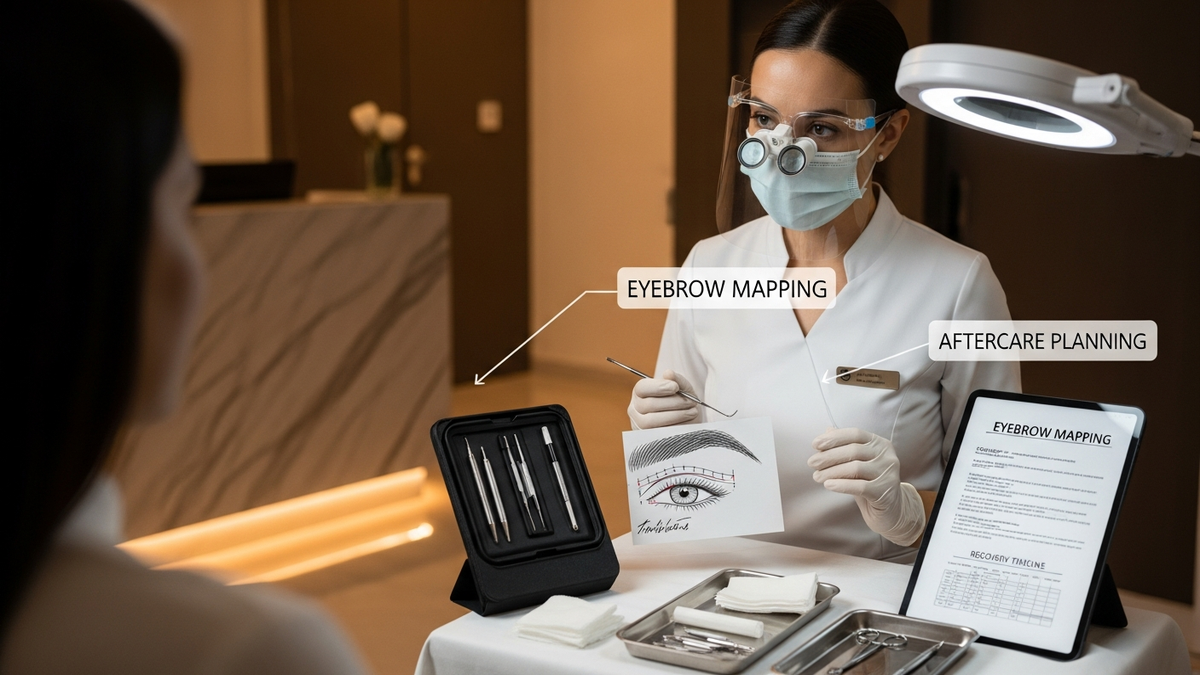
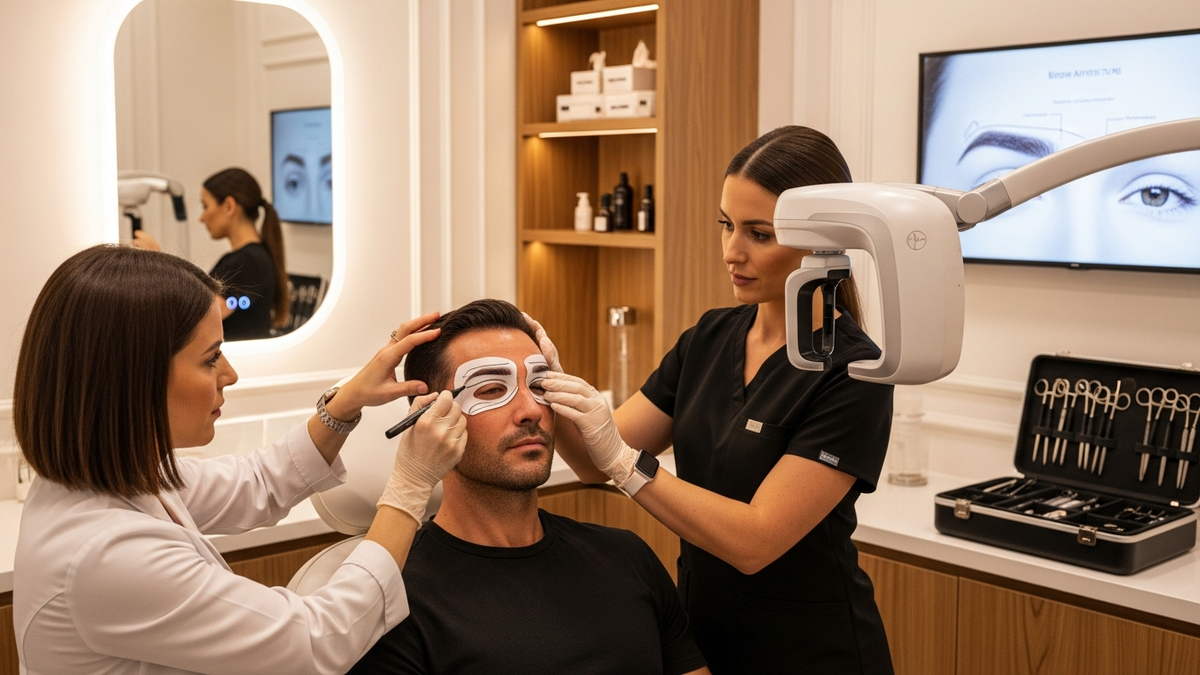
1) Design and mapping
Your surgeon will assess facial features and brow anatomy to map out the desired shape. This includes:
- Determining where the brow should start, arch, and taper
- Planning density so the result looks natural in motion and different lighting
- Matching hair direction so transplanted hairs mimic growth patterns
2) Harvesting donor follicles
Hair follicles are extracted from an appropriate donor area (commonly the scalp). The donor hairs are then prepared for placement.
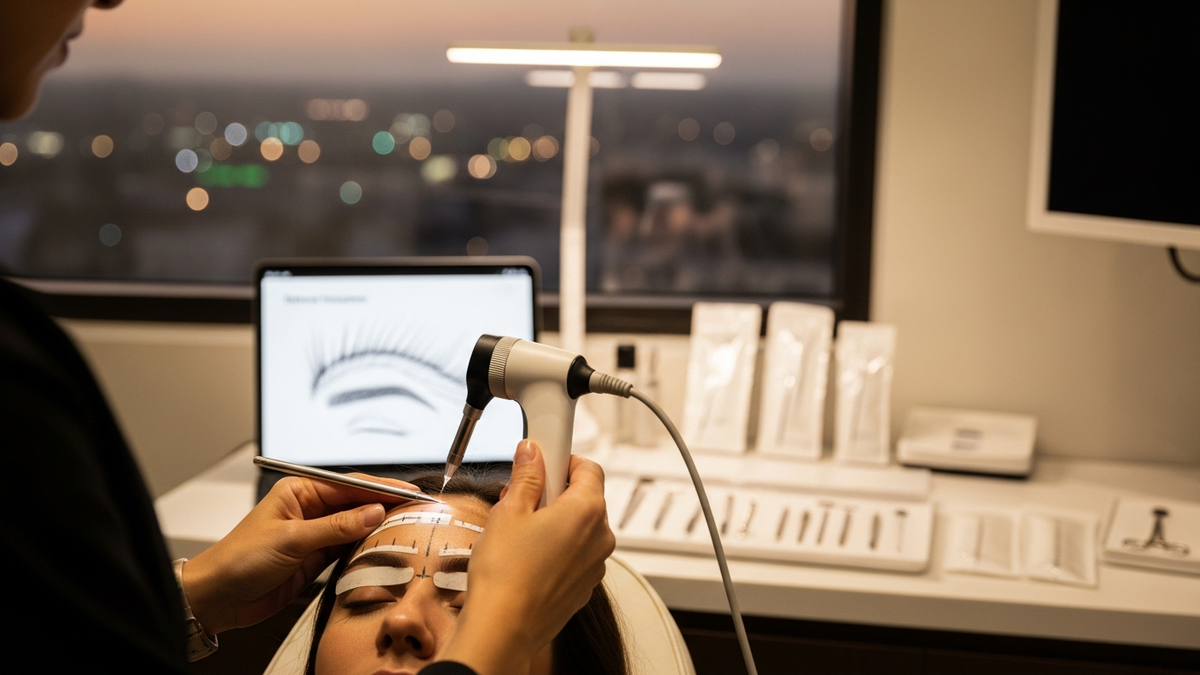
3) Graft placement
Through careful micro-incisions, grafts are placed to recreate the eyebrow pattern. This step demands precision: the angle and orientation of each graft have a major effect on the way the brow looks after healing.
4) Recovery and follow-up
After surgery, you’ll receive aftercare instructions. Swelling, redness, or mild discomfort may occur. Your team should schedule follow-ups so they can monitor healing and address any concerns quickly.
Timeline: When Will Your Eyebrows Look Better?
Eyebrow restoration is not an overnight transformation. Hair growth occurs in stages, and the final outcome depends on how your follicles respond.
Typical growth phases
- First 1–2 weeks: healing phase; scabs may form and shed
- Weeks 2–8: transplanted hairs may shed temporarily (a normal part of the cycle)
- Months 3–4: early regrowth may begin
- Months 6–9: noticeable improvement in density and appearance
- Months 9–12+: final maturation and best assessment of results
Your surgeon should explain the expected timeline and provide guidance on what to avoid during healing.
How to Choose a Surgeon for Eyebrow Transplant Los Angeles
Choosing the right provider is the most important step in achieving natural results. When searching for eyebrow transplant los angeles, prioritize expertise, artistic planning, and transparent patient communication.
Here are the questions that matter most
- Do you specialize in head-and-neck facial aesthetics? Eyebrow restoration isn’t just “hair placement”—it’s facial design.
- How do you map the brow? Ask about hair direction, symmetry, and density planning.
- What does “natural” mean in your results? Request examples that match your brow type (thin, patchy, scarred, etc.).
- What extraction and placement approach do you use? You want a technique that preserves graft quality and supports natural growth.
- How do you handle scarred or irregular areas? Case-by-case planning is essential.
- What is the expected timeline? A reputable surgeon sets realistic expectations and explains shedding/regrowth.
- Will you personally perform the procedure? Confirm who performs each step.
- What aftercare and follow-up are included? Recovery support is part of quality care.
Look for board certification and relevant training
In facial plastic and reconstructive care, credentials and specialization matter. Dr. Hootan Zandifar is Board Certified and fellowship trained, with a focus on surgeries of the head and neck. That kind of training can be a strong indicator that the provider understands facial anatomy at a high level.
Potential Risks and Side Effects (and How Quality Clinics Reduce Them)
Every surgical procedure carries risk. A trustworthy practice will discuss potential complications and how they mitigate them.
Common concerns
- Temporary swelling or redness
- Scabbing and mild discomfort during early healing
- Temporary shedding as part of the hair growth cycle
- Uneven regrowth (sometimes requires patience or, in select cases, a revision plan)
Less common but important risks
- Infection (rare with proper sterile technique and aftercare)
- Scarring (depends on technique, skin type, and healing)
- Unsatisfactory aesthetic outcome (often linked to planning and graft placement rather than “just hair”)
To reduce risk, choose a provider who performs eyebrow restoration with meticulous technique and follow-up support.
Eyebrow Transplant vs. Other Options
Depending on the cause and extent of your brow loss, you may have alternatives or complementary approaches.
Non-surgical options
Some patients explore topical therapies, makeup-based solutions, or professional brow services. These can be useful for short-term density and shaping, but they typically don’t replace lost follicles.
Surgical options
For true follicle loss, transplant is a direct approach. If you’re comparing surgical options, it can help to understand how eyebrow restoration fits within overall facial rejuvenation.
For example, some patients also explore other facial procedures to optimize their overall look and brow/eye presentation. If you’re already considering eyelid or brow-area changes, you may want to discuss whether your plan should include Blepharoplasty or a brow lift-type solution, depending on your anatomy and goals.
Realistic Expectations: What “Natural” Results Look Like
Natural brows aren’t perfectly symmetrical and they don’t look identical in every photo. A natural result should:
- Match your existing brow direction and curvature
- Blend with your skin and facial features
- Show realistic density gradients (often fuller at the body and tapering toward the tail)
- Look credible in different lighting and at different angles
If you’re hoping for “instant Instagram-level” density, be cautious. Eyebrow transplantation is designed to recreate believable hair patterns over time.
Aftercare Tips That Support Better Healing
Aftercare guidance can significantly influence comfort and healing quality. Follow your surgeon’s instructions closely. While specific protocols vary, these general principles are commonly emphasized:
Do’s
- Keep the area clean as instructed
- Attend all follow-up visits
- Use recommended products (if provided) and avoid unapproved creams
- Avoid rubbing or scratching transplanted areas
- Protect the brow area from excessive sun exposure during early healing
Don’ts
- Don’t apply makeup until your surgeon clears you
- Avoid strenuous exercise if your post-op plan advises it
- Don’t pick scabs—let them shed naturally
If you have questions about medications, wound care, or activity restrictions, ask during your consultation or follow-up.
How Eyebrow Restoration Fits With Other Facial Procedures
Many patients pursue eyebrow transplant as part of a broader facial refinement plan. While eyebrow restoration can be transformative on its own, some people also explore complementary procedures depending on their anatomy.
When eyelids and brow position matter
Sometimes, eyebrow loss or thinning changes how the eyes appear. In other cases, eyelid or brow positioning may contribute to your overall look. If you’re considering eyelid surgery, you may want to review Blepharoplasty options with your surgeon to understand whether it complements your eyebrow goals.
When broader rejuvenation is on the table
For patients exploring comprehensive rejuvenation, a discussion about procedures such as a Facelift may be relevant—especially if skin laxity and facial aging contribute to the look you’re trying to improve.
Why head-and-neck specialization can help
Because eyebrow aesthetics interact with surrounding structures, a provider who focuses on head and neck surgery can better anticipate how your plan affects your overall facial harmony.
Eyebrow Transplant and Hair Restoration: Related Services
Some patients looking for eyebrow restoration also experience scalp hair loss or are planning additional hair restoration. If you’re exploring both, it can help to understand related options.
For scalp hair restoration services, you can review a hair transplant approach designed for different hair loss patterns.
If your main goal is specifically eyebrow restoration, you may also find it useful to review eyebrow transplant details directly through a provider’s dedicated service page.
FAQ: Eyebrow Transplant Los Angeles
How long does it take to see results after an eyebrow transplant?
Most patients notice early changes around 3–4 months as regrowth begins. Significant improvement typically occurs between 6–9 months, with the best assessment often at 9–12 months (or longer) as hair matures.
Will my transplanted eyebrow hair look natural?
When performed with careful mapping of shape, hair direction, and density, results are designed to look natural and blend with your facial features. Your provider’s aesthetic planning and technical precision are key.
Is eyebrow transplant painful?
Most procedures are performed with anesthesia and are managed for comfort. You may experience mild discomfort during the early healing period. Your surgeon should provide specific guidance on pain management and recovery.
What causes eyebrow thinning after a transplant?
Transplanted follicles generally should not “thin” in a predictable way, but results can vary. Temporary shedding can happen as part of the hair growth cycle. If you have an underlying condition affecting hair growth, your surgeon should address it during consultation.
How do I choose between clinics in Los Angeles?
Compare credentials, before-and-after examples that match your brow pattern, and how each provider explains brow mapping and graft placement. Ask who performs the procedure, what aftercare is included, and how they handle scarred or irregular areas.
CTA: Schedule a Consultation for Eyebrow Transplant Planning in Los Angeles
Choosing an eyebrow transplant is a personal decision—one that benefits from expert evaluation and a plan designed around your facial anatomy. If you’re considering eyebrow transplant los angeles options, start by booking a consultation with a provider who specializes in head-and-neck facial aesthetics and prioritizes patient education.
Next step: Schedule an in-person or virtual consultation to discuss your goals, review your donor hair characteristics, and receive a clear plan for shape, density, and timeline.
Professional Disclaimer
This content is provided for general educational purposes only by FlowGeniQ Digest. It is not a substitute for professional advice, diagnosis, or treatment. Readers are advised to consult qualified professionals for personalized recommendations.
Medical Information Disclaimer
This content is provided for general educational purposes only by FlowGeniQ Digest. It is not a substitute for professional advice, diagnosis, or treatment. Readers are advised to consult qualified professionals for personalized recommendations.