FlowGeniQ Digest brings you a clear, evidence-aware overview of what people typically mean when they search for a facelift using thread—often called a thread lift. If you’re comparing options for a more refreshed, lifted look without a full surgical facelift, this guide will help you understand the technique, realistic outcomes, and how to choose a qualified provider.
What Is a Facelift Using Thread?
A facelift using thread is a minimally invasive cosmetic procedure that uses medical-grade threads placed under the skin to provide temporary lifting and—depending on the type—may stimulate collagen remodeling over time. In practice, people use the term “thread facelift” to describe a range of thread-based skin tightening and mild lifting techniques for the face and sometimes the neck.
Unlike a traditional surgical Facelift, which repositions deeper facial tissues and removes excess skin, thread lifts primarily focus on mechanical lifting and biostimulation (collagen support). The goal is usually a natural-looking improvement rather than dramatic transformation.
How Thread Lifts Work (Step-by-Step)
While specific protocols vary by technique and provider, most thread lift procedures follow a similar workflow:
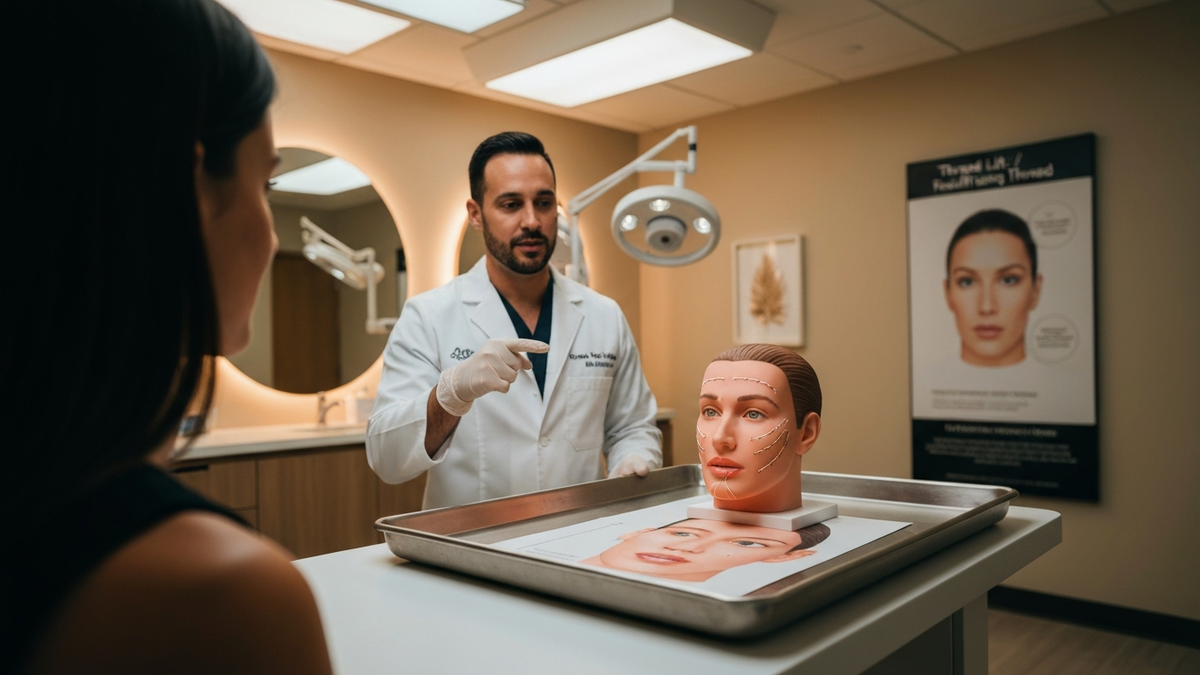
- Assessment and mapping: Your clinician evaluates facial laxity, skin quality, and the areas you want to lift (e.g., jawline, cheeks, nasolabial area). They also map entry points and the direction of lift.
- Preparation: The treatment area is cleansed, and local anesthesia (sometimes with sedation depending on the plan) is used to improve comfort.
- Thread placement: Threads are inserted through small entry points using a needle or cannula. The clinician positions the threads in targeted layers to achieve lift and support.
- Adjustment and anchoring: Threads may be tightened, secured, or positioned so the skin is lifted into a more youthful position.
- Final shaping: The clinician checks symmetry, ensures appropriate tension, and provides post-procedure instructions.
Thread Types: Why It Matters for Results
Not all threads are the same. The type of thread influences how it lifts and how it interacts with tissue. Common categories include:
- Barbed threads: Designed to catch and hold tissue for lifting. Often used for mild-to-moderate sagging.
- Cog/knotted or sculpting threads: Aim to reshape and support specific contour lines.
- Smooth threads: Commonly used for collagen stimulation and subtle tightening.
Your best outcome depends on matching the thread type to your anatomy and goals—not on using a “one-size-fits-all” approach.
Facelift Using Thread vs. Traditional Facelift
People often compare a facelift using thread to a surgical facelift because both aim for lifting. Here’s a practical comparison:
Expected Lift and Longevity
- Thread lift: Typically provides subtle-to-moderate improvement and may last longer when collagen remodeling occurs, but results are generally not as long-lasting or comprehensive as surgery.
- Surgical facelift: More likely to address significant sagging, deeper tissue changes, and excess skin with longer-term structural correction.
Invasiveness and Downtime
- Thread lift: Minimally invasive with smaller entry points; many patients return to normal activities relatively quickly, though bruising or swelling can occur.
- Surgical facelift: More invasive with a longer recovery period, but often more dramatic and durable results.
Risk Profile
- Thread lift: Risks can include bruising, swelling, asymmetry, thread visibility, and—rarely—more serious complications related to placement.
- Surgical facelift: Risks include bleeding, infection, scarring, nerve-related issues, and anesthesia risks.
Key takeaway: A thread lift can be an excellent option for the right candidate, but it’s not designed to replicate the full tissue repositioning of a surgical facelift.
Who Is a Good Candidate for a Facelift Using Thread?
Thread lifts are often considered when someone has early to moderate signs of aging—especially mild-to-moderate skin laxity—without substantial excess skin. Ideal candidates usually have:
- Good skin elasticity: Skin quality matters for how smoothly the lift settles.
- Targeted concerns: For example, mild jowling, cheek descent, or jawline definition.
- Realistic expectations: You should anticipate enhancement, not a complete “reset.”
- Stable health: Conditions that affect healing or clotting may require special planning or alternative options.
When a Thread Lift May Not Be Enough
Depending on anatomy, a facelift using thread may be less appropriate if you have:
- Significant skin laxity or excess skin that requires removal.
- Pronounced jowls and deep structural changes.
- Thin skin where thread visibility is more likely.
- Unfavorable fat distribution that needs contouring or surgical repositioning.
In these cases, a surgeon may recommend a different approach—sometimes combining techniques or considering surgical options. For example, facial plastic providers who specialize in head and neck aesthetics often use a tailored plan that may include other rejuvenation procedures alongside or instead of threads.
Procedure Areas: Where Thread Lifts Commonly Help
Thread lifts are typically used in areas where subtle contour changes create a noticeable difference:
- Jawline: Improving mild sagging and enhancing definition.
- Cheeks: Lifting the midface for a refreshed look.
- Nasolabial area: Sometimes used to support the area indirectly when laxity contributes to folds.
- Neck (selected cases): Some patients benefit when laxity is mild; a neck lift may be more appropriate for significant changes.
What Results Can You Expect?
Results vary by technique, thread type, and individual healing. Generally, many people notice:
- Immediate lift: Some tightening may be visible soon after the procedure.
- Settling period: Swelling and bruising can temporarily obscure final results.
- Gradual improvement: Over weeks to months, collagen remodeling and tissue adaptation may enhance the overall effect.
Natural-Looking Outcomes: A Matter of Technique
A high-quality thread lift should aim for balanced tension and appropriate vectoring (the direction of lift). Over-tensioning can increase the risk of unnatural contouring or visible threads. This is why choosing an experienced clinician who performs these procedures regularly is crucial.
Recovery and Aftercare for a Facelift Using Thread
Thread lift recovery is often shorter than surgical facelift recovery, but it’s still important to follow aftercare instructions carefully.
Common Short-Term Effects
- Swelling and bruising around entry points
- Soreness or mild tenderness
- Small lumps along thread pathways (often temporary)
- Asymmetry during healing that typically improves as swelling resolves
Practical Aftercare Recommendations
- Follow activity guidelines: Avoid heavy exercise and facial massage unless your clinician specifically approves it.
- Sleep positioning: Many patients are advised to sleep with the head elevated for comfort.
- Skincare and sun protection: Protect healing skin from sun exposure to reduce irritation and discoloration.
- Attend follow-ups: Early review helps ensure threads are settling as expected.
If you notice severe pain, rapidly worsening swelling, fever, or any concerning changes, contact your provider promptly.
Risks and Side Effects: What to Know Before You Commit
Any cosmetic procedure has potential risks. With a facelift using thread, common side effects are usually temporary, but serious complications—though uncommon—can occur.
Potential Risks
- Bruising and swelling
- Thread visibility or palpable thread lines
- Asymmetry or uneven lift
- Infection (rare)
- Persistent dimpling or texture changes
- Nerve or vascular complications (rare; technique and anatomy matter)
How to Reduce Risk
You can’t eliminate risk entirely, but you can lower it by:
- Choosing a clinician with documented experience in thread lifting.
- Ensuring they discuss your specific anatomy and thread plan.
- Reviewing your medical history, medications, and healing factors.
- Asking what they do if revision is needed.
Questions to Ask Your Provider (Checklist)
Before scheduling, bring a list of questions. Here are high-yield prompts that help you evaluate expertise:
- Which thread type(s) are you recommending for my concerns, and why?
- How many thread lift procedures do you perform each month?
- What is your approach to vectors and tension to keep results natural?
- What results are typical for someone with my degree of laxity?
- What are the most common complications you see, and how are they treated?
- What does revision look like if I’m not satisfied?
- What is the expected timeline for swelling resolution and final appearance?
- How do you handle patients who may be better served by a surgical facelift?
Facelift Using Thread in Los Angeles: Why Local Expertise Can Matter
Los Angeles patients often consider thread lifts because they can align with busy schedules and offer an appealing balance of improvement and downtime. Still, the most important factor isn’t the city—it’s the clinician’s skill and patient selection.
Providers who specialize in facial aesthetics and head-and-neck anatomy may bring a deeper understanding of facial structure and tissue planes. For example, at practices focused exclusively on head and neck procedures, the consultation process often emphasizes education and natural-looking outcomes—principles that are especially important when discussing minimally invasive options like threads.
How Thread Lifts Fit Into a Broader Anti-Aging Plan
A facelift using thread can be one element of a personalized rejuvenation strategy. Depending on your skin quality and aging pattern, your clinician may recommend complementary treatments such as:
- Skin tightening and texture treatments (e.g., energy-based therapies)
- Targeted volume support (when appropriate)
- Other facial procedures to address contour changes
The best plans are layered thoughtfully—so each intervention supports the others rather than competing for attention.
When Other Procedures May Be Relevant
Not every patient’s aging concerns are limited to skin laxity. Some may also have issues in adjacent facial areas that affect overall harmony. While these aren’t thread lift alternatives, they illustrate how a comprehensive facial evaluation can guide decisions. For instance, some patients explore:
- Blepharoplasty for eyelid rejuvenation (often discussed alongside midface changes): Blepharoplasty
- Brow lift concepts when upper face support is needed
- Rhinoplasty when nasal function and aesthetics are both concerns: Rhinoplasty
Similarly, some patients with functional nasal obstruction consider breathing-focused procedures such as Septoplasty—including those with a Deviated Septum. The point is not to redirect your thread lift decision, but to highlight that reputable facial specialists often evaluate the whole head and neck for both appearance and function.
Facelift Using Thread: Cost, Value, and Planning
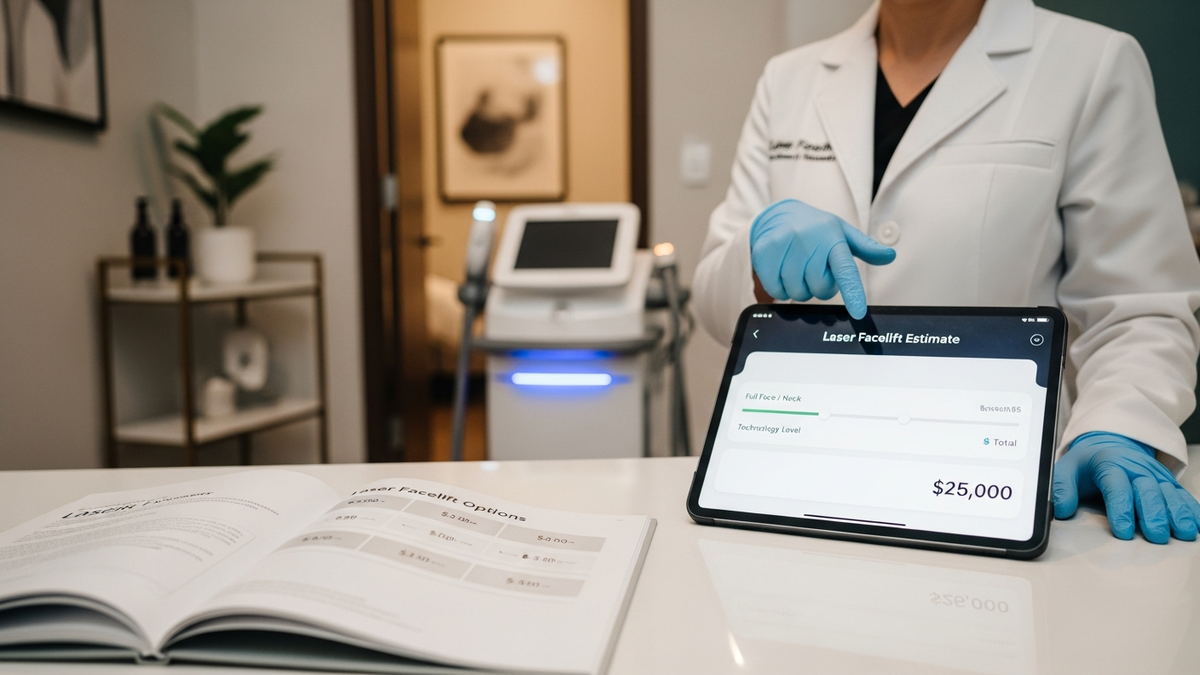
Cost can vary widely based on thread type, number of threads, treated areas, and provider expertise. Instead of focusing only on price, consider value factors:
- Quality of assessment and individualized plan
- Appropriate thread selection for your anatomy
- Experience and safety track record
- Clear aftercare and follow-up support
If you’re comparing options, ask about what’s included (consultation, procedure, follow-ups, and any necessary touch-ups).
Realistic Expectations: What “Thread Lift Results” Really Mean
When people search for a facelift using thread, they’re often hoping for a youthful look that still feels like them. That’s a healthy goal. The most realistic expectations are:
- Subtle lift that improves facial contour and tiredness
- Enhanced definition along the jawline or cheek area
- Collagen-related improvement over time (varies by person)
If your aging pattern is more advanced, a thread lift may still play a role—but it may not be the primary solution. A knowledgeable provider should be willing to say when surgery or alternative approaches would better match your goals.
How to Choose a Provider: Red Flags and Green Flags
Choosing the right clinician can be the difference between a natural improvement and an outcome that requires correction.
Green Flags
- They perform thorough facial assessment and explain the plan clearly.
- They discuss risks honestly, including what happens if revision is needed.
- They show before-and-after results from similar patients.
- They emphasize natural vectors and appropriate tension.
Red Flags
- They guarantee specific outcomes or promise “no downtime.”
- They recommend the same thread type for everyone.
- They minimize risks or discourage questions.
- They don’t provide a clear follow-up and complication plan.
Related Topics Readers Often Explore
Many people researching facial rejuvenation also look into other aesthetic and reconstructive options. For example:
- If you’re exploring hair restoration as part of a refreshed overall appearance, you may consider a hair transplant.
- If eyebrow fullness is part of your facial harmony goals, an eyebrow transplant may be discussed in the context of facial balance.
FAQ: Facelift Using Thread
How long does a facelift using thread last?
Longevity varies by thread type, treated areas, and individual healing. Many patients experience improvement that evolves over weeks and months, with duration that is typically shorter than a surgical facelift. Your provider can estimate a more personalized timeframe after assessing your skin laxity and goals.
Will a thread lift look natural?
When performed with appropriate thread selection, vectoring, and tension, thread lifts are designed to look subtle and natural. Choosing an experienced clinician and matching the technique to your anatomy are key factors in achieving a balanced result.
What is the recovery time after a thread facelift?
Most people can return to everyday activities relatively quickly, though bruising, swelling, and tenderness are common. Final results typically become clearer as swelling settles and tissues adapt over the following weeks.
Are there any risks or complications?
Yes. Common side effects include bruising and swelling. More uncommon risks include thread visibility, asymmetry, infection, and rare complications related to placement. A qualified provider should review these risks and outline what to do if complications occur.
Am I better off with a surgical facelift?
If you have significant skin laxity, excess skin, or deeper structural changes, a surgical facelift may provide more comprehensive and longer-lasting correction. A reputable provider will help you decide based on your anatomy and expectations—not just convenience.
CTA: Schedule a Consultation for Personalized Thread Lift Guidance
If you’re considering a facelift using thread, the most important next step is a consultation where your clinician evaluates your facial structure, skin quality, and realistic goals. At FlowGeniQ Digest, we aim to help you arrive informed—so your decision is grounded in clarity, safety, and the right technique for you.
Ready to explore your options? Book a consultation with a qualified facial aesthetics professional to discuss candidacy, thread type recommendations, and a personalized plan.
Professional Disclaimer
This content is provided for general educational purposes only by FlowGeniQ Digest. It is not a substitute for professional advice, diagnosis, or treatment. Readers are advised to consult qualified professionals for personalized recommendations.
Medical Information Disclaimer
This content is provided for general educational purposes only by FlowGeniQ Digest. It is not a substitute for professional advice, diagnosis, or treatment. Readers are advised to consult qualified professionals for personalized recommendations.