FlowGeniQ Digest brings you a clear, research-informed overview of the facelift—one of the most requested facial rejuvenation procedures for addressing sagging skin in the lower face and neck. If you’re exploring surgical options in Los Angeles, this guide will help you understand how a facelift works, who it’s for, what recovery can look like, and how to set realistic expectations for natural-looking results.
What Is a Facelift?
A facelift is a cosmetic procedure designed to lift and tighten facial skin and underlying tissues. By repositioning sagging structures—rather than simply “pulling skin”—a well-planned facelift can improve the appearance of the mid-to-lower face and neck. Many patients seek a facelift to address age-related changes such as:
- Jowls and sagging along the jawline
- Deepened nasolabial folds (often in combination with other strategies)
- Loose skin in the neck
- Loss of facial definition as the face ages
Facelift vs. Other Facial Rejuvenation Options
People often arrive at the facelift conversation after trying (or considering) non-surgical treatments, or after noticing that skin laxity has progressed beyond what fillers and energy-based therapies can reliably correct.
When a facelift may be the right next step
Most candidates are dealing with structural aging—where the skin and deeper support have loosened over time. If you’re experiencing persistent sagging that doesn’t respond to topical or injectable approaches, a facelift may offer more comprehensive improvement.
When other procedures might complement or replace a facelift
Depending on your goals, your surgeon may recommend a combined approach. For example:
- Neck lift: Often considered when the neck skin shows early or significant laxity.
- Blepharoplasty: For upper eyelid or lower eyelid puffiness/skin excess; eyelid rejuvenation can restore balance to the face. Learn more about Blepharoplasty.
- Brow lift: For forehead heaviness or eyebrow descent.
- Rhinoplasty: For nasal aesthetics or function; in some cases, facial harmony planning includes nose refinement. See Rhinoplasty.
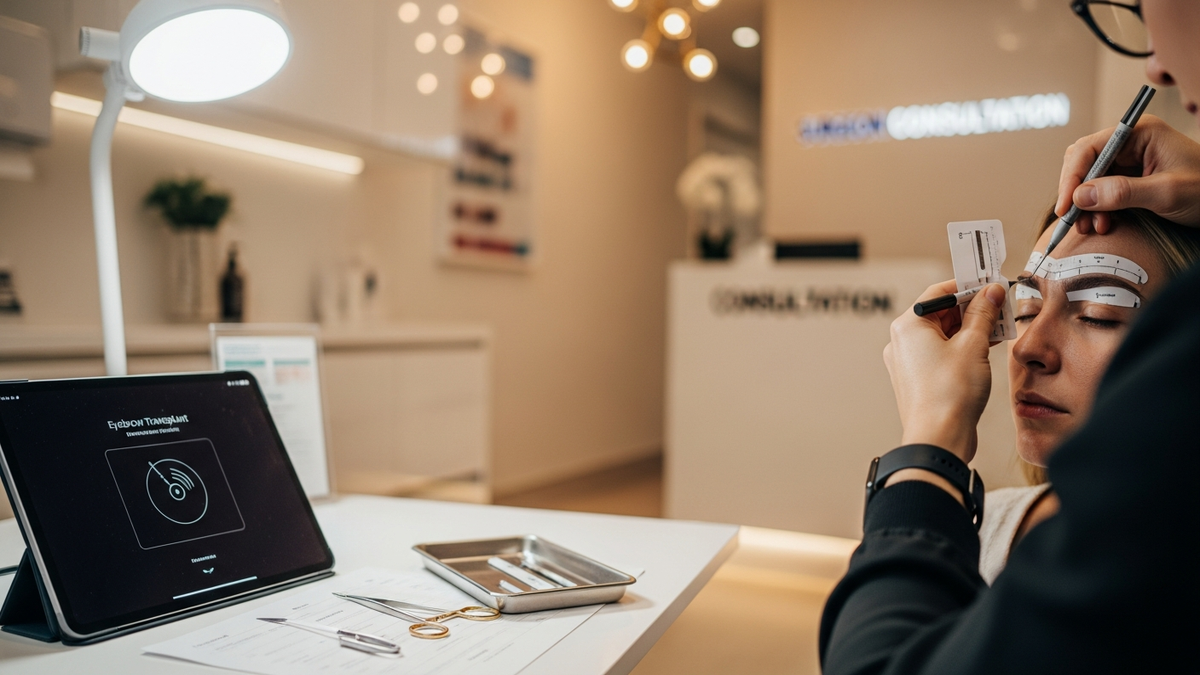
- Hair restoration or eyebrow restoration: When facial framing is affected. For example, an eyebrow transplant may help restore key facial features.
- For hair loss, some patients explore hair transplant options as part of a broader rejuvenation plan.
Types of Facelift Techniques (and Why Your Plan Matters)
Not all facelifts are identical. Technique selection depends on your anatomy, skin quality, degree of laxity, and the areas you want to improve. While your surgeon will tailor the plan after an in-person evaluation, it helps to understand common variations.
Traditional facelift
Typically addresses the lower face and neck with a more comprehensive repositioning of deeper tissues. It’s often considered for moderate to advanced sagging.
Mini facelift
Often discussed for more limited sagging. Some patients may benefit from a shorter incision approach, though candidacy depends on the “vector” of the lift needed and the condition of your tissues.
Deep plane or SMAS-based approaches
Many modern facelift strategies focus on repositioning specific facial layers and supporting structures. “Layer-based” approaches can help achieve natural movement and improved longevity compared with approaches that rely heavily on skin-only tightening.
Actionable recommendation: During your consultation, ask your surgeon to explain which anatomic structures they plan to lift and why—not just where the incisions will be. This conversation often clarifies whether your planned facelift matches your goals and anatomy.
Facelift Candidacy: Who Is a Good Fit?
A facelift is not one-size-fits-all. The best candidates typically have:
- Noticeable sagging in the lower face and/or neck
- Realistic expectations about what surgery can and cannot change
- Good overall health and the ability to follow pre- and post-operative instructions
- Skin quality that can support healing and natural contour changes
Factors that may affect outcomes
- Smoking and nicotine use: can impair circulation and healing.
- Skin thickness and elasticity: influences how well the tissues “hold” after lifting.
- Gravity and facial fat distribution: may require careful planning of the lift vector and any adjunct procedures.
- Prior surgeries or scarring: can change the approach.
Preparing for Your Facelift Consultation
Your first visit is where a high-quality facelift plan begins. A thorough evaluation typically includes facial analysis, discussion of your goals, and review of medical history.
What to bring to your appointment
- A list of medications, supplements, and allergies
- Photos of your face over time (including how you look in different lighting)
- A clear description of what bothers you most (jowls, neck laxity, midface heaviness, etc.)
- Questions about technique, recovery, and expected results
Questions worth asking
- What areas will you lift—jawline, neck, or both?
- What technique best matches my anatomy?
- Will you recommend combining procedures (e.g., blepharoplasty or brow lift)?
- How do you define “natural-looking” results in your practice?
- What does recovery typically look like for someone with my health profile?
What Happens During a Facelift?
While specific details vary by surgeon and technique, a facelift typically involves:
- Marking the planned incision and lift pattern
- Administering anesthesia (commonly general anesthesia or another appropriate option)
- Making incisions along natural lines (often around the ear)
- Repositioning deeper tissues and tightening supportive layers as planned
- Trimming excess skin and re-draping it for a smoother contour
- Closing incisions and applying appropriate dressings
Important: A successful facelift is as much about planning as it is about the surgical steps. The goal is to restore balance and youthful contour—not to create a “pulled” or overly tight look.
Facelift Recovery Timeline: What to Expect
Recovery varies, but most patients experience a predictable range of swelling, bruising, and tightness. Knowing what’s normal can reduce anxiety and help you plan your time.
First 1–2 weeks
- Swelling and bruising are common, especially around the cheeks and jawline.
- You may feel tightness around the incision areas.
- Sleep positioning (often with your head elevated) may be recommended.
- Follow-up visits typically monitor healing and address any concerns.
Weeks 3–6
- Bruising usually fades substantially.
- Swelling continues to improve, though some residual fullness can remain.
- Many patients gradually return to non-strenuous routines.
Months 2–6
- Final contour refinement becomes more apparent.
- Scars continue to mature and soften over time.
- Results typically become clearer as tissues settle.
Actionable recommendation: If you have an important event (wedding, photos, work presentation), plan your surgery with a buffer. Many patients feel “presentable” earlier, but optimal confidence often aligns with later stages of healing.
Managing Swelling, Bruising, and Discomfort
Swelling and bruising are normal after a facelift. Your surgeon may recommend specific steps such as:
- Head elevation during sleep
- Cold compresses or other measures (only as directed)
- Using prescribed medications appropriately
- Avoiding strenuous activity during the initial healing period
- Following incision care instructions precisely
Because every patient’s risk profile differs, it’s essential to follow your surgeon’s individualized post-op plan rather than relying on general timelines alone.
Facelift Results: What “Natural” Really Means
When people ask about results, they often want to know whether a facelift will look like they “had surgery.” The most natural outcomes typically share a few traits:
- Improved jawline and neck contour
- More youthful facial proportions without exaggerated tightness
- Subtle refinement rather than dramatic alteration
- Harmony between the face, eyelids, brows, and—when relevant—nose and hairline
Longevity: How long do results last?
Facelift longevity depends on age, skin quality, sun exposure, lifestyle factors, and the specific technique used. While no procedure can stop aging, a well-executed facelift can meaningfully reset the appearance of sagging and help you look refreshed for years.
Risks and Side Effects (and How to Reduce Them)
All surgical procedures carry potential risks. Discuss these thoroughly with your surgeon. Common concerns after facelift surgery may include:
- Temporary numbness or altered sensation
- Scarring and scar maturation that takes months
- Asymmetry that may improve as swelling resolves
- Swelling that gradually diminishes over time
Serious complications are less common, but you should understand them as part of informed consent. Your surgeon will review individualized risks based on your health history and planned technique.
Actionable recommendation: Reduce risk by being transparent about your medical history, following pre-op instructions (including medication guidance), and avoiding nicotine and unapproved supplements that may affect healing.
Choosing a Facelift Surgeon in Los Angeles
Choosing the right surgeon is one of the most important decisions you’ll make. You want a clinician who is not only technically skilled, but also committed to patient education, realistic planning, and natural aesthetics.
What to look for
- Board certification and specialized training: Look for credentials in facial plastic and reconstructive surgery.
- Experience with facelift technique variation: Different anatomies require different strategies.
- Natural-looking outcomes: Review before-and-after results and ask about the philosophy behind them.
- Communication and transparency: A good surgeon explains tradeoffs, not just benefits.
- Comprehensive approach: Many patients benefit from facial harmony planning (brows, eyelids, neck, and more).
A Los Angeles perspective
In Los Angeles, many patients explore surgical rejuvenation to restore a fresh, youthful appearance and confidence. Dr. Hootan Zandifar is a board-certified facial plastic and reconstructive surgeon who focuses solely on head and neck procedures, combining advanced techniques with a patient education-first approach. His practice emphasizes natural-looking solutions and individualized planning—key elements when discussing a facelift in Beverly Hills and surrounding areas.
If you’re specifically researching options in the area, you can explore more about Facelift services and how consultations are structured.
Facelift and Facial Harmony: Why Eyelids, Brows, and Neck Matter
One reason facelifts can look exceptionally natural is that facial rejuvenation often works as a system. Even if your main concern is lower-face sagging, other areas can influence how youthful you appear overall.
Blepharoplasty and the “frame” of the face
Eyelids can significantly affect perceived age. Excess upper eyelid skin or lower eyelid puffiness can make the face look tired, even when the jawline has improved. Patients who benefit from eyelid rejuvenation may consider Blepharoplasty as part of a balanced plan.
Brow lift for forehead heaviness
When the brows descend, they can create a heavier upper face. A brow lift can restore a more open expression and complement the lift of a facelift.
Neck lift for early neck aging
The neck is a highly visible area, especially in warmer weather. A neck lift may be recommended when sagging neck skin is a primary driver of your aging concerns.
Non-Surgical Support Before and After Your Facelift
While a facelift is a surgical option, many patients use non-surgical strategies to support overall rejuvenation. These may include skincare, sun protection, and energy-based treatments—always coordinated with your surgical timeline.
Actionable recommendation: If you’re using retinoids, vitamin C, or other active skincare products, ask your surgeon when to pause or restart them around surgery. Your post-op skin care plan should be individualized.
Facelift Costs: What Influences Pricing?
Facelift pricing varies widely based on surgical complexity, technique, facility fees, anesthesia, and surgeon experience. Rather than focusing only on the lowest price, consider the value of comprehensive planning and natural aesthetic results.
Common cost components
- Surgeon’s professional fee
- Operating room or surgical facility fees
- Anesthesia fees
- Pre- and post-operative care
- Potential combined procedures (e.g., eyelid or brow surgery)
Actionable recommendation: Request a detailed estimate and ask what’s included. If you’re considering a combination plan, ask whether it can be staged or addressed in one surgical session.
How to Set Realistic Expectations
It’s normal to want a dramatic refresh, but the best outcomes happen when goals are aligned with anatomy. A facelift can lift and tighten tissues to reduce visible sagging, but aging continues—so the goal is to look like a more rested, youthful version of yourself.
Red flags in expectation-setting
- Guarantees of “no swelling” or “instant results”
- Vague answers about technique and tissue repositioning
- Pressure to do “everything” without a clear rationale
Healthy expectation-setting
- Clear explanation of what you can expect at 1 week, 1 month, and 3–6 months
- Discussion of how the surgeon achieves natural movement
- Transparent conversation about risks and scar maturation
Related Head-and-Neck Procedures: When It’s Part of a Bigger Picture
Because a facelift is only one element of head and neck rejuvenation, some patients explore additional procedures for functional or aesthetic goals. For example:
- Functional nasal surgery may help chronic congestion or nasal obstruction. If you’re evaluating nasal breathing concerns such as a Deviated Septum, your surgeon may discuss Septoplasty or related options.
- Ear reshaping procedures can address symmetry or birth-related differences.
- Hair and eyebrow restoration can improve facial framing and overall youthfulness.
For patients who want comprehensive head-and-neck planning, a specialist approach can help ensure that aesthetic goals don’t conflict with functional needs.
FAQ: Facelift Questions People Ask Most
How long does a facelift take?
Procedure length varies by technique and whether additional areas are addressed. Your surgeon will provide an individualized estimate during your consultation after reviewing your anatomy and goals.
Will I have visible scars after a facelift?
Facelift incisions are typically placed along natural lines, often around the ear. Scars usually fade and soften over time, but scar maturation takes months. Your surgeon can explain what you can expect based on your skin type and planned incision pattern.
What is the facelift recovery period like?
Most patients experience swelling and bruising in the first 1–2 weeks. Many return to light activities gradually around weeks 3–6, with continued improvement through months 2–6 as tissues settle and contours refine.
Can a facelift fix jowls and neck sagging?
Yes—when sagging is due to tissue laxity and structural aging, a facelift can lift and tighten the lower face and improve neck contour. Your surgeon may recommend a neck lift component depending on the extent of laxity.
Is a facelift worth it?
For the right candidate, a facelift can be highly rewarding—especially when expectations are aligned with anatomy and the plan is tailored. The best way to determine “worth it” is an in-person consultation that evaluates your goals, health, and tissue characteristics.
Ready to Explore Your Facelift Options?
If you’re considering a facelift and want a thoughtful, education-centered approach, you’re in the right place to start. The key is getting a personalized plan based on your anatomy and goals—not a generic template.
Next step: Schedule an in-person consultation to discuss your concerns, review technique options, and talk through recovery expectations. To learn more about how facelift consultations are approached in the Los Angeles area, visit Facelift.
Professional Disclaimer
This content is provided for general educational purposes only by FlowGeniQ Digest. It is not a substitute for professional advice, diagnosis, or treatment. Readers are advised to consult qualified professionals for personalized recommendations.
Medical Information Disclaimer
This content is provided for general educational purposes only by FlowGeniQ Digest. It is not a substitute for professional advice, diagnosis, or treatment. Readers are advised to consult qualified professionals for personalized recommendations.