Source: FlowGeniQ Digest
Facelift Def Explained: What a Facelift Can (and Can’t) Do for a Younger Look
When people search facelift def, they’re usually trying to translate a medical term into something practical: What is a facelift, what changes can it create, and what should I realistically expect? In plain language, a facelift (often called a face lift) is a cosmetic procedure designed to raise and tighten facial skin and underlying tissues so the face and neck can look more refreshed and youthful.
At FlowGeniQ Digest, we focus on helping you make informed decisions with clear, evidence-based guidance. Below, you’ll find a detailed, patient-friendly breakdown of facelift goals, the areas that commonly improve, recovery realities, and how to choose a qualified specialist—especially when you’re considering treatment in Los Angeles or Beverly Hills.
What Does “Facelift Def” Mean?
The phrase facelift def is shorthand for the definition and meaning of a facelift procedure. In medical terms, a facelift is a cosmetic surgery intended to reduce visible signs of aging—particularly skin laxity (sagging), deepening folds, and neck and jawline changes.
Most facelift procedures aim to improve the lower face and neck by tightening the skin and supporting structures. Many patients pursue a facelift when non-surgical options (like topical skincare, injectables, or energy-based treatments) can’t address sagging or structural changes.
Key takeaway
- A facelift is primarily about lifting and tightening—not “erasing” every wrinkle.
- Results depend heavily on anatomy, technique, and realistic expectations.
What a Facelift Typically Improves
Facelift outcomes vary, but there are common areas surgeons target. Understanding these zones helps you connect your concerns to the right procedure plan.
1) Sagging skin around the cheeks and jawline
As we age, facial tissues descend. A facelift can help reposition tissues and tighten the overlying skin, improving the appearance of the jawline and mid-to-lower face.
2) Neck laxity and “turkey neck” appearance
The neck is one of the first areas to show aging. A facelift can address loose skin and tissue changes in the neck region, often creating a smoother transition from jaw to neck.
3) Jowls and deeper lower-face lines
Some patients notice jowling or pronounced folds. A well-planned facelift may reduce the look of these changes by lifting underlying tissues.
4) Overall facial balance (when planned correctly)
One of the most valuable outcomes isn’t just “you look younger”—it’s that your face looks more balanced and harmonious. That depends on how the surgeon evaluates your facial proportions and aging pattern.
What a Facelift Can’t Do (and Why That Matters)
Part of choosing the right surgery is knowing its limits. A facelift is not a universal solution for every aging concern.
It may not fully correct forehead wrinkles
Forehead lines and frown lines often respond better to a brow lift or other targeted treatments. For example, a brow lift (also known as a forehead lift) can raise the brow and improve forehead wrinkles.
It won’t necessarily fix eyelid issues
Excess upper eyelid skin or under-eye puffiness may be better addressed with Blepharoplasty. If you’re comparing options, you may find it helpful to review Blepharoplasty.
It won’t stop natural aging—only reset visible signs
A facelift can produce a long-lasting improvement, but it doesn’t stop time. Skin quality, sun exposure, genetics, and lifestyle all influence longevity.
It requires the right candidate profile
Best results often come from patients whose main aging concern is laxity (sagging) rather than isolated superficial wrinkles. Your surgeon should evaluate skin thickness, elasticity, and tissue support before recommending surgery.
Facelift Def vs. Other Common Facial Rejuvenation Options
Because aging shows up in multiple ways, many patients benefit from a combination approach. Here’s how a facelift compares to other procedures commonly discussed in facial plastic surgery.
Facelift vs. Neck Lift
A neck lift focuses on tightening the neck skin and improving the jaw-to-neck contour. Some patients need a neck-focused approach; others benefit from a combined face-and-neck strategy.
Facelift vs. Submental Liposuction
If your concern is localized fat under the chin (often called a submental fullness), submental liposuction may be considered. This is different from tightening lax skin. Many plans combine techniques to address both fat and skin laxity.
Facelift vs. Rhinoplasty (different goals)
It’s common for people to explore multiple facial procedures, but a facelift is not the same as nasal surgery. A Rhinoplasty reshapes the nose for aesthetic and/or functional reasons. If your search includes both terms, it’s important to keep the goals separate.
Facelift vs. Eyelid surgery
If your primary concern is tired-looking eyes, eyelid surgery may deliver a more direct improvement than a facelift. Learn more about Blepharoplasty when considering under-eye or upper lid concerns.
Who Is an Ideal Facelift Candidate?
A facelift isn’t only for one age group. Many patients seek surgery when they begin to see sagging and structural changes. The best candidates generally share these traits:
- Noticeable sagging in the lower face and/or neck
- Fair skin laxity that can be improved by lifting and tightening
- Good overall health and realistic expectations
- Willingness to follow pre- and post-op instructions
Common reasons patients consider a facelift
- Jowls or deepening lines near the jaw
- Loose neck skin or a less-defined jaw-neck transition
- Desire for a natural-looking, refreshed appearance
Important: A thorough consultation should also evaluate factors that can affect outcomes, including smoking, skin quality, medical history, and the presence of other aging issues that may require adjunctive procedures.
How a Facelift Is Planned: The Consultation Matters
A high-quality facelift plan begins with assessment. Surgeons evaluate your face in multiple lighting conditions, analyze how tissues have descended, and discuss your goals.
What to expect during your facelift consultation
- Medical history review (including medications and prior surgeries)
- Physical exam of skin, tissue support, and facial proportions
- Discussion of goals and what “younger” means to you
- Review of options (face lift alone vs. combined procedures)
- Expectation setting about scars, recovery, and possible revisions
At Hootan Zandifar, MD, FACS—a board-certified facial plastic and reconstructive surgeon—patients are supported by a commitment to education and natural-looking results. Dr. Zandifar focuses on head and neck surgery, which allows for specialized expertise in facial aging patterns and aesthetic refinement.
If you’re exploring other head-and-neck procedures as part of your overall plan, it’s helpful to know that specialists often tailor each option to functional and aesthetic goals. For example, nasal breathing issues may be treated with procedures such as Septoplasty when a Deviated Septum contributes to obstruction.
Facelift Techniques: What “Natural-Looking” Typically Means
Different facelift techniques exist, and your surgeon selects an approach based on your anatomy and desired outcome. While you don’t need to memorize surgical steps, you should understand the principles behind natural results.
Principles of natural facelift outcomes
- Tissue repositioning to restore supportive structure
- Skin redraping that avoids overly tight or unnatural tension
- Attention to facial harmony (not just one area)
- Scar planning for discreet placement and healing
Natural-looking results often reflect meticulous planning and an eye for proportion. That’s why choosing a surgeon with facial plastic specialization and a patient-centered approach is so important.
Recovery After a Facelift: Timelines You Can Plan For
Recovery is one of the most searched topics when people look up facelift def. While every patient heals differently, timelines help you prepare.
Common recovery phases
- First 24–72 hours: swelling and tightness; rest is critical
- Days 4–14: bruising may fade; you may gradually return to lighter activities
- Weeks 2–6: many patients can resume most normal routines; final contour changes continue
- Months 2–3+: tissues settle and results become more defined
What can affect recovery
- Smoking or nicotine exposure
- Blood pressure and medication management
- How closely post-op instructions are followed
- Individual healing and skin quality
Your surgeon will provide specific instructions for wound care, activity restrictions, and follow-up visits. If you’re planning work or travel, ask your team about realistic return-to-activity expectations.
Risks and Side Effects: What You Should Know Up Front
Every surgical procedure carries risks. A trustworthy surgeon discusses both common and rare complications so you can make an informed decision.
Common, usually temporary effects
- Swelling and bruising
- Temporary numbness or altered sensation
- Stiffness or tightness
- Uneven healing early on
Potential risks (your surgeon should explain them)
- Infection
- Bleeding or hematoma
- Scarring and scar thickening
- Asymmetry
- Persistent numbness
- Rare nerve-related issues
Choosing an experienced board-certified facial plastic surgeon and following pre- and post-op guidance can help reduce risk and improve healing.
How to Choose the Right Facelift Surgeon in Los Angeles or Beverly Hills
If you’re in the LA area, you may see many providers offering “facelift” services. To choose well, look beyond marketing and focus on credentials, specialization, and communication.
Checklist for evaluating a facelift provider
- Board certification in facial plastic or relevant surgical specialties
- Focused experience in head and neck surgery
- Transparent education about options, limitations, and recovery
- Natural-looking results consistent with your goals
- Before-and-after case selection that matches your anatomy
- Comfort level during consultation
For example, Dr. Hootan Zandifar is a double board-certified, fellowship-trained facial plastic and reconstructive surgeon with extensive training in head and neck surgery. His approach emphasizes honesty, trust, compassion, and patient education—key factors that help patients feel safe and confident in their choices.
Facelift Def FAQs (Quick Answers)
Below are common questions people ask after searching facelift def. Use these as a starting point for your own consultation.
How long do facelift results last?
Many patients enjoy long-lasting improvements, but aging continues. Results often last for years, depending on genetics, skin quality, sun exposure, and lifestyle. Your surgeon can discuss what longevity may look like for your specific case.
Will a facelift remove wrinkles completely?
A facelift can improve the appearance of wrinkles and folds related to sagging, but it typically doesn’t “erase” all facial lines. For upper facial wrinkles, additional procedures such as a brow lift or other targeted treatments may be considered.
What is the difference between a facelift and a neck lift?
A neck lift primarily targets neck skin and contour. A facelift usually addresses the lower face and neck together, depending on the plan. Some patients benefit from one procedure; others need a combined approach.
What can I do to prepare for my facelift?
Preparation usually includes medical evaluation, medication adjustments as advised by your surgeon, smoking cessation, arranging help for early recovery, and following pre-op instructions. Ask your surgical team for a personalized checklist.
Are there non-surgical alternatives to a facelift?
Depending on your skin laxity and aging pattern, injectables, skin tightening technologies, and other non-surgical options may help. However, significant sagging often requires surgical repositioning for meaningful structural change.
Actionable Tips Before You Decide on a Facelift
If you’re weighing whether a facelift is right for you, these steps can help you make a confident, informed decision.
1) Define your top 2–3 concerns
Bring photos and be specific: for example, “jowls,” “neck laxity,” or “lower-face sagging.” This helps the surgeon tailor the plan.
2) Ask how your surgeon measures success
Great surgeons discuss outcomes in terms of tissue support, facial harmony, and realistic improvement—not perfection.
3) Review combined-procedure options if needed
Some patients benefit from a multi-step plan. For instance, eyelid concerns may be addressed with Blepharoplasty, while functional nasal issues (if present) might be treated with Septoplasty for breathing-related concerns.
4) Consider the “whole face” approach
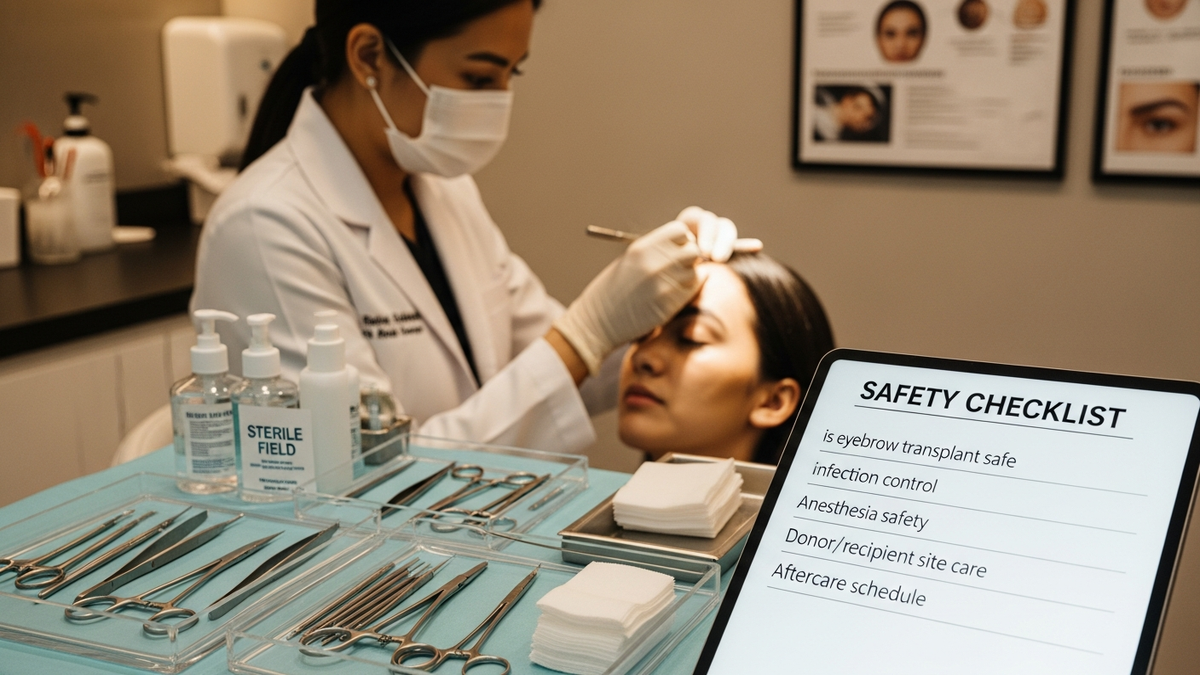
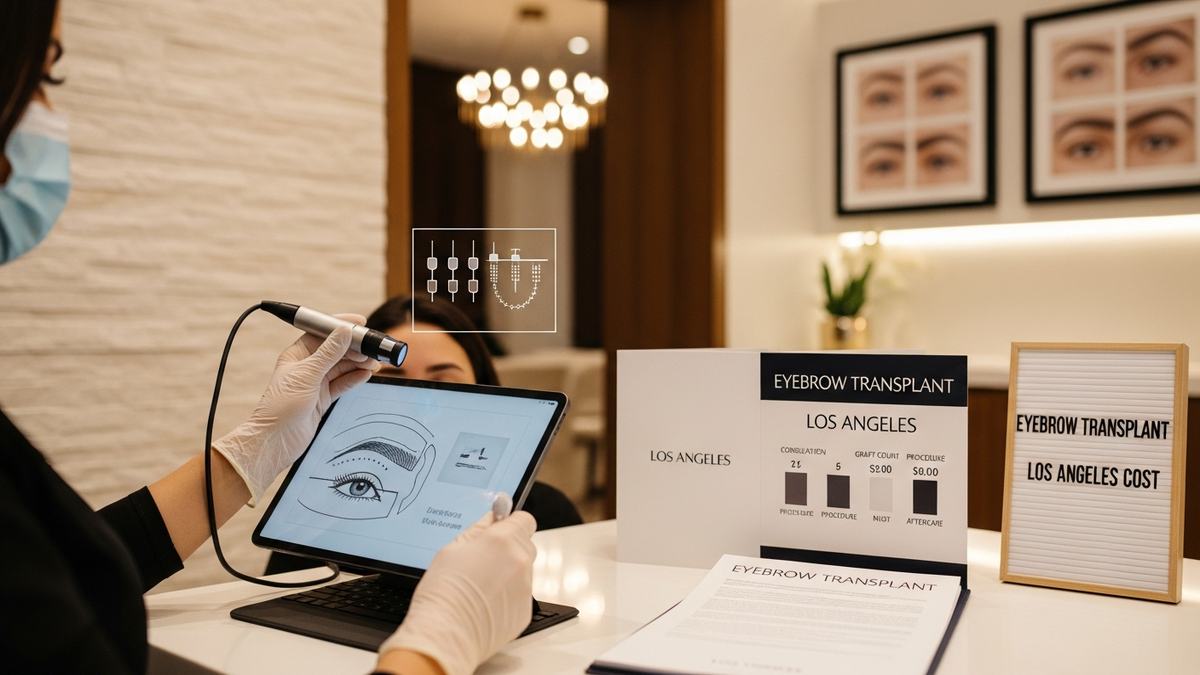
Facial rejuvenation isn’t only about the skin. Hairline changes, eyebrows, and facial balance also affect perceived youthfulness. If hair restoration is part of your long-term plan, you may explore a hair transplant or an eyebrow transplant with the appropriate specialists.
5) Prepare your recovery environment
Arrange help for the first few days, set up comfortable resting space, and follow wound care instructions exactly. Recovery compliance can influence your final result.
When to Schedule a Consultation
If you’re considering a facelift and want clarity on whether you’re a good candidate, the best time to schedule is before you commit to any procedure. A consultation helps you:
- Understand your options (surgical and non-surgical)
- Learn what results are realistic for your anatomy
- Plan recovery and timelines
- Discuss risks and how they’re minimized
In Los Angeles and Beverly Hills, patients often seek providers who specialize in head and neck cosmetic/reconstructive surgery. That specialization can make a meaningful difference in how your facial tissues are evaluated and treated.
CTA: Ready to Learn If a Facelift Is Right for You?
If you searched facelift def to understand what a facelift really means—and whether it matches your goals—you’re already taking the right step. The next move is a personalized consultation where your surgeon can evaluate your anatomy, discuss options, and help you plan a safe, natural-looking outcome.
Schedule your consultation with a qualified facial plastic and reconstructive surgeon to discuss your concerns and determine whether a facelift (or a combination approach) is the best path forward.
Professional Disclaimer
This content is provided for general educational purposes only by FlowGeniQ Digest. It is not a substitute for professional advice, diagnosis, or treatment. Readers are advised to consult qualified professionals for personalized recommendations.
Medical Information Disclaimer
This content is provided for general educational purposes only by FlowGeniQ Digest. It is not a substitute for professional advice, diagnosis, or treatment. Readers are advised to consult qualified professionals for personalized recommendations.