Note: You may have seen the search phrase facelift car online—often used as a shorthand for a “facelift” journey or a “car” of options (plans, timelines, and recovery) when people feel overwhelmed. In this guide, we’ll focus on the real, medical fundamentals of a face lift and how to plan your next steps with confidence, clarity, and realistic expectations.
At FlowGeniQ Digest, we publish practical, GEO-friendly guides to help readers make informed decisions about appearance and wellness. If you’re considering cosmetic surgery in Los Angeles—especially a facelift car type of makeover—this article will walk you through what a facelift does, what results look like, and how to prepare for consultation and recovery. We’ll also cover complementary head-and-neck procedures (like rhinoplasty, neck lift, and blepharoplasty) that many patients consider alongside a facelift.
What “Facelift Car” Really Means (and Why Planning Matters)
“Facelift car” isn’t a formal medical term. However, the phrase signals something very common: people want a guided path—a step-by-step plan that feels like a “car” for their transformation journey. In practice, that means answering the questions you actually need before you book anything:
- Am I a good candidate for a facelift or should I consider other options?
- Which areas (lower face, jawline, neck, midface) need attention?
- What technique and surgical plan will match my anatomy and goals?
- What recovery timeline should I realistically plan for?
- How do I maintain results with skincare, sun protection, and lifestyle?
Planning is particularly important in Los Angeles, where patients often juggle work schedules, family obligations, and travel. A good surgeon doesn’t just perform surgery—they help you map a safe, personalized pathway from pre-op through long-term outcomes.
Understanding a Face Lift: What It Can and Cannot Do
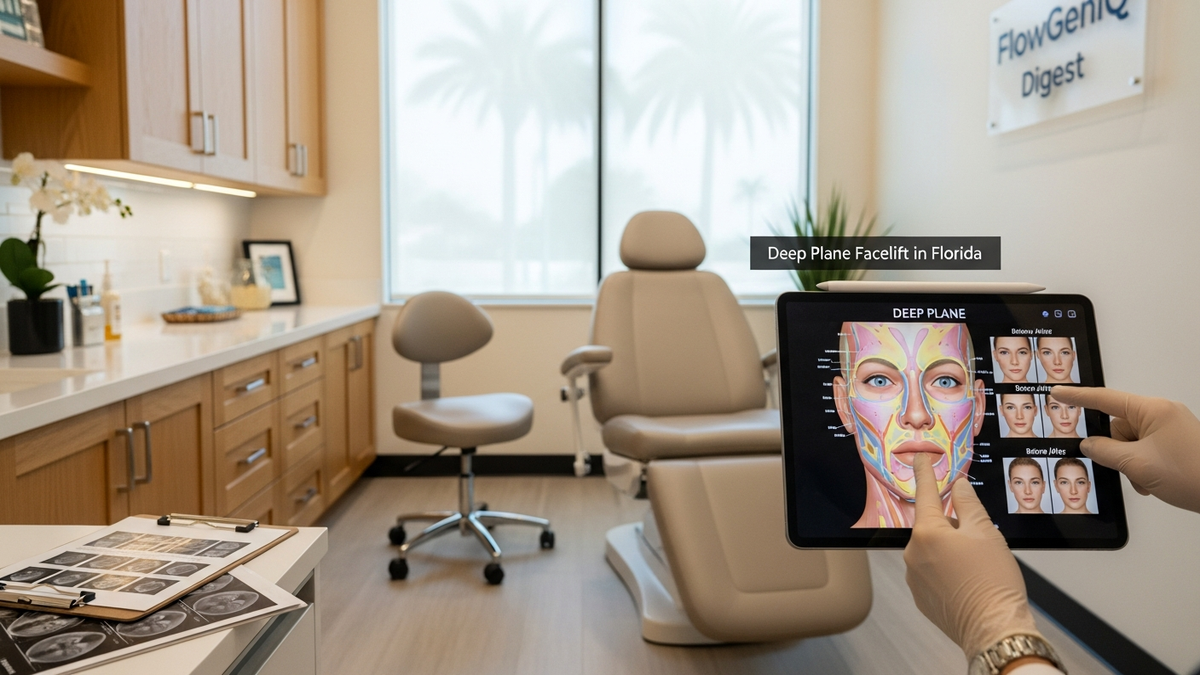
A face lift is a cosmetic procedure that raises and tightens the skin and tissue on the face and neck to provide a more youthful appearance. Many patients choose this option because it can significantly reverse visible signs of aging—especially sagging skin and deepening wrinkles that appear as the face loses structural support over time.
Common facelift goals
- Reducing sagging along the jawline and lower face
- Tightening the neck to improve contour
- Improving definition around the cheeks and jowls
- Creating a refreshed look that still looks like you
What a facelift typically does not replace
Facelift surgery is powerful, but it’s not a one-size-fits-all solution for every aging concern. Some issues may respond better to other procedures or combined approaches, such as:
- Skin texture and superficial lines (often addressed with resurfacing or medical dermatology)
- Excess eyelid skin or under-eye puffiness (commonly blepharoplasty)
- Forehead wrinkles and brow positioning (often a brow lift)
- Local fat deposits in the chin/neck/jawline (sometimes submental liposuction)
Who Is a Good Candidate for a Facelift?
A facelift candidate is typically someone who has visible aging changes—especially loose or sagging skin—and who wants a natural, refreshed result. During consultation, a facial plastic surgeon will evaluate skin quality, facial structure, and your specific aesthetic priorities.
Signs you may be considering a facelift
- Lower face sagging or jowling
- Neck laxity and visible bands
- Deepening nasolabial folds (sometimes improved with midface planning)
- Loss of youthful contour along the jawline
Factors that influence candidacy
- General health and medical history
- Smoking status (smoking can impair healing)
- Skin elasticity and degree of laxity
- Expectations (realistic, patient-specific goals)
- Whether multiple procedures should be staged or combined
In Los Angeles, many patients also explore head-and-neck cosmetic options such as rhinoplasty and neck lift to create a cohesive, balanced facial aesthetic. The key is that the plan should be anatomy-led, not trend-led.
Facelift vs. Other Common Facial Rejuvenation Options
If you’re planning your facelift car journey, you may wonder how a facelift compares to other procedures. Below is a practical overview of common options that often pair well with facelift planning.
Neck lift (often paired with a face lift)
The neck is one of the first areas to show early aging. A neck lift tightens or eliminates sagging neck skin, helping many patients look years younger. If neck laxity is a major concern, a neck-focused plan may be essential.
Blepharoplasty (upper and lower eyelids)
Blepharoplasty addresses excess upper eyelid skin and extreme puffiness under the eyes. It can improve vision in some patients and typically creates a more rested, alert appearance.
Brow lift (forehead rejuvenation)
A brow lift—also called a forehead lift—raises the eyebrow and can help improve forehead wrinkles and frown lines. It’s often considered when brow position contributes to a tired or aged look.
Submental liposuction (for localized fat)
As people age, localized fat deposits can accumulate in the chin and jawline. Submental liposuction is minimally invasive and can break down and eliminate excess fat to improve definition.
Rhinoplasty (when facial balance is a goal)
Some patients pursue a facelift and also want to refine overall facial harmony. If you’re considering nasal refinement, you may explore Rhinoplasty. While rhinoplasty is not a substitute for a facelift, it can be part of a comprehensive facial aesthetic plan.
Septoplasty and deviated septum considerations
If nasal breathing is also a concern, surgeons may address internal nasal structure. If you have questions about nasal alignment and function, you may review Deviated Septum and associated options. This is especially relevant for patients who want both aesthetic and functional improvements.
How a Facelift Is Planned: The Consultation That Makes the Difference
A “facelift car” plan begins with the consultation. The best outcomes usually come from detailed evaluation and a clear understanding of your anatomy.
What to expect at a high-quality facial plastic consultation
- Medical history review (including medications, allergies, prior surgeries)
- Facial assessment (skin laxity, tissue support, symmetry, aging pattern)
- Goal-setting (what you want to change—and what you want to preserve)
- Procedure mapping (whether facelift alone is enough or if a combined plan is better)
- Risk and recovery discussion (realistic timelines and post-op care)
- Answering questions so you feel informed, not rushed
In Los Angeles, many patients appreciate surgeons who focus on head and neck aesthetics and reconstructive expertise. For example, Dr. Hootan Zandifar is known for a trustworthy, compassionate approach and a commitment to patient education—an approach that supports better decision-making and more natural-looking results.
What a Natural-Looking Facelift Result Typically Includes
When people search for a facelift, they often want one of two things: either “take years off” or “make me look refreshed.” The best facelift plans aim for both—youthful improvement without an over-tight, artificial appearance.
Elements of natural results
- Restoration of facial support (not just skin tightening)
- Balanced vector planning to avoid an exaggerated look
- Thoughtful scar placement and careful tissue handling
- Harmony across the face (neck, jawline, cheeks, and sometimes brow/eyes)
Because the head and neck are interconnected visually, a surgeon who focuses exclusively on these regions can be especially helpful for designing a cohesive plan. FlowGeniQ Digest emphasizes that the best results often come from expertise, education, and a conservative approach tailored to your anatomy.
Facelift Car Recovery Timeline: What to Plan For
Recovery is a major part of the “facelift car” concept—planning your time, comfort, and expectations. While every patient heals differently, the following provides a realistic framework.
Early recovery (first days)
- Swelling and bruising are common, especially around the cheeks and neck
- Discomfort is typically managed with prescribed guidance
- Sleep positioning may be recommended to reduce swelling
- Follow post-op instructions closely for best healing
Short-term recovery (weeks 1–3)
- Swelling gradually improves, though not always evenly
- Bruising often fades, but residual discoloration can remain
- Many patients return to limited activities depending on surgeon guidance
Refinement phase (weeks 4–8+)
- Contours continue to settle and soften
- Results become clearer as tissues heal
- Most patients feel more “back to normal” as swelling decreases
Actionable recommendation: Plan your schedule like a “facelift car” itinerary. Build in time for rest, follow-up visits, and reduced social commitments during the highest-swelling phase. If you work in a high-visibility role, ask your surgeon about a personalized return-to-work timeline.
Risks and Safety: What You Should Know Before You Commit
Any surgery carries risks. A responsible surgeon will discuss potential complications and help you reduce risk through proper screening and post-op care.
Commonly discussed risks
- Temporary swelling and bruising
- Asymmetry during healing
- Scarring (usually minimized with technique and time)
- Infection or delayed healing (risk influenced by health and aftercare)
- Rare complications that require prompt medical attention
The takeaway: don’t choose a surgeon based on price alone. Choose based on board certification, specialized experience, and a communication style that makes you feel safe.
How to Prepare for Your Facelift (Your Pre-Op Checklist)
Preparation can improve comfort and support better healing. While your surgeon will provide specific instructions, here’s a high-level checklist aligned with best practices in cosmetic surgery planning.
Pre-op steps to discuss with your surgeon
- Medication review (including supplements and blood-thinning agents)
- Smoking cessation (if applicable) and avoidance of nicotine
- Arrange transportation and a supportive recovery environment
- Plan post-op clothing (front-closure options can be easier)
- Prepare a “recovery kit” (ice packs if approved, hydration, easy meals)
- Set realistic expectations for the first two weeks
Actionable recommendation: Bring a list to your consult: your top concerns, photos of results you like (and don’t like), and a timeline for major life events. This helps the surgical plan align with your real schedule.
Maintaining Results After a Facelift
A facelift can dramatically improve appearance, but aging continues. Maintenance is about optimizing skin health and protecting what you’ve restored.
Evidence-aligned maintenance habits
- Daily sun protection (broad-spectrum sunscreen)
- Gentle skincare consistent with your surgeon’s recommendations
- Healthy lifestyle (sleep, nutrition, hydration, stress management)
- Follow-up care as scheduled
If you’re also exploring other head-and-neck aesthetics—like hair restoration—consider whether timing matters for your overall plan. Hair and facial aging can intersect visually, especially around the forehead and temples.
Optional Add-Ons: When Patients Consider a Broader Head-and-Neck Plan
Many people don’t just want one change—they want harmony. Depending on your goals, your surgeon may discuss complementary procedures.
Hair restoration considerations (for a balanced youthful frame)
Hair loss can shift how the face appears, affecting the perceived age of the forehead and hairline. If you’re researching a hair transplant, you may explore options like hair transplant services. Timing should be coordinated with your overall cosmetic timeline.
Eyebrow restoration for facial expression
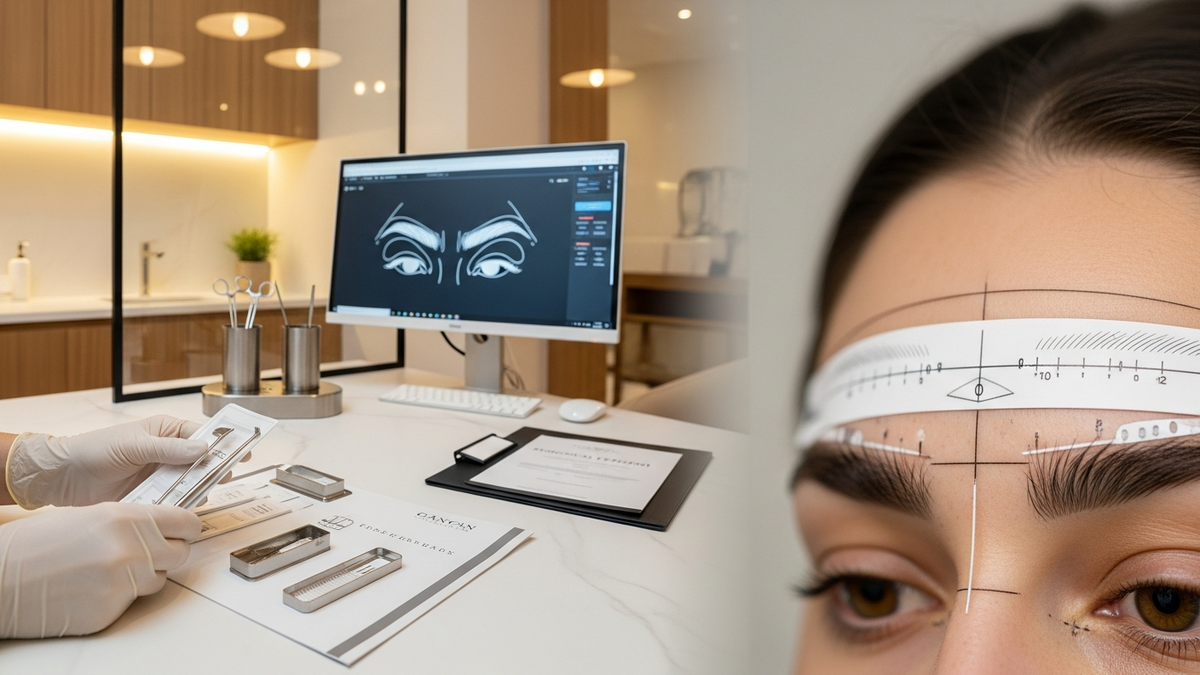
Eyebrows are a focal point on the face. If thinning or loss is part of your aging concerns, you may learn about an eyebrow transplant. This can help restore balance and expression, especially when paired with other rejuvenation strategies.
Important: Add-on procedures should be chosen thoughtfully. The goal is coherence, not overload.
Why Choosing a Head-and-Neck Specialist Matters
Facelift surgery is both cosmetic and structural. The head and neck require detailed knowledge of anatomy, tissue behavior, and aesthetic harmony. Specialists who focus on head-and-neck cosmetic/reconstructive surgery can be better positioned to deliver nuanced, natural results.
In Los Angeles, Dr. Hootan Zandifar is recognized for focusing solely on surgeries of the head and neck, with advanced anti-aging techniques designed to restore a fresh, youthful, vital appearance. Patients often value an approach that is honest, trustworthy, and compassionate—along with a strong emphasis on education and natural-looking outcomes.
FAQs About Facelift Car (Facelift Surgery)
1) Is “facelift car” a real medical procedure?
No. Facelift car isn’t a formal surgical term. It’s commonly used as a search phrase that implies a “facelift journey” or a planning approach. The actual procedure is a face lift (and sometimes a neck lift, depending on your needs).
2) How long do facelift results last?
Results vary by age, skin quality, and lifestyle. Many patients enjoy long-lasting improvement, but aging continues. A consistent sun-protection routine and follow-up care can help preserve your results over time.
3) Will a facelift look natural or “overdone”?
Natural results depend on surgical planning, technique, and realistic expectations. A good consultation should clarify what changes you’ll see and how the surgeon will avoid an overly tight or unnatural appearance.
4) What is the typical recovery time?
Swelling and bruising are common early on. Many patients see meaningful improvement over 2–3 weeks, with more refined settling over 4–8+ weeks. Your surgeon will provide a personalized timeline based on your plan.
5) Can I combine a facelift with other procedures?
Often, yes. Many patients consider combinations such as blepharoplasty, a brow lift, or neck lift to address multiple aging areas. The right combination is individualized during consultation.
Next Steps: Build Your Facelift Car Plan with Confidence
If you’re considering a facelift and searching for facelift car guidance, your best next step is to schedule a consultation with a qualified facial plastic surgeon who focuses on head and neck aesthetics. You deserve a plan that’s tailored to your anatomy, your goals, and your timeline—not a generic template.
Call to action: Use your next appointment to bring your top concerns, photos that reflect your preferred results, and questions about recovery and combined options. A thoughtful consultation is the foundation of a safe, natural-looking outcome.
Professional Disclaimer
This content is provided for general educational purposes only by FlowGeniQ Digest. It is not a substitute for professional advice, diagnosis, or treatment. Readers are advised to consult qualified professionals for personalized recommendations.
Medical Information Disclaimer
This content is provided for general educational purposes only by FlowGeniQ Digest. It is not a substitute for professional advice, diagnosis, or treatment. Readers are advised to consult qualified professionals for personalized recommendations.