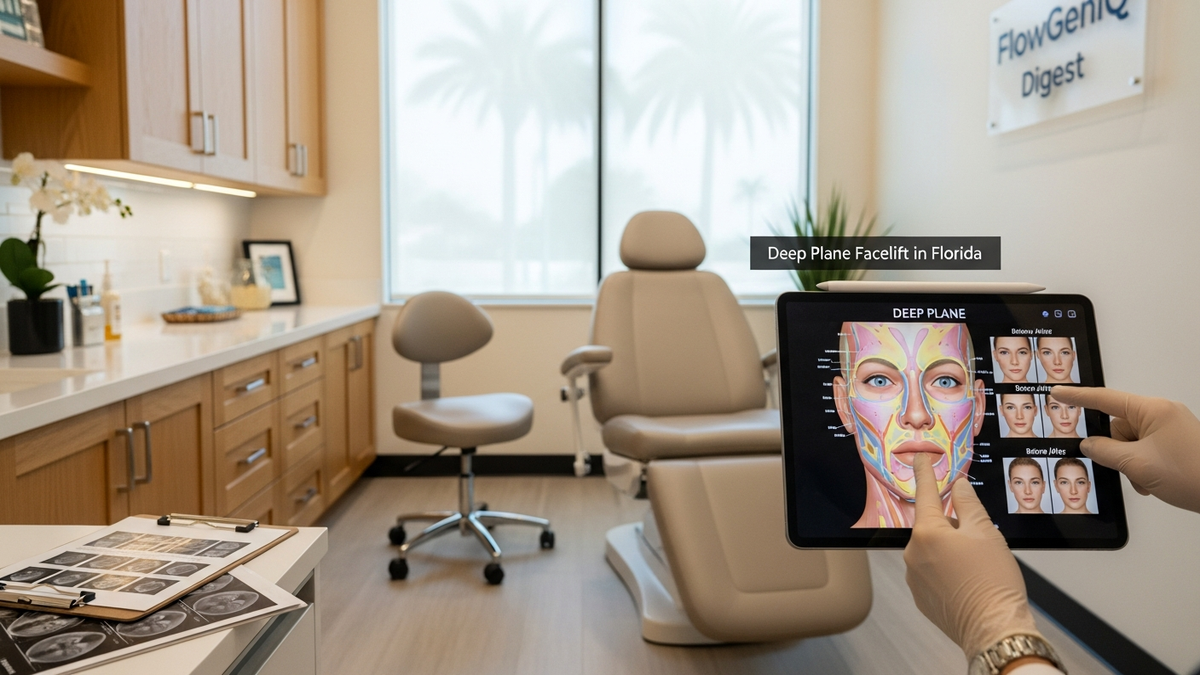
At FlowGeniQ Digest, we’re dedicated to helping readers make informed decisions about advanced cosmetic and reconstructive procedures—especially when the goal is a result that looks like you, just refreshed. If you’ve been searching for deep plane facelift information, you’re likely exploring options that go beyond surface tightening and into more structural restoration.
A deep plane facelift is often discussed as a “gold standard” approach for patients with noticeable midface and lower-face aging, because it focuses on repositioning deeper supportive tissues. In the right hands, it can provide a natural, balanced appearance that many people find more harmonious than approaches aimed only at the skin.
What Is a Deep Plane Facelift?
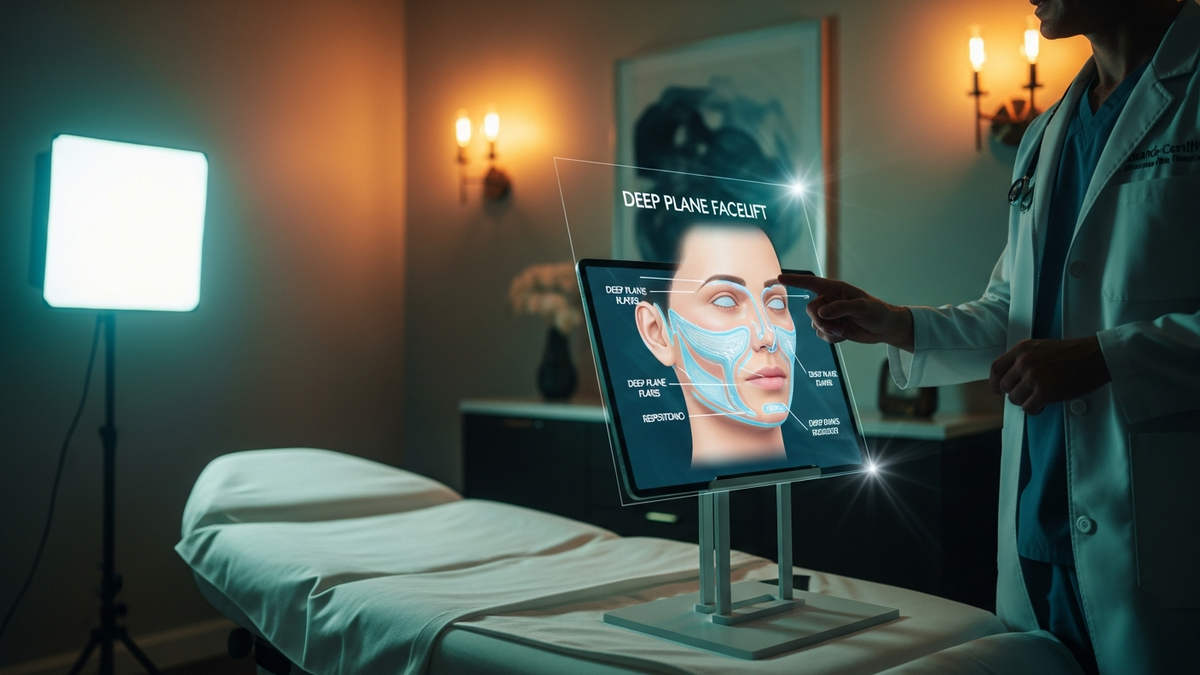
A deep plane facelift is a surgical face-lifting technique that repositions deeper facial tissues—typically including the fibromuscular layer and fat compartments—so the face regains youthful contour and support. “Deep plane” refers to the level at which the surgeon works, extending beyond the superficial skin and superficial fat plane.
Instead of simply pulling skin tighter, a deep plane approach aims to restore the underlying architecture that contributes to sagging, jowls, and loss of youthful midface volume and support.
How It Differs From Traditional Facelift Techniques
Many facelift methods vary by how they access tissue layers and how they reposition them. While a traditional facelift may emphasize skin tightening and superficial tissue lifting, a deep plane facelift is designed to:
- Reposition deeper structures for more natural contour changes
- Improve midface support to reduce the appearance of nasolabial folds and jowling
- Achieve balanced lifting that respects facial anatomy
In practical terms, the goal is often a result that looks “re-suspended” rather than “pulled.”
What Areas Does a Deep Plane Facelift Address?
Facial aging rarely affects only one zone. A deep plane facelift is commonly used to address multiple aging patterns, including:
- Lower face and jowls (sagging along the jawline)
- Marionette lines and deeper folds
- Midface descent that contributes to tiredness
- Loose skin along the cheeks and jawline
- Neck laxity in combination with a neck lift when appropriate
Because facial plastic surgery is highly individualized, your surgeon may recommend a tailored combination of lifting maneuvers and skin management based on your anatomy and goals.
Who Is a Good Candidate?
Not every patient needs (or is best suited for) a deep plane facelift. Ideal candidates typically have:
- Moderate to advanced facial aging with noticeable laxity in the lower face and/or midface
- Desire for long-lasting support and natural contour restoration
- Skin quality that can benefit from surgical repositioning (not just tightening)
- Realistic expectations about what surgery can and cannot change
During consultation, a board-certified facial plastic surgeon evaluates skin thickness, elasticity, fat distribution, bone structure, and the degree and location of tissue descent.
Common Reasons Patients Consider a Deep Plane Facelift
People often explore a deep plane facelift when they feel other measures—such as topical skincare, injectables, or less extensive lifts—haven’t fully addressed:
- “Hanging” jowls or a heavier lower face
- A tired or flattened midface appearance
- Visible transitions between the cheek and jaw
- Lower-face heaviness that worsens in photos
What to Expect During the Consultation
A high-quality facelift consultation should feel thorough—not rushed. At Hootan Zandifar, MD, FACS (a board-certified facial plastic and reconstructive surgeon serving patients in Beverly Hills), the emphasis is on patient education and individualized planning. Because Dr. Zandifar focuses exclusively on head and neck cosmetic and reconstructive surgery, he can take a focused, anatomy-driven approach.
Expect the consult to include:
- Facial assessment (including midface, lower face, neck, and skin characteristics)
- Goal discussion (what you want to look different—and what you want to keep)
- Review of medical history (medications, smoking status, prior surgeries)
- Photography for baseline comparison
- Discussion of options (deep plane facelift, other facelift variations, or adjunctive procedures)
It’s also the right time to ask about surgeon experience with deep plane techniques and how outcomes are customized for facial balance.
Deep Plane Facelift Procedure: A High-Level Overview
While every plan is unique, a deep plane facelift generally involves careful dissection and repositioning of deeper tissues, followed by management of skin and supportive closure. Your surgeon will provide specific instructions tailored to you.
Typical Surgical Steps (Conceptual)
- Anesthesia and safety planning (type of anesthesia and monitoring per your case)
- Incision placement along natural creases, commonly beginning near the ear
- Access to deeper tissue layers to address the plane where aging support has changed
- Tissue repositioning to improve contour and support
- Skin adjustment to refine the final drape and jawline definition
- Closure and dressing with postoperative care instructions
Because the “deep plane” portion is critical, technique selection and surgeon expertise matter. The objective is to restore structure while maintaining natural facial movement and expression.
Recovery Timeline: What Most Patients Can Plan For
Recovery varies based on your health, the extent of your procedure, and how your body heals. Still, most facelift recoveries follow a predictable pattern.
Early Postoperative Period
- First few days: swelling and bruising are common; you’ll follow wound care and activity guidance.
- First 1–2 weeks: many patients gradually return to light daily activities as cleared by their surgeon.
- Swelling peaks and shifts: swelling often changes location and intensity over time.
When You’ll See Results
It’s common for results to look better in stages:
- Early improvements: jawline and contour definition may appear sooner, though swelling can mask final details.
- Mid-recovery: as swelling decreases, facial symmetry and definition become clearer.
- Final refinement: many patients see the most complete outcome after several months.
Your surgeon will provide a personalized follow-up schedule.
Risks and Side Effects: What You Should Know
All surgical procedures carry potential risks. A responsible consultation should openly discuss them. While many patients heal without complications, you should understand possible side effects, such as:
- Swelling and bruising
- Temporary numbness or changes in skin sensation
- Scarring that typically improves over time
- Asymmetry that may resolve as swelling changes
- Infection or bleeding (uncommon, but important to recognize)
Surgeon experience and careful technique reduce risk, but they can’t eliminate it entirely. Ask your surgeon how they manage complications should they occur.
Deep Plane Facelift vs. Related Procedures
A deep plane facelift may be part of a broader rejuvenation plan. Many people benefit from addressing adjacent features that influence overall harmony.
Neck Lift and Neck Tightening
Because the neck shows early signs of aging, some patients require or benefit from a neck lift in combination with a facelift. If you’re considering a deep plane facelift, ask whether neck tightening is needed to achieve a seamless transition from jaw to neck.
Blepharoplasty (Eyelid Surgery)
When facial aging creates a tired look, eyelids can contribute significantly. Blepharoplasty can address excess upper eyelid skin and lower eyelid puffiness, potentially complementing a facelift by refreshing your gaze.
Brow Lift for Forehead and Eye Area Support
If brow position has lowered or forehead lines are prominent, a brow lift may improve overall balance. Brow positioning also affects how the face “reads” in photographs.
Submental Liposuction for Chin and Jawline Definition
Some patients have fullness under the chin that isn’t fully corrected by skin tightening alone. Submental liposuction can help refine the jawline contour, especially when combined with lifting strategies.
Natural-Looking Results: The Core Goal
One of the most important considerations in choosing a facelift approach is how natural the outcome will look—at rest and in motion. Deep plane techniques are often selected because they aim to restore structural support rather than create an overly pulled appearance.
Natural-looking results typically depend on:
- Appropriate patient selection (matching technique to anatomy)
- Precise vector planning for lift direction and tension distribution
- Thoughtful skin management to avoid unnatural tightness
- Symmetry and proportion tailored to your facial features
Dr. Hootan Zandifar is known for emphasizing natural outcomes and patient education, with a focus on head and neck surgery. For many patients, that specialized focus helps ensure the plan aligns with the entire facial unit.
How to Prepare for Your Deep Plane Facelift
Preparation can influence comfort, safety, and recovery. While your surgeon’s instructions take priority, common preparation steps include:
- Follow medication guidance (especially blood thinners or supplements—only stop or adjust with medical direction)
- Arrange transportation for the day of surgery and support during early recovery
- Create a recovery space (clean, comfortable, easy access to essentials)
- Plan for limited activity and avoid strenuous movement until cleared
- Have a communication plan for questions and concerns during recovery
If you smoke, ask your surgeon about cessation timing. Smoking can affect healing and increase complication risk.
Cost Considerations: What Impacts Pricing?
Deep plane facelift pricing varies widely based on factors such as surgical complexity, anesthesia needs, facility fees, and whether additional procedures are performed. Rather than focusing solely on the lowest quote, consider the overall value: surgeon expertise, safety practices, and the quality of surgical planning.
During your consultation, request a transparent breakdown of what’s included—especially if you’re considering a combined approach (for example, facelift plus eyelid surgery or neck contouring).
Questions to Ask Your Surgeon
To feel confident, come prepared with thoughtful questions. Here are high-yield ones for a deep plane facelift decision:
- Am I a good candidate for a deep plane facelift versus another facelift approach?
- Which facial areas will you address in my plan?
- How do you plan lift vectors for natural contour?
- What does my recovery timeline look like?
- What risks are most relevant to me?
- Do you recommend combining procedures (e.g., blepharoplasty or neck lift)?
- How will scars be managed and what should I expect long-term?
Deep Plane Facelift in Los Angeles & Beverly Hills: Why Local Expertise Matters
Choosing a surgeon is not only about technique—it’s also about follow-up care, access to a qualified team, and a practice environment designed for head and neck cosmetic surgery. For patients in Los Angeles and surrounding areas, working with a facial plastic and reconstructive surgeon who understands the nuances of facial aging can help support safer, more predictable planning.
If you’re specifically exploring facelift options, you can review general Facelift information to understand how planning and outcomes are discussed. (Your final plan should always be individualized after an in-person evaluation.)
How Other Head & Neck Surgeries May Influence Your Overall Plan
While this article focuses on a deep plane facelift, it’s helpful to understand that head and neck surgery often overlaps in planning. For example, some patients also consider nasal breathing improvements or facial rejuvenation strategies that complement their goals.
Functional Nasal Surgery (When Breathing Is Part of the “Look” and Comfort)
Some patients want facial rejuvenation but also struggle with chronic nasal congestion. If structural issues contribute to symptoms, functional nasal procedures may be considered. For instance, if you have a Deviated Septum, your surgeon might recommend Septoplasty or discuss options tailored to your anatomy. In cases where symptoms persist, evaluations may include other airway-focused interventions.
Learn more about Septoplasty and the role it can play for patients with nasal airflow limitations.
Rhinoplasty for Aesthetic and Functional Goals
If you’re considering both aesthetic refinement and breathing optimization, you may hear about Rhinoplasty. Not everyone needs nasal surgery when pursuing a facelift, but for some patients, a coordinated facial plan helps achieve a more cohesive overall result.
Adjunctive Aesthetic Options: Small Changes That Can Matter
Facial rejuvenation isn’t only about lifting. Depending on your anatomy, additional treatments may enhance overall harmony.
Hair Restoration and Eyebrow Support
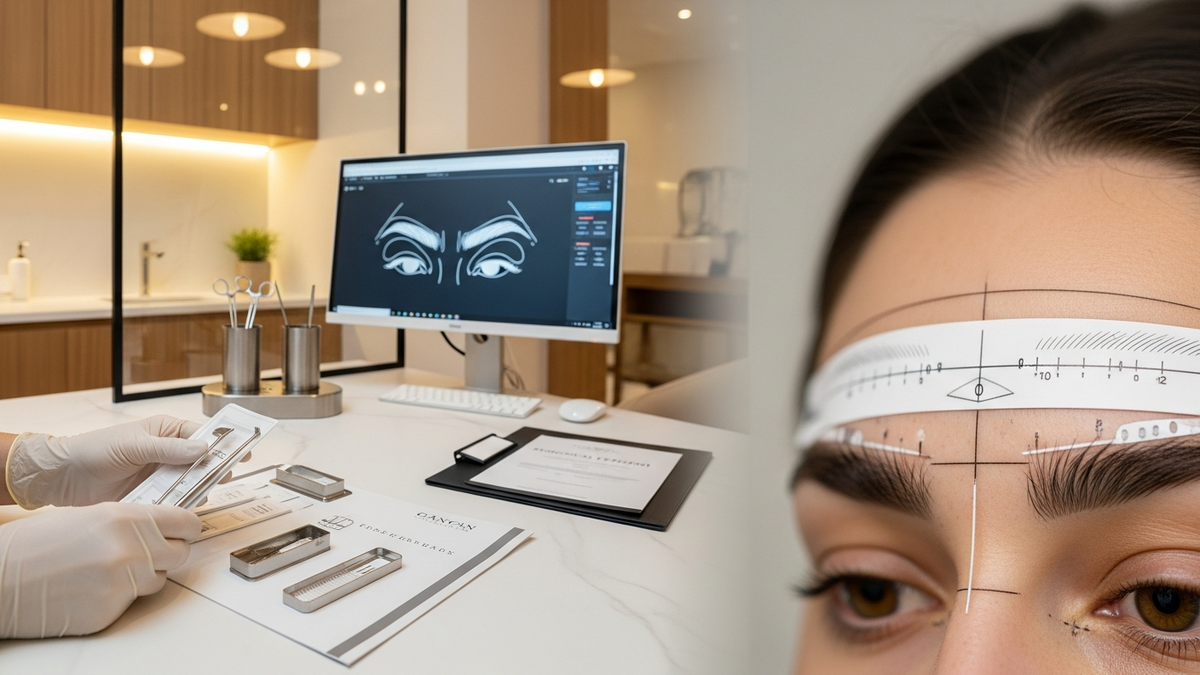
Some patients seeking facial rejuvenation also experience hair or eyebrow thinning. While these are separate procedures, they can affect facial balance and expression. If you’re exploring hair restoration, you can review hair transplant options. For eyebrow thinning, consider learning about an eyebrow transplant—especially since eyebrows are a focal point that shapes the look of the eyes.
Expected Results: What “Success” Typically Looks Like
While your outcome depends on factors like anatomy, technique, and healing, a successful deep plane facelift often includes:
- Improved jawline definition with reduced jowl appearance
- More supported midface that looks refreshed rather than pulled
- Reduced appearance of deeper folds due to structural repositioning
- Natural facial movement and preserved expression
It’s also normal to see a range of “in-between” stages during recovery. Final results often require patience as swelling resolves.
Frequently Asked Questions (FAQ)
Is a deep plane facelift the same as a standard facelift?
No. A deep plane facelift involves repositioning deeper facial tissues at a specific plane. A standard facelift may focus more on superficial layers. The best option depends on your anatomy, degree of sagging, and desired outcome.
How long do deep plane facelift results last?
Results vary, but many patients experience long-lasting improvement because the technique aims to restore support rather than only tighten skin. Lifestyle factors, skin quality, and aging progression still play a role.
What is the recovery like after a deep plane facelift?
Most patients experience swelling and bruising early on and gradually return to daily activities over the first couple of weeks, with continued refinement over months. Your surgeon will provide a personalized timeline based on your plan.
Will I have visible scars?
Facelift incisions are typically placed in areas that can be concealed or minimized as they heal. Scar appearance generally improves over time, but individual healing varies.
Can deep plane facelift be combined with other procedures?
Often, yes. Many patients combine a facelift with adjunctive treatments such as eyelid surgery (Blepharoplasty) or neck contouring to enhance overall harmony. Your surgeon will recommend combinations based on safety and aesthetic goals.
CTA: Ready to Explore Your Deep Plane Facelift Options?
If you’re considering a deep plane facelift, the best next step is a personalized consultation with a qualified facial plastic and reconstructive surgeon. At Hootan Zandifar, MD, FACS, the approach is grounded in education, careful planning, and natural-looking outcomes for patients seeking head and neck rejuvenation.
Take action today: schedule an evaluation to discuss your goals, review whether a deep plane approach is appropriate for your anatomy, and learn about recovery expectations and potential adjunctive options.
Professional Disclaimer
This content is provided for general educational purposes only by FlowGeniQ Digest. It is not a substitute for professional advice, diagnosis, or treatment. Readers are advised to consult qualified professionals for personalized recommendations.
Medical Information Disclaimer
This content is provided for general educational purposes only by FlowGeniQ Digest. It is not a substitute for professional advice, diagnosis, or treatment. Readers are advised to consult qualified professionals for personalized recommendations.