FlowGeniQ Digest is here to help you make sense of today’s most sought-after facial rejuvenation options. If you’re searching for deep plane facelift in florida, you’re likely looking for a refined approach—one designed to restore youthful facial structure rather than simply “tighten” skin. In this guide, we’ll cover what a deep plane facelift is, who it’s for, what results you can realistically expect, and how to plan recovery safely in the Florida climate.
Note: Every patient is unique. Your anatomy, skin quality, and goals determine whether a deep plane facelift is the best path—or whether a different facial procedure (or combination) may be more appropriate.
What Is a Deep Plane Facelift?
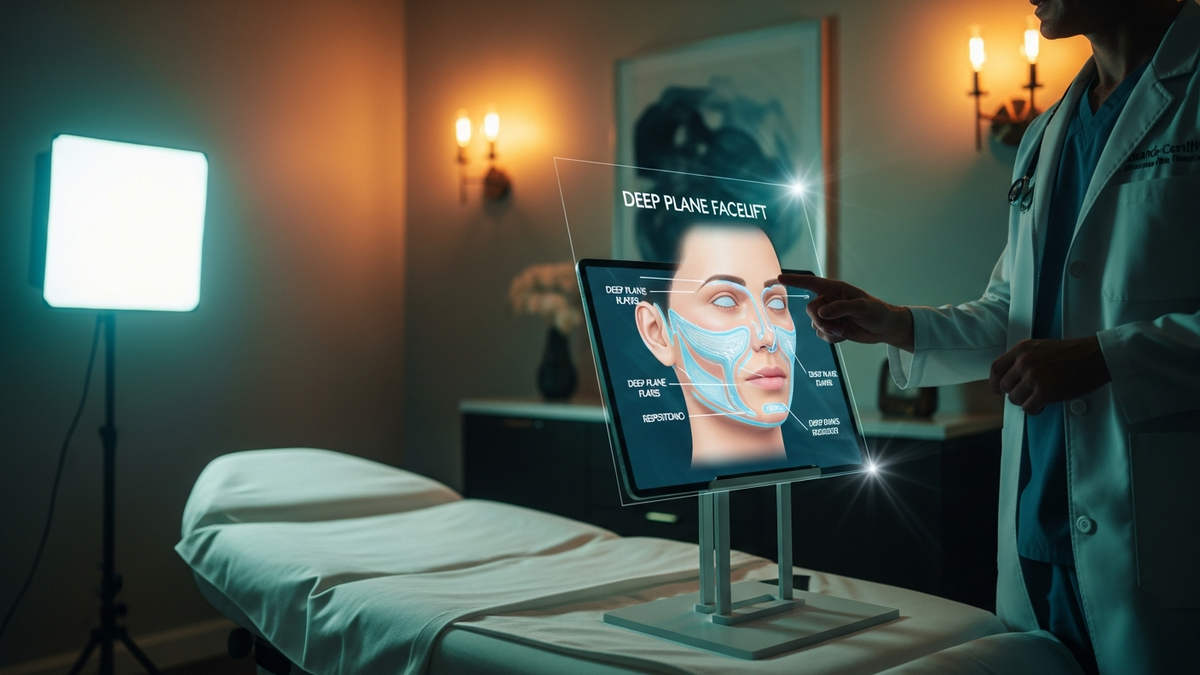
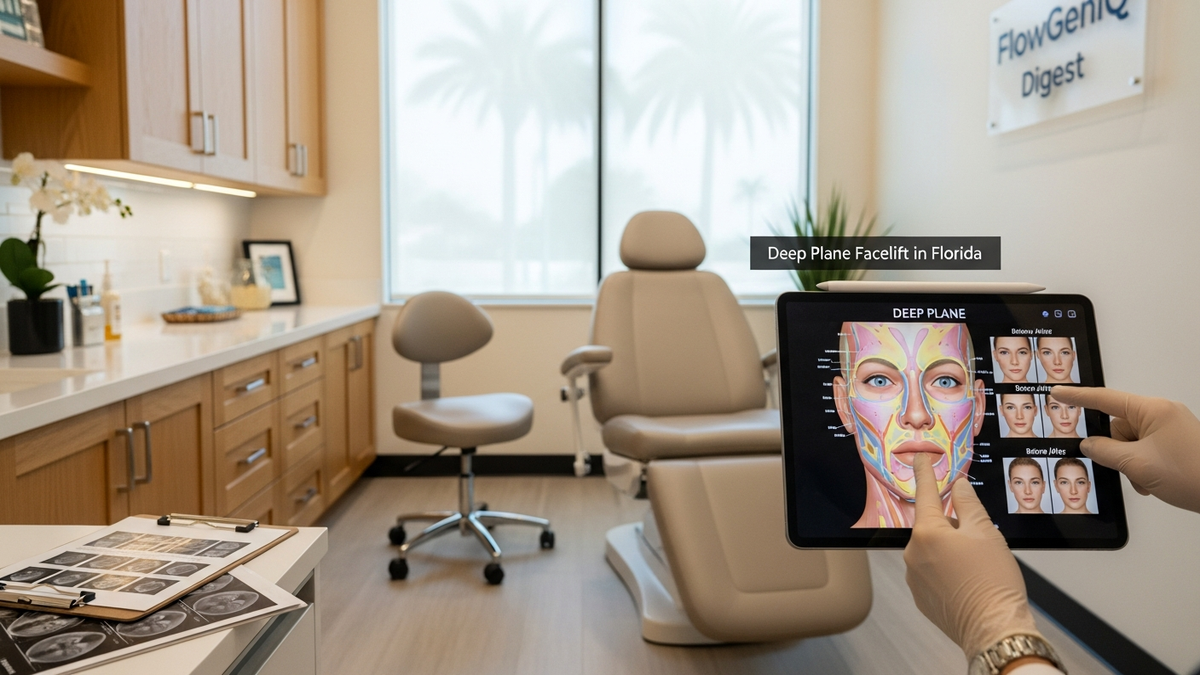
A deep plane facelift is a surgical facial rejuvenation technique that repositions deeper facial tissues to improve sagging in the lower face and midface. Unlike more superficial approaches that primarily focus on skin tightening, the deep plane method targets structural support—helping create results that often look natural and last longer.
In practical terms, a deep plane facelift typically involves:
- Repositioning deeper layers of facial tissue to restore youthful contours
- Improving definition along the jawline and cheeks
- Reducing the appearance of jowls and nasolabial fold prominence
- Re-draping skin with careful attention to natural facial movement
For many patients, the key benefit of a deep plane approach is its emphasis on facial structure, which can be especially valuable when sagging has progressed beyond mild skin laxity.
Why Patients Seek a Deep Plane Facelift in Florida
Florida’s warm, humid weather and active lifestyle can make it easier to feel “ready” for a transformation—yet it also means you’ll want a thoughtful recovery plan. Many patients choose a deep plane facelift in Florida because they want:
- More natural contour restoration for cheeks, jawline, and midface
- Improved definition that holds up in photos, social settings, and everyday life
- Surgeon expertise in facial plastic and reconstructive techniques
- Clear post-op guidance for swelling management, sun avoidance, and scar care
Because healing time matters, timing your surgery around work, travel, and outdoor exposure can significantly influence comfort and outcomes.
Deep Plane Facelift vs. Other Facelift Techniques
When patients compare options, they often ask whether a deep plane facelift is “better.” The most accurate answer is: it’s different, and the right method depends on your anatomy and aging pattern.
Superficial facelift approaches
These may focus more on skin tightening and superficial tissue. They can work well for patients with mild laxity, but may not provide the same structural repositioning for more advanced sagging.
Deep plane facelift approaches
Deep plane techniques typically address deeper layers of the face. Patients with midface descent, prominent jowls, or “heavier” lower-face aging may benefit from structural repositioning that supports a more youthful shape.
Combination procedures
Some patients achieve their best results with a tailored combination. Depending on your goals, your surgeon may discuss:
- Neck lift for jawline/neck banding and skin laxity
- Blepharoplasty (eyelid surgery) to refresh the eyes for a balanced, rested look: Blepharoplasty
- Brow lift if forehead heaviness or brow position contributes to tiredness
- Fat contouring or other adjuncts for definition
If you’re also considering eye or brow rejuvenation, it’s worth asking how those changes will “frame” your facelift results—especially since facial aging often occurs in multiple zones at once.
Who Is a Good Candidate for a Deep Plane Facelift?
A deep plane facelift may be a strong option if you have:
- Moderate to advanced sagging in the cheeks and jawline
- Midface descent contributing to hollowing or heaviness
- Pronounced jowls or changes in lower-face contour
- Skin laxity that doesn’t fully respond to less invasive treatments
Good candidates also typically:
- Are in generally good health
- Have realistic expectations about scars, swelling, and final timing
- Understand that results are gradual and evolve over months
- Are committed to pre-op and post-op instructions
During your consultation, your surgeon will evaluate skin thickness, facial fat distribution, tissue elasticity, bone structure, and your desired aesthetic outcome.
What Results Can You Expect?
Deep plane facelift results are often described as structural and natural. Many patients notice improvements in:
- Cheek support and reduced midface heaviness
- Jawline definition and a smoother transition from chin to neck
- Jowl contour and reduced sagging
- Overall facial balance that can look refreshed rather than “pulled”
Timeline: Most swelling improves significantly in the first few weeks, but final contour refinement can take several months. Scars also mature over time, and your surgeon’s scar management recommendations can influence how discreet they become.
Because aging is individualized, the best way to understand your expected outcome is to review before-and-after examples that closely match your age and facial aging pattern.
How Recovery Works After a Deep Plane Facelift in Florida
Recovery is where planning matters most. In Florida, you’ll want extra attention to hydration, sun exposure, and comfort during the healing phase.
Immediate post-op period
Expect:
- Swelling and bruising around the cheeks, jawline, and under-eye region
- Discomfort that is typically manageable with prescribed medication
- Dressings or compression to support healing
First 1–2 weeks
This is often the most sensitive time for bruising and stiffness. Many patients can return to light activities with guidance from their surgeon, but should avoid strenuous exertion.
Florida-specific tip: Plan to limit direct sun and heat exposure. Even when you feel better, skin and soft tissues are still healing and may be more reactive.
Weeks 3–6
Swelling typically continues to improve. You may notice that your face looks more “settled” as tissues re-adapt.
Months 2–6+
At this stage, results become increasingly clear. Scar texture and pigmentation can continue to evolve, and facial contours typically refine as healing completes.
Potential Risks and Side Effects (What to Ask About)
Every surgery has risks. A responsible consultation should cover both common and rare complications. While deep plane facelift techniques are widely performed, potential concerns can include:
- Temporary numbness or altered sensation
- Persistent swelling in some areas
- Scarring (usually placed in natural creases; maturation takes time)
- Asymmetry during healing (often improves but may require follow-up)
- Infection or fluid collections (rare, but possible)
- Unfavorable healing in smokers or those with certain health conditions
Ask your surgeon how they minimize risk, what signs of complications you should watch for, and what the follow-up plan looks like.
How to Choose the Right Surgeon for a Deep Plane Facelift in Florida
Choosing a surgeon is the single most important decision you’ll make. Look for:
- Specialty focus in facial plastic and reconstructive surgery
- Board certification and relevant fellowship training
- Experience with deep plane techniques specifically
- Natural-looking results that match your aesthetic goals
- Transparent communication about risks, limitations, and recovery
For example, Dr. Hootan Zandifar focuses on cosmetic and reconstructive surgery of the head and neck, with a commitment to patient education and natural-looking outcomes. His approach emphasizes safety, informed decision-making, and tailored treatment planning.
If you’re comparing options, it may also help to review related procedure pages to understand how different facial rejuvenation elements fit together. You can explore Facelift information for broader context on surgical goals and facial aging strategies.
Pre-Op Preparation: Practical Steps That Improve Outcomes
Good surgical outcomes often begin weeks before the procedure. While your surgeon will provide specific instructions, these steps are commonly recommended:
- Attend a thorough consultation and discuss your goals, medical history, and prior surgeries.
- Follow medication guidance (especially regarding blood thinners, supplements, and anti-inflammatory drugs).
- Stop smoking well in advance if applicable, since smoking can impair healing.
- Arrange support for the first days after surgery—transportation, meals, and help with daily tasks.
- Plan your home recovery space with clean pillows, hydration, easy-to-reach supplies, and a comfortable temperature.
- Prepare for limited outdoor exposure during early healing—important in Florida’s heat and sun.
During your pre-op visit, ask about compression, wound care, showering timelines, and when you can resume exercise.
Post-Op Care: How to Protect Your Results
Post-op care directly influences scar appearance, comfort, and the quality of tissue healing. Common recommendations include:
- Wear compression as instructed
- Keep head elevated to reduce swelling
- Follow cleaning and dressing instructions exactly
- Attend all follow-up appointments for monitoring
- Avoid strenuous activity until cleared
- Use sun protection once approved to help minimize pigmentation changes
If you also have nasal breathing concerns that affect comfort during recovery—such as congestion—talk with your surgeon about whether evaluating underlying issues is appropriate. While this isn’t directly related to facelift surgery, improved nasal airflow can contribute to overall comfort and sleep quality during recovery.
For patients with structural nasal obstruction, a Deviated Septum evaluation (often discussed as Septoplasty) may be recommended in certain cases. Your surgeon can advise whether these concerns should be addressed before, after, or separately from your facial rejuvenation plan.
Combining a Deep Plane Facelift With Other Facial Procedures
Many people don’t just want one area improved—they want harmony across the face. Common pairings include:
Deep plane facelift + eyelid surgery
When the eyes look tired, it can make the entire face appear older. Refreshing the eyelids with Blepharoplasty can complement facelift outcomes.
Deep plane facelift + nose refinement
Some patients pursue rhinoplasty or functional nasal surgery to improve both appearance and breathing. If you’re considering a nose procedure, you may find helpful context in Rhinoplasty information. Your surgeon can help determine whether functional and cosmetic goals should be approached together or staged.
Deep plane facelift + hair and eyebrow restoration
Facial rejuvenation isn’t limited to skin laxity. Hairline changes and eyebrow thinning can significantly affect perceived age. If hair or eyebrow density is part of your overall plan, consider exploring options from specialized providers. For example, a hair transplant may be discussed if hair loss is affecting your appearance: hair transplant. Eyebrow restoration can also be considered through an eyebrow transplant approach.
Because surgical timing affects healing, it’s important to coordinate planning across specialties so you don’t compromise either recovery.
Cost Considerations for a Deep Plane Facelift in Florida
Cost varies widely based on surgeon expertise, facility fees, anesthesia, the extent of tissue work, and whether additional procedures are included. Instead of focusing solely on a single price, evaluate what’s included in the overall plan.
When comparing estimates, ask:
- What technique is planned (deep plane specifics) and why?
- Is a neck lift included or recommended?
- What anesthesia costs are included?
- Are follow-up visits included?
- What additional procedures may change the final price?
Remember: the “best value” isn’t always the lowest number—it’s the combination of safety, expertise, and results that match your goals.
Frequently Overlooked Questions Before You Commit
Many patients have questions they hesitate to ask. Here are practical ones worth raising during your consultation:
- How will my scars be placed, and what does scar care involve?
- What’s the plan for swelling management during the first month?
- How do you evaluate midface sagging and ensure natural contour?
- What does asymmetry look like during healing, and how do you address it?
- What is your revision policy if results don’t meet expectations?
Strong communication is a hallmark of patient-centered care and can reduce uncertainty before surgery.
Deep Plane Facelift in Florida: What to Expect at Your Consultation
A high-quality consultation typically includes:
- Facial analysis in multiple lighting conditions (front, side, and close-up)
- Discussion of your goals and what you want to change
- Review of medical history and current medications
- Technique explanation tailored to your aging pattern
- Realistic outcome review including limitations
- Recovery and safety plan including follow-ups
If you feel rushed or unclear about the plan, it’s okay to ask for additional time—or seek a second opinion.
Related Procedures You Might Hear About
Depending on your goals, you may also encounter discussions of other head-and-neck rejuvenation options. For example:
- Neck lift for neck skin laxity and improved jawline transition
- Blepharoplasty for upper or lower eyelid concerns
- Functional nasal procedures if breathing impacts sleep and comfort
- Hair and eyebrow restoration to support overall facial harmony
These options can be complementary, but they should be selected based on your unique needs rather than a one-size-fits-all approach.
FAQ: Deep Plane Facelift in Florida
How long do deep plane facelift results typically last?
While individual aging varies, deep plane techniques are designed to restore structural support, which can contribute to longer-lasting results compared with purely superficial tightening. Your lifestyle, skin quality, and genetics all influence longevity.
What is the recovery time for a deep plane facelift?
Many patients can return to light activities within 1–2 weeks, but full healing and final contour refinement often take several months. Your surgeon will provide a personalized timeline based on the extent of tissue work and any combined procedures.
Will a deep plane facelift look natural?
When performed by an experienced facial plastic surgeon using an appropriate technique for your anatomy, deep plane facelifts are often chosen specifically for natural-looking contour restoration. The goal is to improve sagging while preserving facial movement and proportion.
Is a deep plane facelift the same as a neck lift?
No. A deep plane facelift addresses deeper facial tissues for midface/lower-face rejuvenation. A neck lift focuses on neck skin, bands, and contour. Some patients need both; others may not.
How do I know if I’m a candidate in Florida’s climate?
Candidacy depends on your health, skin laxity, and goals—not the state alone. However, your recovery plan should account for Florida’s heat and humidity. Ask your surgeon about sun protection, hydration, and how to manage swelling comfortably.
CTA: Ready to Explore Your Deep Plane Facelift Options?
If you’re considering a deep plane facelift in florida, the next step is a consultation where your surgeon can evaluate your facial aging pattern and recommend a plan tailored to your goals. FlowGeniQ Digest encourages you to choose a qualified, board-certified facial plastic and reconstructive professional who prioritizes natural results and patient education.
Action steps:
- Schedule a consultation and bring photos of your preferred results (front/side) for clearer goal alignment.
- Ask specifically about deep plane technique details and why it fits your anatomy.
- Discuss recovery planning for Florida’s heat (sun exposure, hydration, and outdoor timing).
- Review your combined-procedure options (eyelids, neck, or functional concerns) if they apply.
Professional Disclaimer
This content is provided for general educational purposes only by FlowGeniQ Digest. It is not a substitute for professional advice, diagnosis, or treatment. Readers are advised to consult qualified professionals for personalized recommendations.
Medical Information Disclaimer
This content is provided for general educational purposes only by FlowGeniQ Digest. It is not a substitute for professional advice, diagnosis, or treatment. Readers are advised to consult qualified professionals for personalized recommendations.