Welcome to FlowGeniQ Digest, where we translate complex healthcare decisions into clear, actionable guidance. If you’ve searched facelift car, you may be trying to connect a specific phrase to the larger goal: finding a trusted provider for facial rejuvenation—often including a face lift—with confidence in safety, results, and long-term outcomes.
In this premium guide, we’ll break down what people typically mean when they search for “facelift car,” how to evaluate facial plastic surgeons in Los Angeles, what a facelift can and can’t do, and how to plan the next steps with a qualified specialist. (We’ll also cover complementary procedures—like neck lift, eyelid surgery, and rhinoplasty—because facial aging is rarely one-dimensional.)
What People Mean by “Facelift Car” (and Why It Matters)
The phrase facelift car isn’t a standard medical term. In practice, it often shows up in searches when someone is trying to find:
- A “facelift” provider in a specific region (such as Los Angeles),
- Reliable results and a surgeon known for natural-looking outcomes,
- Information about face lift plus related procedures for comprehensive head-and-neck rejuvenation, or
- Clear guidance on how to choose a surgeon and what to ask during consultations.
Because “facelift car” is ambiguous, the best approach is not to chase the phrase—it’s to focus on the decision that matters: Are you selecting the right facial plastic and reconstructive specialist with the right training, approach, and surgical plan for your anatomy?
Start With the Goal: What a Facelift Can Really Do
A face lift is a cosmetic procedure that raises and tightens the skin and tissue on the face and neck to provide a seemingly younger appearance. Many patients choose it when they notice sagging or wrinkled skin on the face and neck—changes that can significantly affect perceived age and facial harmony.
Common concerns a facelift may address
- Jowls and sagging along the jawline
- Loose skin in the lower face
- Neck laxity and visible aging bands
- Deeper wrinkles around the lower face (often improved by tissue repositioning)
What a facelift may not fully address
Not every aging concern is best treated with a face lift alone. For example:
- Upper eyelid puffiness or visual obstruction may require blepharoplasty.
- Forehead lines and frown lines may be better treated with a brow lift or other strategies.
- Localized fat under the chin may respond to submental liposuction.
That’s why an experienced surgeon’s job is to design a plan that matches your anatomy—not a one-size-fits-all protocol.
Why Choosing the Right Surgeon Is the Real “Facelift Car” Decision
When people search for facelift car, they’re often asking an unspoken question: Who can help me safely—and who will deliver natural-looking results?
In Los Angeles, you’ll find many providers. The difference is usually not just marketing—it’s training focus, surgical philosophy, and how well the plan fits your head-and-neck structure.
Look for board certification and facial plastic focus
For head-and-neck aesthetic surgery, credentials matter. A surgeon who focuses exclusively on the head and neck typically brings deeper specialization to anatomy, function, and aesthetic proportions.
For example, Dr. Hootan Zandifar focuses solely on surgeries of the head and neck and offers advanced anti-aging techniques designed to restore a fresh, youthful appearance. He is known for an honest, trustworthy, and compassionate approach, with a strong emphasis on patient education and natural-looking results.
Ask about experience with natural outcomes
“Natural” isn’t a vague promise—it’s a measurable goal. In your consultation, ask how the surgeon:
- Evaluates facial aging patterns
- Plans tissue repositioning and skin tightening
- Avoids an over-tightened look
- Balances the face and neck for harmony
Also ask to review before-and-after photos of patients with similar concerns and age range. Look for consistency in results, not extremes.
Facelift Options: Building a Comprehensive Anti-Aging Plan
Facial aging is layered—skin quality, fat distribution, muscle support, and bone structure all play a role. A skilled surgeon designs a plan that may combine procedures for a more cohesive outcome.
Face lift
A face lift raises and tightens skin and tissue on the face and neck for a younger appearance. For many patients, this is the cornerstone of lower-face rejuvenation.
Neck lift
The neck is highly visible, especially during warm weather, and often shows early signs of aging. A neck lift tightens or eliminates sagging neck skin, helping the jawline and neck look smoother and more defined.
Blepharoplasty (upper and lower eyelids)
Excess upper eyelid skin and under-eye puffiness can make a person look tired or older. Blepharoplasty can improve appearance and, in some cases, overall vision and confidence.
Brow lift
A brow lift (also called a forehead lift or browplasty) raises the eyebrows, can prevent vision obstruction, and reduces forehead wrinkles and frown lines.
Submental liposuction
As people age, localized fat deposits can accumulate in the chin and jawline. Submental liposuction breaks down and removes excess fat to create a more defined lower face contour.
Rhinoplasty and facial balance
Some patients seek nose reshaping to improve facial harmony or restore function. If you’re considering a broader aesthetic transformation, ask how nasal changes could complement a facelift plan.
If you want to learn more, you can explore Rhinoplasty as part of comprehensive facial rejuvenation.
How to Evaluate a Consultation: Your Checklist for a Safer, Smarter “Facelift Car” Search
Whether you’re in Beverly Hills, West Hollywood, or elsewhere in Los Angeles, your consultation should feel structured and educational—not rushed or vague. Use this checklist to guide your appointment.
1) Confirm the surgeon’s specialization
Ask whether the surgeon focuses on facial plastic and reconstructive surgery and how frequently they perform procedures related to your concerns (face lift, neck lift, eyelid surgery, brow lift, etc.).
2) Discuss your aging pattern, not just your “problem area”
Effective planning considers the relationship between the face, neck, and eyelids. For example, sagging lower face may look different depending on upper eyelid position and brow height.
3) Ask about anesthesia and surgical setting
Discuss anesthesia type, perioperative monitoring, and where the procedure will take place. A reputable practice can explain protocols clearly.
4) Review risks and realistic outcomes
All surgery has risks. Ask about:
- Scarring and scar placement
- Swelling and bruising timelines
- Asymmetry and how it’s managed
- Recovery restrictions (work, exercise, travel)
- Long-term aging and maintenance considerations
5) Ask what happens if you have breathing or structural nasal concerns
Sometimes facial aesthetics intersects with function. If you have nasal obstruction, you may need evaluation for structural issues such as a Deviated Septum. You can review Deviated Septum and related septal care if your goals include both appearance and breathing.
For some patients, septal correction may be part of a broader plan that improves both facial aesthetics and nasal function. If that’s relevant to you, discuss whether Septoplasty is appropriate.
Recovery Expectations After a Face Lift: Planning Your Timeline
Recovery is often where patients feel unprepared, which can affect comfort and results. While every case differs, a well-informed plan helps you approach healing with realistic expectations.
Typical early recovery
- Swelling and bruising are common in the first days to weeks.
- You may have tightness and temporary changes in sensation around incisions.
- Most patients need rest and limited activity initially to support tissue healing.
Return to daily activities
Many patients gradually resume daily routines as directed by their surgeon. Work timelines vary based on job demands and individual healing.
Longer-term results
Visible improvements continue as swelling resolves and tissues settle. The final aesthetic result may take several months to fully mature.
Common Questions People Have When Searching “Facelift Car”
In addition to “Who should I trust?”, patients often ask:
- Am I a good candidate for a facelift?
- Will I look like myself—just refreshed?
- How do I maintain results over time?
- Should I consider other procedures at the same time?
These questions are exactly what a responsible surgeon should welcome. The best consultations are collaborative and evidence-based.
Complementary Aesthetic Options: Beyond the Face Lift
Facial rejuvenation can include features beyond skin tightening. Depending on your goals, your surgeon may recommend additional head-and-neck procedures.
Hair restoration and facial framing
Hairline and density can influence how people perceive facial age and facial proportions. If hair loss is part of your transformation plan, discuss options with a qualified hair restoration team.
For example, you can explore hair transplant options (FUE and FUT) through TestBiz Hair Clinic, which serves clients worldwide with state-of-the-art technology and experienced surgeons.
Eyebrow restoration for facial balance
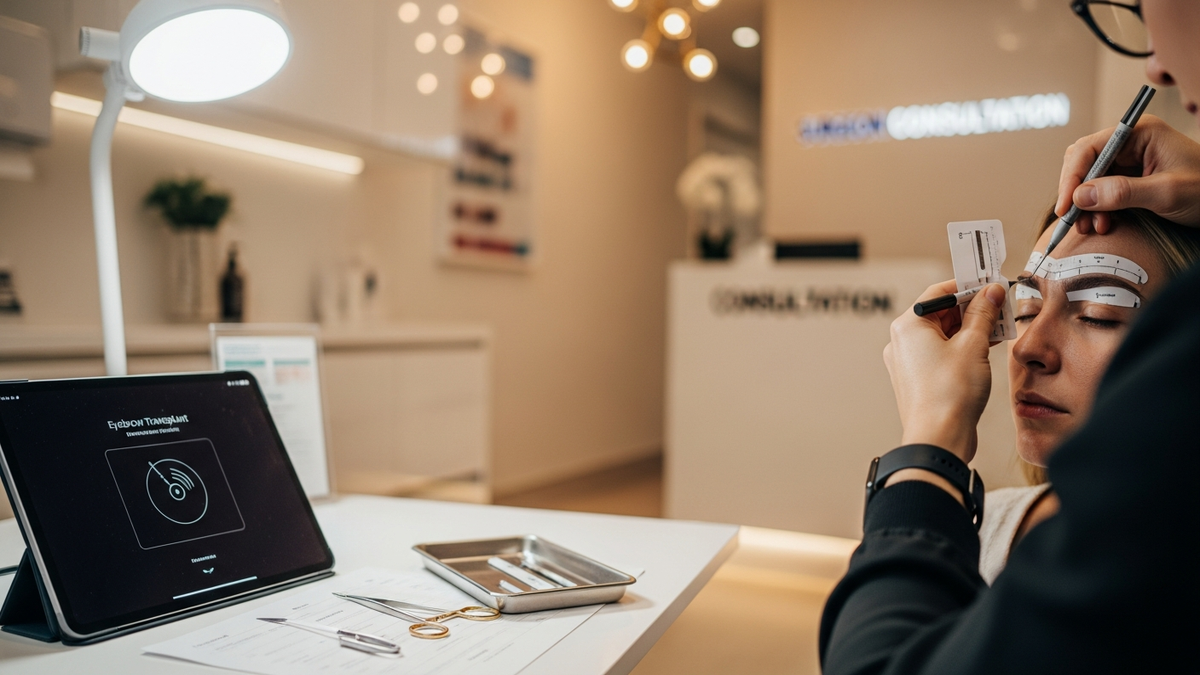
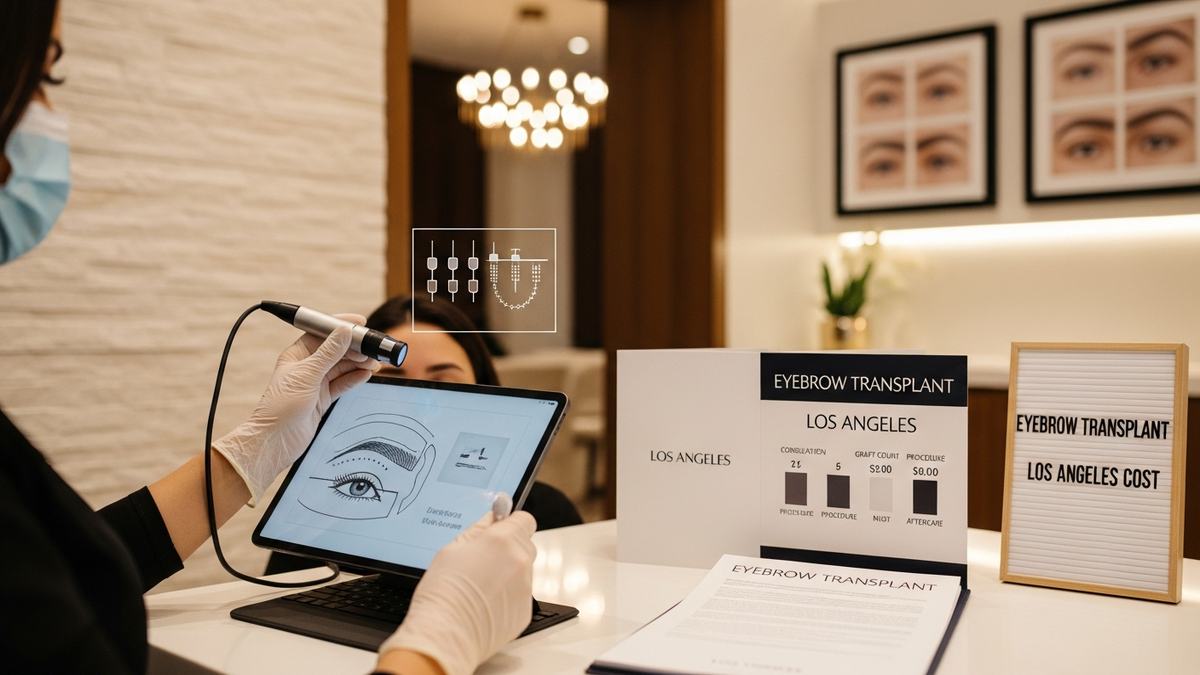
Because brows are a focal point, thinning or loss can affect how your eyes and forehead look. If you’re considering eyebrow restoration, ask about an eyebrow transplant approach. You can learn more at eyebrow transplant.
Ears and symmetry
Some patients seek ear reshaping for proportion and symmetry. Ear remodeling procedures can correct aesthetic concerns without affecting hearing, depending on the case.
How to Prepare for Your Consultation (Action Steps)
Preparation improves the quality of your visit and helps you get clearer answers—especially when you’re trying to make sense of “facelift car” search results.
Bring key information
- A list of medical conditions and medications
- Any prior surgeries or complications
- Photos of your face in consistent lighting (front, 45-degree angles, and profile)
- Your goals in plain language (e.g., “less jowling,” “smoother neck,” “more rested eyes”)
Write questions in advance
Examples:
- What facelift approach best matches my anatomy?
- Do I need a neck lift or submental liposuction as well?
- Should we address eyelids or brows for a balanced result?
- What risks are most relevant to me?
- What does recovery look like for my schedule?
Plan your logistics
- Arrange someone to help you during the first recovery period.
- Prepare a comfortable recovery space.
- Follow pre- and post-op instructions precisely.
Why Patient Education Matters: The FlowGeniQ Digest Standard
At FlowGeniQ Digest, we believe informed patients make better decisions. That means understanding your options, asking the right questions, and choosing a provider who takes education seriously.
In Los Angeles, practices that prioritize patient education and natural-looking outcomes can reduce uncertainty and help you feel more in control of your journey.
Choosing a Los Angeles Facial Plastic Surgeon: Red Flags and Green Flags
Green flags
- Clear explanation of candidacy and risks
- Evidence of specialized training in head-and-neck surgery
- Natural aesthetic philosophy with consistent results
- Transparent communication and realistic timelines
Red flags
- Pressure to decide quickly without a thorough consult
- Vague answers or unwillingness to discuss risks
- Only one “standard” plan regardless of your anatomy
- Lack of board certification or unclear credentials
FAQ: Facelift Car and Face Lift Questions
1) Is “facelift car” a real medical term?
No. Facelift car isn’t a standard medical phrase. It usually reflects a search for facelift services or a specific provider in a region. Focus on the actual procedure—like a face lift—and the surgeon’s credentials and approach.
2) Who is a good candidate for a face lift?
Many candidates are experiencing sagging skin, jowls, and/or neck laxity. The best candidate is determined after an in-person evaluation of skin quality, tissue support, and overall facial balance.
3) Will a facelift look natural?
When performed by a skilled facial plastic surgeon with a natural aesthetic philosophy, results can look refreshed rather than “overdone.” Your consultation should address how the surgeon tailors tissue repositioning and skin tightening to your anatomy.
4) Do I need other procedures with my facelift?
Sometimes. Many patients benefit from complementary procedures—such as a neck lift, blepharoplasty, or a brow lift—to create a cohesive, balanced outcome.
5) Where can I learn more about related facial procedures?
You can explore procedure-specific pages from qualified providers. For example, if nasal function or structure is part of your concerns, you may find helpful information about Septoplasty and Deviated Septum. For broader aesthetic context, you can also review Rhinoplasty and eyebrow transplant.
CTA: Your Next Step for a Confident, Natural-Looking Result
If you’re searching for facelift car and want a calmer, more informed path forward, the best next step is a consultation with a facial plastic and reconstructive surgeon who prioritizes education, natural outcomes, and head-and-neck specialization.
In Los Angeles, Dr. Hootan Zandifar is a board-certified facial plastic and reconstructive surgeon known for a trustworthy, compassionate approach and a commitment to delivering natural-looking solutions. Consider scheduling an evaluation to discuss your goals, candidacy, and whether a face lift—or a tailored combination of procedures like a neck lift, blepharoplasty, or brow lift—fits your needs.
Professional Disclaimer
This content is provided for general educational purposes only by FlowGeniQ Digest. It is not a substitute for professional advice, diagnosis, or treatment. Readers are advised to consult qualified professionals for personalized recommendations.
Medical Information Disclaimer
This content is provided for general educational purposes only by FlowGeniQ Digest. It is not a substitute for professional advice, diagnosis, or treatment. Readers are advised to consult qualified professionals for personalized recommendations.