At FlowGeniQ Digest, we regularly receive questions from readers searching for eyebrow transplant Tampa—especially from people who want fuller brows after over-plucking, aging, scarring, or medical conditions. Eyebrows are more than hair: they frame the eyes, influence perceived expression, and strongly affect facial balance. That’s why an eyebrow transplant should be planned with the same care as other high-visibility facial procedures.
This guide explains what an eyebrow transplant is, who may be a good candidate, which techniques are commonly used, what recovery looks like, and how to evaluate clinics for natural-looking results. While we’ll share practical, evidence-informed guidance, your final plan should be personalized by a qualified specialist who can assess your anatomy and goals.
What Is an Eyebrow Transplant?
An eyebrow transplant is a surgical procedure that moves hair follicles to areas of the brow that are thin or missing. Depending on your case, the transplant may be designed to restore density, improve shape, or help camouflage irregularities from scarring or prior trauma.
In most modern approaches, surgeons use hair follicles harvested from a donor area (often the scalp, depending on the plan) and place them into carefully designed recipient sites in the eyebrow. The key to natural results is not just “graft count”—it’s direction, angle, density distribution, and design.
Why People Search for Eyebrow Transplant Tampa
Many readers in the Tampa area (and beyond) are looking for solutions after:
- Over-plucking or waxing that permanently damaged follicles
- Aging-related thinning and reduced brow volume
- Scarring from injury, burns, or prior procedures
- Medical or autoimmune conditions that cause eyebrow loss
- Uneven brows where one side has significantly less density
Because brows are central to facial expression, patients often want results that look like their own hair—not a “filled-in” look that can appear artificial in close-up.
Eyebrow Transplant vs. Non-Surgical Options
Before choosing surgery, it helps to understand the alternatives. Non-surgical options may include brow pencils, tinted gels, microblading (where appropriate), and prescription/over-the-counter topical growth agents. However, these options typically don’t replace missing follicles in the same way a transplant can.
When a transplant may be more effective:
- When follicles are truly absent or severely reduced
- When scarring or structural irregularities require restoration
- When you want long-term density rather than temporary coverage
When non-surgical approaches may be worth exploring:
- If thinning is mild and follicles remain active
- If you’re still deciding and want to trial appearance changes first
- If you’re not a surgical candidate due to medical factors
Who Is a Good Candidate for Eyebrow Transplant Tampa?
Good candidates typically have realistic expectations and brow loss that can be addressed surgically. During a consultation, a specialist will examine:
- Your eyebrow anatomy (shape, symmetry, baseline thickness)
- Donor hair characteristics (texture, curl, thickness, growth pattern)
- Recipient site quality (including scarring and skin condition)
- Medical history (including autoimmune conditions, medications, and prior treatments)
- Desired outcome (more density, better shape, or both)
Common reasons eyebrow transplants are recommended
An eyebrow transplant is often recommended for patients suffering from eyebrow loss due to medical or other conditions that caused eyebrow thinning or eyebrow loss. Because eyebrows are a focal point on the face, it’s essential that a skilled cosmetic surgeon performs this procedure.
Technique Overview: FUE-Style Eyebrow Transplant Planning
Many eyebrow transplant procedures use follicular unit extraction (FUE)-style harvesting principles. While each clinic has its own protocols, the most important concept is consistent: the surgeon must match follicle characteristics and place grafts to mimic natural brow hair behavior.
In a premium surgical plan, you can expect careful attention to:
- Hair direction (brows have a natural flow pattern)
- Angle and slope (to avoid a “spiky” or uniform look)
- Layering and density distribution (often denser in certain zones)
- Design symmetry (brows rarely start symmetrical, and that’s normal)
- Donor management to preserve overall hair health
If you’re also exploring other hair restoration needs, it may help to review the broader context of a hair transplant approach—because the same fundamentals of graft handling and natural placement apply across facial and scalp restoration.
Eyebrow Transplant Design: The Secret to Natural-Looking Brows
Ask any experienced specialist what differentiates a good eyebrow transplant from an excellent one, and you’ll often hear the same theme: design.
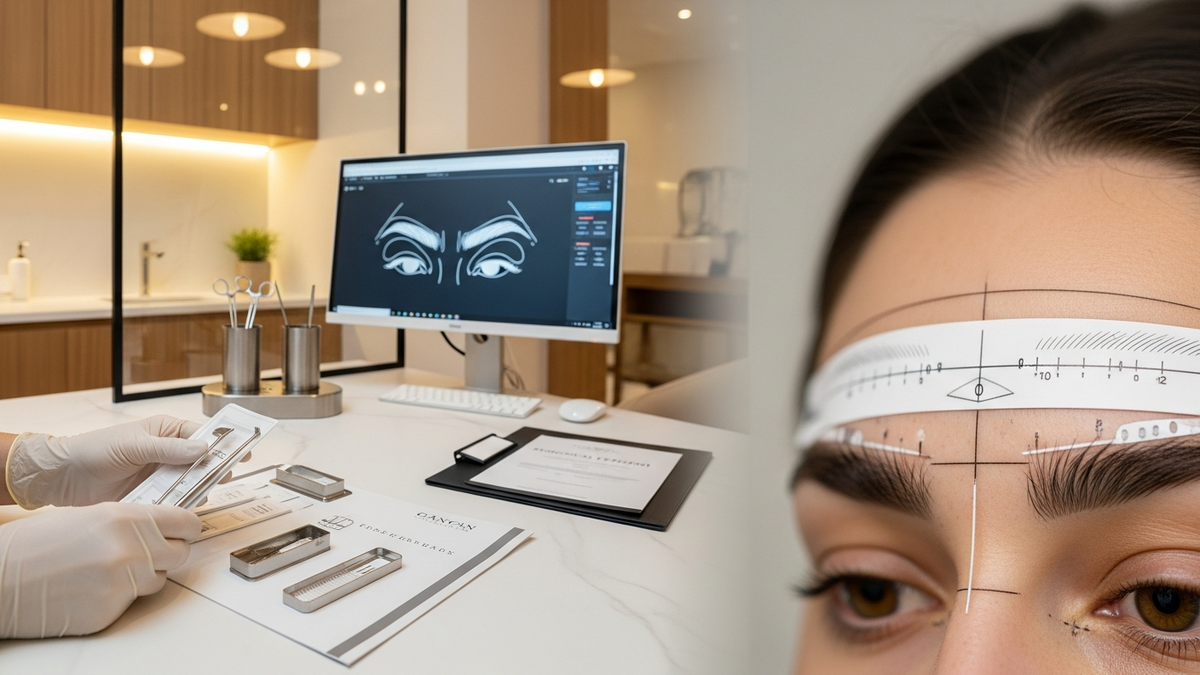
1) Brow mapping and facial harmony
Surgeons typically create a brow plan based on your facial proportions. This includes assessing the relationship between the brow line, eyelid position, and eye spacing. The goal is not to copy a trend—it’s to enhance what already suits your face.
2) Density where it matters most
A common misconception is that “more grafts” always equals better results. In reality, overly dense placement can look unnatural. Often, the best aesthetic outcome comes from restoring key gaps while keeping the overall brow texture light and realistic.
3) Camouflaging scarring and irregularities
If your brow loss includes scarring, the transplant plan may need additional considerations for skin quality and placement strategy. Your surgeon may also discuss whether staged treatment is beneficial.
Eyebrow Transplant Tampa: What to Expect During the Procedure
While exact protocols vary, a typical eyebrow transplant experience includes:
- Pre-operative assessment: mapping, design, and donor/recipient evaluation
- Harvesting: extracting follicular units from the donor area
- Recipient site creation: making precise channels for placement
- Graft placement: positioning each graft according to the brow hair direction and pattern
- Post-procedure care: instructions for cleaning, healing, and monitoring
Because eyebrows are a high-visibility area, many patients value surgeons who specialize in head and neck cosmetic/reconstructive techniques. For example, specialists focused on natural facial aesthetics often apply the same level of artistry and anatomical precision that’s used in procedures like eyebrow transplant planning.
Recovery Timeline: When Will Brows Look Normal?
Eyebrow transplant results follow a biological timeline. While individual experiences vary, most patients can expect a staged progression:
- First days: mild swelling or redness; the transplanted area may feel tender
- Days 7–14: healing progresses; scabs (if any) typically resolve
- Weeks 3–8: temporary shedding or changes in appearance can occur
- Months 3–6: new growth begins to emerge
- Months 6–12: density and texture continue to refine
- Up to 12–18 months: final maturation for many patients
The most important takeaway: early appearance is not the final result. A premium clinic should set realistic expectations and provide follow-up monitoring.
Aftercare Essentials for Eyebrow Transplant Tampa Patients
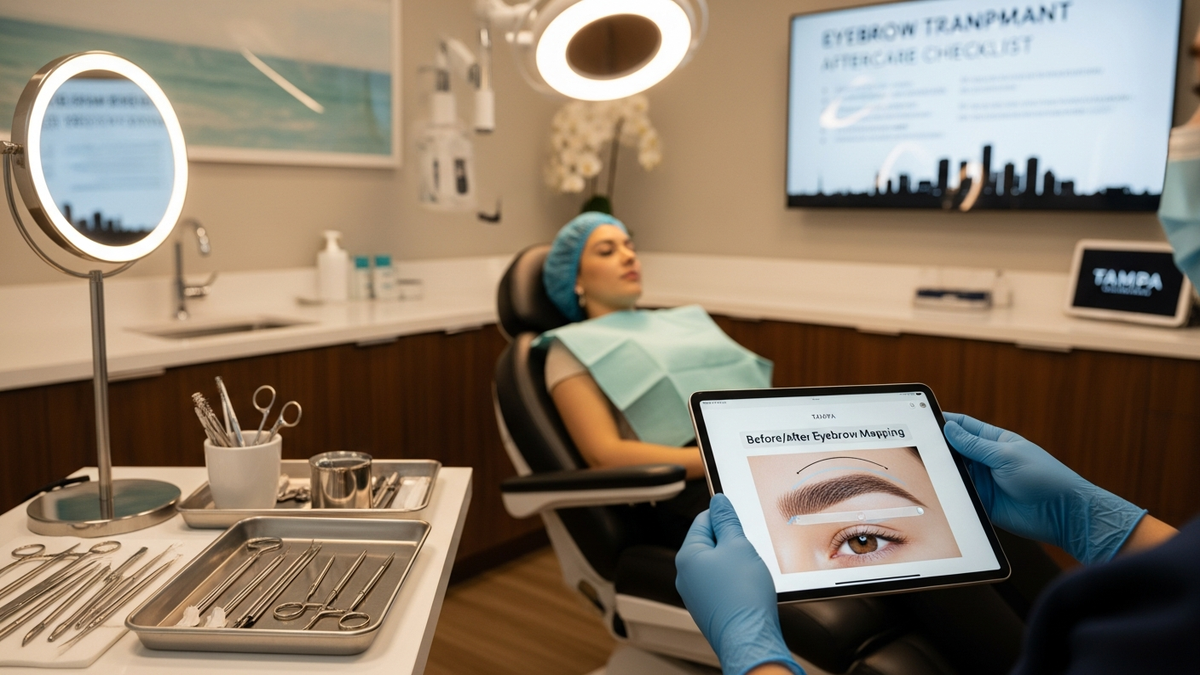
Aftercare can influence comfort and the quality of healing. Your surgeon will provide personalized instructions, but common aftercare themes include:
- Gentle cleansing as directed (avoid rubbing or harsh products)
- Protecting graft sites from friction and excessive moisture
- Sleep positioning recommendations to minimize pressure on the brow
- Avoiding strenuous exercise for a period specified by your team
- Sun protection to reduce pigment changes during healing
- Medication guidance (use only what your surgeon prescribes)
If you wear makeup, you’ll likely be advised to pause until healing reaches a safe stage. Always ask your surgeon when it’s okay to resume routine grooming.
Potential Risks and Side Effects
Every surgical procedure has potential risks. A reputable clinic should discuss them clearly during your consultation. Common possibilities may include:
- Temporary swelling or redness
- Scabbing and minor irritation during early healing
- Temporary shedding before regrowth
- Infection (rare with proper technique and aftercare)
- Asymmetry that may require additional refinement
- Unfavorable growth direction if placement isn’t optimal
Choosing a surgeon experienced in facial aesthetics and graft placement can reduce the risk of unnatural results. Look for evidence of consistent, natural-looking outcomes rather than only marketing claims.
How Much Does an Eyebrow Transplant Cost in Tampa?
Pricing for eyebrow transplant Tampa varies based on factors such as:
- Graft count and complexity of design
- Recipient area condition (e.g., scarring)
- Donor considerations and whether additional sessions are needed
- Surgeon experience and facility resources
- Included services (consultation, follow-ups, aftercare)
Instead of focusing solely on the lowest quote, consider the value of surgical planning, graft handling, and follow-up care. Premium results typically reflect premium technique and time-intensive artistry.
How to Choose the Right Clinic for Eyebrow Transplant Tampa
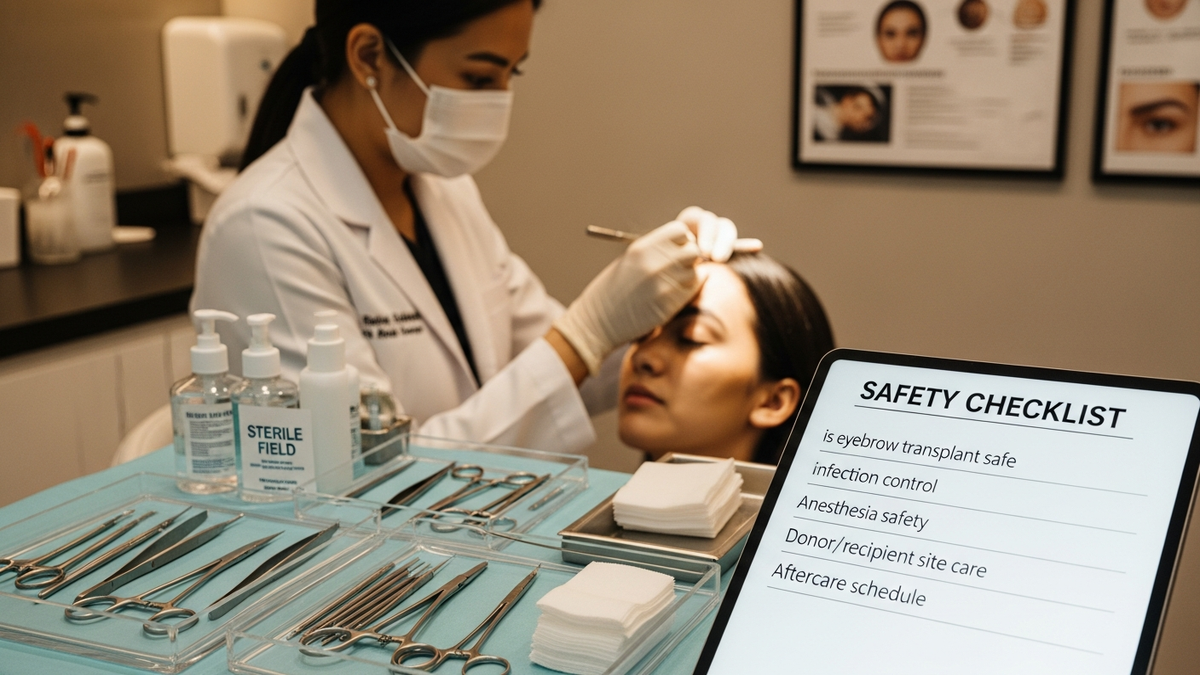
Use a structured checklist. A trustworthy clinic will welcome your questions and provide transparent answers.
Questions to ask during your consultation
- How do you design brows for natural direction and density?
- What donor area will be used, and why?
- What results can I realistically expect based on my anatomy?
- Do you offer before-and-after photos for eyebrow-specific cases?
- How do you handle scarring or uneven brows?
- What does aftercare include and how often are follow-ups scheduled?
- What is your approach to safety and risk management?
Red flags to avoid
- Vague answers about technique or design
- Promises of “instant” results without discussing timeline
- Pressure tactics or unclear pricing
- Only relying on generic before-and-after images without context
Eyebrow Transplant and Other Facial Procedures: A Broader Perspective
Sometimes eyebrow restoration is part of a larger facial rejuvenation plan. While every patient’s needs are unique, it’s helpful to understand how specialists approach head and neck aesthetics overall.
For example, if you’re also considering facial refinements, a surgeon who focuses on head and neck cosmetic/reconstructive surgery may discuss options such as a Facelift or eye-area procedures like Blepharoplasty. These treatments can influence how brows frame the eyes and how facial features appear as you heal.
In addition, some patients have functional concerns related to the nose or breathing. If that’s you, it can be relevant to ask about procedures like Septoplasty or discuss a Deviated Septum. While these are separate from eyebrow transplantation, addressing facial function and aesthetics together can be part of a holistic approach.
Similarly, if nasal aesthetics are part of your goals, you may want to review Rhinoplasty considerations with your care team.
What FlowGeniQ Digest Readers Often Ask
As a content source, FlowGeniQ Digest aims to translate complex medical topics into practical decision-making. Here are a few recurring themes from our audience:
- “Will my brows look like they’ve always been there?” Natural results depend on hair direction, density distribution, and graft placement—not just graft quantity.
- “How long until I’m happy with how I look?” Patience is crucial. Early shedding and growth changes are common before final maturation.
- “Is eyebrow transplant only for men?” No. Many women and men pursue eyebrow restoration for different reasons, including symmetry and density.
- “Can scarring be improved?” Sometimes. The feasibility depends on scar type and skin quality.
Eyebrow Transplant Tampa: A Practical Pre-Consultation Checklist
To get the most out of your consultation, consider preparing:
- Photos in consistent lighting (front-facing and both sides)
- A list of medications and supplements
- Your brow history (over-plucking, treatments tried, injuries, autoimmune history)
- Your goals: fuller tails, better arch, symmetrical shape, etc.
- Questions using the checklist above
Preparation helps your surgeon evaluate your case more efficiently and can improve clarity around timelines and expectations.
Related Procedure Insight: Eyebrow Hair Transplant vs. Scalp Hair Transplant
Patients sometimes wonder whether eyebrow restoration is simply a smaller version of scalp hair restoration. While graft biology is related, the aesthetic demands are different. Eyebrow hair is typically shorter, grows in distinct patterns, and is viewed up close.
That’s why eyebrow-specific planning matters. If you’re comparing options, you may find it helpful to explore detailed guidance on eyebrow transplant considerations and how specialists approach facial hair placement.
FAQ: Eyebrow Transplant Tampa
How long do eyebrow transplant results take?
Many patients see early changes in months 3–6, with continued refinement through months 6–12. Final maturation can take up to 12–18 months, depending on individual growth patterns and technique.
Will my transplanted eyebrow hair shed?
Temporary shedding or changes in appearance can occur during the growth cycle. This does not necessarily mean the transplant failed—regrowth typically follows as follicles transition into the next growth phase.
Is an eyebrow transplant painful?
Most clinics use anesthesia and provide pain-control plans. Patients typically report mild discomfort rather than severe pain. Your surgeon will discuss what to expect and how discomfort is managed.
Can I get eyebrow transplant if I have scarring?
Scarring can sometimes be addressed, but feasibility depends on the scar type, skin quality, and whether the recipient area can support graft placement. A specialist should evaluate your specific scars during consultation.
How do I choose between different clinics in Tampa?
Prioritize surgeons who explain their design approach, show eyebrow-specific outcomes, and provide clear aftercare and follow-up. Ask about technique, risk management, and how they handle asymmetry or scarring.
CTA: Ready to Explore Eyebrow Transplant Tampa?
If you’re considering an eyebrow transplant Tampa, the best next step is a consultation where your brow design, donor options, and realistic outcome goals can be assessed. At FlowGeniQ Digest, we encourage readers to choose clinics that emphasize facial harmony, natural placement, and transparent patient education.
Take action today: gather a few photos, write down your top goals, and schedule a consultation with a qualified specialist to discuss your candidacy and a tailored plan.
Professional Disclaimer
This content is provided for general educational purposes only by FlowGeniQ Digest. It is not a substitute for professional advice, diagnosis, or treatment. Readers are advised to consult qualified professionals for personalized recommendations.
Medical Information Disclaimer
This content is provided for general educational purposes only by FlowGeniQ Digest. It is not a substitute for professional advice, diagnosis, or treatment. Readers are advised to consult qualified professionals for personalized recommendations.