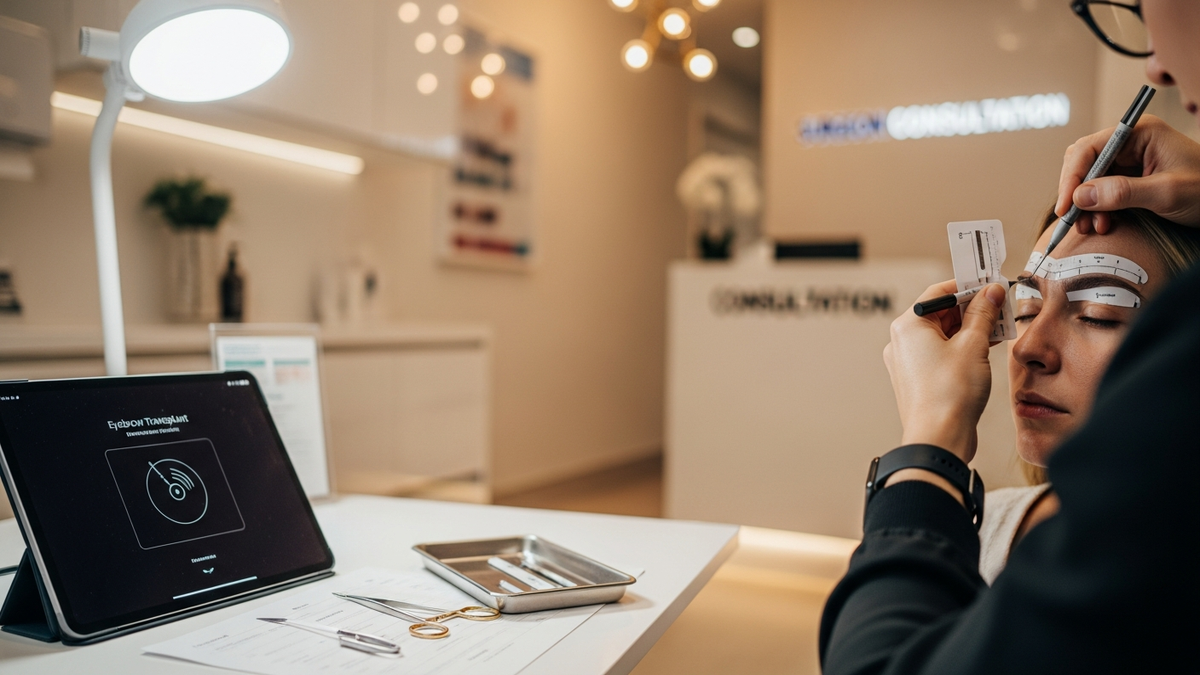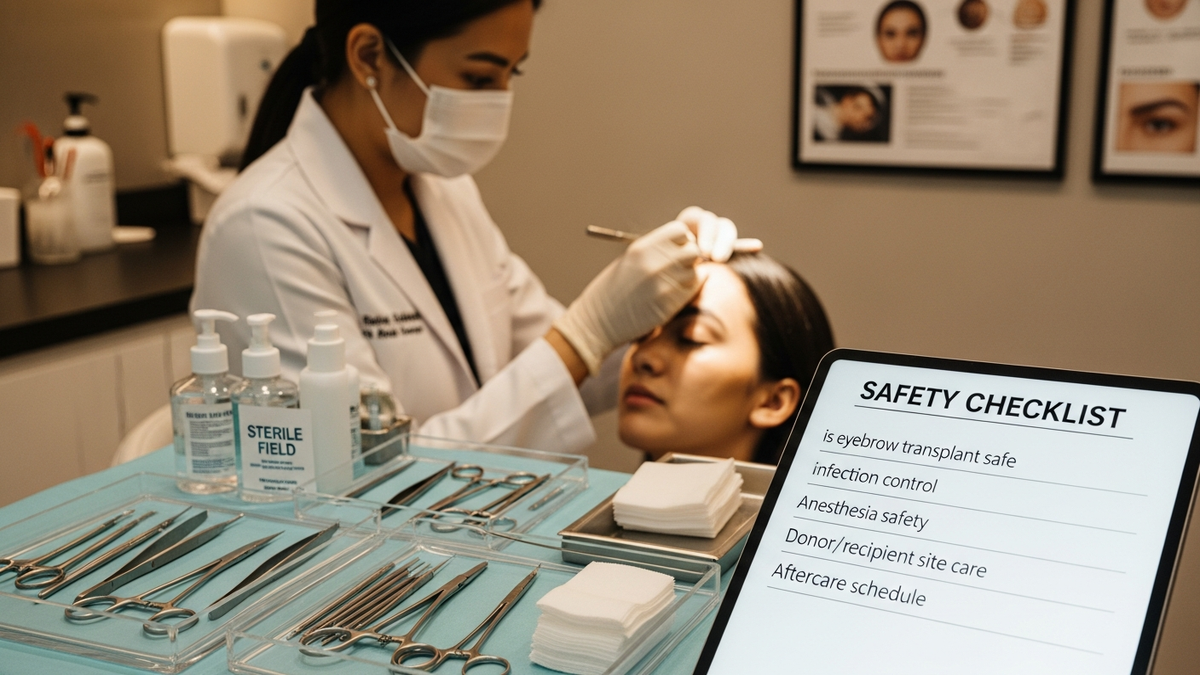
Eyebrow transplant side effects are one of the most searched topics for anyone evaluating eyebrow restoration—especially when you want a natural, balanced result that still looks like “you.” At FlowGeniQ Digest, we created this guide to help you understand the realistic risks, recovery timeline, and prevention strategies associated with eyebrow transplantation. While many patients experience minimal issues, knowing what can happen—and why—helps you make a more informed, safer decision.
Eyebrows frame the eyes, communicate emotion, and strongly influence facial harmony. Because the area is delicate and highly visible, the stakes are higher than with many other cosmetic procedures. That’s why selecting a skilled surgeon and a tailored plan matters as much as the technique itself.
What Is an Eyebrow Transplant (and Why Side Effects Matter)
An eyebrow transplant (also called eyebrow hair restoration) is a procedure designed to restore eyebrow density, shape, or symmetry by transplanting hair follicles—most commonly using FUE (follicular unit extraction) techniques. For patients with eyebrow thinning or loss due to medical conditions, over-plucking, trauma, scarring, or aging, transplantation can offer a more permanent improvement than topical solutions alone.
However, like any surgical procedure, eyebrow transplantation involves incisions, donor-area harvesting, and healing. Those processes can lead to temporary or, less commonly, persistent eyebrow transplant side effects. Understanding the spectrum of possible outcomes helps you separate normal healing from complications.
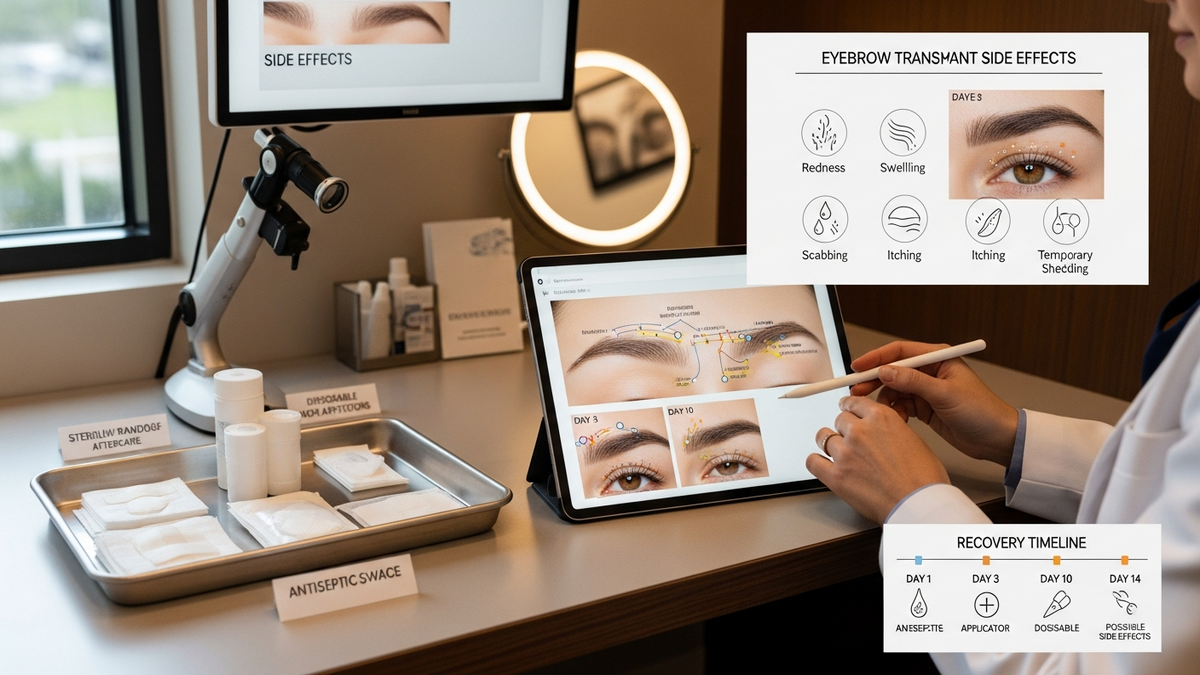
Common Eyebrow Transplant Side Effects (Expected During Healing)
Most eyebrow transplant side effects are temporary and part of the normal healing response. The goal is to recognize what’s typical, what’s concerning, and how long you should expect each change.
1) Swelling and redness
Swelling around the eyebrow area and mild redness are common after surgery. The degree varies based on individual healing, surgical technique, and how your skin responds to micro-incisions.
- Typical timing: Often peaks within the first 48–72 hours.
- What to do: Follow your surgeon’s aftercare instructions closely; use recommended cold compresses (if approved) and avoid rubbing.
2) Bruising
Some patients bruise, especially if they have a tendency to bruise easily or if the procedure is more involved. Bruising usually fades over days to a couple of weeks.
- Typical timing: Often improves within 7–14 days.
- What to do: Avoid blood-thinning medications or supplements unless your surgeon approves them.
3) Itching and tightness
As incisions heal, itching and a “tight” feeling are common. Itching can be intense, but scratching can disrupt grafts and increase inflammation.
- Typical timing: Common during the scabbing phase (often around the first week).
- What to do: Use only approved topical products; keep the area clean and dry per instructions.
4) Scabbing and crusting
Micro-crusts can form where grafts are placed. These typically shed naturally.
- Typical timing: Often improves within 7–14 days.
- What to do: Do not pick scabs; allow them to fall off on their own.
5) Temporary shedding (shock loss)
Even after graft placement, transplanted hairs may shed after a period—this is frequently referred to as “shock loss” and is often part of the growth cycle.
- Typical timing: Shedding can occur within weeks after surgery; regrowth typically begins later.
- What to do: Be patient—results are usually evaluated over months, not weeks.
6) Dryness and mild flaking
Dry skin and mild flaking can occur as the scalp/skin heals. Your surgeon may recommend gentle cleansing and specific aftercare.
Eyebrow Transplant Side Effects That May Signal a Complication
While many issues are expected, some symptoms may indicate infection, poor healing, or other complications. Knowing the warning signs helps you act quickly.
1) Infection
Infection is uncommon but possible. It can delay healing and affect graft survival.
- Warning signs: Increasing pain, spreading redness, warmth, pus, fever, or worsening swelling after the initial period.
- Action: Contact your surgeon promptly if these occur.
2) Persistent or worsening swelling
Some swelling is normal early on. Persistent swelling or swelling that worsens after day 3–4 should be reviewed.
3) Bleeding that doesn’t stop
Minor spotting can occur, but ongoing bleeding should be assessed.
4) Folliculitis (inflamed hair follicles)
Inflamed follicles can appear as small bumps or pustules. This may be related to skin sensitivity, hygiene, or bacterial colonization.
- Warning signs: Tender bumps, itch with pustules, or worsening redness.
5) Scarring or textural changes
Most eyebrow transplant procedures aim to minimize visible scarring. Still, individuals vary in how their skin heals (including tendencies toward hypertrophic or keloid scarring).
- Action: Discuss your personal scarring history during consultation.
6) Numbness or altered sensation
Temporary numbness can occur around incision sites. Persistent changes should be evaluated.
7) Uneven growth, asymmetry, or unnatural density
Not every “side effect” is medical—some are aesthetic. Poor graft placement, unsuitable donor hair, or an approach that doesn’t respect eyebrow architecture can lead to a result that looks uneven, too thick, too sparse, or misaligned.
- Prevention: Choose a surgeon experienced in eyebrow design, not just hair restoration.
Why Eyebrow Transplant Side Effects Happen
Understanding the “why” behind side effects can help you reduce risk. Common drivers include surgical technique, aftercare compliance, skin type, and graft handling.
Technique and graft handling
Eyebrow hair requires careful attention to angle, direction, and density. Small technical differences can influence healing and long-term appearance.
Donor site characteristics
Eyebrow grafts may be harvested from the scalp, occipital area, or other donor regions depending on the plan. Donor quality affects the likelihood of achieving natural-looking hair texture and curl pattern.
Individual healing and skin sensitivity
People heal at different rates. Conditions like eczema, psoriasis, uncontrolled diabetes, or immune-related issues can affect recovery and complication risk.
Aftercare and friction
Rubbing, excessive moisture, improper cleansing, or picking scabs can increase inflammation and reduce graft survival.
Eyebrow Transplant Recovery Timeline (What to Expect Week by Week)
Recovery is not one event—it’s a process. Here’s a practical, general timeline that many patients experience. Your surgeon’s plan may vary based on your technique and healing profile.
First 0–72 hours
- Swelling and redness may be most noticeable.
- Follow medication and cleansing instructions exactly.
- Avoid strenuous activity and touching the area.
Days 4–10
- Scabbing/crusting and itching can increase.
- Gently follow your surgeon’s cleaning routine.
- Do not pick scabs; let them shed naturally.
Days 10–21
- Most crusting should be resolved.
- Skin may appear dry or slightly uneven temporarily.
- Continue protective measures (as advised) to reduce irritation.
Weeks 3–8
- Temporary shedding may occur.
- Some patients feel concerned, but shedding can be part of normal growth cycling.
Months 3–6
- Regrowth becomes more apparent.
- Texture and density gradually improve as hairs lengthen.
Months 6–12+
- Final density and shape often continue refining over time.
- Some patients may consider a second session for optimal symmetry.
How to Reduce Eyebrow Transplant Side Effects (Actionable Tips)
You can’t eliminate all risks, but you can meaningfully lower the chances of complications and improve comfort during recovery.
Choose the right surgeon for eyebrow-specific artistry
Eyebrows are not just hair—they’re facial design. A surgeon who understands eyebrow architecture (tail, head, arch, and spacing) is more likely to place grafts with natural direction and angulation.
Dr. Hootan Zandifar, a board-certified facial plastic and reconstructive surgeon focused solely on head and neck procedures, emphasizes patient education and natural-looking outcomes. Because eyebrows are a focal point, he prioritizes careful planning and technique selection for each patient’s facial anatomy and goals. (For those exploring related facial rejuvenation options, you may also find value in reviewing procedures such as eyebrow transplant and other complementary facial enhancements.)
Discuss your medical history early
- Tell your surgeon about autoimmune conditions, skin disorders, past infections, scarring tendencies, and medication use.
- If you have a history of keloids or hypertrophic scars, mention it during consultation.
Follow aftercare instructions exactly
Aftercare is where many outcomes are won or lost. Stick to your cleansing routine, avoid prohibited products, and protect grafts from friction and sun exposure as directed.
Manage bleeding and inflammation risk
- Ask about medication adjustments (including supplements) before surgery.
- Avoid smoking and follow any nutrition guidance your clinician provides.
Be realistic about regrowth
Eyebrow hair growth is slower than many patients expect. Evaluating results requires months, not days. This mindset can reduce unnecessary “touching” of the area and help you stay compliant with aftercare.
Who Is a Good Candidate for an Eyebrow Transplant?
Not everyone is an ideal candidate for eyebrow transplantation. The best candidates typically have realistic expectations, adequate donor hair, and a clear understanding of the recovery timeline.
Potential good candidates
- People with eyebrow thinning or patchy loss after medical conditions or trauma.
- Individuals with over-plucking-related thinning who want a more permanent solution.
- Patients seeking natural restoration with careful eyebrow design.
Situations requiring extra evaluation
- Active skin infections or uncontrolled inflammatory skin conditions.
- Significant scarring that may need specialized approaches.
- Patients who cannot commit to aftercare or follow-up visits.
Eyebrow Transplant vs. Other Eyebrow Restoration Options
Depending on the cause of eyebrow loss, alternative approaches may be considered. Comparing options can also reduce disappointment and improve satisfaction.
Non-surgical options
- Cosmetic camouflage: makeup techniques or microblading (not a graft, but can improve appearance).
- Topicals: may help some causes of thinning, depending on diagnosis.
Surgical options
A true hair restoration plan may be considered when density restoration is the goal. If you’re also researching broader hair restoration, you may find helpful context in a hair transplant overview.
Potential Eyebrow Transplant Side Effects by Technique (FUE-focused context)
Many eyebrow transplants use FUE-style harvesting methods due to their ability to minimize linear scarring. Still, patients should understand that individual outcomes vary.
FUE-related considerations
- Small extraction sites can cause localized scabbing or tenderness at the donor region.
- Graft survival depends on careful handling and proper placement.
Design-driven considerations
Even with excellent technique, eyebrow side effects can include aesthetic issues if the plan doesn’t match your facial proportions. That’s why eyebrow-specific planning matters.
When to Call Your Surgeon Immediately
Most healing issues resolve. But if you experience concerning symptoms, it’s safer to contact your surgeon promptly rather than waiting.
- Fever or chills
- Increasing pain instead of gradual improvement
- Spreading redness, warmth, or pus
- Severe swelling that worsens after the first few days
- Persistent bleeding
How Eyebrow Transplant Results Are Evaluated
Because eyebrow regrowth is gradual, evaluation should be staged. A good clinic will set expectations and discuss how density, shape, and texture evolve over time.
What patients typically notice first
- Changes in hair length and visibility
- Improved eyebrow contour and framing
What matters most long term
- Natural direction and blend with existing eyebrow hairs
- Symmetry and spacing
- Balanced density (not overly thick or patchy)
Related Facial Procedures (If You’re Considering a Broader Facial Refresh)
Some patients exploring eyebrow restoration are also interested in other head-and-neck aesthetic enhancements to create a cohesive result. While these procedures are distinct, it can help to view them as part of an overall facial plan.
- Rhinoplasty: If nasal structure changes are part of your facial goals, review Rhinoplasty.
- Blepharoplasty: For eyelid concerns that affect the eye area where eyebrows frame the face, consider Blepharoplasty.
- Facelift: For broader rejuvenation, explore Facelift.
Note: If you also have functional nasal issues, your surgeon may address breathing concerns separately. For example, conditions like a Deviated Septum or Septoplasty may be evaluated when relevant.
Choosing a Clinic: Questions to Ask Before You Sign
Because eyebrow transplant side effects can be influenced by planning and technique, your consultation should feel thorough. Use these questions to guide your decision:
- How do you design the eyebrow shape? (Ask about arch, tail, and density planning.)
- What technique will you use? (And why is it appropriate for my donor hair and skin?)
- What are your most common side effects and how do you manage them?
- What does aftercare include? (Cleansing, products, activity limits, follow-up schedule.)
- What results can I realistically expect at 3, 6, and 12 months?
- Do you offer revision options if density or symmetry isn’t ideal?
FAQ: Eyebrow Transplant Side Effects
How long do eyebrow transplant side effects last?
Many side effects—such as redness, swelling, itching, and scabbing—typically improve within 1–2 weeks. Temporary shedding may occur within the first couple of months. Visible regrowth usually progresses over several months, with more complete results often evaluated around 6–12 months.
Are eyebrow transplant side effects permanent?
Most side effects are temporary and related to healing. However, a small number of patients may experience persistent issues such as scarring, altered sensation, or long-term aesthetic concerns (e.g., uneven growth). Choosing an experienced surgeon and following aftercare can reduce risk.
Can eyebrow transplant cause infection?
Infection is uncommon, but it can happen. Warning signs include worsening pain, spreading redness, warmth, pus, fever, or rapidly increasing swelling. If you notice these symptoms, contact your surgeon immediately.
What helps reduce itching after an eyebrow transplant?
Itching is often part of normal healing. The best approach is to follow your clinician’s approved cleansing and aftercare regimen. Avoid scratching or picking scabs, and do not apply unapproved creams or oils.
Will my transplanted eyebrow hair look natural?
Natural appearance depends on multiple factors: donor hair characteristics, graft placement angle/direction, eyebrow design, and your skin’s healing response. A surgeon experienced in eyebrow restoration planning is more likely to achieve a result that blends well with your existing hair.
CTA: Ready to Discuss Eyebrow Restoration?
If you’re considering an eyebrow transplant and want to approach the process with clarity—especially around eyebrow transplant side effects—the next best step is an in-person consultation. A thorough evaluation can help determine the safest approach for your anatomy, donor quality, and desired eyebrow shape.
For patients in Los Angeles and Beverly Hills, Dr. Hootan Zandifar is known for an honest, patient-centered approach and a commitment to education—so you can make well-informed decisions with realistic expectations. To learn more about eyebrow restoration options, visit eyebrow transplant or schedule a consultation to discuss your goals.
Professional Disclaimer
This content is provided for general educational purposes only by FlowGeniQ Digest. It is not a substitute for professional advice, diagnosis, or treatment. Readers are advised to consult qualified professionals for personalized recommendations.
Medical Information Disclaimer
This content is provided for general educational purposes only by FlowGeniQ Digest. It is not a substitute for professional advice, diagnosis, or treatment. Readers are advised to consult qualified professionals for personalized recommendations.