Source: FlowGeniQ Digest
Eyebrow Transplant: What to Expect From Consultation to Final Results
If you’re searching for an eyebrow transplant, you’re likely looking for more than a cosmetic fix—you want symmetry, a natural hairline, and results that fit your facial features. Eyebrows frame the eyes, influence expression, and often affect how confident you feel in photographs and everyday interactions. The good news: modern hair restoration techniques can create believable eyebrow regrowth when performed by an experienced surgeon using a meticulous, patient-specific plan.
In this guide, FlowGeniQ Digest explains how eyebrow transplantation works, who may be a candidate, what recovery involves, and which questions to ask before you commit. We’ll also address common concerns such as scarring, hair direction, thickness, and long-term maintenance.
What Is an Eyebrow Transplant?
An eyebrow transplant is a hair restoration procedure designed to restore eyebrow density, shape, or both. During the procedure, grafts containing hair follicles are harvested from a donor area (commonly the scalp) and placed into the eyebrow region using fine, controlled techniques.
Because eyebrows are a focal point on the face, the goal isn’t just “more hair.” It’s natural direction, appropriate thickness, and lifelike placement that harmonizes with your eye spacing, forehead proportions, and skin tone.
Why People Choose an Eyebrow Transplant
Eyebrow loss or thinning can happen for many reasons, including:
- Medical conditions that affect hair growth cycles
- Autoimmune or inflammatory causes (e.g., alopecia-related patterns)
- Trauma to the eyebrow area
- Over-plucking or poor prior cosmetic interventions
- Burns or scarring from injury or dermatologic procedures
- Genetic thinning that progresses over time
For many patients, the emotional benefit is just as important as the aesthetic one: restoring eyebrows can improve facial balance and help people feel more like themselves.
Eyebrow Transplant vs. Other Options
Before choosing surgery, it helps to compare the most common alternatives:
- Topicals and supplements: May help certain causes of thinning but often can’t rebuild lost density reliably.
- Microblading/tattooing: Creates pigment but does not restore actual hair follicles; results may change over time and can complicate future surgical planning.
- Eyebrow growth serums: Variable response; typically best for mild thinning rather than complete loss.
- Eyebrow transplantation: Targets follicle-based restoration for a more permanent, hair-like result.
When the underlying issue involves true hair follicle loss, a transplant may be the most direct path to natural-looking restoration.
Common Techniques for Eyebrow Transplantation
Most eyebrow transplants rely on harvesting follicular units from a donor area and placing them into the eyebrow region with careful attention to angle and density. While specific protocols vary by clinic, the guiding principles remain consistent: precision harvesting, controlled placement, and realistic outcomes.
Follicular Unit Extraction (FUE) for Eyebrows
Many hair restoration centers use FUE principles, where individual follicular units are harvested with minimal disruption to surrounding tissue. For eyebrow work, the surgeon must consider:
- Graft size and quality to match eyebrow hair characteristics
- Donor management to preserve scalp health
- Recipient site creation to set hair direction and density
If you’re also exploring a hair transplant for scalp thinning, many clinics offer integrated planning. Learn more about hair restoration options here: hair transplant.
Scalp-to-Eyebrow Hair Matching
Eyebrow hair differs from scalp hair in texture, growth cycle, and appearance. A skilled surgeon evaluates donor hair characteristics and uses surgical strategy to achieve a convincing eyebrow look. The placement pattern—how hairs are oriented, spaced, and layered—often determines whether results look “real” rather than “planted.”
Who Is a Candidate for an Eyebrow Transplant?
Not everyone is an ideal candidate. In general, you may be considered if you have:
- Significant eyebrow thinning or missing sections
- Stable hair loss patterns (or a plan to address active shedding)
- Realistic expectations about density, texture, and timeline
- Good skin quality in the recipient area (important for graft survival)
- Enough donor supply to create the desired eyebrow coverage
Clinicians also consider medical history such as autoimmune conditions, prior procedures, medications, and smoking status. If you have a history of eyebrow tattooing or scarring, the plan may change to support graft survival and natural contour.
When Eyebrow Loss Is Due to a Medical Condition
If eyebrow loss is related to an underlying condition, it may be essential to stabilize the cause before or alongside surgical restoration. A thoughtful surgeon will coordinate with your dermatologist or primary care clinician when appropriate.
How Eyebrow Transplant Planning Works
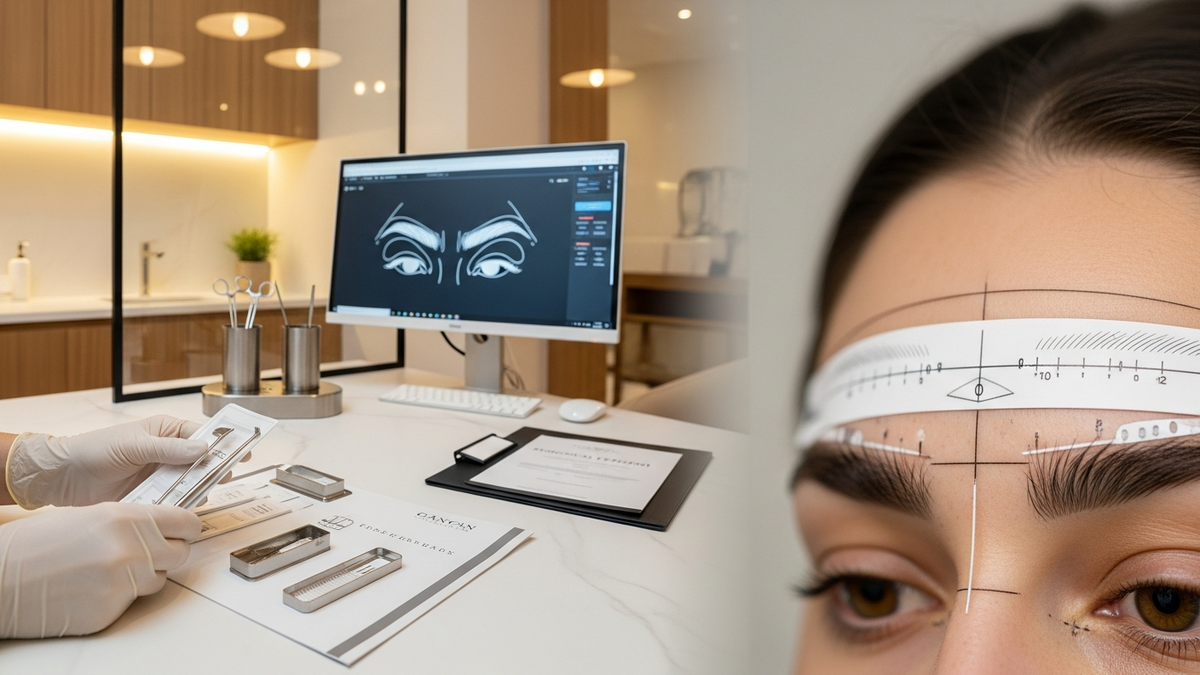
One of the most important phases of any eyebrow transplant is preoperative design. Eyebrows aren’t uniform blocks—they have structure: a head (inner portion), arch, and tail (outer portion). A precise plan should consider your facial anatomy and your natural eyebrow anatomy (even if partially present).
Designing Shape, Density, and Hair Direction
During consultation, your surgeon typically reviews:
- Your facial proportions (eye spacing, forehead height, and midface structure)
- Your current eyebrow pattern and what you want to change
- Natural hair direction (how hairs angle and lay on your skin)
- Desired density based on your age, styling preferences, and realism
Eyebrow symmetry is rarely perfect in nature. A skilled surgeon aims for harmonized balance rather than identical mirror images.
Managing Expectations About Thickness and Coverage
Because eyebrow hair grows in cycles, results develop over time. It’s common for early transplanted hair to shed as part of the process, followed by regrowth. Many patients need patience and adherence to post-op care instructions to achieve the final look.
Step-by-Step: What Happens During an Eyebrow Transplant?
While details vary by clinic, here is a typical flow of the procedure:
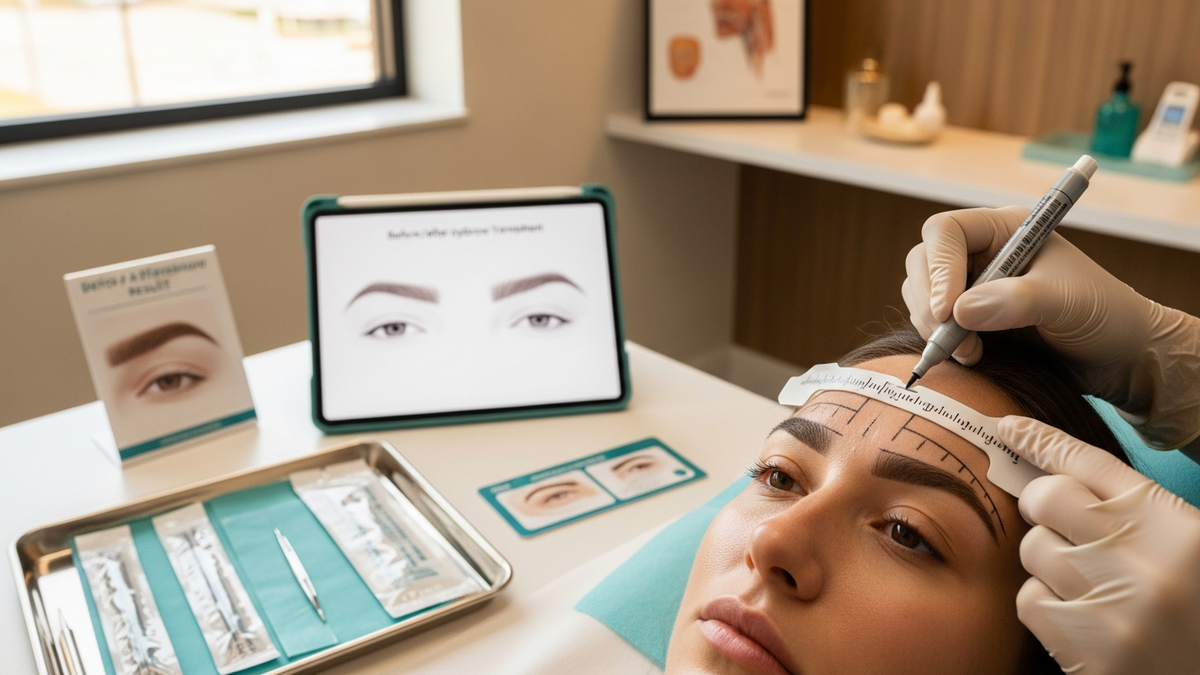
- Pre-op assessment and marking: The surgeon maps the eyebrow design, including placement zones and hair direction.
- Donor harvesting: Follicular units are extracted from a donor area using a minimally invasive technique.
- Recipient site preparation: Tiny channels or sites are created in the eyebrow region to guide graft placement.
- Graft placement: Each graft is placed carefully to match the planned angle, spacing, and density.
- Post-procedure care: You receive instructions for wound care, medications (if prescribed), and follow-up visits.
For patients considering eyebrow restoration specifically, you can explore eyebrow-focused services here: eyebrow transplant.
Recovery Timeline: Eyebrow Transplant Aftercare
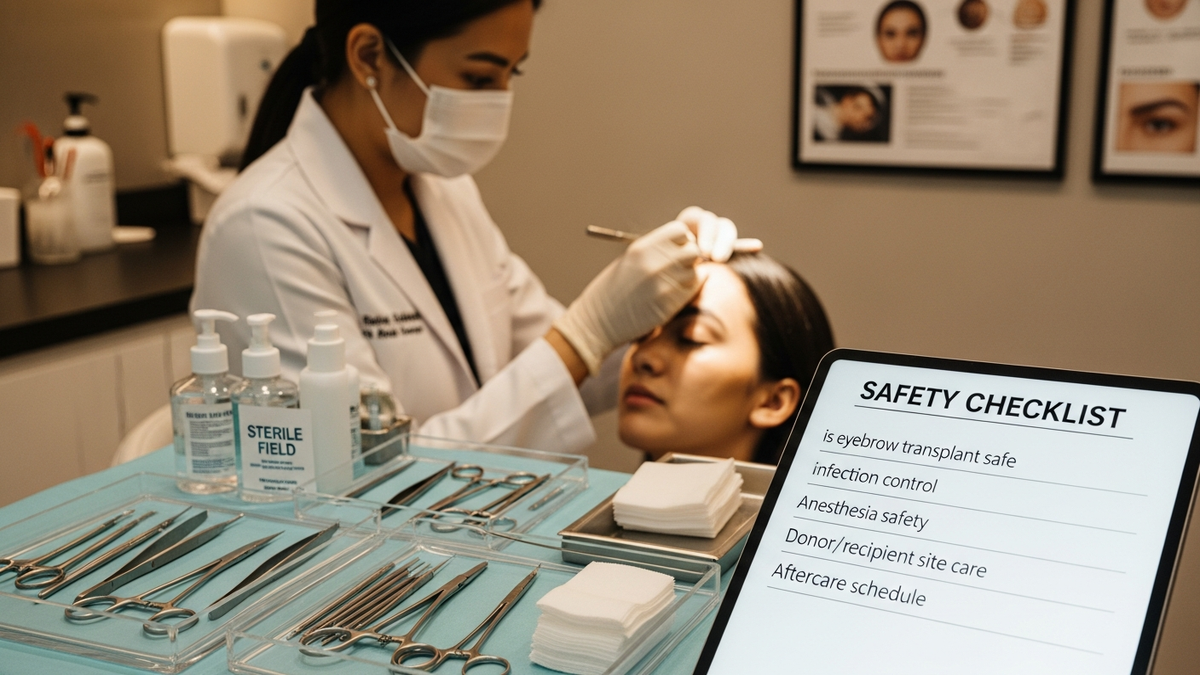
Recovery is usually manageable, but it requires discipline. Your surgeon’s protocol matters because graft survival depends on proper post-op care.
First Week
- Swelling and redness may occur, often mild.
- Crusting can form around graft sites.
- Gentle cleansing is usually recommended (follow your surgeon’s exact instructions).
- Avoid rubbing the eyebrow area; protect it from friction.
Weeks 2–6
- Many patients experience temporary shedding of transplanted hairs.
- Skin should continue healing; follow-up visits may monitor progress.
- Some patients return to normal activities with surgeon-approved guidance.
Months 2–6 and Beyond
- New growth becomes more visible as follicles re-enter active growth phases.
- Hair texture and density can evolve as regrowth matures.
- Final results may take several months to fully develop, depending on individual biology and graft planning.
Long-Term Care and Maintenance
Even after successful transplantation, hair loss elsewhere may continue if you have an underlying tendency. A comprehensive hair restoration plan—especially if you’re also dealing with scalp thinning—can support overall outcomes.
Actionable tip: Keep a simple photo timeline (same lighting and angle) to track progress objectively. This can help you understand the growth cycle rather than judging too early.
Potential Risks and Side Effects
All surgical procedures have risks. While eyebrow transplants are generally safe when performed by qualified surgeons, it’s important to understand possible side effects:
- Temporary swelling or bruising
- Infection (rare with proper aftercare)
- Scarring (usually minimal with meticulous technique, but depends on individual healing)
- Uneven density or need for touch-up
- Hair direction issues if placement isn’t optimized
- Allergic or sensitivity reactions to topical products
Choosing a surgeon who performs head-and-neck cosmetic/reconstructive work can be an advantage because eyebrow design is highly tied to facial aesthetics, skin dynamics, and natural expression.
How to Choose the Right Surgeon for an Eyebrow Transplant
Because eyebrows are so visually central, the “best” surgeon isn’t only the one with the most advanced tools—it’s the one with the best aesthetic judgment, surgical precision, and patient education.
What to Look For
- Specialized experience with eyebrow restoration (not just general hair restoration)
- Natural-looking outcomes in before-and-after galleries, especially for your eyebrow pattern type
- Transparent consultation: realistic density goals, discussion of limitations, and a clear plan for your anatomy
- Evidence of meticulous technique: attention to hair angle, spacing, and graft handling
- Aftercare support with scheduled follow-ups and accessible guidance
Questions to Ask at Your Consultation
- What donor area will you use, and why?
- How do you design eyebrow shape (head, arch, tail) for my face?
- What density goals are realistic for my starting point?
- What is the expected growth timeline for my case?
- How do you handle prior tattooing or scarring?
- How many touch-ups (if any) are typical?
At FlowGeniQ Digest, we encourage patients to prioritize education and long-term outcomes over quick promises. If you’re exploring facial surgery more broadly, it can also be helpful to discuss how eyebrow restoration may complement other aesthetic goals.
Eyebrow Transplant and Facial Harmony: Why Head-and-Neck Expertise Matters
Eyebrows don’t exist in isolation. They interact with eyelids, brow position, forehead lines, and overall facial proportions. That’s one reason head-and-neck cosmetic expertise can be valuable in planning.
Considering Eyelid Surgery or Brow Lift Options
Some patients explore procedures such as Blepharoplasty to address excess eyelid skin or under-eye puffiness. Others may consider a brow lift when brow position affects vision or contributes to a tired appearance.
In some cases, improving eyelid aesthetics or brow position can enhance the overall impact of eyebrow restoration—because the “frame” around the eyes changes.
Complementary Facial Rejuvenation
If you’re also considering broader facial rejuvenation, you may want to review options such as a Facelift. While an eyebrow transplant is focused on hair restoration, facial aging changes can influence how eyebrows look over time.
Eyebrow Transplant in Los Angeles and Worldwide Care
People from many regions seek eyebrow restoration because results depend on surgeon skill and individualized planning. Clinics serving patients worldwide often use modern technology and experienced surgical teams to support consistent outcomes.
For example, TestBiz Hair Clinic is a premium hair transplant clinic offering FUE and FUT procedures with state-of-the-art technology and experienced surgeons. If you’re evaluating options, look for transparent pre-op assessments, clear recovery guidance, and a track record of natural eyebrow restoration.
Similarly, if you’re in the Los Angeles area and also exploring head-and-neck cosmetic procedures, you may find that a surgeon who focuses on head and neck can provide a cohesive aesthetic perspective across multiple facial areas.
Frequently Overlooked Details That Affect Eyebrow Transplant Results
Even with good surgical technique, a few details can make or break the final look:
- Hair angle and direction: The eyebrow should “sit” naturally on the skin.
- Density distribution: Over-concentrating grafts in one zone can look artificial.
- Scalp donor management: The donor area must be harvested responsibly.
- Skin healing quality: Recipient area care is essential for graft survival.
- Realistic expectations: Regrowth is gradual; final results take time.
Actionable tip: If you’re currently using eyebrow products, ask your surgeon when you can resume them. Some ingredients may affect healing or irritation risk.
Life After an Eyebrow Transplant: What Patients Notice
As healing progresses, many patients notice improvements in:
- Facial balance and symmetry
- Expression (eyebrows influence how you look when speaking or smiling)
- Confidence, especially in close-up photos
- Daily convenience if you previously relied heavily on pencils, gels, or fillers
It’s normal for the first few months to feel underwhelming—temporary shedding can be discouraging. But with proper aftercare and time, the result often becomes more convincing as growth matures.
Related Procedures You May Hear About in the Same Consultations
While an eyebrow transplant is focused on hair restoration, some patients attend consultations for multiple facial concerns. Depending on your goals, you may also discuss:
- Rhinoplasty if nasal structure affects overall facial harmony: Rhinoplasty
- Septal concerns that can influence breathing and comfort, such as a Deviated Septum or Septoplasty
Not every patient needs these procedures. The key is a coordinated, individualized plan rather than a one-size-fits-all approach.
FAQ: Eyebrow Transplant Questions Answered
How long does an eyebrow transplant take?
Procedure time varies based on how many grafts are needed and whether you’re restoring one eyebrow or both. Your surgeon can provide an estimate during consultation after assessing your current eyebrow density and desired outcome.
Will my transplanted eyebrow hair look natural?
When the surgeon designs the shape and places grafts with attention to hair direction and spacing, results can look highly natural. Natural outcomes depend on both surgical technique and realistic planning based on your anatomy and donor hair characteristics.
Do eyebrow transplants leave visible scars?
Most techniques aim to minimize scarring. Donor harvesting methods and individual healing patterns influence the final appearance. During your consultation, ask about scarring expectations for both the donor and recipient areas.
When will I see results?
Eyebrow hair regrowth is gradual. Many patients see early changes after a few months, with more mature results developing over time. Temporary shedding can occur and is part of the growth cycle.
Is an eyebrow transplant the same as an eyebrow tattoo or microblading?
No. Tattoos and microblading add pigment but don’t restore follicles. An eyebrow transplant restores hair follicles, aiming for true hair-like regrowth.
CTA: Ready to Explore an Eyebrow Transplant?
If you’re considering an eyebrow transplant and want a personalized plan grounded in facial aesthetics, careful donor evaluation, and realistic expectations, the next step is a consultation. A qualified surgeon can assess your eyebrow pattern, discuss technique options, and outline a recovery timeline tailored to you.
Take action today: Schedule an evaluation with a reputable clinic experienced in facial cosmetic and reconstructive surgery. Bring reference photos, note your medical history, and be prepared to discuss your goals for shape, density, and symmetry.
FlowGeniQ Digest is here to help you ask better questions and make informed decisions—because the best results start before the first incision.
Professional Disclaimer
This content is provided for general educational purposes only by FlowGeniQ Digest. It is not a substitute for professional advice, diagnosis, or treatment. Readers are advised to consult qualified professionals for personalized recommendations.
Medical Information Disclaimer
This content is provided for general educational purposes only by FlowGeniQ Digest. It is not a substitute for professional advice, diagnosis, or treatment. Readers are advised to consult qualified professionals for personalized recommendations.