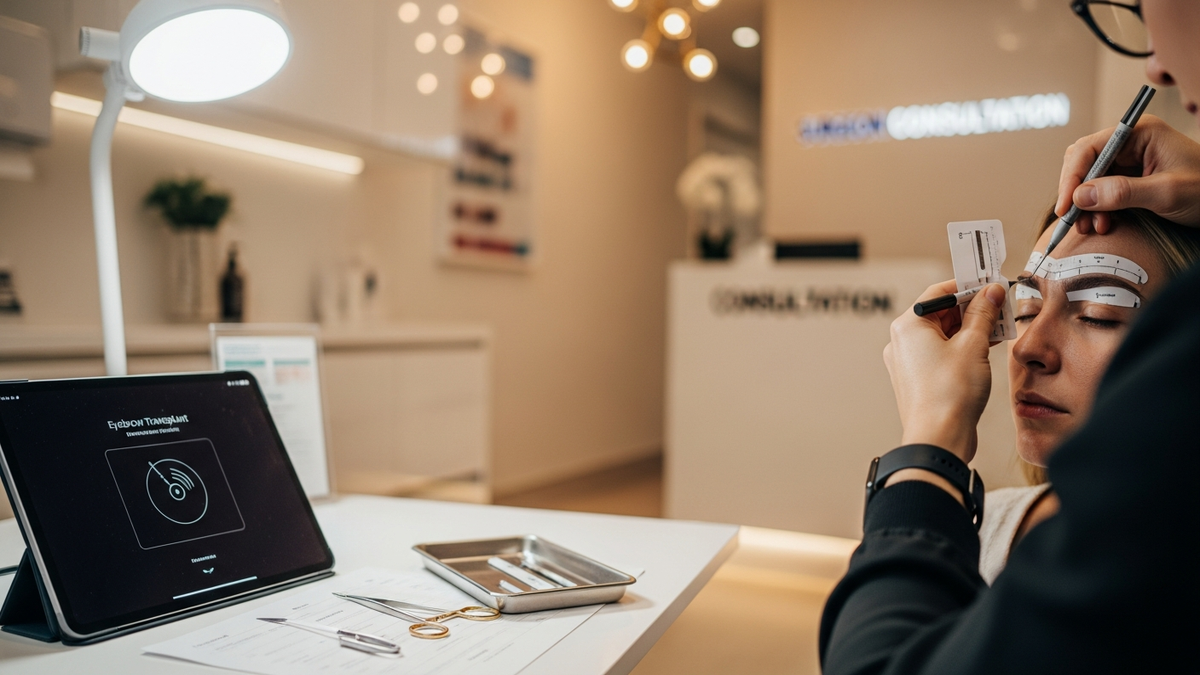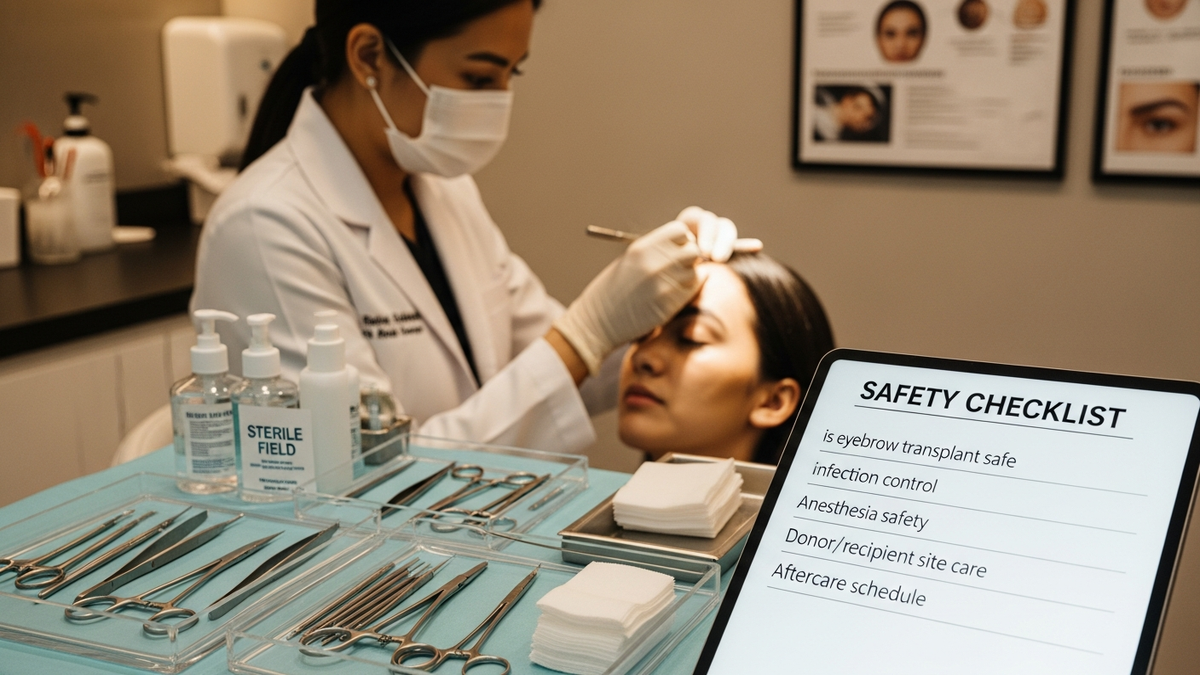
Eyebrow transplant recovery time is one of the most asked questions we hear at FlowGeniQ Digest from people planning a more defined, natural-looking brow line. Because eyebrows frame the eyes and strongly influence facial expression, healing isn’t just about comfort—it’s also about protecting the grafts so they can grow. The good news: most patients can return to everyday activities fairly quickly, while the full transformation takes months.
In this article, we’ll walk through what typically happens after an eyebrow transplant, including the early healing window, scab and shedding phases, and the point when new hair begins to look like “real” eyebrows. We’ll also cover practical do’s and don’ts, factors that affect recovery, and questions to ask your surgeon before you schedule.
What is an eyebrow transplant, and why recovery time matters
An eyebrow transplant is a specialized procedure that moves hair follicles to areas with thinning or loss. Like other hair restoration techniques, the approach can vary by clinic and surgeon, but the goal is consistent: place grafts in a direction and angle that match your natural brow pattern.
Recovery time matters because grafts need a stable environment to survive and begin the growth cycle. Early post-op care affects swelling, scab thickness, infection risk, and how comfortably you can follow cleansing and medication instructions. Later, recovery is less about “wound healing” and more about monitoring the growth cycle—especially the common shedding phase.
If you’re comparing options or also considering other hair restoration procedures, you may find it helpful to explore a hair transplant overview to understand how graft survival and growth timelines are discussed in hair restoration generally.
Eyebrow transplant recovery time: a realistic timeline
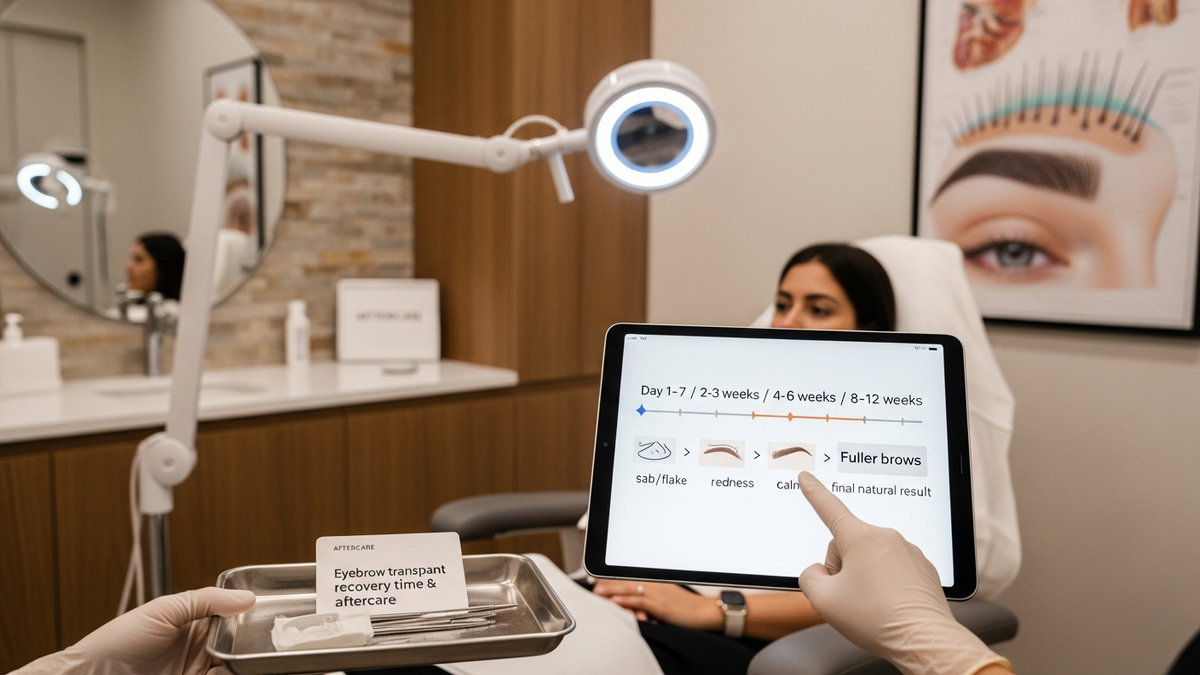
Every patient heals at a different pace. Still, most eyebrow transplant recovery follows a fairly predictable sequence. Below is a practical timeline you can use for planning work, social events, and grooming habits.
First 24–72 hours: swelling, tenderness, and initial scabbing
What you may notice:
- Swelling around the brow area (sometimes mild to moderate)
- Redness and a tight, “stretched” feeling
- Small crusts/scabs forming around graft sites
- Possible bruising, particularly if you’re prone to it
Typical recovery time expectation: Many people feel comfortable returning to light tasks within 1–3 days, but you’ll likely want to avoid anything that increases facial pressure (heavy lifting, intense workouts, or bending for long periods) during this stage.
Practical tips: Keep your head elevated as instructed, take medications exactly as prescribed, and avoid touching or scratching the grafts. Your clinic will usually provide instructions on gentle cleansing and protecting the area.
Days 4–10: scabs mature and begin to flake
What you may notice:
- Scabs become more noticeable and may itch slightly
- Flaking begins as the surface healing progresses
- New hair shafts may be visible under the crusts (this can look unusual but is often normal)
Typical recovery time expectation: This is the phase where patients often feel “stuck” because the area looks crusty. However, it’s also a sign that the surface is healing. Most people can return to work if their job doesn’t involve heavy physical activity or close-up public exposure.
Do not: Don’t pick scabs. Allow them to loosen naturally to reduce the risk of dislodging grafts.
Weeks 2–4: shedding phase (normal, even if it looks alarming)
What you may notice:
- Temporary shedding of transplanted hair (often dramatic)
- Brows may look thinner than before the procedure
- Gradual reduction in redness and crusting
Typical recovery time expectation: Hair shedding is common after transplant procedures because the hair moves through a growth cycle. This does not mean the grafts failed. It usually means the transplanted follicles are transitioning.
Helpful mindset: Think of this stage as a reset. The “empty” look is temporary for many patients, though timelines vary.
Months 2–3: early regrowth and “stubble” appearance
What you may notice:
- Fine new hairs begin to appear
- Less contrast between transplanted and native brow hairs
- Texture may look slightly different before it fully matures
Typical recovery time expectation: Many patients start to feel encouraged around this period. You may still not have the full density or length you want, but the brows begin to look more “alive.”
Months 4–6: visible density improvements
What you may notice:
- Thicker, more pigmented hairs
- Improved shape definition and symmetry
- A more natural brow line as hairs lengthen
Typical recovery time expectation: This is often when friends and family notice changes. Still, final results can take longer depending on your hair characteristics and graft survival.
Months 7–12: final maturation and best “full result”
What you may notice:
- More mature hair length and density
- Refinement of brow texture and overall realism
- Final styling preferences become clearer
Typical recovery time expectation: Many patients consider the eyebrow transplant recovery time “complete” around 9–12 months, though subtle improvements may continue as hairs mature.
Factors that influence eyebrow transplant recovery time
Two people can undergo the same procedure and experience different healing speeds. Here are the most common variables that affect recovery:
1) Graft placement and technique
Eyebrow grafts are delicate because the brow area is highly visible and the skin is thinner than many scalp regions. A surgeon’s approach to direction, angle, and density planning impacts both aesthetic outcomes and how the area heals.
2) Your skin type and healing response
Some patients are prone to thicker scabbing, redness, or minor swelling for longer. Others heal quickly with minimal visible crusting. Skin hydration and baseline inflammation also play a role.
3) Aftercare compliance
Recovery time is not only biological—it’s behavioral. Following your clinic’s washing schedule, avoiding sun exposure, and not picking scabs can shorten the “messy” phase and protect graft survival.
4) Medications and lifestyle
Certain medications and supplements can influence bleeding risk and inflammation. Smoking and excessive alcohol can affect circulation and healing. Your surgeon may ask you to pause specific products ahead of time.
5) Underlying causes of eyebrow loss
Eyebrow thinning can result from medical conditions, trauma, over-tweezing, or dermatologic issues. If the underlying cause is active, your long-term density may differ—so it’s important to address it with appropriate care.
What does eyebrow transplant aftercare look like?
Aftercare is the bridge between procedure day and final results. While every clinic has specific protocols, the goals are similar: protect grafts, reduce swelling, prevent infection, and maintain a clean healing environment.
First week: protect the grafts
- Keep the area clean using the method your surgeon recommends (often gentle cleansing after a specific time window).
- Avoid friction—no rubbing, aggressive towel drying, or tight headwear.
- Sleep carefully (often with head elevation and avoiding pressure on the brow area).
- Skip workouts that raise blood pressure significantly during the early healing period.
Weeks 2–4: manage itching and scabs without picking
- Itching is common as crusts form and mature.
- Do not scratch or remove scabs early—even if they feel loose.
- Follow any recommended ointments or sprays precisely.
Weeks 4–12: expect shedding and avoid “over-styling”
This period can test patience. You may feel tempted to aggressively groom or apply products to “make it grow.” In reality, the transplanted hair is cycling. Avoid:
- Heavy brow gels, oils, or chemical treatments unless approved
- Microwaving heat, harsh exfoliation, or strong skincare actives on the brow area
- Bleaching or tinting while the area is still stabilizing
Months 3–12: return gradually to your normal routine
As new hairs mature, you can discuss safe styling options with your provider. Many patients can resume more typical grooming after the early healing window, but final timing should be guided by your surgeon’s assessment.
Eyebrow transplant recovery time vs. downtime for work and social life
People often want to know when they can look presentable. While the “best” answer depends on your job and visibility, here’s a realistic planning guide:
Work planning
- Days 1–3: Many patients prefer low-visibility work or remote tasks.
- Days 4–7: Scabs may be visible; consider roles where you can wear glasses or keep a low profile.
- Days 8–14: Flaking decreases for many patients, though shedding can begin around this window.
Social events
If you have a wedding, photoshoot, or major event, scheduling it after the scabbing phase (often after the first 10–14 days) is typically safer. For “best brows,” plan photos for later months—density and maturation improve over time.
Common concerns during eyebrow transplant recovery
“My brows look worse—did the grafts fail?”
It’s common to panic during shedding (often weeks 2–4). Shedding is frequently part of the normal cycle. Graft failure is less common than many people fear, but it should be evaluated by your surgeon if you notice signs of infection, worsening redness, or persistent severe pain.
“Is swelling normal?”
Some swelling is typical, especially early on. However, swelling that rapidly worsens, comes with fever, or is accompanied by significant discharge should be reported to your clinic promptly.
“Will there be scars?”
Modern transplant techniques aim for minimal scarring. The eyebrow area is small, and the goal is natural hairline integration. Your surgeon can discuss your specific risk factors and what to expect based on your skin type and technique.
“How do I keep my eyebrows looking natural while healing?”
During early healing, many patients use minimal makeup and avoid brow products unless approved. Some choose to wear glasses or keep grooming simple. Your clinic can advise what’s safe for your particular stage of recovery.
Choosing a clinic: what to look for to support smooth recovery
Because the brow area is so visible, selecting a surgeon with expertise in facial aesthetics and careful graft planning can influence both recovery comfort and final realism.
Ask about technique and planning
- How is brow shape mapped to your facial proportions?
- What density goals are realistic for your donor supply?
- How do they handle asymmetry and natural variation?
Ask about aftercare and follow-up
Recovery is easier when you know what’s normal. Confirm:
- What cleansing method is recommended and when to start
- What medications you’ll receive and for how long
- How you’ll be monitored during the shedding phase
Consider the surgeon’s broader facial plastic experience
At FlowGeniQ Digest, we often highlight the value of head-and-neck facial expertise for procedures in visible zones. For example, facial plastic and reconstructive surgeons bring a detailed understanding of anatomy, aesthetics, and tissue handling. Dr. Hootan Zandifar, MD, FACS (a board-certified Facial Plastic & Reconstructive Surgeon), focuses on head-and-neck procedures and is known for patient education and natural-looking results—an approach that many patients find reassuring when planning cosmetic recovery.
If you’re also exploring other facial procedures for overall balance (for instance, eyelid rejuvenation or brow position), it’s helpful to discuss timing with your surgeon. Some procedures are coordinated to optimize facial harmony; others should be sequenced to protect healing. For related procedures, you may see resources like Blepharoplasty for eyelid rejuvenation and eyebrow transplant for brow restoration.
Eyebrow transplant recovery time FAQs
How long is eyebrow transplant recovery time from start to finish?
Most patients complete the early healing phase within 1–2 weeks, with noticeable shedding often occurring around weeks 2–4. However, the full aesthetic result typically continues improving for 9–12 months as hairs mature.
When can I return to normal activities after an eyebrow transplant?
Many people return to light work in a few days, but avoid intense exercise and activities that increase facial pressure during the first week. Your surgeon’s aftercare instructions should guide your exact timeline.
Is shedding during eyebrow transplant recovery normal?
Yes. Shedding is common as transplanted hairs cycle through growth phases. It can look dramatic, but it often precedes new growth. If you’re concerned, follow up with your provider rather than assuming graft failure.
Can I speed up eyebrow transplant recovery time?
You can support recovery by following aftercare instructions closely—gentle cleansing, avoiding scab picking, protecting from sun, and using medications as directed. There’s no safe “shortcut,” but compliance can improve comfort and protect graft survival.
What results should I expect, and when will they look natural?
Early regrowth often appears around months 2–3, with more visible density improvements around months 4–6. For the most natural, mature look, many patients rely on the 7–12 month window.
When to contact your clinic during recovery
While some redness, tightness, and mild swelling are typical, you should contact your clinic promptly if you experience:
- Severe or worsening pain that doesn’t improve
- Fever or symptoms of infection
- Significant discharge, spreading redness, or unusual swelling
- Concerns about graft loss that feel more than “normal shedding”
CTA: Ready to plan your eyebrow transplant timeline?
If you’re considering an eyebrow transplant, the best way to estimate your personal eyebrow transplant recovery time is through an in-depth consultation. A qualified surgeon can evaluate your brow loss pattern, hair characteristics, donor availability, and skin healing tendencies—then map a plan that supports both natural aesthetics and a smoother recovery.
Explore eyebrow restoration options and request a consultation with a team experienced in facial aesthetics. You can also review related services such as eyebrow transplant to understand the procedure focus and expectations.
Note: If you’re also evaluating other head-and-neck facial procedures, be sure to discuss sequencing and recovery interactions. For example, nasal breathing procedures like Septoplasty or Deviated Septum may involve separate recovery considerations, and cosmetic facial procedures like Rhinoplasty or a Facelift may affect scheduling and comfort. Your surgeon can advise what’s safe and appropriate for your timeline.
Professional Disclaimer
This content is provided for general educational purposes only by FlowGeniQ Digest. It is not a substitute for professional advice, diagnosis, or treatment. Readers are advised to consult qualified professionals for personalized recommendations.
Medical Information Disclaimer
This content is provided for general educational purposes only by FlowGeniQ Digest. It is not a substitute for professional advice, diagnosis, or treatment. Readers are advised to consult qualified professionals for personalized recommendations.