Source: FlowGeniQ Digest
When people search for an eyebrow transplant procedure, they usually want one thing above all: natural-looking brows that match their face. Eyebrows frame the eyes, influence perceived expression, and can dramatically affect confidence. Whether your eyebrow loss is due to genetics, over-plucking, trauma, burns, chemotherapy, or medical conditions, modern hair restoration and facial plastic surgery techniques can help restore a fuller, more balanced brow line.
This premium, research-informed guide explains what to expect before, during, and after an eyebrow transplant procedure—plus how to choose a qualified surgeon and what recovery typically looks like. While every patient is unique, the information below can help you ask better questions and plan more confidently.
What Is an Eyebrow Transplant Procedure?
An eyebrow transplant procedure is a specialized hair restoration surgery designed to move hair follicles (or create brow hair) to the eyebrow area. The goal is not simply “more hair,” but strategic placement that respects brow anatomy: the head, body, and tail; the natural angulation of hair; and the density that looks proportionate to your facial features.
Why eyebrows are different from scalp hair
Eyebrow hair behaves differently than scalp hair. Eyebrows have a distinct growth pattern, shorter average length, and a different hair shaft diameter. Surgeons must account for these differences when planning extraction sites, graft selection, and implantation technique. For many patients, the most challenging part is creating a brow that looks “drawn by nature,” not “implanted.”
Common indications for an eyebrow transplant
- Congenital or developmental eyebrow thinning
- Loss from over-plucking or harsh waxing
- Trauma, scars, or burns affecting the brow
- Chemotherapy or other medical treatments
- Autoimmune conditions that affect hair growth
- Patchy eyebrow loss from dermatologic conditions
Eyebrow Transplant vs. Brow Tattooing vs. Microblading
People often compare surgical restoration to cosmetic tattooing methods. While techniques like microblading can improve appearance temporarily, they don’t replicate living hair follicles. An eyebrow transplant procedure, by contrast, aims to restore actual hair growth.
When surgery may be preferred
- You want long-term hair growth rather than cosmetic pigment
- You have significant thinning or gaps that pigment can’t adequately fill
- You prefer a result that can mature over time naturally
When pigment may be considered
- You need a short-term enhancement while waiting for surgical results
- Your anatomy or skin characteristics make grafting less ideal
- You want a subtle “fill” rather than structural reconstruction
Actionable recommendation: If you’re considering both, ask your surgeon how pigment work may interact with healing—especially during the early post-op phase when the skin is sensitive and grafts are integrating.
How the Eyebrow Transplant Procedure Works (Step-by-Step)
Most modern eyebrow transplant procedures use follicular unit extraction and meticulous implantation strategies. The exact plan depends on your hair characteristics, donor availability, and the pattern of loss.
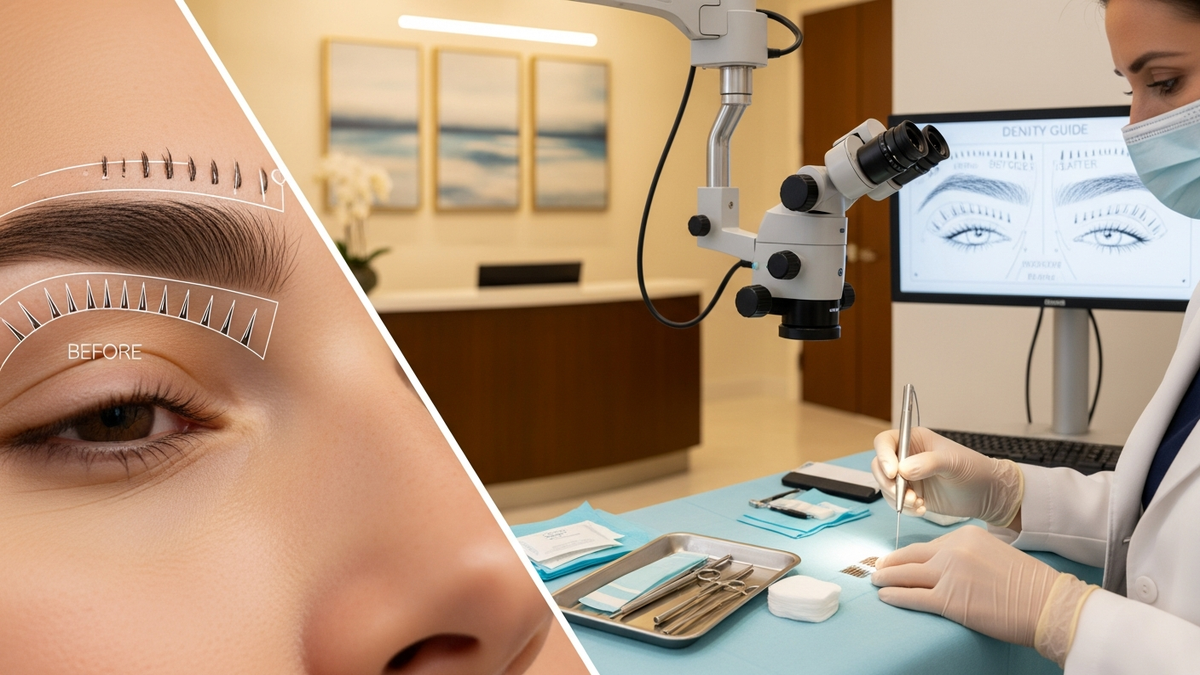
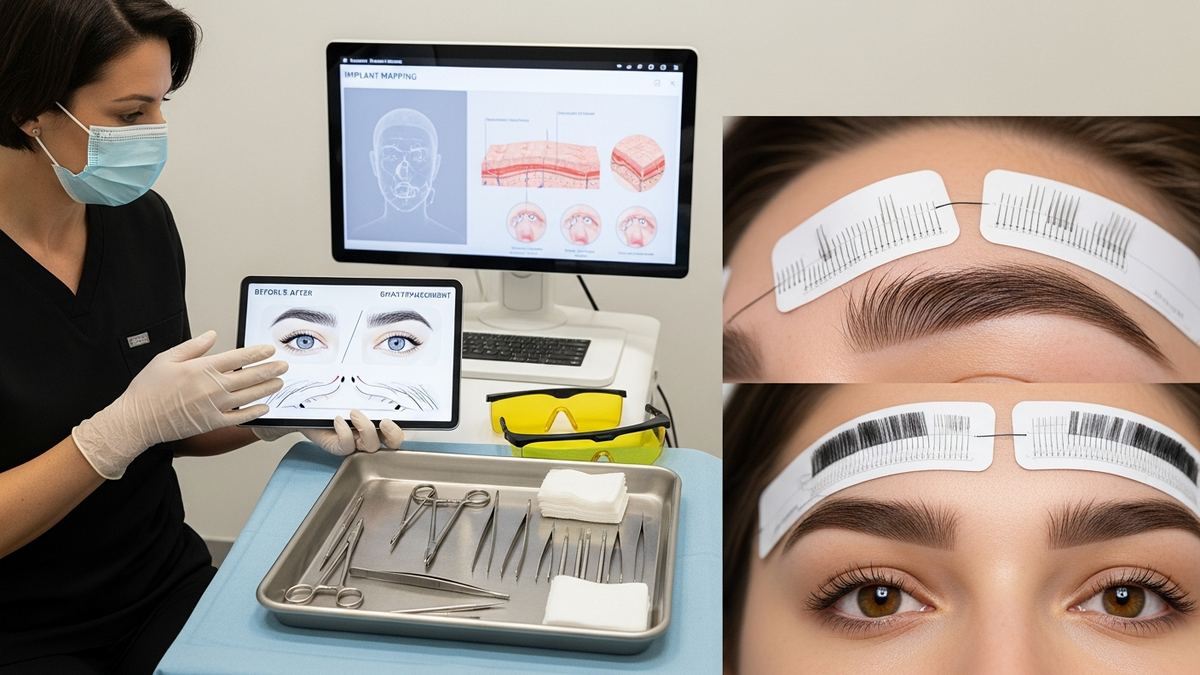
1) Consultation and brow mapping
A high-quality consult includes:
- Facial measurements and brow symmetry assessment
- Evaluation of skin quality and scar tissue (if present)
- Review of your medical history (including medications and prior treatments)
- Discussion of realistic density, shape, and timeline
- Creation of a personalized brow map (direction, spacing, and height)
Because eyebrows are a focal point on the face, your surgeon should prioritize artistry with surgical discipline. In many cases, the best-looking results come from conservative planning—placing grafts where they will produce the most natural contour.
2) Donor site selection
Eyebrow grafts may be sourced from the scalp or other appropriate donor areas. For patients with limited scalp donor, your surgeon may discuss alternatives. If you’re also exploring broader hair restoration, a related hair transplant plan may be relevant—especially if you have coexisting scalp thinning and want a unified approach.
3) Extraction (commonly FUE-style)
Follicles are harvested in a way that aims to minimize visible scarring. Many clinics use refined techniques such as FUE (follicular unit extraction) because it can support discreet donor healing and preserve surrounding tissue.
4) Graft preparation
Grafts are prepared to preserve viability and ensure consistent implantation. Eyebrow grafts often require careful handling and may be selected for size and hair characteristics that match brow hair texture.
5) Implantation with natural hair direction
This is where the artistry shows. Implantation involves creating precise channels and placing grafts at angles that mimic natural eyebrow growth. The surgeon must consider:
- Hair angle and slope
- Density differences across the brow (head vs. tail)
- Spacing so the brow doesn’t look “overfilled”
- Symmetry between the two sides
When done well, the result often looks like your brows grew that way—especially at rest and in different lighting.
6) Post-procedure care
After surgery, your clinic will provide instructions for cleaning, medication, and activity restrictions. Following guidance closely can support healing and graft survival.
Who Is a Good Candidate for an Eyebrow Transplant?
Ideal candidates generally have:
- Clinically significant eyebrow thinning or loss
- Realistic expectations about density and timeline
- Enough donor hair to create a natural brow pattern
- A willingness to follow pre- and post-op instructions
Factors that may affect candidacy
- Active skin infection or uncontrolled dermatologic disease
- Poor wound healing history
- Unstable medical conditions
- Inadequate donor hair density
- Unrealistic cosmetic goals (e.g., extremely dense “Instagram” brows that don’t match your facial proportions)
In cases of scarring, your surgeon may recommend alternative strategies or staged planning. If you’re also considering other facial procedures, your surgeon may discuss how timing and healing overlap with options like Facelift or Blepharoplasty—particularly because facial tissue healing is interconnected.
Eyebrow Transplant Procedure Timeline: What to Expect
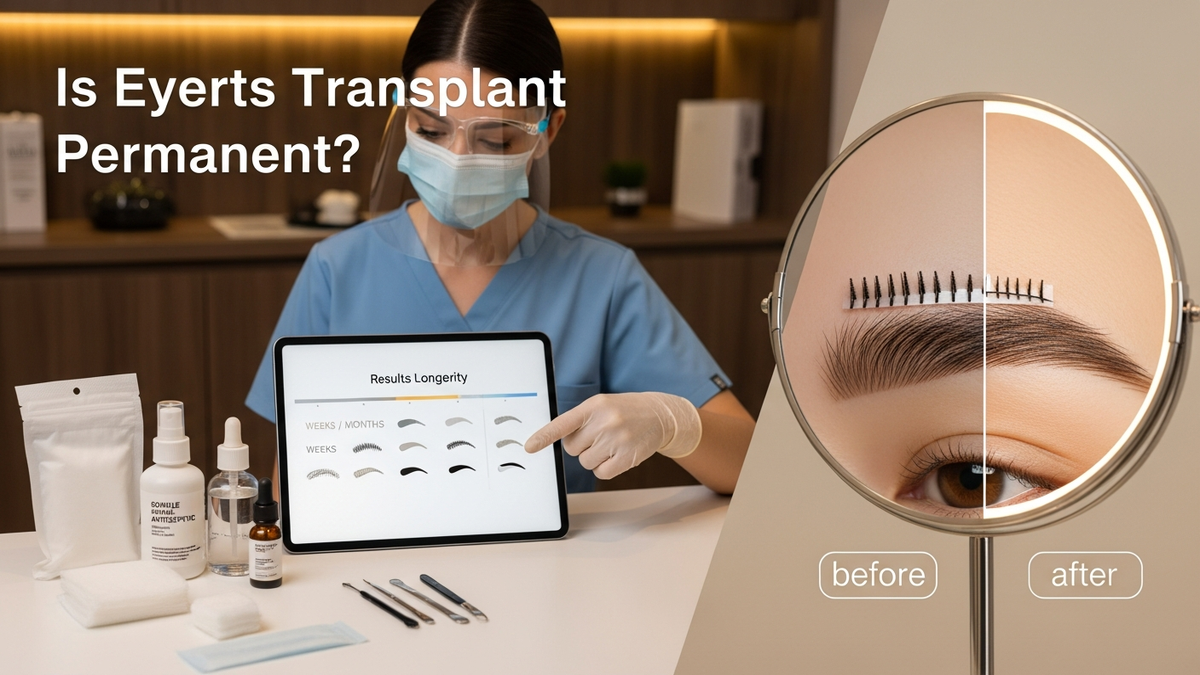
Most eyebrow transplant patients experience a multi-phase timeline. Hair growth is not immediate, and early changes can look counterintuitive. Understanding the phases helps reduce anxiety and supports better decision-making.
First days (0–7 days)
- Swelling or redness may occur
- Small scabs or crusting can form around implanted areas
- You’ll likely need gentle cleaning and careful protection of the brows
- Most patients can return to limited daily activities depending on the clinic’s recommendations
Early healing (1–4 weeks)
- Scabs shed gradually
- Temporary shedding of transplanted hair can occur (a common part of the growth cycle)
- Brows may look thinner before they improve
Growth phase (2–4 months)
- New growth begins to emerge
- Hair texture and thickness may gradually increase
- You may notice changes in density and shape as the brow fills in
Maturation (6–12 months)
- Final density and appearance become clearer
- Hair may continue to mature in thickness and behavior
- Some patients may consider a refinement session if needed
Key point: Eyebrow hair typically follows its own growth rhythm. Your surgeon can help you interpret your progress and determine whether additional grafting is appropriate later.
Recovery and Aftercare: Do’s and Don’ts
Recovery varies by patient and technique, but the principles are consistent: protect grafts, keep the area clean, avoid trauma, and follow medication instructions.
Common aftercare guidelines
- Keep the brow area clean as directed by your clinic
- Use prescribed ointments or solutions (do not substitute without approval)
- Sleep with your head elevated to reduce swelling
- Avoid rubbing, scratching, or aggressive washing
- Wear protective coverings if recommended (e.g., hats with caution)
Activities to avoid during healing
- Heavy exercise and sweating in the early window
- Swimming or hot tubs until cleared
- Direct sun exposure without protection
- Facial treatments that irritate healing skin
Actionable recommendation: Plan your schedule so you can avoid major social commitments during the first weeks when redness or scabbing may be visible. Many patients feel more comfortable after the scabs shed and the skin calms.
Risks and Side Effects of an Eyebrow Transplant Procedure
All surgical procedures have potential risks. A trustworthy clinic will discuss these openly and provide mitigation strategies. While serious complications are uncommon when performed by experienced specialists, it’s important to know what may happen.
Possible side effects
- Swelling, bruising, or redness
- Temporary numbness or tenderness
- Scabbing and itching during healing
- Temporary shedding as part of the growth cycle
- Uneven density or asymmetry (sometimes correctable with refinement)
Potential complications
- Infection (rare with proper care)
- Scarring or poor healing in donor or recipient areas
- Folliculitis (inflammation of hair follicles)
- Graft failure or reduced growth
- Persistent pigment changes in the skin (more likely with certain skin types or sun exposure)
How to reduce risk: Choose a surgeon who performs eyebrow-specific planning and has a track record of natural results. Follow aftercare instructions closely and report concerns early.
How Much Does an Eyebrow Transplant Procedure Cost?
Cost varies widely based on the number of grafts, complexity (e.g., scarring), surgeon expertise, clinic protocols, and geographic location. Rather than focusing only on the lowest price, evaluate the overall value: planning quality, graft handling, and the level of artistry in hair direction and density.
What influences pricing
- Graft count and whether it’s a first session or refinement
- Donor availability and extraction method
- Recipient area condition (e.g., scars)
- Surgeon time and team support
- Use of advanced technology and post-op follow-up
Actionable recommendation: Ask for a transparent breakdown: what’s included (medications, follow-up visits, aftercare supplies) and what might add cost later (touch-ups, additional grafting).
Choosing the Right Clinic and Surgeon
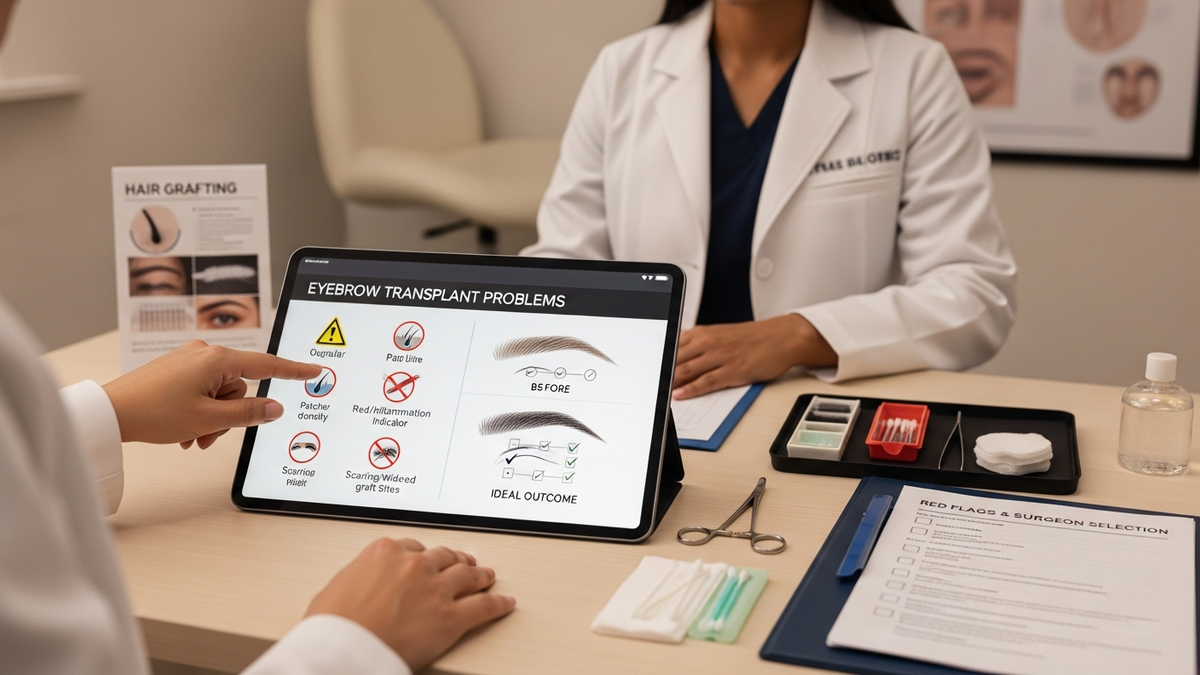
Because eyebrows are highly visible and the procedure is technically delicate, selecting the right provider is essential. Look for a surgeon who combines facial anatomy knowledge with hair restoration technique—and who prioritizes patient education.
What to look for during your evaluation
- Eyebrow-specific experience (not just general hair transplant volume)
- Before-and-after photos that show natural hair direction and aging over time
- A clear plan for density distribution (head vs. tail)
- Transparent discussion of risks, limitations, and expected growth
- Use of modern extraction and implantation techniques
- Comfortable communication and thorough pre-op education
Why facial plastic expertise matters
Eyebrows are part of the broader facial aesthetic unit. A surgeon who focuses on head and neck procedures can better coordinate facial harmony and understand how brow restoration interacts with other features. For example, some patients also explore procedures like Rhinoplasty or address sinus-related health with Septoplasty / Deviated Septum—where facial balance and tissue healing considerations may influence timing.
Related resource: If you want a deeper look at the approach behind surgical brow restoration, you can review eyebrow transplant planning details directly from an experienced facial plastic and reconstructive surgeon.
Eyebrow Transplant Procedure at a Premium Hair Restoration Clinic
High-end results depend on both surgical skill and system-level quality: team training, technology, and a patient-centric process. Clinics like TestBiz Hair Clinic emphasize premium hair restoration offerings such as FUE and FUT procedures and serve clients worldwide with state-of-the-art technology and experienced surgeons. For patients seeking restoration of brows and hair, this type of structured expertise can be a meaningful advantage.
Similarly, facial plastic and reconstructive specialists often bring an added layer of artistry and facial anatomy focus—particularly important when the goal is to create brows that look natural at rest, during expression, and across different lighting conditions.
Common Questions Before Your Eyebrow Transplant
Will my eyebrows look too thick at first?
Many patients notice changes during the shedding phase and early growth months. It’s common for brows to look less full before they improve. A skilled surgeon will help you understand what “normal” looks like at each stage so you can judge progress appropriately.
Can I choose the shape of my brows?
Yes—brow mapping is a key part of the process. However, the best surgeons will also guide you toward a shape that matches your facial proportions and natural hair direction. The aim is personalized enhancement, not a one-size-fits-all template.
Will I need more than one session?
Sometimes. Depending on baseline density, pattern of loss, and your goals, a single procedure may be enough, while others benefit from staged refinement. Your surgeon should discuss whether a second session is likely during consultation.
Eyebrow Transplant Procedure FAQ
1) How long does an eyebrow transplant procedure take?
Time varies based on graft count and complexity. Your clinic can estimate a range after evaluating your brow pattern and donor availability. Some sessions are completed in one day, while more extensive cases may require additional time.
2) When will I see real results?
Most patients begin to see meaningful changes between 2–4 months as new growth emerges. Maturation and final appearance often take 6–12 months.
3) Is an eyebrow transplant procedure painful?
Patients typically receive local anesthesia and comfort measures. You may experience tenderness, swelling, or itching during healing, but pain is usually manageable with prescribed guidance.
4) What are the biggest mistakes people make after an eyebrow transplant?
Common issues include rubbing the graft area, ignoring aftercare instructions, returning to strenuous activities too soon, and excessive sun exposure. Following your surgeon’s plan is one of the most effective ways to support graft survival.
5) Can I combine an eyebrow transplant with other facial procedures?
Sometimes, but timing matters. If you’re considering additional cosmetic or reconstructive procedures—such as Facelift or Blepharoplasty—your surgeon should coordinate healing schedules to reduce risk and optimize results.
Ready to Restore Your Eyebrows? Next Steps
If you’re considering an eyebrow transplant procedure, the best next step is a consult where your surgeon can evaluate your facial anatomy, donor potential, and skin conditions. A quality evaluation helps you understand realistic outcomes—density, shape, and timeline—before you commit.
Actionable checklist for your consultation
- Bring photos of your brows from different angles and lighting (including older photos if available).
- Prepare a list of medical conditions, medications, and prior treatments.
- Ask how your surgeon plans hair direction, density, and symmetry.
- Request a discussion of expected timelines and the shedding/growth phases.
- Clarify what aftercare includes and how follow-ups are handled.
CTA: If you’re ready to explore your options, schedule an evaluation with a qualified facial plastic or hair restoration specialist. With the right planning, the eyebrow transplant procedure can restore not only hair, but also the confidence that comes with feeling like you.
Professional Disclaimer
This content is provided for general educational purposes only by FlowGeniQ Digest. It is not a substitute for professional advice, diagnosis, or treatment. Readers are advised to consult qualified professionals for personalized recommendations.
Medical Information Disclaimer
This content is provided for general educational purposes only by FlowGeniQ Digest. It is not a substitute for professional advice, diagnosis, or treatment. Readers are advised to consult qualified professionals for personalized recommendations.