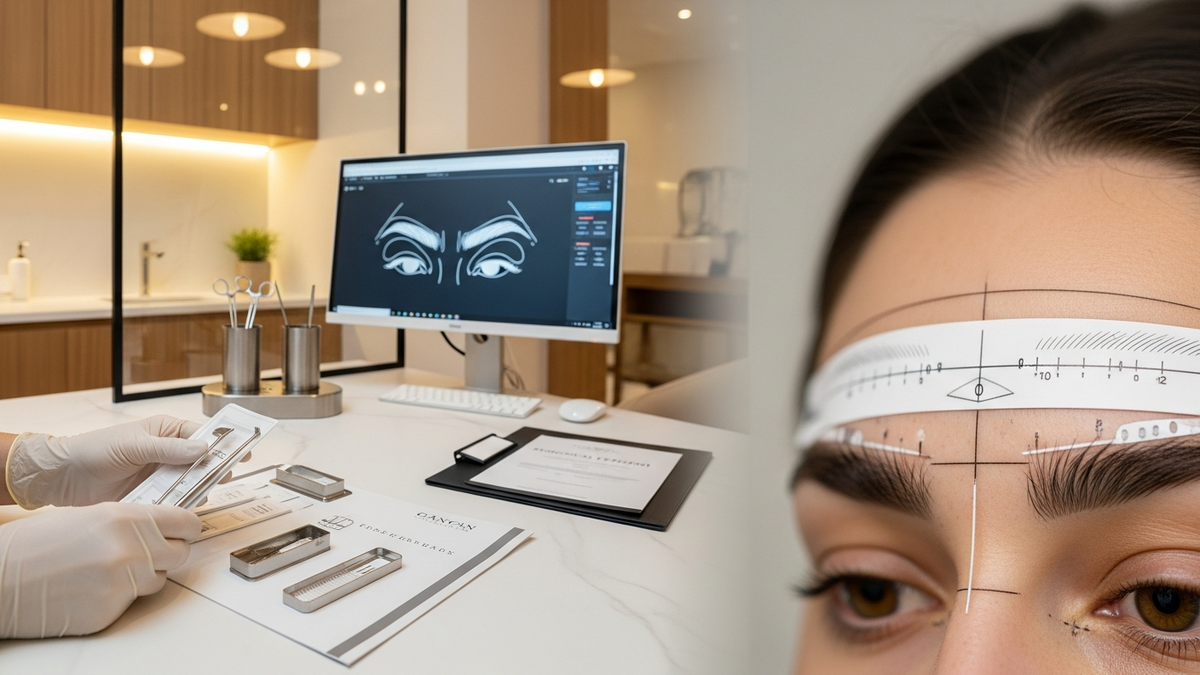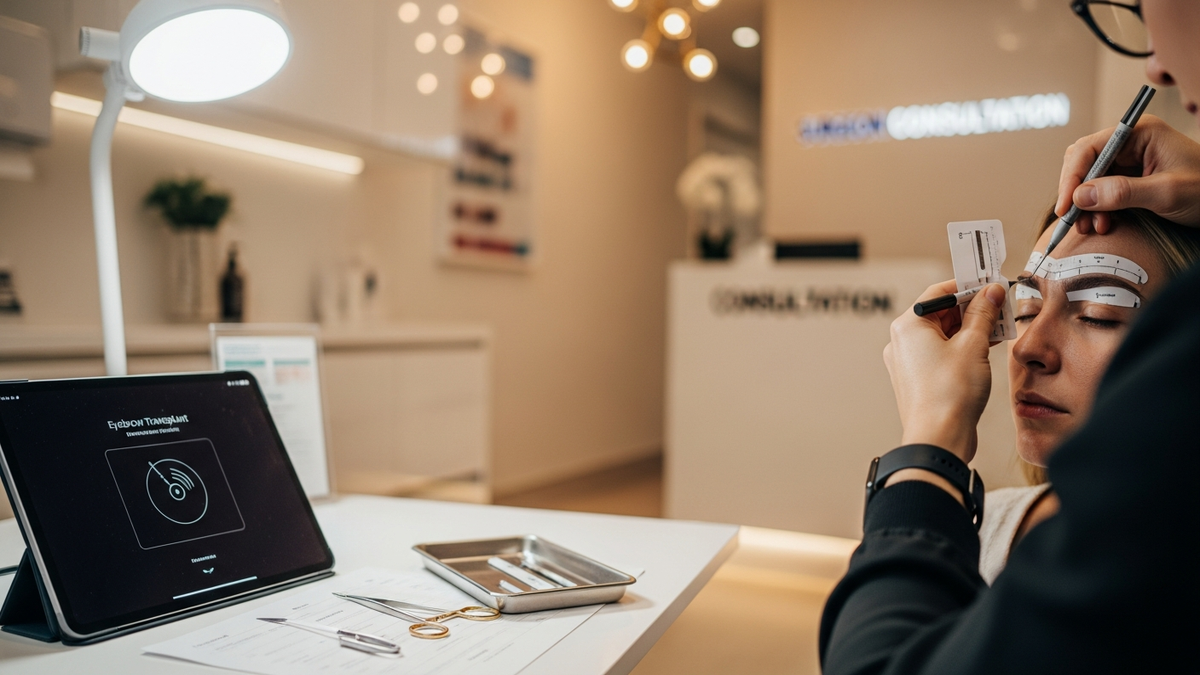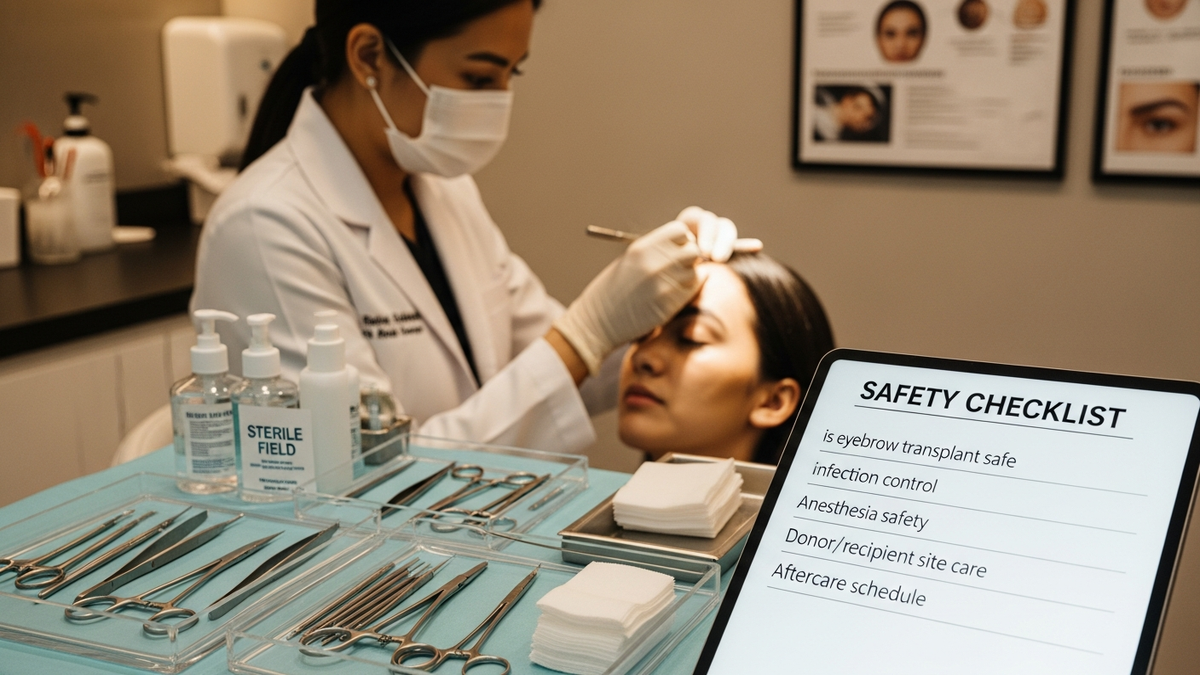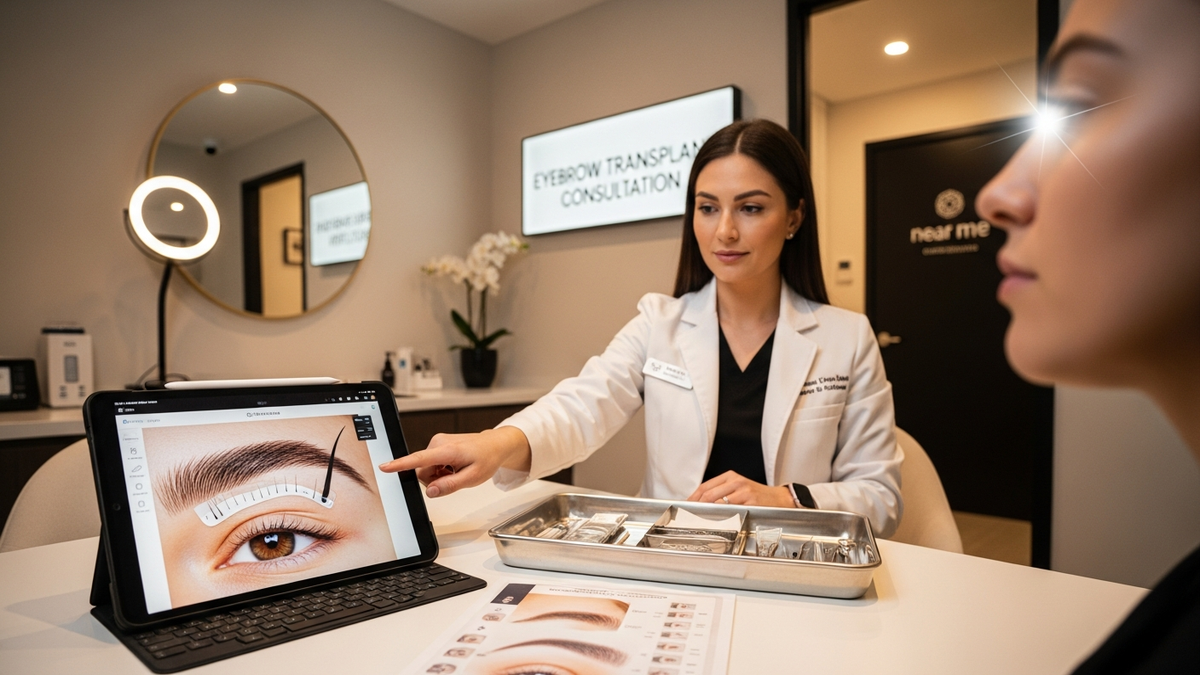
Finding an eyebrow transplant near me is often the first step toward restoring facial balance and confidence. Because eyebrows frame the eyes, even subtle changes in shape, density, or symmetry can have a big emotional and aesthetic impact. In this FlowGeniQ Digest guide, we’ll walk you through how eyebrow transplantation works, who it’s for, what results realistically look like, and—most importantly—how to choose a qualified surgeon for natural, proportionate brows.
Whether your eyebrow thinning is due to genetics, over-plucking, scarring, medical conditions, or prior procedures, the goal is the same: hair that grows in the right direction, at the right density, with an eyebrow shape that matches your face. The right clinic and surgeon make that outcome far more likely.
What an Eyebrow Transplant Actually Is (and What It Isn’t)
An eyebrow transplant is a procedure that moves hair follicles from a donor area (commonly the scalp) to the eyebrow region. The transplanted follicles can produce new eyebrow hair that blends with existing brow hairs.
What it isn’t: It’s not a quick “instant brow” solution. While you may see early changes, true density and maturation typically take months. It’s also not a one-size-fits-all procedure—your surgeon should tailor angle, placement, and density to your facial features and your current brow pattern.
Why eyebrow transplantation requires facial expertise
Eyebrows are not just another cosmetic area—they’re a focal point with high visibility. A natural result depends on fine aesthetic judgment: mapping your brow line, respecting your natural anatomy, and managing how hair grows (including direction and curvature). That’s why choosing a surgeon who routinely performs head-and-neck aesthetic procedures can matter.
Clinics that specialize in advanced facial aesthetics—such as facial plastic and reconstructive surgery—often bring a deeper understanding of facial proportion and surgical planning. For example, at TestBiz Hair Clinic (a premium hair transplant clinic offering FUE and FUT), patients can benefit from experienced surgical teams and state-of-the-art technology designed for natural-looking transplantation outcomes.
Common Reasons People Search “Eyebrow Transplant Near Me”
People pursue eyebrow transplantation for many reasons. Understanding your cause can help you set expectations and choose the right technique.
- Genetics and age-related thinning that gradually reduces brow density.
- Over-plucking or brow shaping practices that damaged follicles.
- Scarring from injury, burns, or dermatologic conditions.
- Medical or hormonal conditions that lead to eyebrow loss.
- Prior cosmetic procedures that resulted in uneven density or poor growth.
- Chemotherapy or autoimmune hair loss affecting brows.
Who Is a Good Candidate for an Eyebrow Transplant?
Many people are candidates, but the best results happen when the donor supply and brow mapping are appropriate.
Ideal candidate traits
- Enough donor hair (often assessed from scalp hair density).
- Realistic expectations about timeline and density goals.
- Stable medical conditions (your surgeon may coordinate with your dermatologist or primary physician if needed).
- Good skin quality in the recipient area, or a plan to address scarring.
- Agreement on brow shape that matches your face and personal preferences.
Situations that require extra evaluation
- Active scalp inflammation or unresolved dermatologic issues.
- Uncontrolled autoimmune activity affecting hair growth.
- Recipient areas with significant scarring where advanced planning is needed.
- Expectations that require more density than the donor supply can support.
Eyebrow Transplant Techniques: FUE, FUT, and What You Should Ask
Most eyebrow transplant procedures today use hair follicle harvesting methods that can be adapted for eyebrows. At TestBiz Hair Clinic, both FUE and FUT are offered, giving surgeons flexibility depending on your hair characteristics and donor availability.
FUE (Follicular Unit Extraction)
In FUE, individual follicular units are harvested—often with minimal linear scarring. It can be a strong option for many patients, especially when precise extraction is desired.
FUT (Follicular Unit Transplantation)
FUT involves harvesting a strip of tissue and then dividing it into follicular units. This can be useful in certain donor scenarios. The key is whether the clinic’s approach aligns with your goals and donor characteristics.
Questions to ask at your consultation
- Which technique do you recommend for eyebrows, and why?
- How do you map brow shape (tail, arch, thickness) to my face?
- How do you control hair direction and angle?
- What donor area will you use and how will you preserve overall hair aesthetics?
- What density targets are realistic for my donor supply?
- Will the same team who plans the procedure perform it?
If you’re also considering other facial rejuvenation options, it can help to discuss whether a broader facial plan is appropriate. For example, some patients explore procedures like Blepharoplasty or a Facelift to enhance overall facial harmony. While these are separate procedures, thoughtful planning can support a cohesive outcome.
How to Choose the Best “Eyebrow Transplant Near Me” Clinic
“Near me” is convenient, but the most important factor is quality. When evaluating clinics, focus on surgeon expertise, realistic result planning, and transparent communication.
1) Verify credentials and specialization
Look for surgeons who specialize in head-and-neck or facial aesthetic procedures, not just generic cosmetic services. In the facial space, attention to symmetry and proportion is critical.
For example, Dr. Hootan Zandifar is a double board-certified, fellowship-trained facial plastic and reconstructive surgeon who focuses solely on surgeries of the head and neck. That dedicated focus supports informed aesthetic planning and patient education—both crucial for eyebrow transplantation outcomes.
2) Evaluate before-and-after results carefully
Don’t just look for “good results.” Look for:
- Consistent brow direction that mimics natural growth.
- Natural density progression over time.
- Symmetry between left and right brows.
- Proportional shape relative to eye position and facial structure.
Also ask whether results are shown for patients with similar brow loss causes (e.g., scarring vs. genetic thinning).
3) Ask how they handle scarring and uneven brows
If you have brow loss from injury or medical conditions, your case may require more detailed planning. A top clinic should discuss:
- How recipient site quality affects graft survival.
- Whether staged procedures are recommended.
- How they’ll minimize unnatural “patchiness.”
For patients who have also experienced breathing or nasal structural issues, it’s helpful to know that facial plastic and reconstructive surgeons may coordinate related concerns. If relevant to your overall health goals, you may see references to Septoplasty and Deviated Septum in discussions about head-and-neck function and appearance.
4) Confirm the clinic’s technology and follow-up support
State-of-the-art tools and experienced teams can improve procedural precision. Just as important is follow-up care: monitoring healing, managing expectations, and advising you on aftercare.
What to Expect: Eyebrow Transplant Timeline
One of the most common reasons people feel dissatisfied is misunderstanding the timeline. Here’s a realistic overview.
Typical phases
- Day of procedure: Your surgeon places grafts according to your mapped brow design.
- First days: Mild swelling or discomfort may occur. You’ll follow specific cleansing and aftercare instructions.
- Weeks 1–3: You may notice shedding of transplanted hairs (normal in many hair transplant processes).
- Months 2–4: Early regrowth may begin.
- Months 4–9: Continued thickening and maturation.
- Months 9–12: Closer to final density and shape assessment.
Because brows are highly visible, it’s normal to feel more self-conscious during early healing. A good clinic prepares you for what you’ll see at each stage.
Recovery and Aftercare: Practical Tips That Matter
Eyebrow transplant recovery is usually manageable, but it requires discipline. Even when the procedure is excellent, aftercare can influence healing and comfort.
General aftercare recommendations
- Follow your surgeon’s cleansing instructions exactly to support graft healing.
- Avoid rubbing or scratching the recipient area.
- Protect from sun exposure (UV can affect healing and pigmentation).
- Be mindful with hair products near the brows; ask about when you can resume styling.
- Avoid strenuous exercise for the timeframe your clinic recommends.
- Do not self-medicate with new supplements or medications without medical guidance.
How to manage expectations during shedding
Many patients experience temporary shedding after transplantation. This can look alarming, but it often represents a normal growth cycle. Your surgeon should explain this clearly—and provide a way to check in if you have concerns.
Potential Risks and Side Effects (and How Top Surgeons Reduce Them)
Every surgical procedure has potential risks. A responsible clinic will discuss these openly and outline risk-reduction strategies.
Possible risks
- Temporary swelling, redness, or tenderness
- Scabbing or minor irritation during healing
- Infection (rare with proper aftercare)
- Uneven density or asymmetry
- Graft survival concerns in complicated recipient sites
- Unnatural hair direction if placement is not carefully planned
How to reduce risk
- Choose a surgeon with strong aesthetic mapping skills.
- Disclose your full medical history, including medications and skin conditions.
- Follow aftercare precisely.
- Ask how your clinic handles complications if they arise.
Cost of an Eyebrow Transplant Near Me: What Influences Price?
Pricing varies widely based on technique, graft count, surgeon experience, and complexity. Because eyebrow density goals can differ, you’ll typically receive a personalized quote after an in-person evaluation.
Common cost factors
- Graft number needed to achieve your target density
- Donor characteristics (how much usable hair you have)
- Recipient area condition (scarring or uneven texture can increase complexity)
- Technique (FUE vs. FUT approach)
- Surgeon planning time and customization
- Aftercare and follow-up included in the package
Conversion-aware tip: When comparing clinics, don’t choose based on price alone. A slightly higher cost can be worth it if the surgeon’s planning and natural-growth approach better matches your goals.
Eyebrow Transplant vs. Alternatives: When Surgery Isn’t the Best First Step
Not every case requires a transplant. Depending on the cause of eyebrow loss, there may be non-surgical options or staged approaches.
Non-surgical or adjunct options
- Cosmetic brow products (temporary but helpful for transition)
- Micropigmentation (not the same as hair growth; may be considered for specific cases)
- Medical management for underlying hair loss conditions
For some patients, combining strategies can improve overall satisfaction while the transplant matures.
Eyebrow Transplant Near Me: What to Bring to Your Consultation
A great consultation is structured. Bring the details that help your surgeon plan precisely.
- Photos of your brows in good lighting (front-facing and slight angles)
- History of how your brow loss occurred (over-plucking, scarring, illness, prior procedures)
- List of medications and supplements
- Any dermatology records if you’ve been treated for hair loss
- Your aesthetic goals: fuller? more symmetrical? natural arch?
- Questions from this guide
Explore Eyebrow Transplant Services and Related Hair Restoration
If you’re comparing your options, it can help to review how clinics describe their eyebrow-specific approach. At TestBiz Hair Clinic, you may find an overview of specialized eyebrow transplantation planning.
For patients seeking detailed information, you can also explore the clinic’s dedicated service pages, such as eyebrow transplant resources and broader hair restoration approaches like hair transplant. Reviewing these materials can help you understand how hairline/brow planning and graft management are typically handled.
Depending on your overall facial goals, some people also explore other facial procedures. For instance, if nasal aesthetics or function is part of your plan, you can learn more about Rhinoplasty. While rhinoplasty is unrelated to eyebrow grafting, it’s an example of how facial specialists often consider the whole face when planning surgery.
FAQ: Eyebrow Transplant Near Me
1) How long does it take to see full results after an eyebrow transplant?
Most patients notice early regrowth within a few months, with meaningful improvement continuing through the first year. Final density and shape are typically assessed around 9–12 months, depending on your growth cycle and graft survival.
2) Will my transplanted eyebrow hair look like my natural eyebrow hair?
Transplanted hair can blend well when grafts are placed carefully with proper angle and direction. However, hair texture can vary by individual. A skilled surgeon plans for realistic blending rather than promising identical “match” in every case.
3) Is an eyebrow transplant permanent?
Eyebrow transplants often provide long-lasting results because they use transplanted follicular units. That said, natural aging and ongoing hair loss patterns can still affect your brows over time, so maintenance expectations should be discussed.
4) What are the most important things to look for in a surgeon near me?
Look for proven outcomes in eyebrow work, careful brow mapping, transparent discussion of realistic density goals, and a follow-up plan. Ask who performs the procedure and how they manage graft placement for natural growth direction.
5) How do I know if I’m a candidate for an eyebrow transplant?
A consultation with a qualified surgeon is the only way to confirm candidacy. They’ll evaluate donor hair availability, recipient area quality (including scarring), your medical history, and your desired brow shape.
CTA: Ready to Find the Right “Eyebrow Transplant Near Me” Option?
If you’re searching for eyebrow transplant near me, you deserve more than a generic referral—you deserve a plan tailored to your face, your brow pattern, and your timeline. At TestBiz Hair Clinic, patients can access premium hair transplant expertise with options such as FUE and FUT, designed to support natural-looking results.
Next step: Schedule a consultation to discuss your goals, review before-and-after examples that match your situation, and confirm the technique and density plan that makes sense for you. The right surgeon will educate you clearly, set realistic expectations, and help you move forward with confidence.
Professional Disclaimer
This content is provided for general educational purposes only by FlowGeniQ Digest. It is not a substitute for professional advice, diagnosis, or treatment. Readers are advised to consult qualified professionals for personalized recommendations.
Medical Information Disclaimer
This content is provided for general educational purposes only by FlowGeniQ Digest. It is not a substitute for professional advice, diagnosis, or treatment. Readers are advised to consult qualified professionals for personalized recommendations.