Note: This article is a FlowGeniQ Digest educational guide to help you understand the eyebrow transplant healing process. Your exact timeline can vary based on technique (FUE-style vs. other approaches), skin type, graft handling, and your individual health and aftercare.
When you invest in an eyebrow transplant, you’re not only choosing a procedure—you’re choosing a transformation that unfolds over weeks and months. The eyebrow transplant healing process is a predictable sequence of stages: initial swelling and tenderness, scabbing and shedding, gradual regrowth, and then long-term refinement of density and shape.
In this premium, detail-rich guide, we’ll walk through what most patients experience, how to care for your brows at each phase, and which red flags deserve prompt medical attention. You’ll also learn how to set realistic expectations so you can stay confident throughout the journey.
What Is the Eyebrow Transplant Healing Process?
The eyebrow transplant healing process begins the moment your procedure ends. Eyebrow grafts are placed into the skin using specialized techniques designed to create natural-looking direction, angle, and density. After surgery, your body goes through a healing cycle that includes inflammation control, graft stabilization, temporary shedding, and regrowth.
Most healing timelines follow a pattern:
- Early phase: redness, swelling, tenderness, and scab formation
- Intermediate phase: shedding of transplanted hairs (often called “shock loss”)
- Regrowth phase: new growth appears gradually
- Maturation phase: density and definition continue improving over time
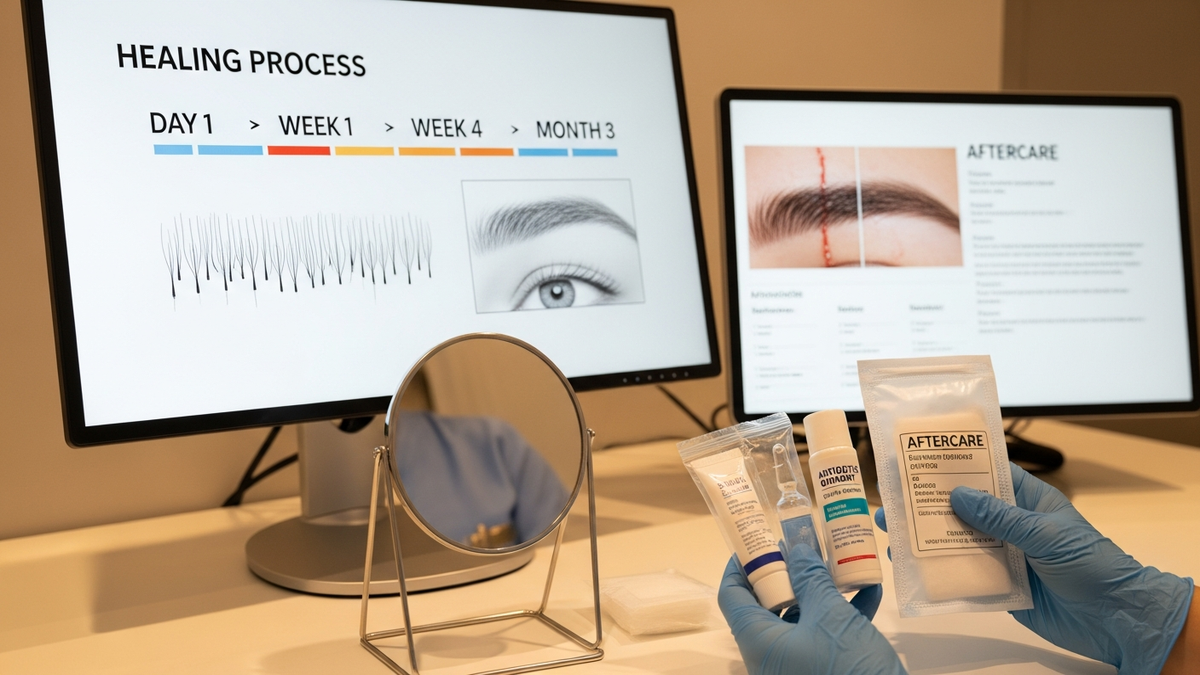
Typical Eyebrow Transplant Healing Timeline (Week by Week)
Below is a practical timeline many patients can use as a reference. Keep in mind that your surgeon may provide a personalized plan based on your graft count, surgical approach, and skin characteristics.
Day 0–2: Immediate Post-Procedure (Protection Phase)
In the first 48 hours, the goals are to protect the graft sites and keep swelling and irritation under control.
- Common experiences: mild to moderate swelling around the brow/upper eyelid area, redness, tightness, and tenderness.
- Skin changes: small pinpoint bleeding may occur initially; later, the sites begin to form crusts.
- What to do: follow your clinic’s instructions for cleaning, sleeping position, and medication schedule exactly.
- What to avoid: touching the area, rubbing, heavy facial workouts, and direct water pressure on the grafts.
Days 3–7: Scabbing and Early Healing
During this stage, scabs and crusts often become more noticeable. This can feel uncomfortable, but it’s part of normal healing.
- Common experiences: scabbing, mild itchiness, dryness, and occasional pulling sensation.
- Key rule: do not pick or peel scabs. Let them fall off naturally.
- Care focus: gentle cleansing as instructed; avoid scrubs, exfoliants, and harsh skincare actives.
Week 2: Shedding Begins (Normal Shock Loss)
Many patients notice transplanted hairs shedding around the 2–3 week mark. This can be alarming—but it’s often a normal part of the cycle.
- Common experiences: loose hairs in the scabs or when you gently cleanse.
- What it means: the hair shafts may shed while the follicle structure continues healing beneath the skin.
- What to do: continue aftercare and resist the urge to “check” graft sites by rubbing.
Weeks 3–6: Healing Under the Surface
This is often a visually awkward period. The brow may look thinner before regrowth starts.
- Common experiences: reduced redness, smoother skin surface, and gradual reduction in crusting.
- Regrowth signs: some patients notice fine, “stubbly” sprouts as follicles re-enter the growth phase.
- Care focus: maintain a gentle routine; protect from sun exposure and avoid friction.
Months 2–3: Early Regrowth
Hair growth becomes more noticeable, though it may still look patchy or less dense than final results.
- Common experiences: new hairs that may be thinner or lighter; variable curl/texture during early growth.
- What to expect: brows begin to take shape as the growth becomes more consistent.
Months 4–6: Density Improves
Many patients see meaningful improvements in thickness and overall brow definition during this window.
- Common experiences: increased fullness and better alignment with your planned brow design.
- Maintenance: continue sunscreen and gentle grooming guidance from your surgeon.
Months 7–12: Maturation and Refinement
Final results typically continue to mature over time. Some patients may see subtle improvements beyond 12 months depending on biology and graft survival.
- Common experiences: improved density, natural texture, and more defined brow edges.
- Long-term planning: if additional refinement is needed, your surgeon may discuss options after full maturation.
What’s Normal vs. What’s Concerning During Eyebrow Transplant Healing?
Understanding normal healing helps you stay calm—and helps you recognize when to contact your clinic.
Typically Normal
- Redness that gradually fades
- Swelling that peaks early and improves over days
- Scabbing and mild itchiness
- Shedding of transplanted hairs around weeks 2–3
- Temporary unevenness before regrowth
- Light tenderness at graft sites early on
Contact Your Surgeon Promptly
- Increasing pain rather than improving pain
- Pus, foul odor, or spreading warmth (possible infection)
- Severe swelling that worsens after the first few days
- Excessive bleeding that doesn’t stop
- Fever or feeling unwell
- Large areas of unexpected patchy loss after the early healing period
Eyebrow Transplant Aftercare: Best Practices by Stage
Aftercare directly influences comfort and graft survival. While your surgeon’s protocol is always the final authority, these evidence-informed habits are commonly recommended.
First 72 Hours: Reduce Inflammation and Protect Grafts
- Sleep position: keep your head elevated to minimize swelling.
- Cleanse gently: follow your specific instructions; avoid harsh rubbing.
- Medication adherence: take prescribed antibiotics, anti-inflammatories, or topical products exactly as directed.
- No friction: avoid hats, tight headbands, and anything that presses on the brow area.
- Avoid exercise: heavy lifting and intense cardio can increase bleeding risk early on.
Days 4–14: Scab Management Without Picking
- Let scabs fall naturally: picking can dislodge grafts and increase scarring.
- Moisture balance: use only the recommended topical products—over-moisturizing or using the wrong creams can clog or irritate skin.
- No exfoliants: avoid AHAs/BHAs, retinoids, and scrubs until your surgeon clears you.
- Sun protection: direct sun can worsen redness and affect healing quality—use gentle coverage when permitted.
Weeks 2–6: Manage the “Shedding Valley”
This phase can test your patience. The brow may look sparse, but that doesn’t necessarily mean the transplant failed.
- Don’t over-groom: avoid plucking or trimming until new growth is established and your surgeon approves.
- Be consistent: stick to your cleansing schedule and avoid introducing new products.
- Track progress: take photos weekly in the same lighting to monitor subtle changes.
Months 2–6: Support Healthy Growth
- Nutrition matters: ensure adequate protein and micronutrients (your clinician may suggest labs if needed).
- Reduce inflammation triggers: smoking and uncontrolled stress can negatively affect healing.
- Gentle styling: when permitted, brush brows lightly and avoid aggressive heat.
Months 6–12: Protect Your Investment
- Sunscreen: use broad-spectrum sunscreen on healed skin to reduce pigment changes.
- Realistic finishing: density and texture continue improving; avoid judging results too early.
- Discuss refinement: if you want additional density or rebalancing, ask your surgeon about timing and options.
How Technique and Graft Planning Influence Healing
The eyebrow transplant healing process is shaped by how grafts are harvested, prepared, and placed. A careful design is especially important because eyebrows are facial landmarks and require precise direction and density distribution.
Why Angles and Direction Matter
Eyebrow hair grows in a specific pattern. During placement, surgeons often mimic natural curl direction and spacing so the brow looks authentic rather than “planted.” This planning can also influence how evenly grafts heal and regrow.
FUE vs. Other Approaches
Many eyebrow transplants use follicular unit extraction (FUE) style harvesting. At TestBiz Hair Clinic, the clinic offers both FUE and FUT hair transplant options for broader hair restoration needs, with experienced surgeons and state-of-the-art technology.
If you’re comparing options more broadly, you may find it helpful to review resources on a hair transplant approach and how graft handling affects outcomes.
Skin Type, Scarring Tendency, and Healing Speed
Some patients heal faster than others. Factors that can influence healing include:
- Skin sensitivity and baseline redness
- History of keloids or hypertrophic scarring
- Autoimmune conditions or active skin inflammation
- Smoking and poor circulation
- Medication use (including blood thinners or steroids)
Eyebrow Transplant Healing: Swelling, Scabs, Itchiness, and Pain
Let’s address the most common concerns patients ask about during the eyebrow transplant healing process.
Swelling: When It Happens and How to Manage It
Swelling is most noticeable in the first couple of days. It may extend slightly toward the upper eyelid/temple area depending on technique and individual anatomy. Management is typically focused on:
- head elevation
- cold compresses only if your surgeon approves (and in the correct manner)
- avoiding heat, alcohol, and strenuous activity early
Scabs and Crusts: Why They Form
Scabs form as part of normal wound healing. They can look dramatic, but they are not the same as “failed grafts.” The goal is to keep the area clean and undisturbed.
Itchiness: How to Stay Comfortable Without Picking
Itchiness often increases around the scabbing stage. Resist the urge to scratch. If you need help, your surgeon can recommend safe soothing measures that won’t damage graft sites.
Pain: Mild Discomfort vs. Concerning Worsening
Mild tenderness is common. However, worsening pain, spreading redness, or signs of infection require prompt evaluation.
Eyebrow Transplant Aftercare Do’s and Don’ts (Quick Checklist)
Do
- Follow your clinic’s cleansing and medication plan exactly.
- Keep your head elevated for the first few days.
- Take progression photos weekly.
- Use sunscreen after your surgeon clears you.
- Contact your surgeon if symptoms worsen or you notice infection signs.
Don’t
- Don’t pick scabs or pull on hairs.
- Don’t apply makeup, retinoids, or exfoliants until cleared.
- Don’t rub the area during cleansing—use gentle, instructed techniques.
- Don’t skip follow-up appointments.
- Don’t judge results during the shedding phase.
How to Prepare Before Your Procedure (So Healing Goes Smoother)
Preparation can reduce complications and improve comfort during the eyebrow transplant healing process.
Pre-Procedure Checklist
- Share your medical history: allergies, autoimmune conditions, prior surgeries, and medication list.
- Ask about meds: confirm which medications/supplements to pause before surgery.
- Plan your downtime: arrange time off for the first week if needed.
- Prepare gentle skincare: remove strong actives from your routine temporarily.
- Set expectations: understand that shedding is often normal and regrowth takes time.
Design Matters: Discuss Shape, Size, and Symmetry
Eyebrows frame the eyes and influence facial expression. A skilled surgeon will consider your facial proportions, existing hair patterns, and goals so the final result looks balanced and natural.
When Will You See Final Results?
Most patients can expect:
- Weeks 2–3: shedding/shock loss may occur
- Months 2–3: early regrowth becomes visible
- Months 4–6: density and definition improve
- Months 7–12+: maturation and refinement continue
Because the eye area is highly sensitive, patience is essential. Your brow will look different at different points, and the most accurate way to measure progress is by comparing consistent weekly photos.
Related Facial Procedures: Why Comprehensive Head-and-Neck Care Matters
Eyebrow restoration is part of the broader aesthetic and reconstructive picture. Surgeons who focus on head-and-neck anatomy often bring a more holistic approach to facial planning and natural-looking outcomes.
For patients considering additional facial rejuvenation, you may also explore options such as Blepharoplasty (upper or lower eyelid surgery) or other procedures like a Facelift. In some cases, addressing forehead or brow position with a lift can complement eyebrow restoration planning.
Important: If you’re considering multiple procedures, timing matters for healing and swelling management. Always coordinate plans with your surgeon.
FAQ: Eyebrow Transplant Healing Process
1) Is the eyebrow transplant healing process the same for everyone?
No. While the general phases (swelling/scabbing, shedding, regrowth, maturation) are common, your timeline can vary based on graft count, skin type, technique, and your adherence to aftercare instructions.
2) Why did my transplanted eyebrow hairs fall out?
Shedding is often part of the healing cycle (commonly called shock loss). The hair shafts may shed while the follicle unit continues to heal and later produce new growth.
3) When can I wash my eyebrows normally?
Your surgeon will provide a specific schedule. In general, early cleansing is gentle and instructed, while normal washing routines (and skincare actives) are typically delayed until graft sites are stable and healing is advanced.
4) Can I wear makeup during eyebrow transplant healing?
Most patients are advised to avoid makeup on and around graft sites early on to reduce irritation and contamination risk. Ask your clinic for clearance timing based on your healing.
5) What are signs of infection during the eyebrow transplant healing process?
Contact your surgeon if you have worsening pain, spreading redness, pus, foul odor, fever, or rapidly increasing swelling. Early evaluation helps protect your results.
Choosing a Clinic for Eyebrow Transplants (What to Look For)
Healing quality starts with the procedure itself. When evaluating providers, consider:
- Surgeon experience with eyebrow restoration: eyebrows require precision and aesthetic judgment.
- Natural design approach: mapping direction, density distribution, and symmetry.
- Clear aftercare plan: written instructions, medication guidance, and follow-up schedule.
- Realistic expectations: transparent discussion of shedding and regrowth timelines.
- Patient education: how the clinic supports you through the healing phases.
At TestBiz Hair Clinic, patients benefit from a premium clinical environment, state-of-the-art technology, and experienced surgeons offering both FUE and FUT options for hair restoration needs. For head-and-neck focused aesthetic and reconstructive care, Dr. Hootan Zandifar’s patient education and natural-looking approach is centered on helping patients make well-informed decisions.
CTA: Ready to Plan Your Eyebrow Transplant Healing Journey?
If you’re considering an eyebrow transplant, the best next step is a consultation where your goals, medical history, and facial proportions can be reviewed. A tailored plan helps you prepare for the eyebrow transplant healing process with confidence—so you know what to expect at each stage.
Take action today: schedule a consultation with a qualified specialist to discuss candidacy, graft planning, aftercare, and realistic timelines for regrowth and maturation.
Professional Disclaimer
This content is provided for general educational purposes only by FlowGeniQ Digest. It is not a substitute for professional advice, diagnosis, or treatment. Readers are advised to consult qualified professionals for personalized recommendations.
Medical Information Disclaimer
This content is provided for general educational purposes only by FlowGeniQ Digest. It is not a substitute for professional advice, diagnosis, or treatment. Readers are advised to consult qualified professionals for personalized recommendations.