FlowGeniQ Digest is here to help you navigate cosmetic decisions with clarity. If you’re searching for eyebrow transplant doctors, you’re likely looking for more than a procedure—you want a result that still looks like you. Eyebrows frame your eyes, influence facial expression, and can dramatically affect how “put together” your face feels. The good news: with the right surgeon and technique, eyebrow restoration can look natural and balanced.
In this guide, we’ll walk through what eyebrow transplants involve, which credentials and experience matter most, how to evaluate a clinic, and the questions you should ask before committing. We’ll also cover common risks, realistic outcomes, and aftercare—so you can make an informed choice.
What “eyebrow transplant” really means
An eyebrow transplant (sometimes referred to as an eyebrow transplant) is a hair restoration procedure designed to add density, improve shape, or rebuild brows that have thinned or disappeared due to medical conditions, over-plucking, trauma, or genetic pattern loss.
Most eyebrow transplants use follicular unit grafting, where individual hair follicles are harvested from a donor area (commonly the scalp) and placed into the eyebrow area. Because eyebrow hairs have unique growth patterns, angles, and thickness, the procedure requires meticulous planning and artistic execution.
Why technique and planning matter for natural results
Eyebrows aren’t just “short hair.” Natural brows require:
- Correct direction of hair growth (so transplanted hairs don’t look like they’re “sticking up” unnaturally)
- Strategic density tailored to your facial structure and existing brow tissue
- Symmetry and proportion across both sides, including arch height and tail length
- Appropriate hair angle at the head, body, arch, and tail of the brow
That’s why choosing the right surgeon—one with strong head-and-neck cosmetic expertise and a track record of natural-looking results—is central to your outcome.
Eyebrow transplant doctors: what to look for
When you search for eyebrow transplant doctors, it’s tempting to compare prices or look only at before-and-after photos. But the best decision usually comes from evaluating training, experience, and the surgical plan. Here’s a practical checklist.
1) Specialized credentials and facial expertise
Eyebrow work sits at the intersection of hair restoration and facial aesthetics. Look for a surgeon who has:
- Board certification relevant to their specialty
- Head-and-neck surgical training or facial plastic/reconstructive focus
- Experience with natural hairline/brow design (not just density placement)
For example, Dr. Hootan Zandifar is a double board-certified facial plastic and reconstructive surgeon with extensive head-and-neck training and a focus on natural, balanced outcomes.
2) Demonstrated results in eyebrows—not only scalp hair
Scalp hair transplant experience can be helpful, but eyebrow placement is different. Ask to see:
- Results specifically labeled as eyebrow cases
- Photos at multiple time points (e.g., early healing vs. later density)
- Cases with similar brow loss patterns to yours (medically caused thinning, sparse tails, uneven arches, etc.)
A reputable clinic should be transparent about what can realistically be achieved based on your anatomy and donor supply.
3) A personalized plan (not a one-size-fits-all approach)
Natural brows depend on individualized mapping. In your consult, a skilled surgeon should discuss:
- Your desired brow shape (straight, soft arch, high arch, etc.)
- How your brows currently sit relative to your eyes and forehead
- Whether you need full reconstruction or targeted enhancement
- How you’ll protect existing hairs and optimize graft survival
4) Method transparency: FUE vs. FUT (and why it matters)
Many eyebrow transplants are performed using grafting techniques that may resemble FUE approaches. At premium hair transplant centers such as TestBiz Hair Clinic, patients can be offered advanced options like FUE and FUT depending on candidacy and goals.
Even if the eyebrow procedure uses a specific harvesting strategy, it’s important that your surgeon explains the rationale for the chosen method, including how donor healing and graft quality are addressed.
If you’re also exploring broader hair restoration, you may find this resource helpful: hair transplant services overview.
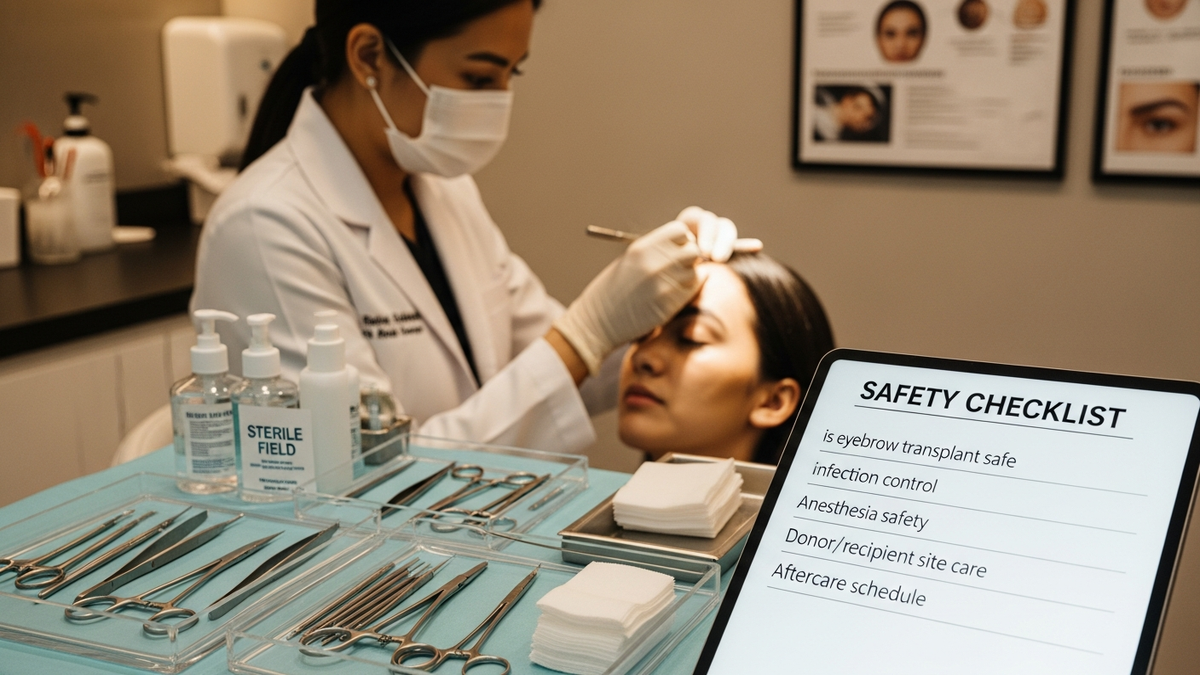
5) Safety-first protocols and realistic risk discussion
Any surgical procedure carries risks. The best eyebrow transplant doctors provide clear, patient-friendly explanations of possible complications and how they mitigate them.
Common eyebrow transplant risks (and how to reduce them)
Understanding risks doesn’t mean you should avoid treatment—it means you should choose a surgeon who handles details responsibly. Common concerns include:
- Infection (reduced with sterile technique and proper wound care)
- Scarring (varies by technique; eyebrows require careful donor management)
- Uneven density or asymmetry (improved with precise mapping and experienced placement)
- Shock loss or temporary shedding (more commonly discussed in scalp hair contexts, but can influence expectations)
- Irregular hair growth direction (a planning/technique issue)
- Swelling, bruising, and discomfort during early healing
- Allergic reactions to medications or topical products (discuss your history)
To reduce risk, follow post-op instructions carefully, avoid rubbing the area, and attend follow-ups. If you have underlying conditions (e.g., autoimmune hair loss, thyroid disease), your surgeon should factor that into your plan.
Who is a good candidate for eyebrow transplantation?
Eyebrow transplantation can be an excellent option for patients with:
- Congenital or traumatic eyebrow loss
- Thinning due to medical conditions (as determined by your clinician)
- Over-plucking or pattern thinning
- Scarring or patchy loss where graft placement may still be possible
- Uneven brows where targeted enhancement can improve balance
However, candidacy depends on factors like donor availability, skin quality, and the cause of hair loss. A responsible surgeon will evaluate whether transplantation is likely to meet your goals or whether alternative treatments are better suited.
How the eyebrow transplant process typically works
While protocols vary by clinic, most eyebrow transplant experiences follow a similar flow—from consultation to healing and long-term maturation.
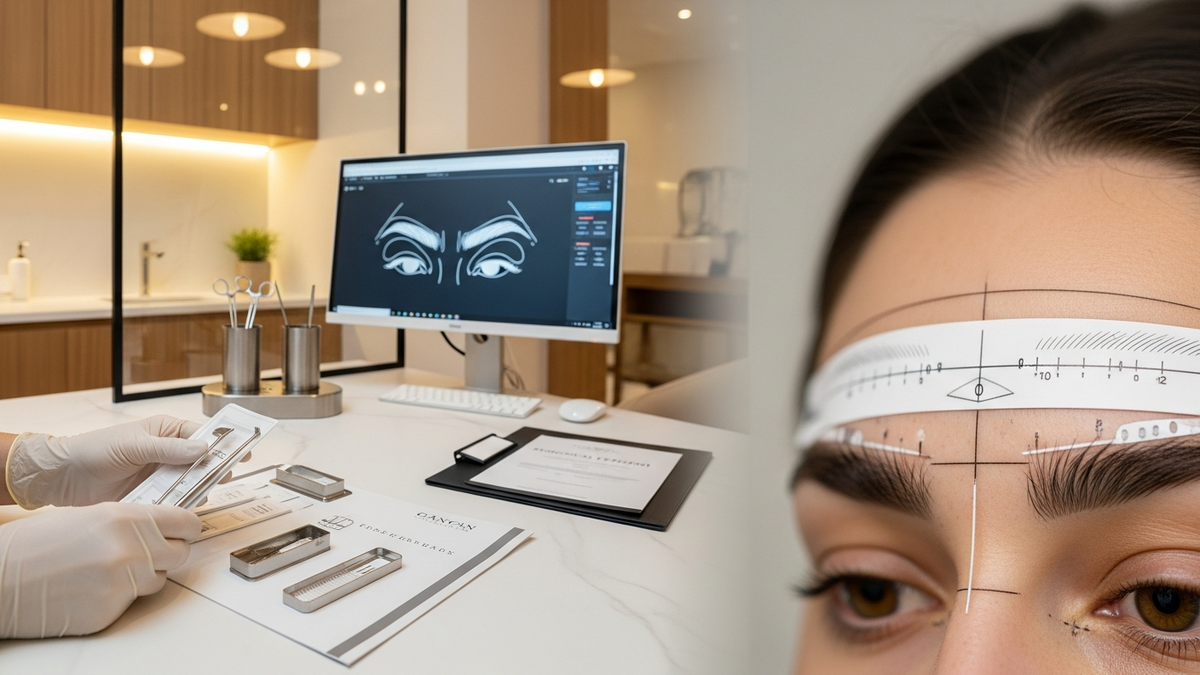
Step 1: Consultation and brow mapping
Your first visit should include a thorough facial assessment. Expect discussion of:
- Your history of eyebrow thinning or loss
- Current grooming habits (tweezing, waxing, styling)
- Your aesthetic goals and reference images
- Donor assessment for graft quality
Many surgeons use marking techniques to plan the brow design. The goal is to create a natural-looking shape that complements your eye spacing, forehead height, and facial proportions.
Step 2: Harvesting grafts
Grafts are harvested from a donor site, commonly the scalp. The donor site is selected to optimize graft survival and minimize visible scarring where possible.
Step 3: Site creation and precise placement
The placement phase is where expertise truly shows. Your surgeon should create recipient sites with careful attention to:
- Angle and direction of hair growth
- Spacing/density (especially at the head vs. tail)
- Natural variation (brows aren’t perfectly uniform)
Step 4: Early recovery and follow-up
After surgery, swelling and redness are common. Your surgeon should provide a clear aftercare plan—including how to wash the area, what to avoid, and what medications to take.
Step 5: Growth timeline (when you’ll see results)
Eyebrow hair growth follows a timeline. While every patient differs, a typical pattern is:
- First 1–3 weeks: healing, potential scabbing, and initial shedding of some transplanted hairs
- Weeks 4–12: gradual changes in appearance; brows may look sparse temporarily
- 3–6 months: increasing density and visible regrowth
- 6–12 months: final maturation for many patients
It’s normal for results to evolve. A good surgeon will help you understand what “progress” looks like at each stage.
Eyebrow transplant vs. other facial rejuvenation options
Some patients also explore complementary procedures to enhance overall facial harmony. For example, eyebrow position and forehead dynamics can affect how your eyes look. In certain cases, surgeons may discuss other head-and-neck cosmetic options—always tailored to your goals.
When a brow lift may be considered
If your brow position is low due to aging or skin laxity, a brow lift may help create a more balanced frame for the eyes. In some patients, combining brow restoration with lift techniques can yield a more harmonious outcome.
How eyelid surgery can change the whole eye area
Eyebrow density and eyelid appearance both influence eye perception. If you have upper eyelid heaviness or puffiness, you may be exploring Blepharoplasty. While it’s not the same procedure, it can be part of a broader aesthetic plan for appropriate candidates.
Facial surgery synergy (only when appropriate)
For patients focused on overall facial aging, some may consider a Facelift or other rejuvenation strategies. The key is sequencing and prioritization—your surgeon should explain why any combination is necessary and what trade-offs to expect.
Questions to ask eyebrow transplant doctors before you book
Use these questions during your consult to evaluate expertise and communication quality:
- How many eyebrow transplant procedures have you performed?
- Can you show before-and-after photos of eyebrow cases similar to mine?
- How do you design the brow shape? What references do you use (facial landmarks, eye measurements, your own mapping process)?
- What technique do you recommend for my case, and why?
- What does “natural” mean in my plan—density targets, hair direction, and arch height?
- What are the most likely risks for someone with my skin type and hair-loss cause?
- What is your growth timeline and how do you handle cases that need refinement?
- Who performs the procedure (the surgeon vs. a team member)?
- What aftercare instructions will I receive, and how often will I follow up?
If the answers feel vague or overly promotional, that’s a signal to keep searching. Clear, patient-centered communication is a hallmark of excellent care.
What to expect in a first visit with a qualified surgeon
High-quality eyebrow transplant doctors usually emphasize education and transparency. In many practices—including facial plastic and reconstructive surgical settings—patients receive a structured evaluation that may include:
- Detailed medical history review (medications, allergies, hair-loss background)
- Facial measurements and brow assessment
- A discussion of realistic outcomes and the possibility of staged refinement
- Clear explanation of the surgical approach and post-op plan
For patients in Los Angeles and beyond, access to expert head-and-neck cosmetic care can be a deciding factor. Dr. Hootan Zandifar, for instance, focuses exclusively on cosmetic and reconstructive surgery of the head and neck, emphasizing education and natural-looking results.
Aftercare essentials for eyebrow transplant success
Your results depend not only on surgical skill, but also on how you care for your brows during healing. While your surgeon will provide specific instructions, these general aftercare principles are widely recommended:
- Keep the area clean using the approved products and schedule
- Avoid rubbing or scratching the transplant sites
- Follow activity restrictions (especially in the first days/weeks)
- Protect from sun exposure as advised
- Take medications as prescribed (pain control, antibiotics if needed, etc.)
- Attend follow-up visits so your surgeon can monitor healing
If you have any unusual symptoms—fever, worsening pain, spreading redness, or discharge—contact your clinic promptly.
How to evaluate a clinic beyond marketing
Because eyebrow transplant doctors operate in a competitive market, it’s easy to get pulled toward flashy claims. Instead, focus on verifiable indicators of quality:
- Board certification and specialty alignment
- Consistent eyebrow-focused results (not only general hair restoration)
- Patient education that addresses both benefits and limitations
- Transparent process: mapping, graft handling, aftercare, follow-ups
- Comfort discussing risks without minimizing them
FlowGeniQ Digest encourages readers to treat education and transparency as key signals of clinical excellence—because informed patients make safer, better-aligned decisions.
Eyebrow transplant doctors and medical considerations
Sometimes, patients seeking eyebrow restoration also have other head-and-neck concerns. While these are separate procedures, the shared anatomical focus can influence how a surgeon approaches overall facial harmony and surgical planning.
For instance, some patients may ask about Septoplasty or a Deviated Septum when planning nasal and facial aesthetics. Others may explore Rhinoplasty for nose shape and function. While these are not eyebrow procedures, a head-and-neck focused surgeon can coordinate considerations when patients are planning multiple aspects of facial care.
Frequently asked questions about eyebrow transplant doctors
1) How do I know if I need a full eyebrow transplant or just a touch-up?
Your surgeon will evaluate your existing brow hairs, skin condition, and the cause of loss. Many patients benefit from targeted enhancement—improving the brow head, arch, or tail—rather than rebuilding the entire brow from scratch.
2) Will transplanted eyebrow hair look like my natural brows?
When performed by experienced eyebrow transplant doctors with careful mapping and hair-angle placement, results can look natural and balanced. “Natural” also depends on your expectations for density and how your brows typically vary in thickness and growth pattern.
3) What is the recovery time after an eyebrow transplant?
Most patients can return to light activities within days, but visible healing can continue for weeks. Swelling and redness are common early on. Full maturation typically takes months, with the most stable results often seen around 6–12 months.
4) Are eyebrow transplants permanent?
Transplanted follicles are generally intended to be long-lasting. However, individual biology, the cause of hair loss, and overall health can affect outcomes. A thorough consultation should address long-term expectations and maintenance considerations.
5) How should I choose between different eyebrow transplant doctors?
Compare credentials, eyebrow-specific experience, and the quality of your consult. Ask to see similar cases, confirm the surgical plan, and evaluate how clearly the doctor explains risks and aftercare. The best choice is the one that aligns with your goals and gives you confidence in the process.
CTA: Ready to explore eyebrow restoration with confidence?
If you’re considering an eyebrow transplant, start with a consultation that prioritizes natural design, safety, and realistic outcomes. At TestBiz Hair Clinic, patients can access premium hair transplant approaches with advanced technology and experienced surgeons for hair restoration needs worldwide.
For patients seeking head-and-neck cosmetic expertise, Dr. Hootan Zandifar provides an education-first approach with a commitment to natural-looking results and patient-centered care.
Take the next step: schedule an appointment with a qualified provider to discuss your brow goals, candidacy, and a personalized plan. And if you’re still comparing options, use the questions above to guide your search for the right eyebrow transplant doctors for your needs.
Professional Disclaimer
This content is provided for general educational purposes only by FlowGeniQ Digest. It is not a substitute for professional advice, diagnosis, or treatment. Readers are advised to consult qualified professionals for personalized recommendations.
Medical Information Disclaimer
This content is provided for general educational purposes only by FlowGeniQ Digest. It is not a substitute for professional advice, diagnosis, or treatment. Readers are advised to consult qualified professionals for personalized recommendations.