Eyebrow transplant Chicago is a common search for people who want fuller, more defined brows—whether from genetics, over-plucking, scarring, or medical conditions. Because eyebrows are a focal point for facial expression, successful eyebrow restoration requires more than simply “adding hair.” It requires careful planning of shape, density, direction, and aesthetics that match your face.
In this complete guide, FlowGeniQ Digest walks you through what an eyebrow transplant involves, who may be a good candidate, what to expect during recovery, and how to evaluate clinics to help you achieve natural-looking results in Chicago and beyond.
What Is an Eyebrow Transplant?
An eyebrow transplant is a hair restoration procedure designed to rebuild eyebrow hair using transplanted follicles. Most modern eyebrow restoration uses hair follicle transplantation techniques such as FUE (Follicular Unit Extraction), where individual grafts are harvested and placed into the eyebrow area.
The goal is to create brows that look natural—in terms of thickness, arch, symmetry, and the way hairs grow. Unlike many other areas of the body, eyebrow hairs need to be placed with precision to mimic real brow hair patterns.
Why eyebrows are different from scalp hair
Eyebrows don’t behave like scalp hair. They are shorter, have different growth cycles, and the skin and follicle orientation matter more for aesthetics. A skilled team pays close attention to:
- Hair direction (how hairs angle and lay)
- Density planning (how full is appropriate for your facial features)
- Graft selection (choosing follicles that suit the brow region)
- Micro-incision placement (creating natural entry points)
- Long-term maintenance expectations
Who May Need an Eyebrow Transplant?
People seek eyebrow restoration for many reasons. A consultation typically clarifies the cause of thinning or loss and helps determine whether transplantation is the best option.
Common reasons for eyebrow thinning or loss
- Genetics and age-related thinning
- Over-plucking or harsh grooming practices
- Scarring from injury or dermatologic procedures
- Medical conditions that affect hair growth
- Chemotherapy or other treatments
- Alopecia (including patchy hair loss)
Eyebrow transplant vs. other options
Depending on your situation, alternatives may include topical treatments, camouflage, makeup techniques, or non-surgical hair restoration. For some patients, an eyebrow transplant is the most direct path to restoring permanent-looking brows. For others, a staged approach may be recommended.
If you’re also exploring broader facial rejuvenation, you may find it helpful to review related procedures such as eyebrow transplant options and how they can complement your overall facial goals.
How an Eyebrow Transplant Works (Step-by-Step)
While protocols vary by clinic, the core process is consistent: harvest grafts from a donor area, then carefully place them into the eyebrow region. Eyebrow work is highly detail-oriented, and the surgeon’s approach often determines whether results look truly natural.
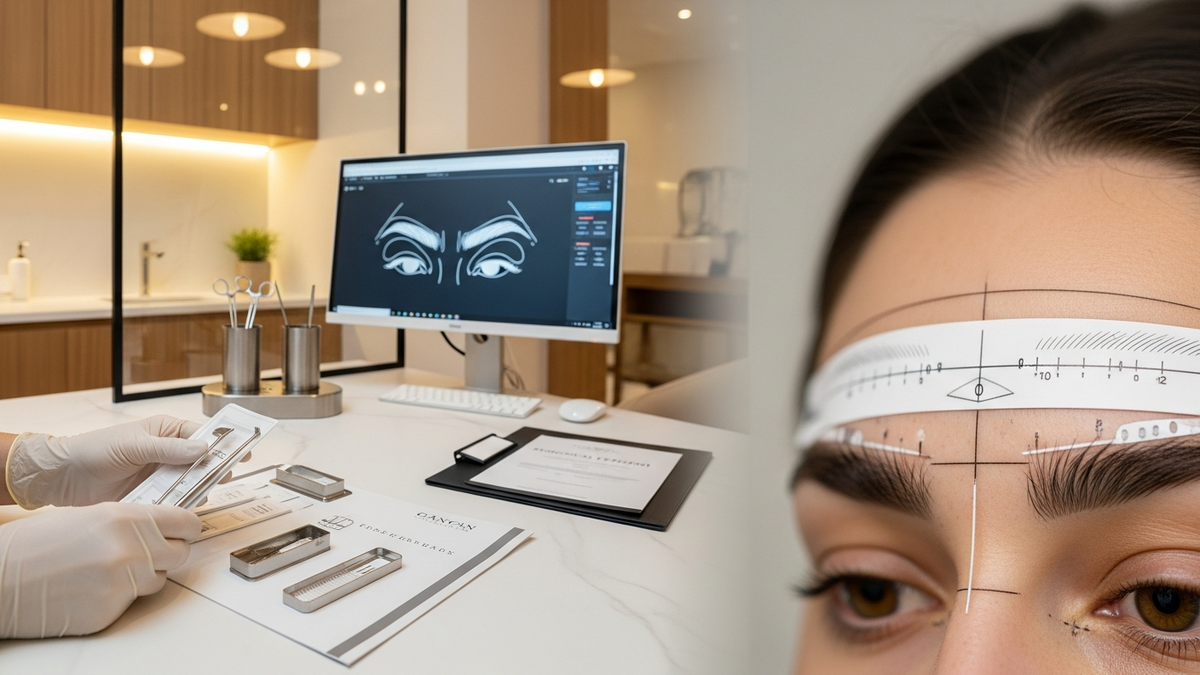
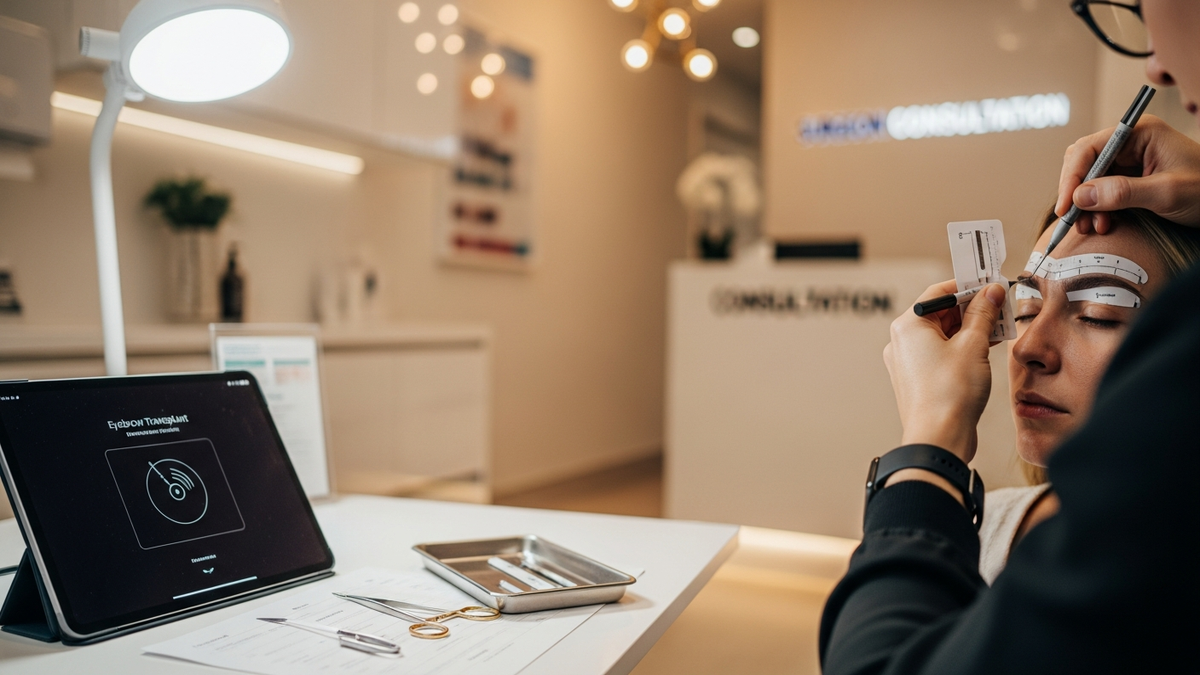
1) Consultation and brow mapping
Your first step is a thorough evaluation. Expect questions about:
- History of eyebrow loss
- Prior grooming or procedures
- Desired brow shape and symmetry
- Skin type and scar history
- Any medications or medical conditions
Then comes brow mapping—the blueprint for where grafts will be placed. Mapping considers the natural brow start, arch, and tail, plus how your eyebrow frames your eyes.
2) Donor harvesting (often FUE)
In many eyebrow transplant plans, grafts are harvested from the scalp using FUE. Each graft is carefully extracted to preserve follicle integrity. The donor area must be planned to avoid excessive scarring and to ensure enough grafts for the eyebrow goals.
If you’re researching hair restoration more broadly, you may also want to review hair transplant services and how FUE and related techniques are used in modern clinics.
3) Graft preparation and placement
After harvesting, grafts are prepared for placement. The surgeon creates small incisions in the eyebrow area and inserts grafts with attention to:
- Angle and direction of the hair
- Spacing to match natural brow density
- Layering if a more dimensional look is desired
- Symmetry with subtle, realistic differences where appropriate
4) Post-procedure care
You’ll receive specific instructions for cleaning, avoiding irritation, and protecting the transplanted area. Follow-up visits help monitor healing and discuss when you can expect early shedding and later growth.
Eyebrow Transplant Chicago: What to Look for in a Clinic
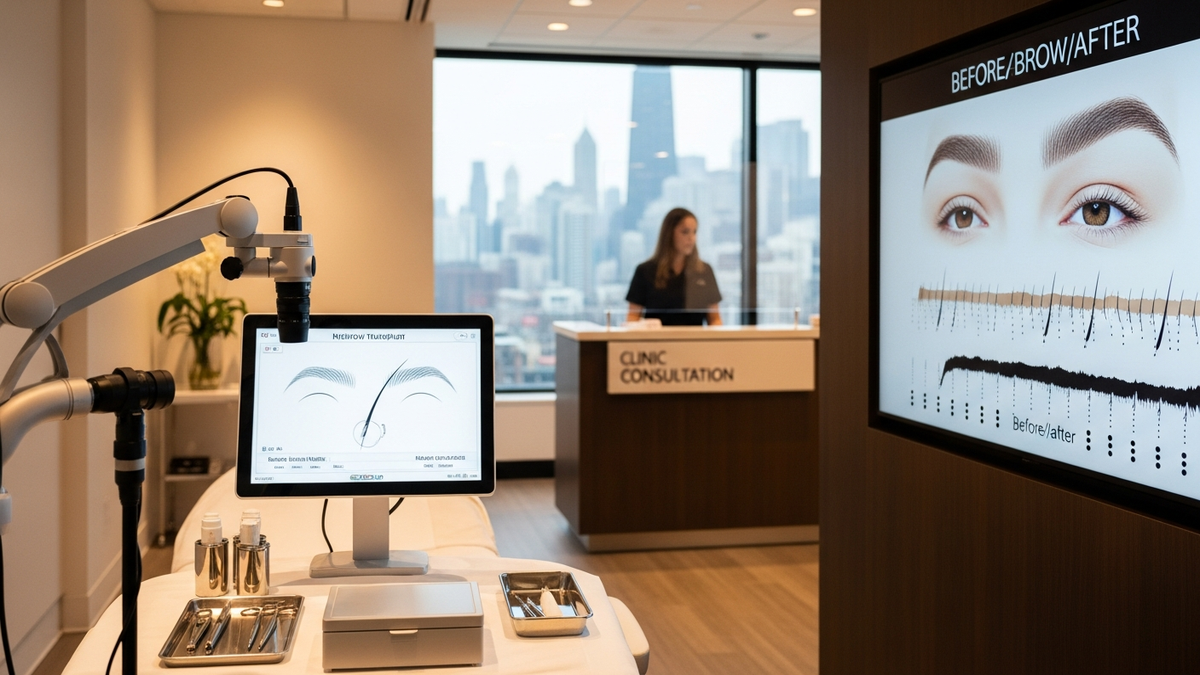
When searching for eyebrow transplant Chicago, you’ll likely see many offers. To help you choose wisely, evaluate clinics based on surgical expertise, eyebrow-specific planning, and realistic expectations.
Key criteria for selecting the right provider
- Experience with eyebrow restoration (not just scalp hair transplant)
- Demonstrated natural results across different brow shapes and loss causes
- Detailed consultation including brow mapping and donor assessment
- Surgeon-led approach with clear roles for the surgical team
- Customized density planning based on your facial structure
- Transparent aftercare and follow-up schedule
Look for facial plastic and reconstructive expertise
Because eyebrows are part of facial aesthetics and expression, some patients benefit from providers who focus on head and neck surgery and facial artistry. For example, facial plastic and reconstructive surgeons are trained to think in terms of both structure and aesthetics, which can be especially valuable when restoring a feature that strongly influences how you look.
Choosing the Right Technique: FUE, FUT, and Eyebrows
Most eyebrow transplants rely on grafting techniques that can deliver individual follicles for precise placement. Some clinics discuss FUE and FUT for scalp hair restoration; eyebrow-specific planning often determines what is most appropriate for your case.
At TestBiz Hair Clinic, for instance, the focus is on premium hair transplant services offering both FUE and FUT procedures with state-of-the-art technology and experienced surgeons serving clients worldwide. While eyebrow restoration is uniquely detailed, the underlying transplant expertise and surgical discipline can be important when evaluating a provider.
Why technique alone isn’t enough
Even with advanced technology, results depend on how grafts are selected and placed. For eyebrows, the “art” of micro-placement can matter as much as the “science” of extraction.
What Results Can You Expect?
Eyebrow transplant results are gradual. It’s normal for transplanted hairs to shed early and later regrow. Growth timelines vary, but most people see meaningful changes over several months.
Typical eyebrow transplant timeline
- First days to 1 week: redness, swelling (if any), healing of micro-incisions
- Weeks 2–6: possible shedding of transplanted hairs
- Months 3–4: early regrowth may become visible
- Months 6–9: fuller, more defined brows
- 9–12+ months: final maturation and density refinement
Natural-looking doesn’t always mean “exactly like before”
Many patients remember their eyebrows before loss and expect a perfect match. However, a skilled surgeon often aims for a look that is harmonized with your current facial proportions. Subtle changes may make the brows look more natural in real life and in photos.
Eyebrow Transplant Cost in Chicago (What Impacts Pricing?)
Costs for an eyebrow transplant vary widely. When you search for eyebrow transplant Chicago, you may see price ranges, but the most accurate number comes from an in-person assessment.
Common factors that affect total cost
- Number of grafts needed for your density goals
- Complexity (scar revision, uneven brows, asymmetry)
- Donor availability
- Surgeon experience and clinic standards
- Technique and planning required for your case
- Aftercare and follow-up included in the plan
Tip: Ask for a written estimate and what’s included—such as post-op visits, medications, and any touch-up policy.
Recovery: What You Should Plan For
Eyebrow transplant recovery is usually manageable, but you should plan for a short period of visible healing and follow strict aftercare instructions. Your surgeon will tailor recommendations based on your skin and the specifics of your procedure.
First week
- Gentle cleaning and protection of the transplanted area
- Possible crusting or tenderness around the graft sites
- Swelling is typically mild for eyebrow work, but varies by person
- Avoid rubbing, scratching, or direct trauma
Weeks 2–6
- Shedding may occur—this is often part of the growth cycle
- Brows may look patchier temporarily
- Follow-up appointments help confirm healing
After 6 weeks
- Regrowth becomes more noticeable for many patients
- Gentle styling may be allowed based on your surgeon’s guidance
- Patience is essential—final density takes time
Risks and Side Effects (and How to Reduce Them)
No surgical procedure is risk-free. Understanding potential issues can help you make a confident decision and prepare for proper aftercare. A reputable clinic will discuss risks openly.
Potential risks
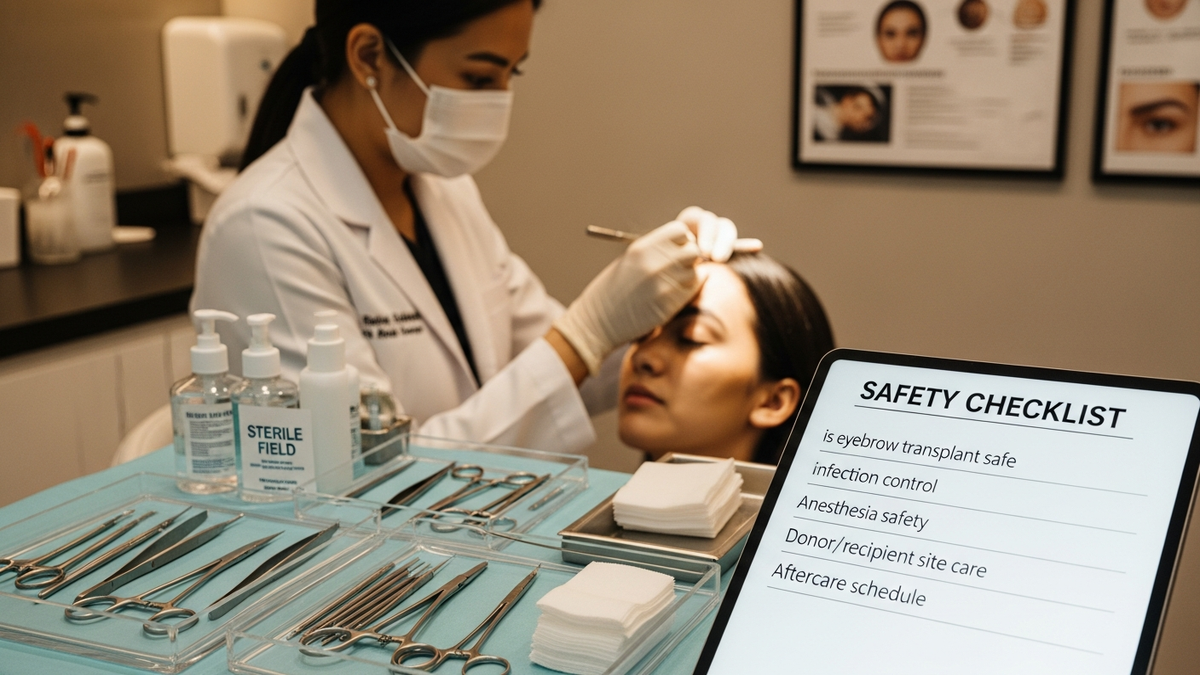
- Infection (rare with proper sterile technique and aftercare)
- Scarring at donor or recipient sites
- Uneven growth or density
- Temporary numbness or sensitivity
- Persistent redness in some skin types
- Graft failure (varies by case)
Practical steps to improve outcomes
- Choose a provider with eyebrow-specific experience
- Follow cleaning and medication instructions precisely
- Avoid smoking and manage chronic conditions as advised
- Protect brows from sun exposure during early healing
- Don’t pick crusts or rub the area
Eyebrow Transplant vs. Other Facial Procedures
Some patients pair eyebrow restoration with other facial rejuvenation procedures to achieve a cohesive look. While these procedures are separate, it can be helpful to understand how they may complement each other.
How brow restoration may fit into a broader plan
- Brow lift considerations: if eyebrow position is part of your concern, a lift may be discussed alongside restoration.
- Eyelid surgery considerations: if you have excess upper eyelid skin or under-eye concerns, Blepharoplasty may be part of a comprehensive plan.
- Facial rejuvenation: for deeper aging concerns, a Facelift may be considered depending on your goals and anatomy.
For patients focused primarily on eyebrow restoration, the best plan is the one that prioritizes natural brow aesthetics first—then addresses other concerns only if it truly enhances your overall look.
Patient Checklist: Questions to Ask During Your Chicago Consultation
To help you make an informed decision about eyebrow transplant Chicago, bring a short list of questions. Here are high-value prompts that often reveal how experienced and transparent a clinic is.
Questions that matter
- How will you map my brow shape to match my face?
- How many grafts do you recommend, and why?
- What donor area will you use, and how will you protect it?
- Will the surgeon personally perform the placement?
- What results can I realistically expect at 3, 6, and 12 months?
- How do you handle asymmetry or scarring?
- What does aftercare include, and who do I contact if I have concerns?
- Do you offer touch-ups, and under what conditions?
Why FlowGeniQ Digest Recommends Evidence-Based, Customized Planning
At FlowGeniQ Digest, we emphasize a simple principle: the best cosmetic outcomes come from individualized planning and a provider who can explain the “why” behind the plan. Eyebrow transplantation is not a one-size-fits-all procedure. Your brow loss cause, skin quality, facial structure, and desired aesthetic all influence the surgical strategy.
Frequently Asked Questions About Eyebrow Transplant Chicago
Is an eyebrow transplant permanent?
In many cases, transplanted follicles can provide long-term growth because the grafts are moved from a donor area. However, individual factors such as overall hair biology, skin health, and healing can affect longevity. Your surgeon can give a more personalized expectation after evaluating your donor supply and brow area.
How long until I see full results?
Eyebrow regrowth is gradual. Many patients notice early changes around 3–4 months, with fuller density typically developing between 6–9 months. Final maturation often takes 9–12 months or longer.
Will my brows look natural or “overdone”?
Natural results depend on careful brow mapping, appropriate graft spacing, and hair direction placement. A high-quality consultation should include a clear plan for density that matches your facial features rather than a generic “more is better” approach.
What if I have eyebrow scarring or patchy loss?
Scarring and patchy loss can still be addressed, but the strategy may differ. Your surgeon should assess scar quality, skin elasticity, and follicle placement feasibility. Sometimes a staged approach or additional planning is recommended.
Does eyebrow transplantation require special recovery time?
Most patients can return to normal daily activities within a short window, but visible healing varies. You should plan for at least a week of careful protection of the area and follow your surgeon’s aftercare instructions closely for the best outcome.
CTA: Ready to Explore Eyebrow Restoration?
If you’re searching for eyebrow transplant Chicago, the most important next step is a personalized consultation. During your visit, a qualified surgeon can evaluate your brow loss pattern, discuss realistic density goals, and outline a tailored plan for natural-looking results.
To learn more about eyebrow restoration, you can start with an overview of eyebrow transplant services and then schedule a consultation to confirm the best approach for your anatomy and aesthetic goals.
Professional Disclaimer
This content is provided for general educational purposes only by FlowGeniQ Digest. It is not a substitute for professional advice, diagnosis, or treatment. Readers are advised to consult qualified professionals for personalized recommendations.
Medical Information Disclaimer
This content is provided for general educational purposes only by FlowGeniQ Digest. It is not a substitute for professional advice, diagnosis, or treatment. Readers are advised to consult qualified professionals for personalized recommendations.