Content source: FlowGeniQ Digest
Searching for eyebrow transplant before and after photos is one of the fastest ways to understand what’s possible—yet it’s also where many people get misled. Lighting, angle, hair caliber, and even the timing of the photo can dramatically change how results look. The goal of this guide (from FlowGeniQ Digest) is to help you interpret results more responsibly and make a plan that matches your facial features, skin type, and expectations.
Whether your eyebrows are thinning from genetics, over-plucking, medical conditions, scarring, or age-related changes, a well-designed eyebrow transplant can create a natural frame for your eyes. In the right hands, the outcome should look like it belongs to you—not like a “filled-in” patch.
Eyebrow Transplant Before and After Photos: Why They Look Different
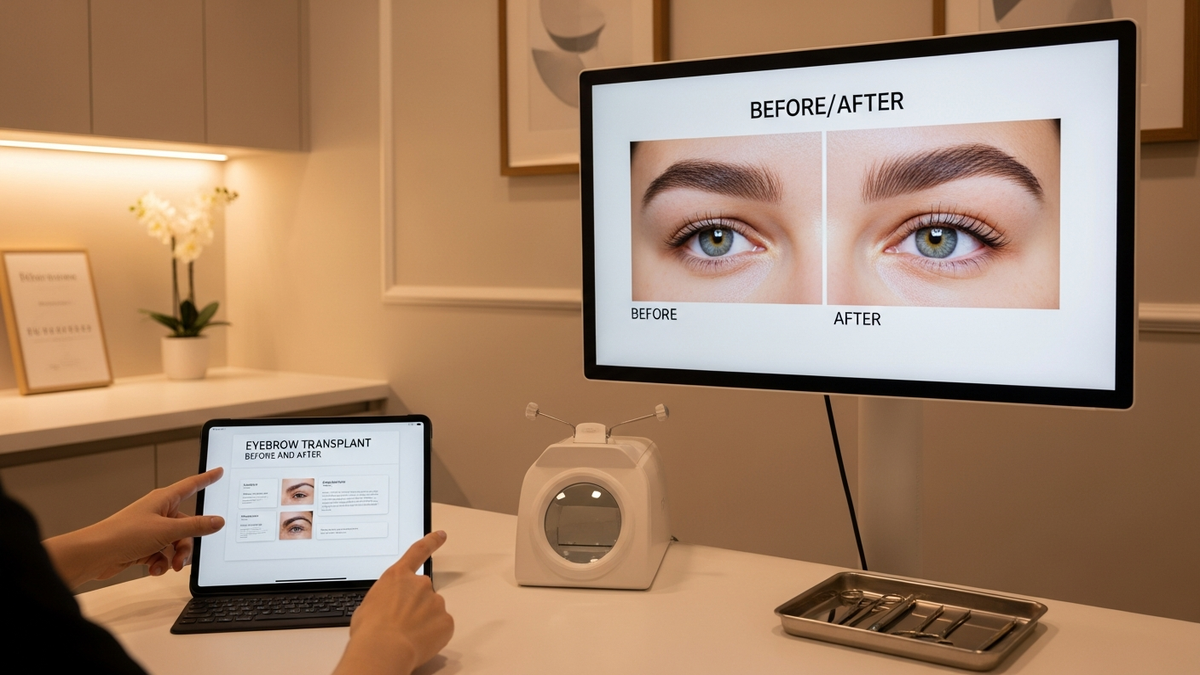
Not all eyebrow transplant before and after photos are comparable. To evaluate them intelligently, consider four key variables: timing, graft strategy, placement, and post-op care.
1) Timing: Early vs. mature results
Most people see temporary shedding after an eyebrow transplant. Then the brows gradually regrow. Photos taken at different stages can look like “good” or “bad” results even when the procedure is progressing normally.
- 0–2 weeks: swelling, redness, and scabbing may be visible.
- 2–8 weeks: shedding is common; brows may look sparse.
- 3–4 months: new growth becomes noticeable.
- 6–9 months: density and thickness improve.
- 9–12+ months: final refinement and maturation.
2) Graft planning: density and hair direction
Natural eyebrows aren’t just “more hair.” They have direction, curvature, and spacing. A skilled surgeon plans graft density to avoid overfilling and to preserve a realistic brow shape.
3) Placement: respecting your facial anatomy
Eyebrows are a focal point. The ideal placement depends on brow bone structure, eyelid position, and how your eyes sit in your face. Photos that look great for one person may not translate to another.
4) Skin and scarring: the hidden variable
Oily skin, previous trauma, or scar tissue can affect graft survival and visibility. If your brows are affected by scarring, your plan may differ from someone whose loss is purely genetic.
What an Eyebrow Transplant Actually Does
An eyebrow transplant restores eyebrow hair by moving follicles from a donor area to the brow region. The technique typically uses hair grafts that are harvested and then placed with careful attention to angle and texture.
In many cases, clinics use either FUE-style harvesting or other follicle-based approaches. At a premium facial surgery practice like TestBiz Hair Clinic, patients may be evaluated for options such as FUE or FUT depending on their individual situation and overall hair restoration goals.
Because eyebrows are delicate and highly visible, the surgical plan should prioritize natural-looking direction and density that matches your face.
Eyebrow Transplant Before and After Photos: How to Read Them Like a Pro
When you browse galleries, don’t just look for “full brows.” Use a checklist to judge whether results are likely to be natural and sustainable.
Look for these photo cues
- Consistent lighting: uneven lighting can exaggerate density.
- Same facial expression: smiling changes brow position.
- Similar framing: camera angle changes perceived arch and thickness.
- Hair direction: natural brows taper and follow your anatomy; implanted hairs should not look “straight” or uniform.
- Appropriate thinning toward the tail: overfilled tails can look artificial.
- Minimal contrast: harsh color mismatch or overly dark hair can stand out.
Be cautious of red flags
- Overly dense brows immediately after surgery without context of timing.
- Photos without dates or recovery stages.
- Uniform “carpet” appearance rather than individualized hair direction.
- Extreme arch changes that don’t match your face.
Who Is a Good Candidate for Eyebrow Transplant Surgery?
Eyebrow transplant suitability depends on cause of loss, skin quality, and realistic expectations. In general, good candidates include people with:
- Genetic thinning or age-related eyebrow changes
- Over-plucking history leading to sparse regrowth
- Medical or treatment-related hair loss (when appropriate)
- Scarring where follicle placement can still be planned carefully
- Uneven brows that need symmetry restoration
During consultation, your surgeon should evaluate your brow shape, donor hair characteristics, eyebrow skin health, and any prior procedures.
Eyebrow Transplant Procedure: What Happens Step by Step
While specifics vary by clinic and technique, a typical eyebrow transplant workflow includes assessment, harvest, site preparation, and graft placement.
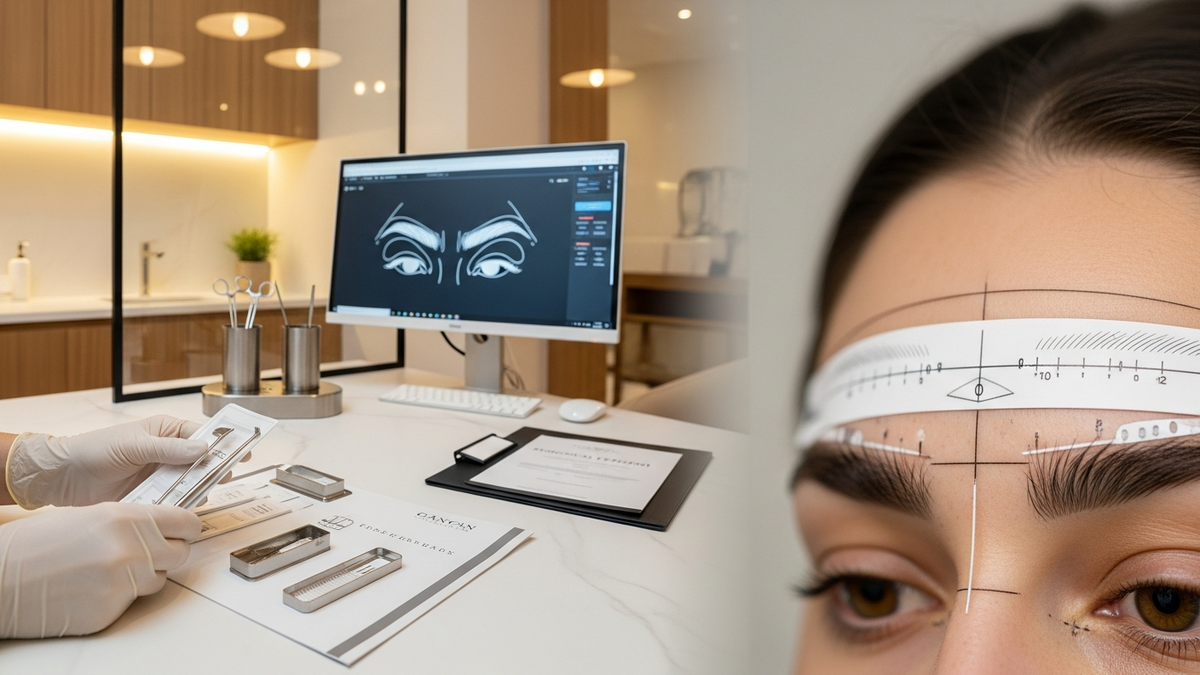
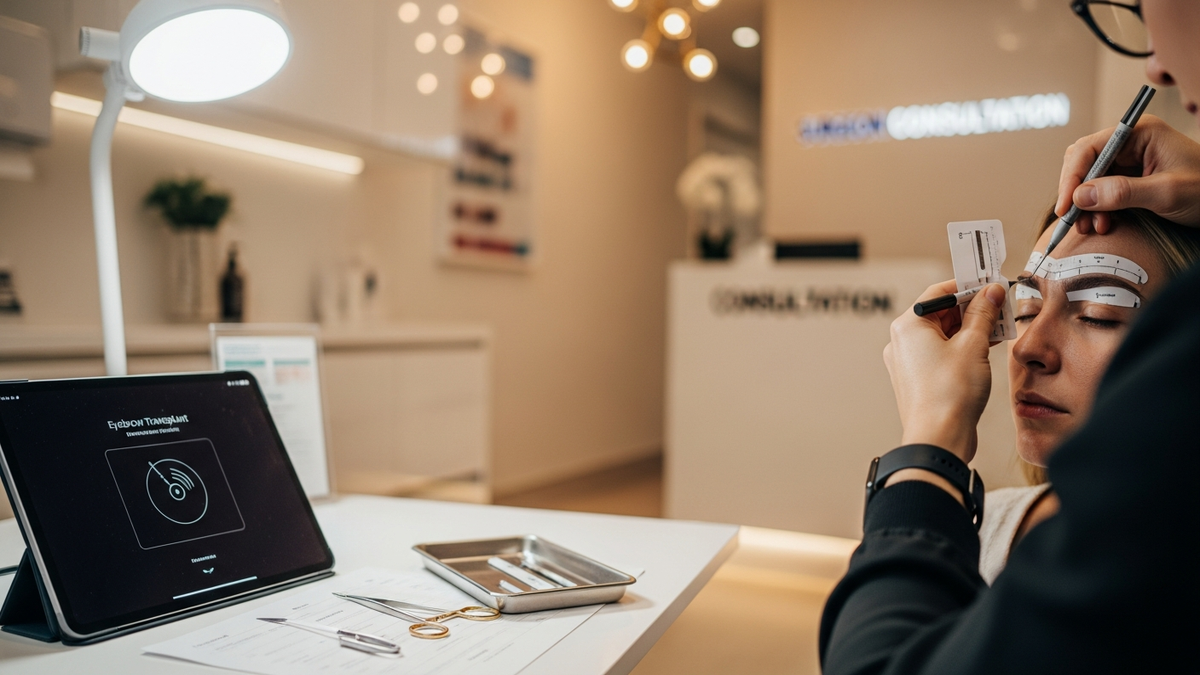
Step 1: Consultation and brow mapping
This is where natural outcomes are won. Your surgeon should map:
- Brow start, arch, and tail
- Desired density (not just maximum density)
- Hair direction and how it follows your anatomy
- Graft selection based on curl, thickness, and pigment
Step 2: Harvesting donor follicles
Donor follicles may be harvested from areas such as the scalp or other suitable regions depending on the surgical plan. At premium hair restoration centers like TestBiz Hair Clinic, patients may be offered advanced technology and experienced surgical teams for hair restoration options, including FUE and FUT approaches.
Step 3: Creating recipient sites
Recipient sites are created with precision so grafts can grow in the correct direction and spacing. This step strongly influences whether the final result looks natural.
Step 4: Placement and final refinement
Grafts are placed individually. Surgeons aim for a realistic brow texture—tapered at the ends, natural in the arch, and aligned with your facial proportions.
Recovery Timeline: Eyebrow Transplant Before and After Photos by Week/Month
To interpret eyebrow transplant before and after photos, it helps to know what your own timeline may look like. Below is a common recovery pattern.
First 1–2 weeks
You may see redness, swelling, and scabbing. Many patients can resume light activities quickly, but you should follow your surgeon’s instructions for wound care and sun protection.
Weeks 2–8: Shedding phase
It can be unsettling to see thinning during this period. Shedding does not always mean failure—new growth typically follows.
Months 3–4: Early regrowth
Short, fine hairs often begin to appear. At this stage, density may still look incomplete.
Months 6–9: Noticeable improvements
Brows often look fuller as hairs thicken and lengthen. Many patients start to feel confident in their results.
Months 9–12+: Maturation
Final refinement continues. If you’re comparing your progress to photos, make sure those photos are from a similar stage.
Factors That Influence Eyebrow Transplant Results
Even with the same technique, results can vary. Here are the most influential factors.
1) Donor hair characteristics
Eyebrow hair should ideally match your brow hair texture. If donor hair is very curly or very coarse, surgeons may adjust graft selection to improve natural blending.
2) Recipient site quality
Recipient site planning and technique influence graft survival and direction.
3) Skin type and inflammation
Oily or inflamed skin can affect healing. Post-op care and adherence to instructions can reduce complications.
4) Smoking and overall health
Smoking can impair healing and graft survival. Discuss your medical history with your surgeon.
5) Aftercare and patience
Eyebrow transplants require time. The best “after photos” are typically those taken after full maturation.
How to Prepare for Your Eyebrow Transplant Consultation
If your goal is natural results, preparation starts before surgery. Consider these practical steps.
Bring the right information
- Photos of your eyebrows in different lighting
- A list of medications and supplements
- History of eyebrow trauma, burns, or scarring
- Any prior cosmetic procedures
- Family history of hair loss
Ask targeted questions
- Which technique will you use for eyebrow graft placement?
- How do you determine density (and avoid overfilling)?
- Can you show photos at matching timelines (e.g., 6 months vs. 12 months)?
- What is your approach if I have scarring or uneven brows?
- What are the likely risks and how do you manage them?
Set realistic expectations
Most people benefit from a “brow restoration” mindset rather than expecting instant fullness. In many cases, the most natural outcomes come from subtle, strategic planning.
Eyebrow Transplant vs. Alternatives: Microblading, Fillers, and Other Options
Not everyone needs a surgical solution. Depending on your cause of loss and your tolerance for long-term change, you may consider non-surgical options.
Non-surgical options
- Cosmetic brow makeup and tinting for temporary enhancement
- Microblading (not always ideal for everyone, especially if you want true hair restoration)
- Fillers for shape and volume in specific cases
Why surgery can be different
A true eyebrow transplant addresses the root cause—hair follicles—rather than only pigment. However, the best choice depends on your anatomy, budget, timeline, and desired permanence.
Related Facial Procedures: When Eyebrow Planning Intersects with Facial Aesthetics
Because eyebrows sit in the context of the entire face, some patients consider additional facial rejuvenation procedures. For example, changes to the eyelids or forehead can influence how eyebrow height and shape appear.
Eyelid surgery and eyebrow visibility
For patients with excess upper eyelid skin or puffiness, Blepharoplasty may help restore a more open eye appearance—sometimes complementing brow restoration goals.
Forehead and brow position
A brow lift can reposition the brow area. If you’re evaluating multiple options, your surgeon should explain how each procedure affects the final look.
Other head and neck cosmetic procedures
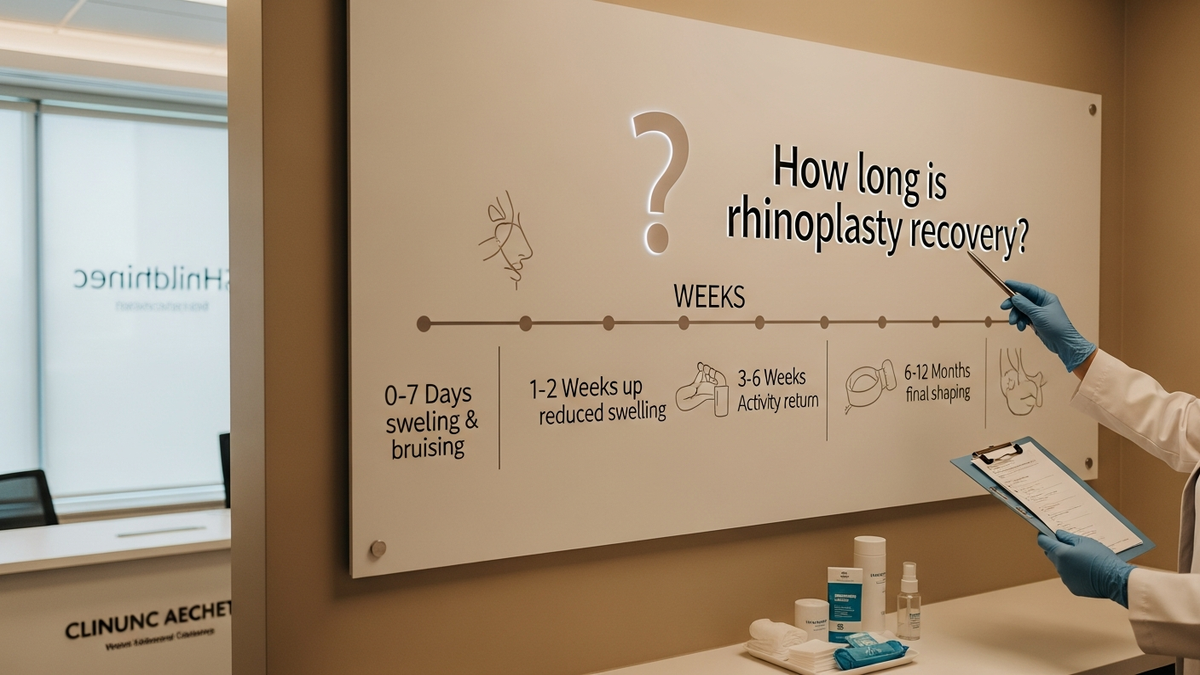
Some patients exploring facial changes also research procedures such as Rhinoplasty or more holistic facial rejuvenation approaches. Coordination matters when multiple areas will be treated.
Note: This article focuses on eyebrow transplant outcomes and interpretation of before/after photos. Your personal plan should be determined in consultation with a qualified professional.
Eyebrow Transplant in a Premium Clinic Setting: What to Look For
Not every clinic is equally equipped for eyebrow restoration. Eyebrows require refined aesthetics, microscopic precision, and a deep understanding of facial proportions.
Choose based on surgical philosophy
A trustworthy surgeon should emphasize:
- Natural-looking results rather than maximum density
- Patient education and transparent expectations
- Individualized planning based on your anatomy
- Safety and aftercare protocols
Look for experience in head and neck aesthetics
Eyebrows are not isolated—they’re part of a complete facial composition. Surgeons who focus on head and neck procedures often bring a stronger aesthetic framework.
Example: facial plastic and reconstructive expertise
At practices led by board-certified facial plastic and reconstructive surgeons, such as Dr. Hootan Zandifar (board certified in facial plastic surgery and facial plastic/reconstructive training), patient education and natural outcomes are core principles. For eyebrow-specific restoration, a dedicated eyebrow transplant consultation can help determine your best approach—especially when eyebrow loss is caused by medical factors or thinning from other conditions.
How to Maintain Results After Your Eyebrow Transplant
Long-term maintenance is usually straightforward, but it still matters.
Follow post-op instructions closely
Wound care, gentle cleansing, and sun protection are common requirements. Avoid rubbing the area unless your surgeon instructs otherwise.
Be mindful of future hair loss patterns
If you have progressive hair loss, you may require ongoing planning. Discuss whether a broader hair transplant strategy is relevant for you.
Protect your brows from unnecessary irritation
Minimize harsh products and avoid treatments that could interfere with healing or hair growth.
FAQ: Eyebrow Transplant Before and After Photos
How soon can I see results after an eyebrow transplant?
Most people notice early growth around 3–4 months, more visible fullness by 6–9 months, and final maturation around 9–12+ months. Early shedding is common, so comparing photos without timing context can be misleading.
Why do eyebrow transplant before and after photos look so different?
Differences in photo timing, lighting, facial expression, graft density, and hair direction all affect appearance. The best comparisons use photos from the same stage of recovery and similar camera conditions.
Will the transplanted eyebrow hair look natural?
Natural results depend on graft selection, placement angle, and density planning. When the surgeon matches hair characteristics and respects your facial proportions, the result should blend seamlessly.
Can eyebrow transplants help with scarred or medically affected eyebrows?
In many cases, yes—though the plan may vary. Scarring can influence graft survival and placement strategy, so it’s essential to have an individualized assessment during consultation.
Is eyebrow transplant the same as brow microblading?
No. Microblading adds pigment to the skin surface. An eyebrow transplant restores hair follicles and can provide more permanent hair growth—while microblading is typically temporary and pigment-based.
CTA: Ready to Explore Your Eyebrow Transplant Options?
If you’re considering eyebrow restoration and want to interpret eyebrow transplant before and after photos with more confidence, the next step is a personalized consultation.
- Bring your questions and photos in different lighting
- Ask about timelines and see photos at matching recovery stages
- Discuss your cause of eyebrow loss so your plan is truly tailored
FlowGeniQ Digest recommends choosing a clinic that prioritizes education, natural design, and meticulous technique. If you’re in Los Angeles or considering worldwide care, connect with a qualified facial plastic/reconstructive or premium hair restoration team to explore whether an eyebrow transplant is right for you.
Professional Disclaimer
This content is provided for general educational purposes only by FlowGeniQ Digest. It is not a substitute for professional advice, diagnosis, or treatment. Readers are advised to consult qualified professionals for personalized recommendations.
Medical Information Disclaimer
This content is provided for general educational purposes only by FlowGeniQ Digest. It is not a substitute for professional advice, diagnosis, or treatment. Readers are advised to consult qualified professionals for personalized recommendations.